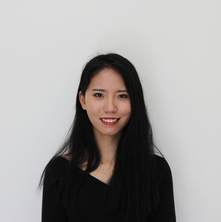
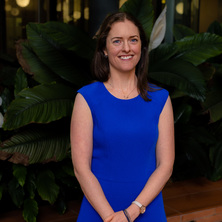
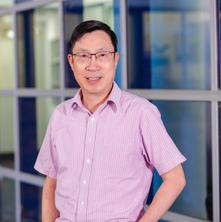
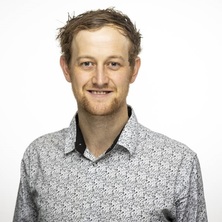
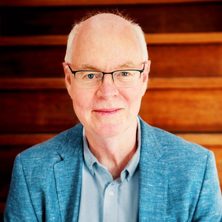
Clara Jiang is a postdoctoral research fellow at the Institute for Molecular Bioscience, the University of Queensland. Clara’s research focuses on using genomic and transcriptomic analysis to investigate the genetic basis of cardiovascular and psychiatric disorders, with a particular focus on female health, as well as using statistical genomic approaches to explore possible opportunities for drug repurposing. Clara graduated from the University of Queensland with Bachelor of Advanced Science (First Class Honours) in 2017, and was awarded the University Medal. Clara was awarded her PhD at the University of Queensland in 2021, where she utilised bioinformatic approaches and molecular experiments to decipher the genetic aetiology of breast cancer, specifically the regulatory role of transposons or ‘jumping genes’ in modulating the transcriptional landscape in the cancer state. Clara is also a UQ Wellness ambassador and an advocate for promoting equity, diversity and inclusion in academia.
Department of Kidney and Transplant Services, Division of Medicine, Building 31, Princess Alexandra Hospital
david.johnson2@health.qld.gov.au
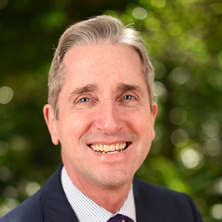
David Johnson is full-time Director of the Metro South Kidney and Transplant Service (MSKATS) and Medical Director of the Queensland Kidney Transplant Service (QKTS) at Princess Alexandra Hospital, Professor of Medicine and Professor of Population Health at University of Queensland, and Director of the Centre for Kidney Disease Research in Brisbane, Australia. He has a number of international leadership responsibilities, including Co-Chair of the International Society of Nephrology Global Kidney Health Atlas (ISN GKHA), Co-Chair of the International Society for Peritoneal Dialysis (ISPD) Guidelines on Peritonitis Prevention and Treatment, Co-Chair of the Global PDOPPS Steering Committee, Chair of SONG-PD, Chair of the Australasian Kidney Trials Network (AKTN), Immediate Past President of the Australian and New Zealand Society of Nephrology (ANZSN), Past President of the ISPD (2018-2020), Past Councillor of the ISN (2013-2019), and member of the ISN-ACT, ISN Research and ISN Monitor groups. He is currently a chair or member of 11 national and 11 international guideline groups and is ranked by Expertscape as the “top-rated expert in dialysis in the world during the years 2013-2023.” He has influenced policy and practice through his leadership as Deputy Chair of the Australian Better Evidence And Translation in Chronic Kidney Disease (BEAT-CKD) program, Chair of the Primary Healthcare Education Advisory Committee to Kidney Health Australia (PEAK), Co-Chair of the Australasian Creatinine and eGFR Consensus Working Party, Co-Chair of the Australasian Proteinuria Consensus Working Party, Member and Past-Chair of the ANZDATA Registry Peritoneal Dialysis Working Group, and Past-Chair of the Queensland Statewide Renal Clinical Network.
Having published over 1300 original manuscripts in peer-reviewed journals and presented over 570 abstracts at national and international scientific meetings, he brings critical expertise in designing and conducting multi-centre, multi-national randomised controlled trials (RCTs), developing national and international registries, using innovative research methodologies (such as registry-based RCTs) and implementing trial findings into practice. He has held lead roles in high-impact, large, multi-centre RCTs that have informed global clinical practice, including CKD-FIX, IDEAL, balANZ, HONEYPOT, TESTING, HERO, BEST-FLUIDS and IMPENDIA. He is currently principal investigator of the TEACH-PD and INCH-HD trials, and chair of the PHOSPHATE and INCH-HD and co-chair of the STEP-PD Trial Global Steering Committees. He helped establish the Australian Peritonitis Registry and led the highly successful National PD Peritonitis Quality Improvement Project, which reduced national peritonitis rates by two-thirds. He also led the universal implementation of automated laboratory reporting of eGFR in ANZ which increased national detection rates by 40%. Globally, he has co-led the ISN-GKHA project which for 10 years has enabled data-driven advocacy, informed WHO and UN policy, driven policy change in many countries and fundamentally changed how kidney care is measured, discussed and planned worldwide.
He has won numerous awards for both his basic science and clinical research science studies, including the ANZSN TJ Neale Award for “outstanding contributions to nephrologic science” (2005), the US National Kidney Foundation International Distinguished Medal (2014), the Canadian Society of Nephrology Dimitrios Oreopoulos Award (2017), the Asia-Pacific Society of Nephrology Priscilla Kincaid-Smith Award (2021) and the International Society for Peritoneal Dialysis Oreopoulos Award (2026). He was a Queensland finalist in the Australian of the Year Awards in 2009 and was awarded a Public Service Medal by the Governor-General of Australia in 2011 for outstanding public service, particularly research into the early detection and management of kidney disease.
Faculty of Health, Medicine and Behavioural Sciences
Availability:
Not available for supervision
Media expert
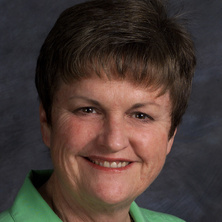
Dr. Vaibhavi Joshi is a postdoctoral research fellow at The University of Queensland Centre for Clinical Research. She is part of the Molecular Breast Pathology Lab alongside Prof. Sunil Lakhani, A/Prof Amy McCart Reed, and A/Prof Peter Simpson. Currently, she is working with with A/Prof Peter Simpson to investigate the molecular basis of breast cancer in young women, focusing on identifying novel biomarkers and potential targets to improve outcomes for this high-risk group.
Her research explores the hallmarks of metastasis, including tumor invasion,colonisation, and the tumor microenvironment. Dr. Joshi employs advanced molecular biology techniques to study cancer progression and uncover clinically relevant targets.
Dr. Joshi welcomes students and collaborators interested in cancer biology, metastasis, and innovative therapeutic strategies to join her in exploring cutting-edge projects.
Faculty of Health, Medicine and Behavioural Sciences
Availability:
Available for supervision
Media expert
The research focuses on the evaluation and management of neck pain from a physical therapy perspective
The research in the Cervical Spine and Whiplash Research Unit in the School of Health and Rehabilitation Sciences has an applied clinical focus. Two models of neck pain are being investigated, idiopathic neck pain and neck pain following trauma. The research questions and investigates the possible physical and psychological processes underlying the pain and functional disturbances associated with neck disorders to better identify and quantify the impairments or disturbances in the sensory, muscle, sensorimotor and psychological systems.
Whiplash associated disorders
Processes associated with chronic whiplash associated disorders have been researched, identifying problems in the sensory, motor and postural control systems. A prospective study of prognostic indicators for whiplash from within 4 weeks of injury to recovery or chronicity (6 months post injury) identified sensory, motor and psychological processes associated with recovery and non recovery. A multicentre, international collaborative project is underway to test the sensitivity and specificity of these indicators. This research questions the current classification system for whiplash associated disorders. One RCT of management of chronic whiplash associated disorders has been completed. Currently an RCT is underway to test whether a pragmatic multi-professional management program for acute whiplash will lessen the incidence of transition to chronicity.
Cervicogenic headache
Research into cervicogenic headache has established the physical criteria which characterise cervicogenic headache. A specific pattern of articular and muscle impairment clearly identifies cervicogenic headache from other types of benign intermittent frequent headache with symptomatic overlap (eg tension-type headache and frequent migraine without aura). An RCT has been conducted to investigate the efficacy of physiotherapy treatment methods designed to address these impairments. Current research is investigating cervicogenic headache in the elderly.
Impairment in the neck muscle system and sensorimotor control
The nature of impairments in the cervical muscle system associated with neck pain is being researched. Impairments in the motor control of the deep and superficial neck muscles have been identified in cognitive, functional and automatic tasks. The changes appear to be generic reactions to neck pain syndromes regardless of aetiology. Two randomised controlled trials have been conducted testing the effectiveness of a specific exercise regime developed from this research. The possible physiological mechanisms underlying the effectives of different therapeutic exercise strategies are currently being researched to ensure best evidence-based practice in the field of therapeutic exercise for cervical disorders.
Faculty of Health, Medicine and Behavioural Sciences
Availability:
Available for supervision
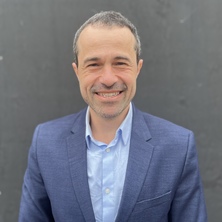
Dr Kassianos is a Senior Scientist at the Conjoint Internal Medical Laboratory, Queensland Health. Dr Kassianos has made significant contributions to understanding the cell-cell communication between discrete kidney cell and immune cell populations and the therapeutic potential of targeting this cross-talk in chronic kidney disease (CKD). Dr Kassianos has been integral in the development of innovative tools for CKD analytics: (i) in situ/ex vivo profiling for integrating CKD molecular profiles with histopathology; and (ii) preclinical models for screening novel CKD therapeutics. His research is internationally recognised in the field of CKD pathobiology.
Dr Kassianos has contributed to the fields of nephrology and immunology with 41 publications, >2000 career citations (~48 citations/paper) and invited international keynote lectures. Dr Kassianos has a continued record of success in attracting competitive research funding (>$2M as CI), including an NHMRC Dora Lush Scholarship (2007-2010), an RBWH Foundation Fellowship (2012-2014) and two NHMRC Project Grants as CIA (2016-2019; 2019-2022). Dr Kassianos has publications in high-ranking specialist (nephrology, immunology) and generalist journals, including five editorial commentaries in publication issues. These include 21 publications (~50% of his papers) as first or senior author/co-author – of which, 19 (90%) are in top field-weighted journals (Q1, top 10%), including Kidney Int, J Am Soc Nephrol, Cell Death Dis and J Extracell Vesicles. During this time, Dr Kassianos has supervised 5 Early Career Researchers, 5 PhD students (3 to completion) and 2 Masters students (both to completion). Dr Kassianos is also an Editor at Frontiers in Physiology and has contributed to 3 NHMRC grant review panels (2019-2021).
Faculty of Health, Medicine and Behavioural Sciences
Affiliate of Centre for Cardiovascular Health and Research
Centre for Cardiovascular Health and Research
Faculty of Health, Medicine and Behavioural Sciences
Affiliate of Centre for Community Health and Wellbeing
Centre for Community Health and Wellbeing
Faculty of Health, Medicine and Behavioural Sciences
Affiliate of Centre for Research on Exercise, Physical Activity and Health
Centre for Research on Exercise, Physical Activity and Health
Faculty of Health, Medicine and Behavioural Sciences
Availability:
Available for supervision
Media expert
Associate Professor Shelley Keating is an Accredited Exercise Physiologist (AEP) and an Associate Professor in Clinical Exercise Physiology at the School of Human Movement and Nutrition Sciences, University of Queensland. With a strong grounding in exercise metabolism and body composition, Shelley leads a program of research aimed at changing the way we prioritise, access and deliver lifestyle intervention for people with obesity, metabolic dysfunction-associated steatotic liver disease (MASLD), type 2 diabetes and liver cirrhosis. She leads a multidisciplinary research program advancing the integration of exercise into standard cardiometabolic and hepatology care pathways. Her program is co-designed with clinicians, health services, and people living with MASLD to develop sustainable, meaningful exercise solutions that can be embedded into routine hepatology care. A/Prof Keating is also a member of the Global NASH/MASH Council and the EASL Global Liver Advocacy Network, contributing to international advocacy and multidisciplinary collaboration in steatotic liver disease.
A/Prof Keating is the Director of the Exercise Physiology and Liver Disease Translation Group (EP-Liver), which is advanding liver health through exercise, implementation and partnership. The Exercise Physiology and Liver Disease Translation Group conducts clinical trials and implementation research to integrate exercise physiology into the prevention, assessment and management of steatotic liver disease and cirrhosis, with the goal of advancing liver health across the disease spectrum.
The Exercise Physiology and Liver Disease Translation Group (EP-Liver) has three core pillars:
Transforming Workforce: Builds workforce capacity and implementation frameworks that embed exercise physiology within multidiciplinary care for steatotic liver disease and cirrhosis.
Translating Evidence: Generates and translates clinical trial evidence on exercise as a therapeutic intervention for steatotic liver disease and cirrhosis into guidelines and models of care.
Amplifying Voices: Centres the perspectives of people living with steatotic liver disease and cirrhosis through co-design and engagement, ensuring models of care are equity-informed.
Affiliate of University of Queensland Centre for Hearing Research (CHEAR)
Centre for Hearing Research
Faculty of Health, Medicine and Behavioural Sciences
Affiliate of Parenting and Family Support Centre
Parenting and Family Support Centre
Faculty of Health, Medicine and Behavioural Sciences
Associate Professor in Audiology
School of Health and Rehabilitation Sciences
Faculty of Health, Medicine and Behavioural Sciences
Availability:
Available for supervision
Media expert
I am the Founder and Director of the Hearing Research Unit for Children, leading three research teams investigating (1) middle ear assessments in neonates and infants, (2) hearing screening and diagnostic assessment of school-aged children, and (3) assessment of auditory function of adults and children using electrophysiologic measures including otoacoustic emissions, auditory brainstem response, steady-state evoked potentials, wideband absorbance and wideband tympanometry. My special interest in technological advances and my mission to improve hearing health services through the use of cutting-edge technologies have inspired me to become a world leader in detecting ear diseases in newborns, infants and children. As a world leader in the field of tympanometry and advanced middle ear assessments for children, I have been invited to present on the use of wideband tympanometry with infants and children at international seminars and institutions.
As of July 2024, I have a career total of 249 publications - consisting of 1 book, 4 book chapters, 2 chapters in the Encyclopedia of Human Communication Sciences and Disorders, 132 peer-reviewed journal papers and 110 conference abstracts. Internationally, I am ranked as the most productive author in the world in the field of Tympanometry (a test of middle ear function) and advanced middle ear assessments for all years (1994-2024) and for the last 5 years (Web of Science, February 2024). My work has been cited in 25 different subject categories including Medicine, Health Professions, Neuroscience, Physics, Astronomy, Engineering and Computer Science (Scopus, February 2024). Furthermore, my work has been widely cited internationally by authors in 83 countries ranging from the United States to Europe, Asia and the Middle East (Scopus, February 2024).
Faculty of Health, Medicine and Behavioural Sciences
Availability:
Available for supervision
Dr Jaimon Kelly is a consultant Accredited Practising Dietitian and Senior Research Fellow in the Centre for Online Health, and one of Australia's and the world's leading experts in digital and telehealth-delivered nutrition care for chronic disease.
He holds a PhD in technology-supported lifestyle interventions and leads a research program that established the international evidence standard for telehealth-delivered nutrition care. His work has changed what is recommended internationally, what is funded and practised nationally, and how equitably digital nutrition care reaches the community.
Dr Kelly led the dietetics profession's first national telehealth position statement for Dietitians Australia and the national evaluation of dietetic telehealth under Medicare, and his research has been embedded in routine care, professional guidance and health policy in Australia and internationally. He was recognised with a University of Queensland Vice-Chancellor's Award for Early Career Research Excellence and, in 2024, a UQ Foundation for Research Excellence Award for promoting telehealth equity and innovation.
He works in private practice, primarily providing professional consultancy services for kidney nutrition, and also consults in cardiovascular disease and diabetes. You can learn more about his private practice here - https://www.mynutritionclinic.com.au/home/jaimon-kelly/
RESEARCH INTERESTS
My research sits at the intersection of nutrition, health service delivery and digital health, and asks how technology can make high-quality, patient-centred nutrition care both effective and equitable for people living with complex chronic conditions.
My interests are in 1) Nutrition and dietetics, primarily diet quality and methods to improve it in people with chronic kidney disease and other complex chronic conditions; 2) Health service delivery, focused on models of care that move evidence into routine practice and funding; and 3) Digital health, specifically preparing the workforce, co-designing and testing technology-assisted lifestyle interventions, and building digital health trust, literacy and equity of access. A consistent thread across this work is simplifying nutrition communication for clinicians and for people living with chronic conditions, so that digital nutrition care reaches everyone, including culturally and linguistically diverse communities and Aboriginal and Torres Strait Islander peoples.
Faculty of Health, Medicine and Behavioural Sciences
Availability:
Available for supervision
Media expert
Emeritus Professor Justin Kenardy AO is a clinical psychologist whose work has helped establish the psychological consequences of injury and medical treatment as an essential part of healthcare. Across more than three decades, he has led research and service innovation in child and adult medical trauma, burns and injury, post-traumatic stress, rehabilitation and digital mental health. His work is distinguished by translating evidence into practical early interventions for patients and families and by building collaborations across psychology, medicine, hospitals and community services. In 2026, he was appointed an Officer of the Order of Australia for distinguished service to clinical psychology.
Faculty of Health, Medicine and Behavioural Sciences
Availability:
Available for supervision
Professor Bradley Kendall is a clinical academic Gastroenterologist and Cancer Epidemiologist. He is currently a Senior Staff Gastroenterologist (Eminent) at the Princess Alexandra Hospital, Brisbane with over 30 years of experience in clinical practice. His clinical training included Fellowships in the United States at the University of Virginia and the University of California – Los Angeles. Mid clinical career he commenced higher degree studies and in 2014 was awarded a PhD in Cancer Epidemiology from The University of Queensland for his work on Barrett’s oesophagus and obesity. He is actively involved in ongoing research into the epidemiology of pre-malignant and malignant gastrointestinal diseases via his clinical appointment and appointment as a Professor in the School of Medicine at The University of Queensland.
Professor Kendall is involved with national and international collaborations, including projects with the US National Cancer Institute supported International Barrett’s and Esophageal Adenocarcinoma Consortium and the NHMRC supported multicentre Australian Progression of Barrett’s Esophagus to Cancer Network. Currently, he is a Chief investigator in a Cancer Australia funded multicentre Australian collaborative study of the impact of the National Bowel Cancer Screening Program on colorectal cancer outcomes for people with severe mental illness.
Faculty of Health, Medicine and Behavioural Sciences
Availability:
Available for supervision
Media expert
Cognitive and decision-making problems associated with psychotic disorders like schizophrenia are considered the largest burden for these individuals. They also predict poor functional outcomes, such as maintaining work, social networks, and independent living. I am particularly interested in the relationship between decision-making problems and psychotic symptoms in these disorders; will improving decision-making also reduce psychotic symptoms? To that end, I focus on decision-making tasks that are reliant on brain areas and networks that are implicated in psychosis.
My work aims to understand how corticostriatal circuitry drives decision-making processes, and how this is altered in those with schizophrenia and psychosis. I have taken advantage of my collaborations with basic scientists and clinical researchers with a broad range of expertise to establish a cross-species program of research focussed on decision-making. My research is guided by two fundamental questions:
Do decision-making problems in schizophrenia and other psychotic disorders contribute to psychotic symptoms?
How can we leverage the mechanistic tools available in rodent neuroscience to identify causative common substrates underlying decision-making problems (and by proxy psychotic symptoms)?
Faculty of Health, Medicine and Behavioural Sciences
Affiliate of Dermatology Research Centre
Dermatology Research Centre
Faculty of Health, Medicine and Behavioural Sciences
Availability:
Available for supervision
Media expert
Professor Khosrotehrani is a clinical scientist, dircetor of the Frazer institute, the university of Queensalnd, sharing his passion for academic medicine and translation of science discorveries into real world solutions for patients. Prof Khosrotehrani is a dermatologist, interested in skin biology, regenerative medicine and skin cancer. He leads the Experimental Dermatology Group at the University of Queensland Frazer Institute within the Translational Research Institute in Brisbane, Australia. Dr Khosrotehrani obtained his MD from the Cochin-Port Royal School of Medicine at René Descartes University, Paris, France, where he specialized in Dermatology. He is a former graduate of the Ecole Normale Supérieure and the Institut Pasteur of Paris (Université Paris VI, Pierre et Marie Curie) where he obtained a PhD in Physiology and Physiopathology. He is a fellow of the Australian College of Dermatologists and a practising dermatologist at the Princess Alexandra Hospital, Prince Charles Hospital and the Skin and Cancer Foundation’s Queensland Institute of Dermatology.
As the inaugural St Baker-Soyer chair of Dermatology at the University of Queensland, Professor Khosrotehrani is a national leader in the discipline of Dermatology. He is a board director at the Australasian College of Dermatologists and the Queensland Skin and Cancer Foundation and the director of the Dermatology Department at the Princess Alexandra Hospital. He has held multiple leadership roles as past-President of the Australasian Society for Dermatology Research, Editor in chief of the Australasian Journal of Dermatology and board member of the International Society of investigative Dermatology.
During his post-doctoral training at Tufts-New England Medical Center, Boston, USA, Dr. Khosrotehrani helped establish the contribution of fetal stem cells to tissue repair by demonstrating their multipotent capacity with a specific potency towards the endothelial lineage. The originality of this work was acknowledged by the NHMRC through an achievement award (2011) and an NHMRC excellence award (2016). The main focus of his laboratory is on regenerative medicine and stem cell biology in particular in injury response in skin wounds and skin cancer and how these responses contribute to cancer initiation and progression. Translating his laboratory findings, Dr Khosrotehrani is leading innovative clinical trials in wound healing, keratinocyte cancers and melanoma.
Senior Lecturer and Principal Speciality Supervisor (General Practice)
General Practice Clinical Unit
Faculty of Health, Medicine and Behavioural Sciences
Availability:
Available for supervision
Media expert
As an academic GP I have a broad range of teaching and research interests, but the unifying thread is expertise in understanding and applying evidence to clinical practice. I taught Evidence-based practice for over 2 decades, and being part of numerous styles of systematic reviews has refined my critical appraisal skills. Therefore I bring methodological skills to a research team, and then the ability to understand the impact of findings and communicate them to various audiences. I enjoy the role of science communication, primarily via articles in The Conversation and dozens of interviews on mainstream and alternative media.
Affiliate of Centre of Research Excellence on Achieving the Tobacco Endgame
Centre of Research Excellence on Achieving the Tobacco Endgame
Faculty of Health, Medicine and Behavioural Sciences
Professor of Psychiatry
PA Southside Clinical Unit
Faculty of Health, Medicine and Behavioural Sciences
Availability:
Available for supervision
Professor Kisely is a psychiatrist and public health physician with health services research experience in the UK, Australia & Canada. After graduating from the University of Bristol, he worked in New Zealand in various medical and surgical specialties, before starting psychiatric training in Auckland. He finished his psychiatric training in Western Australia & Manchester, including a Masters degree by research on atypical chest pain. While working as a lecturer in psychiatry he completed a research Doctorate on the effect of physical disorder on psychiatric outcome in primary care. Professor Kisely worked at the Universities of Western Australia and Dalhousie University in Canada before returning to Australia in 2007.
Associate Professor
Srinivas Kondalsamy Chennakesavan
Director of Research
Medical School (Rural Clinical School)
Faculty of Health, Medicine and Behavioural Sciences
Availability:
Available for supervision
Media expert
Associate Professor Srinivas Kondalsamy Chennakesavan is Head of Research at The University of Queensland Rural Clinical School and an internationally recognised researcher in rural health, Indigenous health, public health, epidemiology and health services research. With a background in medicine and public health, his research focuses on improving health outcomes for rural, remote and underserved populations through innovative, community-centred and translational research.
His work addresses major health challenges affecting rural and remote communities, particularly Aboriginal and Torres Strait Islander peoples, with a focus on chronic disease prevention and management, health service innovation, population health surveillance, digital health, workforce development, healthy ageing and implementation science. He is widely recognised for developing practical models of care that translate research evidence into measurable improvements in health outcomes, service delivery and policy.
Associate Professor Chennakesavan has secured more than A$11.3 million in National Health and Medical Research Council (NHMRC) and Medical Research Future Fund (MRFF) funding, and over A$12 million in total competitive research income from national and international funding agencies. He has served as Chief Investigator, Associate Investigator and collaborator on major research programs spanning chronic disease prevention, Indigenous health, cardiovascular disease, digital health, healthy ageing, frailty and rural health service redesign. His research has directly informed policy, clinical practice and health service planning across Australia.
A defining feature of his work is the development and evaluation of community-based screening, surveillance and chronic disease management programs for Indigenous and other underserved populations living in rural and remote settings. These models have improved the early detection and management of chronic disease while strengthening local healthcare capacity. Through international collaborations, elements of this work have been adapted and implemented in resource-constrained settings in South Africa and India.
His interdisciplinary approach combines clinical medicine, epidemiology, biostatistics, health informatics and digital technologies to address complex healthcare challenges. He has expertise in designing technology-enabled models of care that improve access to prevention, diagnosis, treatment and long-term disease management for geographically dispersed populations.
Associate Professor Chennakesavan's research has achieved significant international impact. His publications have been cited extensively by leading organisations including the World Health Organization (WHO), the Organisation for Economic Co-operation and Development (OECD), and National Institute for Health and Care Excellence (NICE) guidelines, reflecting the global relevance of his work in primary healthcare, chronic disease management, rural health and health system strengthening.
He is committed to collaborative and community-engaged research and works closely with health services, Aboriginal Community Controlled Health Organisations, governments, clinicians, consumers and academic partners. His work has contributed to the development of sustainable, culturally safe and evidence-based models of care that advance health equity and improve healthcare access.
Associate Professor Chennakesavan is a globally recognised rural health researcher and thought leader whose work has influenced research, policy, and healthcare delivery both nationally and internationally. As a Council Member of the World Organization of Family Doctors (WONCA) Rural Health Working Party, he contributes to shaping the global rural health agenda, advancing strategies to strengthen healthcare access, workforce capacity, and research impact across underserved populations. He also serves as Chair of the Queensland Rural Health Innovation and Research Collaborative (QRHIRC), leading one of Australia's largest rural health research networks and bringing together universities, health services, policymakers, and communities to drive innovation, build research capacity, and translate evidence into meaningful improvements in rural and remote healthcare outcomes.
An experienced mentor and supervisor, Associate Professor Chennakesavan has supported the development of numerous higher degree research candidates, medical students, clinicians and early-career researchers. He regularly serves on NHMRC, MRFF and international peer-review panels, contributing to the assessment of major competitive funding schemes and helping shape future directions in health and medical research.
Affiliate of Centre for Extracellular Vesicle Nanomedicine
Centre for Extracellular Vesicle Nanomedicine
Faculty of Health, Medicine and Behavioural Sciences
Conjoint Professorial Research Fellow and Staff Specialist Anatomical Pathology
Frazer Institute
Faculty of Health, Medicine and Behavioural Sciences
Availability:
Available for supervision
Media expert
Sunil Lakhani is Executive Director Research and Senior Staff Specialist, Pathology Queensland, and Head of the Molecular Breast Group at the University of Queensland Centre for Clinical Research (UQCCR) at the Royal Brisbane and Women’s Hospital.
Prior to his move to Australia in 2004, he was Professor of Breast Pathology at The Institute of Cancer Research and The Royal Marsden Hospital, London, UK
His current research interests include lobular carcinoma and its variants, normal and stem cells, tumours with a basal phenotype, familial breast cancer and biology and therapeutic development for brain and distant metastases.
He was series editor for the 4th Edition WHO Tumour Classification Books and volume editor for the 4th Ed WHO Classification of Tumours of the Breast (2012). He is currently Standing member of the Board for the 5th Ed WHO Tumour Classification Books. He is also on the editorial board of a number of pathology and experimental research journals.
Prof Colleen Lau is an NHMRC Fellow and Professorial Research Fellow at the UQ Centre for Clinical Research. Her areas of expertise include emerging infectious diseases, neglected tropical diseases, and clinical travel medicine. Her wide range of research interests include infectious disease epidemiology, spatial epidemiology and disease mapping, infectious disease surveillance and elimination, vaccinations, travel health, environmental health, and digital decision support tools. Professor Lau’s research projects focus on answering practical questions in clinical management of infectious diseases and operational questions on improving strategies to solve public health problems. She leads UQ's HERA program on Operational Research and Decision Support for Infectious Diseases (ODeSI).