Evolutionary and ecological genomics of marine invertebrate animals.
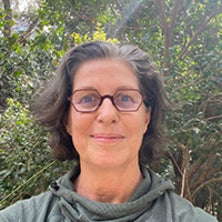
My lab's research is driven by a fascination with genomes that carry within them endless, brilliant solutions forged by evolution over millions of years in response to a constantly changing planet. We tap into this to learn how the genomes of coral reef invertebrates and their bacterial symbionts interact with each other, and with the environment, throughout their life cycle. We study these gene-environment interactions in evolutionary and ecological contexts, using genomic, molecular and cellular approaches combined with behavioural ecology in natural populations.
We work often with embryonic and larval life history stages of indirect developers, as these stages are crucial to the maintenance and evolution of marine populations. Our current focus is around larval settlement and metamorphosis in the holobiont of the coral reef demosponge Amphimedon queenslandica. In recent years, our work has extended to functional genomic approaches to identify noval ways to control the coral reef pest, the Crown-of-Thorns starfish.
When not immersed in the molecular or computer lab, we are lucky enough to be immersed in the ocean, often in beautiful places!
Faculty of Health, Medicine and Behavioural Sciences
Availability:
Available for supervision
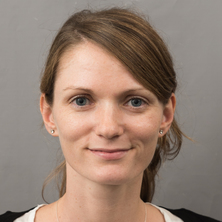
Dr Odette Leiter is a postdoctoral research fellow in the research group of Dr Tara Walker, investigating systemic brain rejuvenation. She was awarded a PhD in Neuroscience in 2018 by the Technische Universität Dresden in Germany. Her research focus lies on the regulation of adult hippocampal neurogenesis by physical exercise, a process critically involved in learning and memory.
To support her research at the Queensland Brain Institute, Dr Odette Leiter has received two postdoctoral fellowships, a postdoctoral fellowship from the German Academic Exchange Service, followed by a Walter Benjamin Fellowship awarded by the German Research Foundation, allowing her to investigate the role of platelets in mediating neurogenesis-related learning and memory, and the capacity of platelet-released factors to restore cognitive function in ageing. More recently, Dr Leiter has been awarded a Discovery Early Career Researcher Award (DECRA) to investigate the precise mechanisms through which platelets interact with adult hippocampal neural stem cells following exercise.
Faculty of Health, Medicine and Behavioural Sciences
Affiliate Senior Research Fellow of Queensland Brain Institute
Queensland Brain Institute
Faculty of Health, Medicine and Behavioural Sciences
Availability:
Available for supervision
Media expert
I am a biologist interested in the general question of how changes in developmental processes can lead to evolutionary variation and origin of complex traits (such as neural circuits). I study development and evolution of the brain of mammals. My doctoral thesis studied brain regions involved in olfactory and pheromonal communication in mammals. I discovered several events of parallel co-variation of sensory pathways in distantly related species sharing similar ecological niches, as cases of ontogenetic and phylogenetic plasticity. Currently, I study development and evolution of neocortical circuits by following two main lines of research: one aims to determine how early neuronal activity emerges during development and help shape brain connections, and the other one aims to understand what developmental processes led to evolutionary innovations in the mammalian brain. My research combines molecular development (electroporation, CRISPR), transcriptomics, sensory manipulations, neuroanatomy mapping (MRI, stereotaxic tracer injections, confocal and image analysis), optogenetics, and in vivo calcium imaging (multiphoton and widefield) in rodent pups and marsupial joeys.
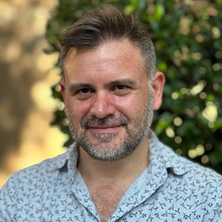
Valerio's current research is focused on coastal conservation and restoration. His work supports the Nature Repair Market (NRM) established by the Department of Climate Change, Energy, Environment, and Water (DCCEEW) and encompasses facilitating expert collaboration, developing best-practice guidelines for biodiversity assessment, and informing evidence-based policy for coastal restoration. He is also involved in the development of methods to assess biodiversity gains through time on oyster reef restoration projects using environmental DNA.
Originally from Ticino, an Italian-speaking region of Switzerland, Valerio had formerly a background in neuroengineering and molecular biology. He completed his BSc in Biology at the University of Lausanne (UNIL), Switzerland, and his MSc in Biology (with a focus on neuroscience) at the Swiss Federal Institute of Technology in Zurich (ETHZ), Switzerland. Despite growing up in the middle of the Alps, he has always had a fascination with marine life, which brought him to the University of Queensland to undertake his Master’s thesis as part of the Sensory Neurobiology group, studying the visual system of surgeonfish. Valerio completed his PhD as part of the Marine Sensory Ecology Lab at the University of Queensland, where he researched the development of colour vision and colouration in a coral reef fish family, applying cutting-edge technology such as CRISPR-Cas9 and single cell RNA sequencing, while also using behaviour paradigms, calibrated photography, phylogenetic comparative methods and bioinformatics.
Faculty of Health, Medicine and Behavioural Sciences
Availability:
Not available for supervision
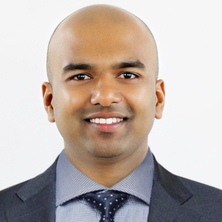
Dr. Akila Wijerathna-Yapa is an interdisciplinary Biotechnology scientist and Postdoctoral Research Fellow at the Frazer Institute, University of Queensland, with over 12 years of expertise spanning Biochemistry, Molecular Biology, and Bioinformatics. Holding a PhD in Biochemistry from The University of Western Australia, an MSc in Molecular Biology from The Hebrew University of Jerusalem, an MBA from the University of Staffordshire, and B.Sc. (Hons.) Sp. Biotechnology from The Wayamba University of Sri Lanka, he brings a rare combination of deep scientific expertise and strategic project management insight to the life sciences.
Dr. Wijerathna-Yapa's research is defined by his ability to integrate advanced technologies—including mass spectrometry-based proteomics, peptidomics, metabolomics, lipidomics, NMR spectroscopy, and transcriptomics—to unravel molecular complexities and translate multi-omics data into actionable insights. His work spans molecular biology, cell culture bioprocess optimisation, clinical biomarker discovery, and spatial biology, with postdoctoral experience at The University of Queensland and Dalhousie University, and collaborative partnerships with leading research institutions across Sri Lanka, China, Israel, Australia, and Canada.
With a strong foundation in advanced statistical data analysis and a proven track record in project management and scientific communication, Dr. Wijerathna-Yapa bridges the gap between scientific discovery and practical innovation. He has authored over 25 peer-reviewed publications and has been recognised with prestigious international awards including the Australian Government Global Talent Independent visa and fellowships from the Higher Education Academy (FHEA, UKPSF). He is passionate about leveraging interdisciplinary knowledge to drive transformative advancements in biotechnology and life sciences.