Faculty of Health, Medicine and Behavioural Sciences
Affiliate of UQ Poche Centre for Indigenous Health
UQ Poche Centre for Indigenous Health
Faculty of Health, Medicine and Behavioural Sciences
Availability:
Available for supervision
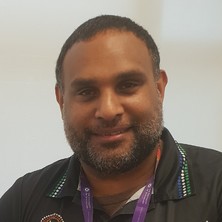
Dr Carl Francia (Saibai Koedal awgadhalayg) is a Torres Strait Islander physiotherapist and cardiovascular epidemiologist whose research focuses on improving cardiovascular health equity for Aboriginal and Torres Strait Islander peoples through Indigenous-led, community-partnered research.
Based at The University of Queensland's Poche Centre for Indigenous Health, Carl leads research examining acute rheumatic fever (ARF), rheumatic heart disease (RHD), cardiovascular health, health services, and implementation of evidence into policy and practice. His work combines epidemiology, health systems research, and community partnership approaches to support prevention, early detection, long-term management, and elimination of RHD.
Carl currently coordinates the NHMRC Synergy-funded iPreventRHD program, a national Indigenous-led research initiative focused on life-course approaches to preventing and managing RHD. He is also a Chief Investigator on an MRFF-funded project exploring cardiovascular health among First Nations women and girls and is involved in community-led climate and cardiovascular health initiatives in the Torres Strait.
Research interests include:
• Cardiovascular epidemiology and population health • Acute rheumatic fever and rheumatic heart disease • Indigenous health and health equity • Implementation science and health services research • Climate change and cardiovascular health • Indigenous Data Sovereignty and community-led research
Carl welcomes enquiries from Honours, Masters, and HDR students interested in Indigenous health, cardiovascular disease prevention, epidemiology, implementation science, health systems research, and community-partnered research.
Faculty of Health, Medicine and Behavioural Sciences
Availability:
Available for supervision
Media expert
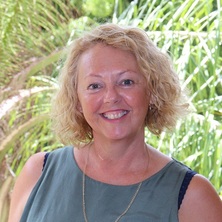
Professor Rae received her PhD in 2007 in the area of reproductive physiology and has been working in the area of Aboriginal and Torres Strait Islander maternal and infant health and chronic disease since that time. She began as the Group Lead for the Indigenous Health Research group at the Mater Research Institute in a role that bridges the Mater, University of QLD and is actively growing partnerships with the Aboriginal community-controlled health sector in QLD. The importance of maternal health for Indigenous communities has been identified as a critical national research priority by Indigenous communities. Her work has had a multidisciplicinary nature and while always focused on the health of Indigneous Australians she has published in areas including pregnancy and birth outcomes, nutrition, psychosocial health, growth and development during infancy, the use of arts in health education to name a few.She has a particular passion for working in partnership to co-design research projects that support improving health outcomes for Aboriginal and Torres Strait Islanders. Her specific focus has primarily been to develop programs that reduce chronic diseases which afflict Aboriginal people more commonly through early detection and diagnosis, health education, and developing a thorough understanding of risk factors that impact on this community. She has mentored her team of staff and students to co-produce and co-disseminate findings from these programs of work and to build research capacity for all team members including those who identify as Indigenous and for those from rural locations of research studies.
Prior to her role at Mater Research, she was the inaugaral Director of the Gomeroi gaaynggal program (2007-2019), which had two major programs of work 1. ArtsHealth for community engagement, health education and health promotion and 2. A Health research program for understanding the development of chronic disease in the Indigenous community through the Gomeroi gaaynggal cohort. Program 1 was successful in transitioning its funding to local Aboriginal community-controlled sector in Tamworth (2019). Prior to its transition, she led a community focussed ArtsHealth program to improve health knowledge, particularly in the areas of social and emotional wellbeing in the community, with the assistance of a team of beginning Indigenous researchers. Over 100,000 hours of community education were delivered through this program. 2. The Gomeroi gaaynggal cohort work has involved the recruitment and retention of a prospective longitudinal cohort of Indigenous women from pregnancy through until the infants are 10 years of age highlighting her expertise in working with Indigenous families during their antenatal and early childhood years. The importance of maternal health for this population is a critical priority to improving the life-long health of the Indigenous communities of Australia.