Queensland Alliance for Agriculture and Food Innovation
Availability:
Available for supervision
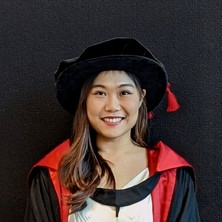
Dr. Ong is an exceptional and driven researcher in the field of Animal Health, and her work revolves around studying pathogen genomes, transcriptomes, and host-associated metagenomes to enhance animals' resistance to diseases and improve their overall health and productivity.
One remarkable aspect of Dr. Ong's expertise is her versatility and enthusiasm for both wet lab and dry lab (bioinformatics) work. She finds equal joy in conducting hands-on experiments in the wet lab and diving into data analysis and computational work in the bioinformatics domain. This multidisciplinary approach empowers her to gain comprehensive insights into her research subjects and tackle complex challenges from various angles. Dr. Ong's vast skillset encompasses molecular biology and expertise in utilizing 2nd and 3rd generation sequencing technologies, along with her proficiency in bioinformatics tools and techniques. This diverse knowledge allows her to explore and employ cutting-edge methodologies, providing her with a unique advantage in her research endeavors.
One of Dr. Ong's significant achievements was conducting the first cattle reproductive tract metagenomic study in Australia. This groundbreaking study likely contributed valuable information about the reproductive health of cattle and opened new avenues for further research in this area. Additionally, her contributions extend to the assembly of complete genomes for multiple pathogens, such as Campylobacter fetus and Bovicola ovis. This accomplishment is instrumental in understanding these pathogens' genetic makeup, evolution, and mechanisms of infection, which is vital in developing targeted strategies to combat diseases affecting animals.
In The Ortiz-Barrientos Lab we seek to understand how natural selection drives the origin of traits and new species. We combine empirical and theoretical approaches from across multiple disciplines.
We are located in beautiful Brisbane, Australia, in the School of The Environment at The University of Queensland.
Please explore our pages to learn about research, culture, and the team of scientists that bring their passion and creativity to discovering how nature works.
Affiliate of ARC Training Centre for Bioplastics and Biocomposites
ARC Training Centre for Bioplastics and Biocomposites
Faculty of Engineering, Architecture and Information Technology
Centre Manager – ARC Industrial Transformation Training Centre for Bioplastics and Biocomposites
School of Chemical Engineering
Faculty of Engineering, Architecture and Information Technology
Availability:
Not available for supervision
I have a strong interest in applied research, using information to improve policy. I have a broad interest in applying population genetics to the management of wild populations, particularly through a better understanding of dispersal.
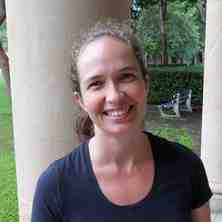
Dr Shapter's background was originally in Agricultural Science and higher education which evolved to the completion of her PhD in molecular genetics in 2008. Prior to her current appointments she was the senior researcher on ARC linkage, Australian Flora Foundation and RIRDC research grants looking at the genetic foundations of domestication and adaptation in Australian native grasses. She supervised two HDR students and has a strong publication record in this field. Her research interests centre on identifying and developing practical applications for gene sequencing. Fran is passionate about teaching and has worked as a facilitator commercially and trained early career researchers and PhD candidates in Project Management, IP and commercialisation and Leadership. She was a participant in the 2020 summit and was appointed to the federal advisory Rural R&D Council in 2009. Dr Shapter was also a sitting member of the Office of the Gene Technology Regulator's Ethics and Community Consultative Committee, 2016-2020.
Fran began tutoring at the UQ School of Veterinary Science in 2011, in large animal production, parasitology and microbiology. Since then she has held a variety of teaching, research and professional roles based around project management, curriculum design and blended learning design. She was the project manager for a Scholarship of Teaching and Learning (SoTL) grant which developed 40 vertically and horizontally integrated, online, adaptive tutorials for veterinary science students and was co-author on the manual developed by this project. She assisted with the development of a new flexible delivery laboratory animal science course in 2015 and delivers 5 weeks of online learning units into this course currently. She has been part of the SoTL research and evaluation associated with both these projects and has reported outcomes at University showcases annually since 2016.
In 2017 Fran became the new Student Clinical Skills Hub Coordinator, a purpose-built, state-of-the-art self-directed learning facility for students of veterinary science. Whilst undertaking this role student usage, resource availability and online support for the Hub has increased more than tenfold. Fran's aim is to provide a safe, authentic, self-directed learning environment where students can practice their clinical skills in accordance with individual competences, beyond the scheduled contact hours of their programs and further enhance their capacity for self-directed, lifelong learning whilst acknowledging the vast array of qualifications, previous training, life experience and cultural backgrounds each student brings with them to the Hub.In 2020 Fran recieved a UQ Teaching Excellence Award due to the demonstarted impact of the SVS Student Clinical Skills Hub.
In 2019 Fran was appointed as a Lecturer in Veterinary Science, while continuing her role as the Hub's coordinator. She continues to maintain her teaching roles into the veterinary program in animal handling, animal production, reproduction, microbiology, parasitology and plant identification. Fran has an additional role in the School with regard to asissting with the design, development and integration of blended learning resources, after working with the Science faculties blended learning design team in 2018. However her SoTL portfolio is best showcased by the development of the online learning community and training resources she has developed for the Student Clinical Skills Hub. As of June 2021, Fran has also taken on the role of the School of Veterinary Science Honours Program Coordinator.
Faculty of Health, Medicine and Behavioural Sciences
Affiliate Senior Research Fellow of Queensland Brain Institute
Queensland Brain Institute
Faculty of Health, Medicine and Behavioural Sciences
Availability:
Available for supervision
Media expert
I am a biologist interested in the general question of how changes in developmental processes can lead to evolutionary variation and origin of complex traits (such as neural circuits). I study development and evolution of the brain of mammals. My doctoral thesis studied brain regions involved in olfactory and pheromonal communication in mammals. I discovered several events of parallel co-variation of sensory pathways in distantly related species sharing similar ecological niches, as cases of ontogenetic and phylogenetic plasticity. Currently, I study development and evolution of neocortical circuits by following two main lines of research: one aims to determine how early neuronal activity emerges during development and help shape brain connections, and the other one aims to understand what developmental processes led to evolutionary innovations in the mammalian brain. My research combines molecular development (electroporation, CRISPR), transcriptomics, sensory manipulations, neuroanatomy mapping (MRI, stereotaxic tracer injections, confocal and image analysis), optogenetics, and in vivo calcium imaging (multiphoton and widefield) in rodent pups and marsupial joeys.
Valerio's current research is focused on coastal conservation and restoration. His work supports the Nature Repair Market (NRM) established by the Department of Climate Change, Energy, Environment, and Water (DCCEEW) and encompasses facilitating expert collaboration, developing best-practice guidelines for biodiversity assessment, and informing evidence-based policy for coastal restoration. He is also involved in the development of methods to assess biodiversity gains through time on oyster reef restoration projects using environmental DNA.
Originally from Ticino, an Italian-speaking region of Switzerland, Valerio had formerly a background in neuroengineering and molecular biology. He completed his BSc in Biology at the University of Lausanne (UNIL), Switzerland, and his MSc in Biology (with a focus on neuroscience) at the Swiss Federal Institute of Technology in Zurich (ETHZ), Switzerland. Despite growing up in the middle of the Alps, he has always had a fascination with marine life, which brought him to the University of Queensland to undertake his Master’s thesis as part of the Sensory Neurobiology group, studying the visual system of surgeonfish. Valerio completed his PhD as part of the Marine Sensory Ecology Lab at the University of Queensland, where he researched the development of colour vision and colouration in a coral reef fish family, applying cutting-edge technology such as CRISPR-Cas9 and single cell RNA sequencing, while also using behaviour paradigms, calibrated photography, phylogenetic comparative methods and bioinformatics.
My research interests are centred around the structure and function of venom and silk polypeptides produced by arthropods, and their use in biotechnology and medicine. I am a Postdoctoral Fellow in the King laboratory in the Institute for Molecular Bioscience, the University of Queensland, Australia. Currently, I am investigating the composition, function and evolution of neglected insect venoms produced by assassin bugs (Hemiptera: Reduviidae), robber flies (Diptera: Asilidae) and nettle caterpillars (Lepidoptera: Limacodidae).
I have a keen interest in the evolutionary relationships that underpin symbioses, particularly those involved in plant disease. There are countless examples of how diseases have impacted different crops throughout history, and this is an ongoing issue that deleteriously impacts food security. My research involves developing a better understanding of the epidemiology of plant diseases and pests, and delivering improved diagnostics and field management. Working with collaborators and international experts, my work involves research on a broad range of plants that are affected by bacteria, fungi, oomycetes, viruses, nematodes and arthropod pests. I have a strong interest in the biotic factors that govern soil health and the methods by which we can promote the development of beneficial microbial communities.