Mayne Professor and Head, Mayne Academy of General Practice
Medical School
Faculty of Health, Medicine and Behavioural Sciences
Head of GP Clinical Unit
Medical School (Greater Brisbane Clinical School)
Faculty of Health, Medicine and Behavioural Sciences
Availability:
Available for supervision
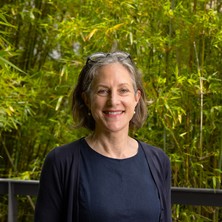
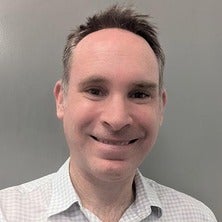
Katharine is Mayne Professor and Head of the Mayne Academy of General Practice and Head of the General Practice Clinical Unit at the University of Queensland Medical School. Katharine is a clinically active general practitioner and Fellow of the Australian College of Rural and Remote Medicine.
As a GP and researcher, Katharine is committed to translating evidence into practice and developing the evidence base for high-quality primary health care. Katharine’s main research interest is in safer prescribing in general practice to improve outcomes for patients. She co-leads the RELEASE (Redressing long-term antidepressant use) program of research.
Katharine’s career began with a degree in Medicine followed by a Master’s in Bioethics and Health Law, and then, bringing the skillsets together, a PhD focussed on patient safety in primary care.
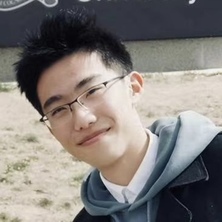
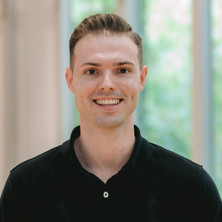
Yibo Wang is a Postdoctoral Research Fellow at the URBANiQ node within the Institute for Social Science Research (ISSR) at UQ. His current research focuses on urban mobility in relation to public health, with particular emphasis on carbon emissions, socio-demographic patterns, travel modes, heat exposure, and accessibility to health services and infrastructure.
Yibo has a strong interdisciplinary background spanning geographic information systems and mechatronic engineering. He obtained a BEng from BUAA, where he was involved in the design and development of LiDAR systems. He subsequently completed a MEng at ANU, further developing technical expertise in machine learning and computer vision. More recently, he was awarded a PhD from UQ with research focusing on the statistical characteristics of carbon emissions generated by urban travel activities and how these emissions are jointly shaped by household characteristics and the built environment.
Yibo’s combined experience in science and engineering has equipped him with expertise in the design, fabrication, and validation of advanced remote sensing systems, as well as in the analysis of large-scale datasets to inform applied research and policy. At ISSR, he continues to integrate and extend these skills, contributing to improved everyday mobility and public health outcomes in urban contexts.
Postdoctoral Research Fellow, Cancer Immunotherapy
Australian Institute for Bioengineering and Nanotechnology
Availability:
Available for supervision
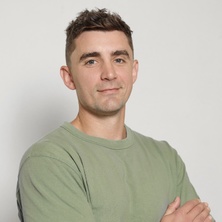
Dr Yanan Wang is a Postdoc at the Australian Institute for Bioengineering and Nanotechnology (AIBN), The University of Queensland. She obtained her PhD degree from Ocean University of China and joined AIBN in early 2026.
Dr Wang’s research focuses on the development of stimulus-responsive and targeted drug delivery systems for the treatment of acute organ injuries and inflammatory diseases. In addition, her current work also aims to develop engineering multifunctional nanomedicine for cancer immunotherapy, with particular interests in innate immune modulation, dendritic cell-mediated antitumour immunity, and the tumour immunosuppressive microenvironment reprogramming for enhancing cancer treatment.
Dr Wang has published 23 papers in international top refereed journals such as ACS Nano, Advanced science, Biomaterials, Chemical Engineering Journal, and so on.
Faculty of Health, Medicine and Behavioural Sciences
Conjoint Professor
School of Health and Rehabilitation Sciences
Faculty of Health, Medicine and Behavioural Sciences
Professor in Speech Pathology
School of Health and Rehabilitation Sciences
Faculty of Health, Medicine and Behavioural Sciences
Availability:
Available for supervision
Media expert
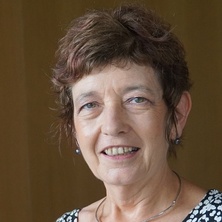
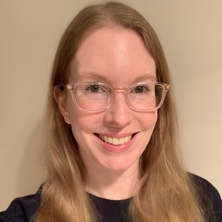
Prof Ward's research program has focused on adult acute services, including head and neck cancer management, critical care, and general dysphagia management. She conducts research into improving services, evaluating new models of care and new workforce models, digital service delivery models eg., telehealth, as well as clinical training models eg., simulation. Liz is also engaged in exploring the role and benefits of the clinician-researcher workforce within health services.
Prof Ward currently holds a joint position as the Director of the Centre for Functioning and Health (CFAHR), in Metro South Hospital and Health Service, Queensland Health, and, Conjoint Professor with the School of Health and Rehabilitation Sciences, The University of Queensland. Her research has a clinical focus with particular emphasis on projects designed to improve patient outcomes within health services. She has published extensively with over 450 publications to date and has a track record of competitive grant funding across a number of research fields. Liz has been awarded multiple UQ teaching awards and has supervised >40 students to successful completion of their research higher degree. In 2014 Liz was awarded the title of Fellow of Speech Pathology Australia in recognition of her contributions to the profession.
Faculty of Health, Medicine and Behavioural Sciences
Director, UQ Poche Centre
Faculty of Health, Medicine and Behavioural Sciences
Affiliate of ARC COE for Indigenous Futures
ARC COE for Indigenous Futures
Faculty of Business, Economics and Law
Availability:
Available for supervision
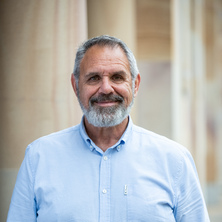
Professor James Ward is a Pitjantjatjara and Narungga man, and a national leader in Aboriginal and Torres Strait Islander research. He is currently the Director of the Poche Centre for Indigenous Health at the University of Queensland. As such he leads a research program focused on urban Aboriginal and Torres Strait Islander health and an infectious diseases research program and associated issues. Having held various roles in Aboriginal public health policy for both government and non-government organisations, in 2007 he was appointed as the Inaugural Program Head of the Aboriginal Program at the Kirby Institute, University of New South Wales. In 2012 he moved to Alice Springs to become Deputy Director of the Baker Institutes' Aboriginal Health Program, after which he joined the South Australian Health and Medical Research Institute. James has been awarded funding applications totalling $23M since 2013; including $7.14M as CIA on NHMRC funded grants and has authored 160 publications. He has led national research projects on health services research http://cre-ash.org.au/participating-sites/clinical-hubs/; in health promotion www.youngdeadlyfree.org.au; and methamphetamines https://wecandothis.com.au/ to name a few.
His work has influenced policy and practice significantly contributing to national guidelines, policy and practice. During 2020 he has contributed to the national COVID—19 response nationally through membership of the Communicable Diseases Network of Australia and the National Aboriginal and Torres Strait Islander COVID-19 Taskforce.
Faculty of Health, Medicine and Behavioural Sciences
Mayne Associate Professor and Head, Mayne Academy of Psychiatry
Medical School
Faculty of Health, Medicine and Behavioural Sciences
Availability:
Available for supervision
Media expert
Nicola Warren is the Head of Psychiatry and the Director of Queensland Centre for Mental Health Research (QCMHR). In 2018, she established the Neuropsychiatric Service at Metro South Health focusing on the psychiatric care of those with severe movement disorders, epilepsy and autoimmune encephalitis and continues working clinically. She has undertaken a PhD in psychiatric clinical decision making in anti-NMDAR encephalitis and has been an international and national invited speaker in the area of autoimmune encephalitis. Nicola was awarded the Australian fellowship to the World Psychiatric Association 2020 and the Royal Australian and New Zealand College of Psychiatrists Early Career Psychiatrist in 2019.
Qualifications
Doctor of Philosophy, The University of Queensland
Fellow of the Aus & NZ College of Psychiatrists (Certificate Consultation Liaison Psychiatry)
Bachelor of Medicine and Bachelor of Surgery, James Cook University
Affiliate of Australian Women's and Girls' Health Research Centre
Australian Women and Girls' Health Research Centre
Faculty of Health, Medicine and Behavioural Sciences
Research Program Manager
School of Public Health
Faculty of Health, Medicine and Behavioural Sciences
Availability:
Available for supervision
Maiden name: Ellen Maree Leslie
Dr Ellen Wessel is a Research Fellow in the School of Public Health, with backgrounds in both public health and criminology. Her research interests include women's health, alcohol and other drug use, and policing.
Faculty of Health, Medicine and Behavioural Sciences
Affiliate of ARC COE for Children and Families Over the Lifecourse
ARC COE for Children and Families Over the Lifecourse
Faculty of Humanities, Arts and Social Sciences
Affiliate of Health and Wellbeing Centre for Research Innovation
Health and Wellbeing Centre for Research Innovation
Faculty of Health, Medicine and Behavioural Sciences
Affiliate of Centre for Sport and Society
Centre for Sport and Society
Faculty of Health, Medicine and Behavioural Sciences
Senior Lecturer
School of Human Movement and Nutrition Sciences
Faculty of Health, Medicine and Behavioural Sciences
Availability:
Available for supervision
Media expert
Dr Wheeler is a proud Ngarabal person and Accredited Exercise Scientist (ESSA). Dr Wheeler specilises in implementation science in partnership with Aboriginal and Torres Strait Islander peoples and communities.
Dr Wheeler was the first Aboriginal person to graduate with a PhD from the University of the Sunshine Coast.
Dr Wheeler’s research examines how Aboriginal and Torres Strait Islander communities can co-design programs that build community capacity and engage children and young peoples in a broad range of development areas. Dr Wheeler’s research strengths consist co-designing physical movement-based programs, ensuring a trauma informed and culturally-responsive approach towards community engagement and empowerment.
Dr Wheeler has led high performing teams working on education programs that support Aboriginal and Torres Strait Islander families through a strength-based and holistic framework. Extending this work, Dr Wheeler's research focuses on developing the Aboriginal and Torres Strait Islander workforce to better address the complex health needs of community. Dr Wheeler has provided FIrst Nations leadership to a range of projects that have catered for the diversity of Aboriginal and Torres Strait Islander communities, and through this experience has partnered to deliver diverse governance solutions and educational engagement frameworks.
Dr Wheeler also specialises in biomechanics, sport analytics and performance analysis as well as strength and conditioning research. Dr Wheeler works currently with a range of sporting organisations to implement best-practice sport servicing, testing and athlete management to achieve excellence. Dr Wheeler is the lead researcher in partnership with Indigenous Basketball Australia. Dr Wheeler has worked with a variety of professional sporting organisations and teams such as the Wallabies, Brumbies Rugby and World Rugby as well as the Australian Institute of Sport, Canberra Raiders, Canberra Comets, Canberra Meteors and GWS Giants. Dr Wheeler co-design training programs to promote optimal performance in a range of sports. Dr Wheeler is a passionate about how sport and exercise can be used to enrich community as well as health and wellbeing for Aboriginal and Torres Strait Islander peoples.
Dr Wheeler is the Chair of the ESSA Aboriginal and Torres Strait Islander Strategy Working Group for Exercise and Sport Science Australia.
Dr Wheeler is the Director of Aboriginal and Torres Strait Islander Strategy for the School of Human Movement and Nutrition Sciences.
Dr Wheeler is the Program Convenor for Bachelor of Exercise and Sport Sciences, the University of Queensland.
Dr Wheeler was named in the top 52 Aboriginal and Torres Strait Islander people changing the world from COSMOS.
Awards
2022 Aboriginal and Torres Strait Islander Scientist Award from the Australian Academy of Science
2022 LSQ Merck Life Science Rural and Regional Service Award from Life Sciences Queensland
2020 Accredited Exercise Scientist of the Year Award from Exercise and Sport Science Australia
2021 Science Peoples Choice Award from National Science Week
2021 Outreach Award from National Science Week
2020 Science Leadership Excellence Award from National Science Week
2017 NAIDOC Award from Fraser Coast NAIDOC Committee
Affiliate of Centre for Living Experience Research
Centre for Living Experience Research
Faculty of Health, Medicine and Behavioural Sciences
Affiliate of Centre for Motor Neuron Disease Research
Centre for Motor Neuron Disease Research
Faculty of Health, Medicine and Behavioural Sciences
Senior Lecturer
School of Health and Rehabilitation Sciences
Faculty of Health, Medicine and Behavioural Sciences
Availability:
Available for supervision
Media expert
Brooke-Mai is a Senior Lecturer in Speech Pathology and a Certified Practicing Speech Pathologist. Her research interests include the rehabilitation of motor speech disorders, brain mechanisms underpinning speech recovery, and the application of telerehabilitation to improve access to speech pathology services.
Affiliate of University of Queensland Centre for Hearing Research (CHEAR)
Centre for Hearing Research
Faculty of Health, Medicine and Behavioural Sciences
Affiliate of Centre for Neurorehabilitation, Ageing and Balance Research
Centre for Neurorehabilitation, Ageing and Balance Research
Faculty of Health, Medicine and Behavioural Sciences
Senior Lecturer
School of Health and Rehabilitation Sciences
Faculty of Health, Medicine and Behavioural Sciences
Availability:
Available for supervision
Media expert
I am a physiotherapist with a clinical specialty in the management of individuals with neurological conditions and vestibular disorders. I have a keen interest in examining how the body's balance systems, including the inner ear (vestibular system), eyes (ocular system), and sensory modalities (touch, proprioception), interact with the brain to optimize movement control, functionality, physical activity, and participation outcomes for individuals affected by neurological and vestibular pathologies. This includes conditions such as multiple sclerosis, cerebellar dysfunction, traumatic brain injury, stroke, Parkinson's disease, myasthenia gravis, motor neuron disease, concussion, Meniere's disease, vestibular migraines, acoustic neuromas, and age-related vestibular dysfunction. Additionally, I am interested in the influence of lifestyle choices on vestibular system functioning and integration, particularly how factors such as physical activity, community integration, sleep, and overall wellness affect both neurological and vestibular conditions, including Meniere's disease, vestibular migraines, and age-related vestibular dysfunction.
Faculty of Health, Medicine and Behavioural Sciences
Availability:
Available for supervision
Dr Maddie Williams is a full-time Lecturer in Research at the University of Queensland's Rural Clinical School. She joined the University of Queensland in January 2025 and is based at the Bundaberg Clinical Unit.
Maddie was born and raised in regional Queensland and holds a Bachelor of Biomedical Science from the University of the Sunshine Coast, a Bachelor of Pharmaceutical Science, and a Master of Science by Research in Clinical and Molecular Microbiology from Griffith University.
Upon completing her master's research, Maddie returned to her hometown, where she worked in the health sector before completing her PhD at the University of Queensland's Rural Clinical School through a Research Training Program Scholarship. Her PhD research focused on improving access to primary care in regional, rural, and remote Australian communities.
Maddie is also a strong advocate for quality health care. She is Chair of the Wide Bay Hospital and Health Service (WBHHS) Research Consumer Advisory Group and serves as a consumer representative on the WBHHS Research Council. She works to ensure consumers have a voice in the planning, implementation, and evaluation of health policy, programs, and services, helping to achieve better health outcomes.
Faculty of Health, Medicine and Behavioural Sciences
Availability:
Available for supervision
Media expert
I'm a cognitive neuroscientist working to understand the neurobiology of language and use that knowledge to improve outcomes for people with aphasia.
I lead the Language Neuroscience Laboratory, where our research spans three themes:
the neuroanatomy of the language network—how language is represented in the brain and localised in individuals
functional reorganisation in neurological patients, especially recovery from aphasia after stroke
developing aphasia assessments that are practical in fast-paced healthcare settings, ecologically valid, psychometrically sound, multilingual, and free.
Faculty of Health, Medicine and Behavioural Sciences
Availability:
Available for supervision
James Woodforde is a lecturer in the School of Human Movement and Nutrition Sciences at The University of Queensland. His research centres on physical activity in children and young people, with a specific focus on the school setting. James’s PhD research examined physical activity in the before-school segment, drawing on a variety of data sources and engaging with school stakeholders to develop a comprehensive understanding of physical activity patterns and influences during this time of day.
Faculty of Health, Medicine and Behavioural Sciences
Availability:
Available for supervision
Associate Professor Carl Woods is a theoretical skill acquisition scientist, studying human-environment interactions at the intersection of sport science, ecological psychology and social anthropology. In addition to his appointment at the University of Queensland, he is the Learning Design Lead at the Queensland Academy of Sport, and Learning Design National Discipline Lead for Australian Athletics.
Carl has a unique blend of theoretical and applied experiences, having held research leadership positions within the Institute for Health and Sport at Victoria University, while coordinating coaching science, skill acquisition, and innovation within the Australian Football League.
Given these diverse experiences, his research spans three major themes: 1) theoretical advancements to the field of sport science; 2) exploring ways of fostering human-environment interactions through the promotion of ecologically literate behaviour; 3) addressing practical challenges in sport related to performance preparation, practice task design, and coach education.
Affiliate of Centre for the Business and Economics of Health
Centre for the Business and Economics of Health
Faculty of Business, Economics and Law
Senior Research Fellow
Medical School
Faculty of Health, Medicine and Behavioural Sciences
Availability:
Available for supervision
Dr Lee Woods is an internationally recognised leader in digital health workforce capability and education, and practising Registered Nurse in primary care. She is Senior Research Fellow and Lead of the Workforce & Education Team at the Queensland Digital Health Centre (QDHeC), University of Queensland. Her academic qualifications include a Bachelor of Nursing (2005), Graduate Certificates in Clinical Nursing (2009) and Research (2019), First Class Honours (2015), and a PhD (2019). She also completed a four-year Fellowship by Training with the Australasian Institute of Digital Health (2021) and advanced co-design and design thinking training through the University of Sydney and the European Institute of Innovation and Technology (2016–2017).
Dr Woods has an H-index of 17, more than 790 citations, and has secured over AUD$2.9M in research funding. She leads an interdisciplinary team of 4 researchers and 6 doctoral students, with supervision completions including 1 PhD, 2 Masters, and 1 Honours. She served as Guest Editor for the Australian Journal of Rural Health special issue on digital interventions (2024).
Her leadership includes major projects such as the Queensland Health digital maturity assessment, which informed the refresh of Queensland’s state-wide digital health strategy Digital Health 2031 and measured 165 health services representing 56,000 consumers. She also helped lead the Embedding Digital Health Education into Health Degrees initiative, a global first in establishing a nationally agreed core curriculum for pre-registration health degrees. Dr Woods co-authored two national workforce strategies and co-developed Australia’s first health workforce fellowship program in digital health.
She is a Fellow of the Australasian Institute of Digital Health, was the Chair of the National Digital Health Early to Mid Career Conference (2024) and holds advisory roles in digital health education and research across Australia. Her contributions have been recognised through awards for industry engagement, service, and diversity, and she was selected to meet with Ministers of Parliament in Canberra (2023). Internationally, Dr Woods represents Australia on the International Medical Informatics Association Nursing Informatics Society and leads an AU–UK partnership to develop an AI literacy career framework for healthcare workers. She will deliver a keynote at the Perioperative Nurses International Conference (2026).
Affiliate Member of Centre for Community Health and Wellbeing
Centre for Community Health and Wellbeing
Faculty of Health, Medicine and Behavioural Sciences
Senior Lecturer
School of Human Movement and Nutrition Sciences
Faculty of Health, Medicine and Behavioural Sciences
Availability:
Available for supervision
Olivia is a Senior Lecturer in Nutrition and Dietetics and Director of Teaching and Learning at the School of Human Movement and Nutrition Sciences, The University of Queensland.
Her work sits at the intersection of nutrition science, Indigenous food systems, the microbiome and interprofessional practice, with a focus on nutritional resilience, food sovereignty and personalised nutrition. She leads a coherent program of research examining how dietary patterns and food environments shape microbiome resilience and health outcomes, and how this knowledge can be translated into culturally safe practice, education and policy.
This program integrates culinary nutrition, chronic disease prevention, Indigenous bush‑food and food sovereignty projects, and AI‑enabled analysis to improve the lived experience of patients, students and communities. Olivia has published widely in nutrition science and dietetics and works in partnership with First Nations communities, industry and government to advance understanding of how food systems can support health, equity and cultural continuity.
As a recognised leader in teaching and learning innovation, Olivia plays a central role in shaping the next generation of dietitians and health professionals. She integrates AI, cultural safety, Indigenous methodologies and inclusive design into her teaching to strengthen student confidence, belonging and leadership, intentionally bridging education, research and community engagement so that evidence supports community‑led solutions and real‑world impact across health systems and society.
Charlotte Young is a research fellow at the Institute for Social Science Research at The University of Queensland. Charlotte is a qualitative researcher with interdisciplinary interests spanning sociology, public health, health promotion, and migration studies. Her research focuses on the systemic drivers of migrant health inequities and how they can be redressed. Charlotte is also interested in the ways migrants adapt and respond to systemic and structural drivers of inequity. Recently, she has been exploring how the COVID-19 pandemic has impacted migrant and refugee background tertiary students and how young culturally and linguistically diverse social media influencers have been promoting COVID-safe behaviours online. Charlotte also explores immigrant organisations as critical settings to influence health and wellbeing. She is passionate about producing impactful research to affect positive change and tackling migrant health problems in solidarity with the communities they affect. Charlotte also has experience conducting evaluation research for large-scale health interventions.
Faculty of Health, Medicine and Behavioural Sciences
Availability:
Not available for supervision
Media expert
I am an Advanced Accredited Practicing Dietitian (AdvAPD), and currently hold positions at the Royal Brisbane and Women’s Hospital (Research Coordinator, Nutrition and Dietetics), and University of Queensland (Senior Research Fellow, Centre for Health Services Research).
My research program aims to improve nutrition care in Australian hospitals to prevent avoidable hospital-acquired complications and optimise patient outcomes, particularly for older inpatients. My research program consists of extensive observational research to establish the size and impact of the problem, qualitative research to understand patient, caregiver and staff perspectives and opportunities, and pragmatic implementation research to test, compare and evaluate different models of nutrition care in practice. Through my research, I am to improve care of people accessing health services across the continuum of care, with a particular interest in frailty, preventing delirium and functional decline, and person-centred care.
My research has been of interest nationally and internationally, receiving Research in Practice awards at national Dietitians Australia conferences, Young Achiever Award by the Dietitians Association of Australia in 2014 and New Researcher Award at the International Congress of Dietetics in 2012. My leadership and contribution to the dietetics profession was recently recognised through receiving the prestigious Barbara Chester Memorial Award.
I have an interest and developing expertise in consumer engagement in research and health service improvement, and I am regularly asked to speak on this topic at conferences, forums and panel discussions. I am proud of work I co-led with a health consumer to develop a co-design framework in Metro North Health. This framework is freely available online for anyone to use: https://metronorth.health.qld.gov.au/get-involved/co-design.
I am an implementation scientist and have facilitated workshops on this topic at UQ, QUT, University of Adelaide and Metro North HHS within a team of local and international experts. I was part of the team that developed the Allied Health Translating Research into Practice (AH-TRIP) initiative, which aims to increase knowledge translation capacity for health professionals. https://www.health.qld.gov.au/clinical-practice/database-tools/translating-research-into-practice-trip/translating-research-into-practice.
As a passionate advocate for the training and career pathways for clinician-scientists, I have supervised 3 PhDs to completion, and is currently supervising 6 research higher degree candidates (5 of whom are embedded health professionals within the health system), 4 early career research fellows and nearly 40 dietetics research honours students.