Faculty of Health, Medicine and Behavioural Sciences
Director Teaching and Learning of School of Biomedical Sciences
School of Biomedical Sciences
Faculty of Health, Medicine and Behavioural Sciences
Associate Professor
School of Biomedical Sciences
Faculty of Health, Medicine and Behavioural Sciences
Availability:
Not available for supervision
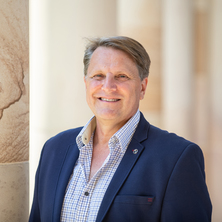
Stephen is a physiologist with expertise in endocrinology whose research examines how hormones regulate metabolism, growth, appetite, and reproduction. He works closely with animal nutritionists and veterinary clinicians on challenges in animal health and production, with current research focused on phosphorus deficiency in Australian cattle.
Alongside his scientific work, Stephen is a recognised educational leader with strengths in teaching strategy, curriculum renewal, and student success. As Director of Teaching and Learning in the School of Biomedical Sciences (2019–2024), he led the School’s response to COVID-19, receiving a UQ Service Excellence commendation and the Faculty of Medicine Academic Leader of the Year award. He has guided the renewal of the UQ Bachelor of Biomedical Science, shaping a future-focused program that strengthens student engagement, belonging, and graduate capability. His leadership has also influenced biomedical science education nationally and internationally through school–university pathways, curriculum reviews, science communication projects, and the development of physiology MOOCs. He was recently awarded a Senior Fellowship of the Higher Education Academy.
Stephen’s educational leadership is grounded in extensive teaching experience. He has taught physiology to more than 40,000 students across biomedical, health, animal, and veterinary programs, earning multiple teaching awards including a national ALTC Citation. His educational research focuses on how students learn complex concepts in physiology, particularly in contexts involving uncertainty and integration. Reappointed in 2025 as Director of Teaching and Learning in Biomedical Sciences, he also serves as interim Deputy Associate Dean (Academic) for Student Experience and Success in the Faculty of Health, Medicine and Behavioural Sciences.
Faculty of Health, Medicine and Behavioural Sciences
Availability:
Available for supervision
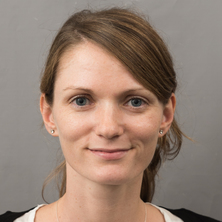
Dr Odette Leiter is a neuroscientist at the Queensland Brain Institute whose research focuses on understanding the molecular and systemic mechanisms that regulate adult hippocampal neurogenesis during exercise, brain ageing and cognitive decline. Her work has advanced understanding of how blood-borne factors influence brain plasticity and cognitive function across the lifespan, with particular expertise in blood-brain communication during exercise and ageing.
She has made significant contributions to the discovery and characterisation of platelet-derived exerkines, circulating factors released in response to exercise that promote neurogenesis and improve cognitive function. Her research has also helped establish the trace element selenium as an important mediator of exercise-induced neurogenesis, cognitive recovery following stroke, and ferroptosis-related mechanisms associated with brain ageing.
As an ARC DECRA Fellow, Dr Leiter leads an independent research program investigating systemic regulators of brain ageing and cognitive resilience. Her current research examines how age-related alterations in peripheral and molecular signalling influence adult neural stem cell function, brain plasticity and cognitive ageing, with the goal of identifying novel strategies to maitain brain health throughout life.
Affiliate of Centre for Cardiovascular Health and Research
Centre for Cardiovascular Health and Research
Faculty of Health, Medicine and Behavioural Sciences
Affiliate Senior Research Fellow of School of Biomedical Sciences
School of Biomedical Sciences
Faculty of Health, Medicine and Behavioural Sciences
Affiliate of The Centre for Cell Biology of Chronic Disease
Centre for Cell Biology of Chronic Disease
Institute for Molecular Bioscience
Availability:
Available for supervision
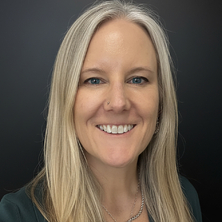
Dr Melanie White heads the Dynamics of Morphogenesis Lab at the Institute for Molecular Bioscience (IMB), University of Queensland and is an ARC Future Fellow. She completed a PhD in Neuroscience at University College London followed by postdoctoral research at The University of Edinburgh. During this time Mel engineered viruses to modulate gene expression in the brain to investigate neuronal function and as a therapeutic approach for neurodegenerative disease. Her work was published in Neuron and PNAS, featured in Nature Reviews Neuroscience and received extensive international media coverage (including the BBC and The Guardian).
In 2012 Mel switched fields to apply quantitative imaging in developmental biology. Her work revealed key mechanisms driving the earliest morphogenetic events in mammalian embryogenesis and was published in Cell, Science, Nature Cell Biology, Developmental Cell and Nature Protocols. Her research was featured on the cover of multiple journals including Cell and she was awarded the inaugural American Society for Cell Biology Porter Prize for Research Excellence (2018).
In 2020, Mel joined the IMB where she will combine her passion for neuroscience and developmental biology to investigate the dynamics of neural tube morphogenesis.
Research overview
The brain and the spinal cord control most of the functions of the body and the mind, yet the dynamics of how they first form is poorly understood. Both structures arise from a common precursor, the neural tube, which forms very early in embryonic development. To generate the forces that sculpt and shape the neural tube, changes in cellular architecture must be tightly coordinated in space and time. These morphological rearrangements occur concurrently with biochemical signalling pathways that specify early neural cell fates.
Our research aims to understand how cellular properties and transcriptional regulators interact with mechanical forces in real time to direct vertebrate neural tube formation and neural cell fate specification. We study the dynamics of neural tube formation by applying advanced imaging technologies in transgenic avian models and human stem cell models.