Faculty of Health, Medicine and Behavioural Sciences
Availability:
Available for supervision
Media expert
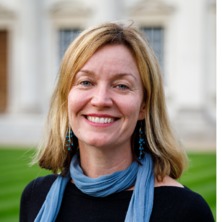
Katherine Cullerton is an Associate Professor in the School of Public Health. She joined the School in 2018 following postdoctoral research at the MRC Epidemiology Unit, University of Cambridge, UK, where her work explored the question of whether, and under what circumstances, it is appropriate for nutrition researchers to engage with the food industry. Katherine’s current research focuses on understanding why evidence does not consistently inform public policy. In particular, she examines the strategies employed by the corporate sector to influence policy and investigates how public health advocates can more effectively shape policy outcomes in Australia, with a special emphasis on the roles of framing and public opinion.
A/Prof Cullerton is also the Co-Program Director for the Master of Public Health.
Faculty of Health, Medicine and Behavioural Sciences
Research Fellow
School of Health and Rehabilitation Sciences
Faculty of Health, Medicine and Behavioural Sciences
Availability:
Available for supervision
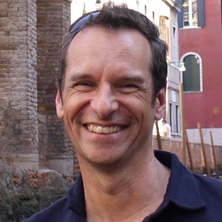
Dr Jonathan Davies is a chronic pain researcher working to improve how pain is understood, assessed and treated. His research focuses on pain phenotyping, precision pain care, and the psychological, physiological and contextual factors that shape pain and treatment response.
At UQ’s Centre for Innovation in Pain and Health Research, he contributes to DISCERN, an NHMRC Synergy-funded multidisciplinary research program developing and validating new approaches to pain assessment. A major focus of his work is DECIPHER PAIN, a standardised, multimodal tool designed to characterise the relative contributions of nociceptive, neuropathic and nociplastic pain and support more personalised care.
His research integrates clinical assessment, quantitative sensory testing, experimental pain methods, psychophysiology, digital health and population data. He is particularly interested in how physiological signals, behaviour, language, psychosocial context and real-world health data can be combined to better understand individual differences in pain and treatment outcomes.
His broader expertise includes placebo and nocebo effects, mindfulness, mental health, quality of life, health outcome measurement and population health. His work aims to support more precise, scalable and patient-centred approaches to pain research and care.
Faculty of Health, Medicine and Behavioural Sciences
Availability:
Available for supervision
Media expert
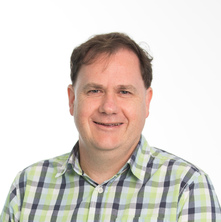
Professor Christian Gericke is a Neurologist and Public Health Physician. He directs the Canberra Specialist Epilepsy Centre at Deakin Private Hospital in Canberra and consults at Cadogan Medical in Brisbane.
He is Clinical Professor of Medicine at the Australian National University, Honorary Professor of Public Health at the University of Queensland, Convener of the Specialist Medical Review Council (SMRC) for the Australian Government and Visiting Scholar at the Uehiro Oxford Institute, University of Oxford. He regularly acts as an Independent Medical Expert for the Supreme Courts and the Coroners Courts in all Australian jurisdictions and for the High Court of Justice in England (King's Bench).
Previously, he worked as an academic neurologist at Calvary Mater Newcastle, the Prince Charles Hospital in Brisbane, King’s College Hospital in London, and Sheffield Teaching Hospitals.
After graduating from medical school in Berlin, he trained in neurology at the Charité, followed by fellowships in adult and paediatric epilepsy in Strasbourg and Geneva. He holds two research doctorates and master's degrees from the University of Cambridge, the London School of Economics and the University of Melbourne.
He chairs the Neuroepidemiology Section of the American Academy of Neurology (AAN) and serves on the International League against Epilepsy (ILAE) Standards and Best Practice Council.
Faculty of Health, Medicine and Behavioural Sciences
Availability:
Available for supervision
Associate Professor Matthew McGrail is the Head of Regional Training Hubs research at UQ’s Rural Clinical School. Joining UQ in Nov 2017, he is based at the Rockhampton Clinical Unit, and he is chair of the research and evaluation working group of UQ’s Regional Medical Pathway as well as chair of UQ RCS’s medical graduate cohort longitudinal tracking study (UQ MediCoS). He is widely known for co-developing Australia's Modified Monash Model rurality classification, applied to most health research and policies.
Matthew has a particular interest in the ongoing concerns with medical workforce distribution, connecting that through his research and evaluation to health policies, training pathways and healthcare systems. To date he has been a chief investigator on two separate Centres of Research Excellence, one on medical workforce dynamics and the other on rural and remote primary health care access. He has also co-researched with various GP training organisations, specialty colleges, rural workforce agencies, as well as state and commonwealth health departments
Matthew has worked in the university sector for over 25 years, working mostly as a researcher in rural health. He was originally trained as a statistician, expanding his skills across GIS and software development, completing his PhD in 2008. He has been lead biostatistician on 3 large NHMRC-funded RCTs that are published in the world-leading general medical journal, the Lancet. Matthew’s research is mostly centred on improved access to health care for rural populations, mainly focused in the medical sector. He has a unique blend of ‘generalist’ research skills and experience across the disciplines of statistics, geography, rural health, econometrics, public health and clinical research.