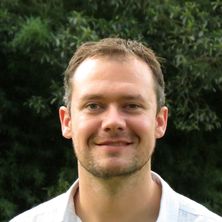
Paul Dennis leads an exciting research group that applies cutting-edge technologies to understand the roles of microorganisms and their responses to environmental change.
He is also a passionate educator and public speaker who advocates for the importance of biological diversity and evidence-based environmental awareness. He has talked about his research on ABC Radio and a range of other media outlets.
His teaching covers aspects of ecology, microbiology, plant and soil science, and climatology. He considers these topics to be of fundamental importance for the development of more sustainable societies and takes pride in helping others to obtain the knowledge and skills they need to build a better future.
Paul's research has taken him to Antarctica, the Amazon Rainforest, high mountains and oceans. The approaches used in his lab draw on a wide range of expertise in molecular biology, ecology, statistics, computer science, advanced imaging and soil science. He applies these skills to a wide-range of topics and systems including plant-microbe interactions, Antarctic marine and terrestrial ecology, biogeography, pollution and human health.
Australian Institute for Bioengineering and Nanotechnology
Availability:
Available for supervision
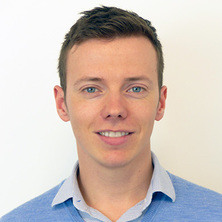
Dr Aleksandr Kakinen is an NHMRC Emerging Leadership Fellow (EL1) at AIBN, UQ. His research investigates how protein aggregation, inflammation, and infection contribute to neurodegenerative diseases, particularly Alzheimer’s and Parkinson’s disease.
His work focuses on amyloid proteins — misfolded proteins that assemble into toxic aggregates in the brain — and how these assemblies interact with inflammatory and microbial factors to influence disease progression. He combines approaches from biophysics, structural biology, molecular neuroscience, neuroinflammation, and nanomedicine to understand disease mechanisms and identify new therapeutic opportunities.
Dr Kakinen’s research program includes:
amyloid aggregation and cross-seeding mechanisms
infection- and inflammation-driven neurodegeneration
structural and biological diversity of amyloid assemblies
neuroinflammatory responses in neuronal and microglial models
brain-targeted delivery of neuroprotective molecules and peptides
He has authored over 65 peer-reviewed publications in leading journals, including Nature Communications, Advanced Science, ACS Nano, and Chemical Reviews. His current work aims to link fundamental mechanisms of protein aggregation with translational strategies for diagnosis, prevention, and treatment of neurodegenerative diseases.