Affiliate Professor of School of Biomedical Sciences
School of Biomedical Sciences
Faculty of Health, Medicine and Behavioural Sciences
Affiliate of Centre for Cardiovascular Health and Research
Centre for Cardiovascular Health and Research
Faculty of Health, Medicine and Behavioural Sciences
Affiliate of The Centre for Cell Biology of Chronic Disease
Centre for Cell Biology of Chronic Disease
Institute for Molecular Bioscience
National Heart Foundation of Australia Future Leader Fellow - Group Leader
Institute for Molecular Bioscience
Availability:
Available for supervision
Media expert
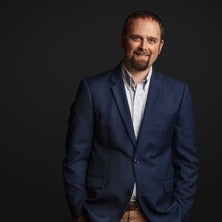
Professor Nathan Palpant is a cardiovascular scientist whose research integrates human genetics, computational genomics, stem-cell biology and drug discovery to understand the mechanisms of cardiovascular disease and translate these discoveries into new diagnostics and therapies.
His research focuses on why individuals differ in their susceptibility to heart disease, severity of myocardial injury and response to treatment. His laboratory studies inherited and environmental determinants of cardiovascular disease using population-scale genomics, human pluripotent stem-cell models and experimental models of cardiac injury. Major areas of research include myocardial infarction and cardioprotection, heart failure, inherited cardiovascular disease, cardiometabolic disease, complex-disease subtyping and precision medicine.
His research aims to connect fundamental discovery with clinical and commercial translation. His laboratory identified ASIC1a as a therapeutic target for myocardial injury, leading to first-in-class cardioprotective therapeutics now undergoing clinical development through Infensa Bioscience. He has also established Rosella Therapeutics to develop a new class of macrocyclic peptide therapeutics targeting cardiac muscle function to treat heart failure.
His broader research program develops genomic approaches for resolving biological subtypes of complex disease, functional genomics approaches for interpreting rare cardiovascular disease variants, and human stem-cell platforms for understanding genetic and environmental determinants of disease and drug response.
Faculty of Health, Medicine and Behavioural Sciences
Affiliate Professor of Queensland Brain Institute
Queensland Brain Institute
Faculty of Health, Medicine and Behavioural Sciences
Availability:
Available for supervision
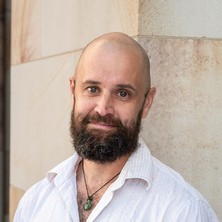
I graduated from The University of Tasmania, and received my PhD in Developmental Biology from The University of Queensland in 2003. My PhD, performed at the Institute for Molecular Bioscience with Prof. Melissa Little, centred on understanding the cellular and molecular mechanisms underlying embryonic kidney development. My first postdoc was performed with Prof. Christine Holt at The University of Cambridge, UK, where I studied the mechanisms by which axonal growth cones navigate to their targets in the brain, using the frog Xenopus laevis as a model system. In my second postdoctoral position, with Prof. Linda Richards at the Queensland Brain Institute at The University of Queensland, my work focussed on understanding the molecular mechanisms of neural progenitor cell specification in the developing cerebral cortex. In late 2010, I took up a joint position with the Queensland Brain Institute and The School of Biomedical Sciences (SBMS) to continue my research into the mechanisms underlying neural stem cell differentiation. I have held numerous fellowships during my career, including an NHMRC Howard Florey Fellowship, an NHMRC CDF and an ARC Future Fellowship. I currently hold a continuing Teaching and Research position within SBMS, and am currently the Director for Higher Degree Research Training at SBMS.