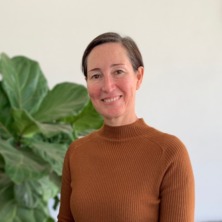
Dr. Bialasiewicz worked at the Royal Children's Hospital and the Children's Health Queensland HHS for over 18 years conducting translational research and clinical support centering on infectious disease (primarily viral and bacterial) molecular diagnostics, general microbiology and molecular epidemiology. In 2019, he became a group leader at The University of Queensland's Australian Centre for Ecogenomics, expanding on a growing interest in the microbial ecology of the human body, it's role in health and disease, and ways to manipulated to achieve desirable outcomes. One Health microbial ecology, where human health is interconnected with the health of animals (both livestock and wildlife), and the broader environment is also an area of active interest. His background in virology has influenced the work he does, meaning a key focus of his microbial ecology works centres around the interactions between all types of microorgansims (bacteria, archaea, viruses, fungi, and micro-eukaryotes).
Ongoing work includes:
- Leveraging of emerging technologies to explore the hidden microbial diversity and their interactions in the human body.
- Using the technology to develop microbial (e.g. phage)-based treatments or preventatives to complex diseases (e.g. Otitis Media, Chronic Rhinosinusitis, GvHD).
- Understanding the genetics of antibiotic resistance spread.
Faculty of Health, Medicine and Behavioural Sciences
Availability:
Available for supervision
Media expert
Dr. Adam Craig is an infectious disease epidemiologist and global health system researcher. He has more than 25 years of experience in health, having worked across and with Australian, Asian and Pacific health authorities. Among other areas, his research explores the use of digital technology to support health information collection and exchange and how technology may support improved health system function. Other projects Adam is involved in include the development of policy advice for Pacific leaders related to enhanced early warning disease surveillance, the use of digital technology to support health care delivery and community participation in disease vector tracking. In addition to his academic roles, Adam is a senior advisor to the Australia-Indonesia Health Security Partnership and a researcher for the Asia Pacific Observatory on Health Systems and Policies.
Faculty of Health, Medicine and Behavioural Sciences
Availability:
Not available for supervision
Media expert
Dr Lisa McHugh is a perinatal and infectious diseases epidemiologist at the UQ School of Public Health (SPH). A Level C Senior Research Fellow and NHMRC Emerging Leader (EL1) Investigator Grant recipient, Lisa leads her own small team of researchers through her 5-year program ‘VaxiMums’, which is evaluating the uptake, effectiveness and equity of maternal vaccinations and respiratory infections.
Lisa is a CI on a national study evaluating RSV hospitalisations in children <5yrs of age, and a CI on a Qld Health project looking at the acceptability of new RSV strategies among parents.
Lisa is currently leading a pilot study investigating pregnancy loss after receiving influenza and COVID-19 vaccinations in early pregnancy-the first of its kind in Australia, and one of only a few internationally. Lisa’s extensive collaborations involve Primary Health Care Networks, First Nations midwives, maternal and child health nurse immunisers, consumers, Queensland Health, and national and international experts in the field.
Lisa has supervised 3 MEpi students to completion-all with the highest GPA of 7. She is currently the primary advisor of 2 PhD students, 2 MEpi students and a MBiostats student.
Projects currently being investigated by her and her students include:
Effectiveness of influenza, pertussis & COVID vaccinations in pregnancy against adverse maternal-infant outcomes
RSV hospitalisations among First Nations children aged <2yrs (Lisa is leading this collaboration with UQCCR)
Adverse birth outcomes among NT mother-infant pairs after maternal vaccinations
Pertussis vaccine effectiveness among preterm infants
Vaccine failures after influenza + pertussis vaccination in pregnancy
Lisa is the Academic Integrity Officer for SPH, and mentors 2 academics in the SPH Mentoring Program. Her research expertise and interests include clinical midwifery, First Nations health, infectious diseases, pregnancy and birth outcomes, and maternal vaccination. She has been a member of the Public Health Association of Australia since 2014, and Immunisation Special Interest Group working group member, contributing to the latest Immunisation Policy Review (2026).
Lisa is also member of the Australasian Epidemiological Association and Editor for the Aust and New Zealand Journal of Public Health.
She reviews for NHMRC grant applications.
When not working Lisa can be found (or not found) trail running, hiking in the middle of nowhere and swimming.
Affiliate of Queensland Alliance for Environmental Health Science
Queensland Alliance for Environmental Health Sciences
Faculty of Health, Medicine and Behavioural Sciences
Senior Research Fellow
School of Pharmacy and Pharmaceutical Sciences
Faculty of Health, Medicine and Behavioural Sciences
Availability:
Available for supervision
Media expert
Doctor Jake O’Brien is Senior Research Fellow and NHMRC Emerging Leadership Fellow at the Queensland Alliance for Environmental Health Sciences (QAEHS). His main field of interest is in wastewater-based epidemiology, but he also has interest in developing analytical methods for chemicals of emerging concern within biological and environmental samples. Doctor O'Brien is a strong advocate for collaborative research having co-authored with more than 300 collaborators worldwide on over 170 publications. Jake is strongly supportive of early career researcher development and is the former chair of the EMCR@UQ Committee. He is also a Chief Investigator of the National Wastewater Drug Monitoring Program since its establishment in 2016.