Affiliate of ARC COE for Children and Families Over the Lifecourse
ARC COE for Children and Families Over the Lifecourse
Faculty of Humanities, Arts and Social Sciences
Senior Research Fellow
PA Southside Clinical Unit
Faculty of Health, Medicine and Behavioural Sciences
Availability:
Available for supervision
Media expert
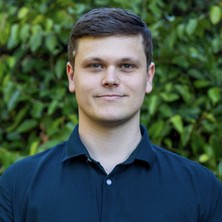
Dr Arnautovska is a psychologist with 20 years' experience spanning clinical practice and research in mental health, with a focus on health behaviour change and neuroscience. Her research translates evidence into real-world care, closing the gap between what mental health treatments can achieve and what is sustainable in individuals' everyday lives and in health services more broadly.
Her work addresses a critical structural divide: clinicians who lack the time or resourcing to address lifestyle factors, health services organised around separate physical and mental health pathways, and people with complex mental illness or those with cognitive challenges who are rarely equipped with the tools to change health behaviours on their own. Dr Arnautovska's research is focused on embedding physical health care into routine mental health treatment, so that monitoring and supporting a person's physical health becomes as standard as supporting their mental state.
She led the development of SMART, a world-first SMS-based lifestyle intervention targeting metabolic health tailored to people living with severe mental illness, delivered without reliance on smartphones or app-based platforms. SMART was developed through a comprehensive co-design process with multidisciplinary experts, clinicians, and people with lived experience, and is now being implemented within routine care at four mental health services in metropolitan Brisbane.
Consumer partnership is central to Dr Arnautovska's approach to research; she facilitates the involvement of people with lived experience across all phases of the research cycle, from priority-setting and study design through to evaluation and implementation, while actively supporting the research capacity of lived experience partners.
Dr Arnautovska has published more than 80 peer-reviewed papers and is a named investigator on projects attracting more than $14.5M in funding since 2021, including a $5M NHMRC Synergy Grant. Her contributions have been recognised through the Mental Health Australia General Clinical Trials Network (MAGNET) Emerging Leader Mid-Career Researcher award (2024), the UQ Rising Star Commendation (2024), and earlier BA and PhD Thesis awards (2017 and 2006).
Central to her research philosophy is the view that motivation and a person's agency are central elements of treatment outcomes and determine whether novel, health behaviour-focused interventions succeed and whether their impact is sustainable.
Dr Arnautovska grew up in Slovenia, where social justice and equality were formative family values that continue to inform her approach to health equity in her research today.
Affiliate of Centre for Cardiovascular Health and Research
Centre for Cardiovascular Health and Research
Faculty of Health, Medicine and Behavioural Sciences
Affiliate Professor of Mater Research Institute-UQ
Mater Research Institute-UQ
Faculty of Health, Medicine and Behavioural Sciences
Affiliate of Minerals Industry Safety and Health Centre
Minerals Industry Safety and Health Centre
Faculty of Engineering, Architecture and Information Technology
Centre Director of Centre for Community Health and Wellbeing
Centre for Community Health and Wellbeing
Faculty of Health, Medicine and Behavioural Sciences
Professor in Community Health and Wellbeing
School of Human Movement and Nutrition Sciences
Faculty of Health, Medicine and Behavioural Sciences
Professor in Community Health and Wellbeing
School of Public Health
Faculty of Health, Medicine and Behavioural Sciences
Availability:
Available for supervision
Media expert
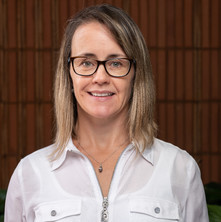
My work focuses on how universities can operate as deeply embedded institutions within the societies they serve. Knowledge is created through listening, trust and genuine partnership, and impact comes from being present, responsive and collaborative. I focus on strengthening universities’ social licence by developing new ways of working with and alongside communities.
I am a Professor of Community Health and Wellbeing here at The University of Queensland, with an international reputation in community health, prevention, health services and policy. Together with my team, I lead research that shapes how communities thrive, with our work recognised through multiple awards for research excellence and real-world impact.
The cornerstone of my work is leading the Springfield Living Lab. Living labs use place-based, systems-oriented approaches to bring together research, teaching and partnerships to co-create, test and refine solutions in real-world settings over time. Springfield provides a uniquely rich environment for this work through its integrated urban design, strong local governance and commitment to innovation across health, education and technology. As Australia’s largest master-planned city, it offers a complex, real-world context for understanding how community-led approaches can translate into scalable models for broader application.
As a leader, I bring people together across disciplines, sectors and lived experience to create shared purpose and coordinated action. I support teams and organisations to imagine what is possible, map pathways forward and translate ambitious ideas into sustained impact. My leadership is values-led, collaborative and grounded in practical delivery.
I am particularly interested in how research, teaching and engagement can be better aligned to address complex societal challenges, while building cultures where people can do their best work.
I welcome opportunities to work with people and organisations committed to community connection, partnership and innovation. Together, we can strengthen trust, build capability and design approaches that are meaningful for the next generation and for society more broadly.
Faculty of Health, Medicine and Behavioural Sciences
Availability:
Available for supervision
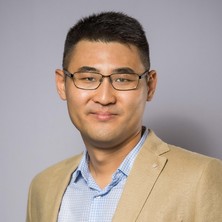
Dr Riley Brown is an Accredited Exercise Physiologist and Lecturer in Clinical Exercise Physiology at the School of Human Movement and Nutrition Sciences, The University of Queensland.
Riley holds qualifications in clinical exercise physiology [BExSS (CEP) (Hon-1)] and received his PhD from The University of Queensland in January 2024. His research interests include assessing the feasibility, effectiveness and uptake of digital health physical activity/exercise interventions for people living with complex chronic diseases. He also has a keen interest in investigating the influence of digital health exercise interventions for improving exercise adherence and clinical outcomes in chronic disease (sustainable exercise practice), and optimising monitoring tools for exercise interventions.
Riley course coordinates two foundation exercise science/exercise physiology courses: EXMD2382 (Exercise Science Technical Skills) and EXMD3741 (Exercise prescription and programming for cancer, mental health and older adults). He has an avid interest in scholarship of teaching projects.
Faculty of Health, Medicine and Behavioural Sciences
Availability:
Available for supervision
Media expert
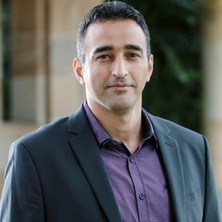
Dr. Adam Craig is an infectious disease epidemiologist and global health system researcher. He has more than 25 years of experience in health, having worked across and with Australian, Asian and Pacific health authorities. Among other areas, his research explores the use of digital technology to support health information collection and exchange and how technology may support improved health system function. Other projects Adam is involved in include the development of policy advice for Pacific leaders related to enhanced early warning disease surveillance, the use of digital technology to support health care delivery and community participation in disease vector tracking. In addition to his academic roles, Adam is a senior advisor to the Australia-Indonesia Health Security Partnership and a researcher for the Asia Pacific Observatory on Health Systems and Policies.
Faculty of Health, Medicine and Behavioural Sciences
Availability:
Available for supervision
Robert is a Research Fellow who joined the RECOVER Injury Research Centre in 2024. He is part of the Technology-enabled rehabilitation team, which focuses on developing more effective and efficient health services supported by technology innovation.
Robert's previous research revolved around the application of Virtual Reality (VR) for burn injury rehabilitation. Using collaborative design with burn survivors and healthcare professionals, he has developed functional VR rehabilitation prototypes tailored for burn injuries.
Robert's research interests include the application of serious games in healthcare settings.
Faculty of Health, Medicine and Behavioural Sciences
Research Fellow
School of Health and Rehabilitation Sciences
Faculty of Health, Medicine and Behavioural Sciences
Availability:
Available for supervision
Dr Jonathan Davies is a chronic pain researcher working to improve how pain is understood, assessed and treated. His research focuses on pain phenotyping, precision pain care, and the psychological, physiological and contextual factors that shape pain and treatment response.
At UQ’s Centre for Innovation in Pain and Health Research, he contributes to DISCERN, an NHMRC Synergy-funded multidisciplinary research program developing and validating new approaches to pain assessment. A major focus of his work is DECIPHER PAIN, a standardised, multimodal tool designed to characterise the relative contributions of nociceptive, neuropathic and nociplastic pain and support more personalised care.
His research integrates clinical assessment, quantitative sensory testing, experimental pain methods, psychophysiology, digital health and population data. He is particularly interested in how physiological signals, behaviour, language, psychosocial context and real-world health data can be combined to better understand individual differences in pain and treatment outcomes.
His broader expertise includes placebo and nocebo effects, mindfulness, mental health, quality of life, health outcome measurement and population health. His work aims to support more precise, scalable and patient-centred approaches to pain research and care.
Senior Research Fellow - Frailty & Hospital Outcomes Research
Frazer Institute
Faculty of Health, Medicine and Behavioural Sciences
Affiliate of Centre for Online Health
Centre for Online Health
Faculty of Health, Medicine and Behavioural Sciences
Availability:
Available for supervision
Media expert
I am an early career researcher with 5 years post-PhD and estimated research time relative to opportunity of 3 years. Currently, I am a Senior Research Fellow at The University of Queensland’s (UQ) Australian Frailty Network. I have years of study and work experience, including consumer and community involvement, in various healthcare settings in Brazil (2009-2019), the UK (2003-2008) and Australia (2019-present). I came to Australia in December 2019 for a 12-month PhD research placement at UQ after winning a highly competitive scholarship from the Brazilian Government. I have a Bachelor of Pharmacy, a Graduate Certificate in Project Management, a Master of Philosophy in Public Health, a Diploma of Higher Education in Youth and Community Studies and an OCN Level 3 Certificate in Community Development. I completed my PhD in Public Health in 2021.
I have a proven track record for delivering high-quality projects, with national significance, including policy change and integration into the national strategy in Brazil, and the implementation of a digital model of care developed in Australia. My track record demonstrates a rising career trajectory. My research interests are telehealth, virtual care and digital health, including digitally disrupted models of care for chronic conditions, trust and confidence in telehealth and digital health, digital health literacy, health services research, including implementation and evaluation strategies, mixed-methods, cross-sectional studies, co-design and qualitative inquiry, community and consumer involvement in research and service redesign.
School of Electrical Engineering and Computer Science
Faculty of Engineering, Architecture and Information Technology
Availability:
Available for supervision
Dr Chelsea Dobbins is an Associate Professor within the School of Electrical Engineering and Computer Science (EECS) at The University of Queensland. She has a background in Software Engineering with expertise in Digital Signal Processing, Applied Machine Learning, and Human–Computer Interaction.
Her research focuses on the use of sensing technologies and intelligent data analysis to understand behaviour, emotion, and wellbeing, with applications spanning both human and animal contexts. In addition to her work on emotion detection using smartphones and wearable sensors within personal informatics and digital health, her research increasingly explores the use of computational technologies for animal conservation and welfare, including the application of machine learning, and mobile/embedded sensing to monitor behaviour and environmental interactions in animals.
Her work intersects areas such as affective computing, pervasive computing, digital health, conservation technology, bio‑inspired sensing, human–computer interaction, mobile and wearable sensors, and physiological computing.
Faculty of Health, Medicine and Behavioural Sciences
Affiliate of Centre for Online Health
Centre for Online Health
Faculty of Health, Medicine and Behavioural Sciences
Availability:
Available for supervision
Victor is a Postdoctoral researcher at The University of Queensland, with a clinical and academic background in rehabilitation medicine, public health, and digital health equity. His research focuses on enhancing healthcare access for culturally and linguistically diverse communities, particularly through the development of telehealth innovations and inclusive service design. He has experience teaching public health and epidemiology to medical students and mentoring postgraduate researchers. Victor has co-authored peer-reviewed publications, contributed to national surveys, and helped develop validated tools, including the Digital Health Acceptability Questionnaire.
He completed his Medical Doctor degree in Peru, followed by a specialisation in Rehabilitation Medicine, and later earned a Master of Public Health and a PhD from UQ. His doctoral research explored equity in telehealth access and was supported by multiple competitive scholarships and grants. Victor has also held leadership roles in Peru’s national health system and sports medicine programs, including the PanAmerican Games Lima 2019. His work has been recognised through awards for research excellence, equity, and inclusion.
Faculty of Health, Medicine and Behavioural Sciences
Availability:
Available for supervision
Media expert
Dr Kristiana Ludlow is a Senior Research Fellow at the Centre for Health Services Research, Faculty of Health, Medicine, and Behavioural Sciences, the University of Queensland, and an Honorary Postdoctoral Fellow at the Australian Institute of Health Innovation, Macquarie University. She completed her Bachelor of Psychology with first class Honours in 2015, her Master of Research in Medicine and Health Sciences in 2017, and her PhD in in Health Innovation in 2020. Dr Ludlow has expertise in co-design, qualitative research and Q methodology. Her research interests include co-designing interventions and digital health tools with end-users, frailty, education, aged care, person-centred care, the role of family caregivers in care, missed care/unfinished care, and care prioritisation. She is passionate about collaborating with consumers, service users and health professionals to improve the delivery of healthcare and mental health services.
Affiliate of Centre for the Business and Economics of Health
Centre for the Business and Economics of Health
Faculty of Business, Economics and Law
Affiliate of Queensland Digital Health Centre
Queensland Digital Health Centre
Faculty of Health, Medicine and Behavioural Sciences
Senior Research Fellow
School of Business
Faculty of Business, Economics and Law
Availability:
Available for supervision
Dr Anton Pak is a Senior Research Fellow in the Centre for the Business and Economics of Health, The University of Queensland. Anton is an applied economist by training and his research interests focus on the behaviour of patients and their choices, utilisation of emergency department services, waiting time modelling, and the economics of digital health. Anton examines empirical questions by utilising health economics theory and concepts and by analysing large panel and cross-sectional datasets (including linked data) using classical econometrics techniques, as well as machine learning methods.
Anton is currently co-leading an Emergency Medicine Foundation funded project “ED waiting time predictions in real-time: development of data acquisition system and performance evaluation of advanced statistical models.”, which is being undertaken in partnership with Princess Alexandra Hospital. Anton has worked extensively on interdisciplinary research with statisticians, mathematical modellers, clinicians, epidemiologists, and public health experts.
Prior to joining the Centre, Anton worked as a Research Fellow in Applied Economics and Data Scientist at James Cook University. His previous experience also includes working as a management consultant and university lecturer.
Anton has a PhD (Economics) from The University of Queensland.
Faculty of Health, Medicine and Behavioural Sciences
Deputy Director, QDHeC
Medical School
Faculty of Health, Medicine and Behavioural Sciences
Availability:
Available for supervision
Jason D. Pole is the Deputy Director of the Queensland Digital Health Centre (QDHeC) and a Professor in the Medical School within the Faculty of Health, Medicine and Behavioural Sciences. Jason provides research leadership for QDHeC and manages his own research program that utilises clinical and surveillance data linked with real-world administrative data to answer health questions in several areas.
Jason has a background in epidemiology, health services research and digital health with an emphasis in the use of real-world data and complex survey instruments.
Currently, Jason has research interests in the areas of digital health applications to improve system performance including patient safety, health care utilization among childhood cancer survivors, the effects of childhood cancer treatment specifically on the development of second cancers and education achievement and has interests in the financial impact of a childhood cancer diagnosis on the family and the long-term financial health of the survivor. More recently, Jason has developed an interest in adolescent and young adult oncology (AYA) survivors and the specific long-term needs of this unique cancer population.
Jason maintains appointments as an Associate Professor in the Dalla Lana School of Public Health, University of Toronto and an Adjunct Scientist with the Hospital for Sick Children Research Institute and an Adjunct Senior Scientist with ICES, Toronto.
Postdoctoral Research Fellow of Queensland Digital Health Centre
Queensland Digital Health Centre
Faculty of Health, Medicine and Behavioural Sciences
Availability:
Not available for supervision
Dr Javad Pool is a researcher focusing on the use of AI and the sustainable implementation of emerging technologies. He completed his PhD in Information Systems at The University of Queensland, where his thesis received the ACPHIS PhD Medal for the best PhD thesis in Information Systems in Australia. He has conducted research in Digital Health, Responsible AI, and Information Systems, with a particular focus on trust in AI, data privacy, and the socio-technical aspects of Information Systems. His work aims to develop a better understanding of responsible and effective use of Information Systems, particularly in organisational contexts.
Affiliate of Centre for the Business and Economics of Health
Centre for the Business and Economics of Health
Faculty of Business, Economics and Law
Affiliate of Centre for Innovation in Pain and Health Research (CIPHeR)
Centre for Innovation in Pain and Health Research
Faculty of Health, Medicine and Behavioural Sciences
Senior Research Fellow
School of Health and Rehabilitation Sciences
Faculty of Health, Medicine and Behavioural Sciences
Availability:
Available for supervision
Media expert
Dr Megan Ross (she/her) is a Specialist Research Physiotherapist and Senior Research Fellow at RECOVER Injury Research Centre, The University of Queensland. She is part of a research team, led by Professor Trevor Russell, which focuses on developing more effective and efficient health services supported by technology innovation. Megan’s current research projects include exploring consumer perspectives of the telerehabilitation service delivery model, factors that influence the uptake and utilisation of telerehabilitation, and exploring the acceptability and usability of digital health innovations. Megan has a broad range of research skills that span both quantitative and qualitative methods and co-design approaches, including systematic reviews, cross-sectional and longitudinal study designs and data analysis, discrete choice experiments, interviews and focus group discussions and thematic analysis.
Dr Ross received a Bachelor of Physiotherapy (with First Class Honours) in 2012 and a PhD in Physiotherapy in 2020 from The University of Queensland. Megan is the inaugural Chair of the Australian Physiotherapy Association’s LGBTQIA+ Advisory Committee, is Deputy Chair of the Australian Physiotherapy Associations’ National Advisory Committee and sits on the Queensland Gender Affirming Network Steering Committee. Dr Ross leads a program of research in the area of LGBTQIA+ experiences of, and access to healthcare with a focus on physiotherapy and allied health. Megan is passionate about ensuring safe and affirming access to healthcare for people with diverse gender identities, sexual orientations and sex characteristics and has received over $1M AUD in funding, including a CIA MRFF grant to co-design, implement and evaluate an LGBTQIA+ affirming model of primary care. The overarching objective of Dr Ross’s work is to improve access to, provision of, and experiences with health care and ultimately contribute to improved health and wellbeing for the LGBTQIA+ communities.
Faculty of Health, Medicine and Behavioural Sciences
Research Fellow/Senior Research officer
School of Nursing, Midwifery and Social Work
Faculty of Health, Medicine and Behavioural Sciences
Availability:
Available for supervision
Dr Lucy Shinners is an Indigenous clinician‑researcher with 25 years of ICU nursing experience and a career deeply embedded in the health system. Her work is grounded in the realities of clinical practice and the experiences of patients, families and communities, shaping a research program that examines how emerging technologies can strengthen safe, high‑quality and culturally responsive care.
Using a sociotechnical lens, Dr Shners studies how artificial intelligence influences the health workforce, clinical decision‑making and the conditions required for safe adoption. Her internationally used SHAIP tool supports health services to understand workforce perceptions of AI and ensures that consumer perspectives remain central to technology design and implementation. She also works with Indigenous health organisations to co‑design technological solutions that reflect community priorities, and has contributed to establishing First Nations leaders’ priorities for AI, an expanding line of work shaping future governance and innovation.
Her research intersects with infection prevention and vascular access safety, where she investigates healthcare‑associated infections, device‑related harm and opportunities to improve surveillance, early detection and patient experience. Increasingly, these domains converge as she explores AI‑enabled approaches for infection risk prediction and monitoring, and evaluates how emerging technologies can enhance clinical governance and system performance.
Dr Shinners’ work provides health services, policymakers and industry with evidence‑based, culturally informed insights into AI, infection prevention and the future of safe care.
Faculty of Health, Medicine and Behavioural Sciences
Research Officer
School of Health and Rehabilitation Sciences
Faculty of Health, Medicine and Behavioural Sciences
Availability:
Available for supervision
Dr Joshua Simmich is a physiotherapist and digital health researcher at UQ’s RECOVER Injury Research Centre. His work focuses on technology-enabled rehabilitation: how tools such as telerehabilitation, mobile health, wearable sensors, virtual reality, serious games and artificial intelligence can make rehabilitation more accessible, engaging and effective.
Joshua’s research spans remote and hybrid models of physiotherapy care, patient preferences for telerehabilitation, the safety and effectiveness of video-based rehabilitation and exercise, and the evaluation of digital tools for pain monitoring and clinical decision-making. His PhD examined how active video games and wearable sensors could support physical activity in people with chronic obstructive pulmonary disease.
He works with clinical and research teams to design, evaluate and translate digital health innovations for rehabilitation. Current and recent projects include virtual reality for driving anxiety, personalised motorised wheelchair trials using simulation, AI-supported navigation of the Australian healthcare system, GPS-based functional assessment for people with persistent pain, and serious games for physiotherapy education.
Joshua is available to supervise students interested in digital health, telerehabilitation, technology-enabled rehabilitation, AI in healthcare, virtual reality, wearable sensors, physical activity and rehabilitation service delivery.
Affiliate of Centre for the Business and Economics of Health
Centre for the Business and Economics of Health
Faculty of Business, Economics and Law
Affiliate of Queensland Digital Health Centre
Queensland Digital Health Centre
Faculty of Health, Medicine and Behavioural Sciences
Centre Director of Centre for Online Health
Centre for Online Health
Faculty of Health, Medicine and Behavioural Sciences
Professor
Medical School
Faculty of Health, Medicine and Behavioural Sciences
Availability:
Available for supervision
Media expert
Professor Anthony Smith is the Director of The University of Queensland’s Centre for Online Health (COH), and Adjunct Professor at the Hans Christian Anderson Children's Hospital and University of Southern Denmark, in Odense, Denmark.
Professor Smith is also the Editor in Chief for the Journal of Telemedicine and Telecare (Sage Publishers, London; 5y Impact Factor 4.9).
Professor Smith has more than 25 years of research experience, resulting in the planning, implementation and evaluation of a broad range of telehealth (virtual care) services around Australia. Specific research interests include the feasibility, effectiveness and sustainability of telehealth services in the public health system; genuine consumer engagement; and novel strategies to support our health workforce and telehealth adoption. His research has led to the development of pioneering virtual care services in Australia, including prominent statewide hospital-based telehealth programs in Queensland, wireless (robot) videoconference systems for remote consultations; and a community-based (and telehealth supported) health screening programme for Indigenous children in Queensland. Current projects focus on the integration of telehealth and virtual care services in residential aged care settings; evaluation of community-led First Nations health services; the delivery of video-based rehabilitation services to children in rural and remote primary schools; telementoring services for health professionals in primary care; and discipline specific clinical telehealth services.
Professor Smith chairs the International Conference on Successes and Failures in Telehealth conference. He is also a Fellow of the Queensland Academy of Arts and Sciences. Previous roles have included the President of the Australasian Telehealth Society (ATHS) [2013-2015]; and elected member of the ATHS committee [2008-2024]. In the field of telehealth and virtual care, Prof Smith has over 240 publications, including 230 peer-reviewed journal papers, three edited books and 13 book chapters on related topics. Whilst the field remains highly specialised in comparison to other disciplines, his work is cited over 2000 times each year.
Professor Smith also provides an extensive range of consultancy services for government agencies and industry partners in the field of telehealth, digital health and virtual healthcare.
RECENT AWARDS
1. Honorary Doctorate. Doctor of Medical Science (D.M.SC. (honoris cau)). Faculty of Health Sciences, University of Southern Denmark, 2025
2. Public Engagement and Community-led Research (including Citizen Science) Award, The University of Queensland Research Culture Awards, 2024
3. Top Researcher in the field of "Medical Informatics"- for work involving telehealth, digital health and virtual care. The Australian Research Awards, 2023
4. Commendation, Academic Leader of the Year, UQ Faculty of Medicine Excellence Awards, The University of Queensland, 2023
5. Excellence in Indigenous Engagement Award - for "enhancing access to specialist health services through the use of telehealth for First Nations people. Engagement Australia Excellence Awards, 2021
6. Spirit of Reconciliation Award - for building research and community partnerships in Queensland. UQ Faculty of Medicine Excellence Awards, The University of Queensaland, 2021
Associate Member of Centre for Community Health and Wellbeing
Centre for Community Health and Wellbeing
Faculty of Health, Medicine and Behavioural Sciences
Postdoctoral Research Fellow
School of Human Movement and Nutrition Sciences
Faculty of Health, Medicine and Behavioural Sciences
Availability:
Available for supervision
Media expert
Dr George Thomas is a Research Fellow in the School of Human Movement and Nutrition Sciences at The University of Queensland and a member of the ARC Centre of Excellence for the Digital Child. His research focuses on children’s digital technology use, family digital routines, healthy screen use, and child health and wellbeing.
George leads an integrated program of research focused on understanding and improving how families manage children’s screen use. His work spans digital health, behavioural science, public health, and research translation through partnerships with government and industry.
His research has informed international policy and guidelines, including reports from UNESCO and the World Health Organization, and contributes to global initiatives such as the Active Healthy Kids Global Alliance.
George is also committed to education and mentorship, having supervised more than 40 student research projects across psychology, dietetics, and exercise science, and supporting students to work on real-world policy and community initiatives.
Affiliate Professor of School of Pharmacy and Pharmaceutical Sciences
School of Pharmacy and Pharmaceutical Sciences
Faculty of Health, Medicine and Behavioural Sciences
Affiliate of ARC Research Hub for Advanced Manufacture of Targeted Radiopharmaceuticals (AMTAR)
ARC Research Hub for Advanced Manufacture of Targeted Radiopharmaceuticals
Australian Institute for Bioengineering and Nanotechnology
Affiliate of Centre for the Business and Economics of Health
Centre for the Business and Economics of Health
Faculty of Business, Economics and Law
Affiliate of Centre for Innovation in Pain and Health Research (CIPHeR)
Centre for Innovation in Pain and Health Research
Faculty of Health, Medicine and Behavioural Sciences
Professorial Research Fellow
School of Business
Faculty of Business, Economics and Law
Availability:
Available for supervision
Media expert
I am the lead of the Effective and Efficient Healthcare program at the Centre for the Business and Economics of Health at The University of Queensland. I also lead Health Technology Assessment for the Centre, which involves evaluating submissions made to the Australian Government to reimburse new medicines and medical devices through the Pharmaceutical benefits Scheme (PBS) and the Medicare Benefits Schedule (MBS). My research is focused on the economic evaluation of health interventions to inform decision making and promote value-based health care. I have pioneered the application of Value of Information (Research) analysis to enhance the efficiency of clinical trials and maximise the return on investment from medical research.
I have extensive experience working with key stakeholders including consumers, clinicians, decision makers and researchers. I am chief investigator on over $45 million Category 1 grants from the NHMRC, MRFF and ARC. In addition, I lead several projects for the Department of Health and other peak organisations.
I chair the International Society for Pharmacoeconomics and Outcomes Research (ISPOR)-Oncology GroupI, and I am the past chair of the Clinical Oncology Society of Australia's (COSA)-Epidemiology Group and the Australian Clinical Trials Alliance (ACTA)-Research Prioritisation Group. I am an Associate Editor for Value in Health, and an Editorial Board Member for Medical Decision Making and PharmacoEconomics-open journals.