Faculty of Health, Medicine and Behavioural Sciences
Affiliate of UQ Poche Centre for Indigenous Health
UQ Poche Centre for Indigenous Health
Faculty of Health, Medicine and Behavioural Sciences
Availability:
Available for supervision
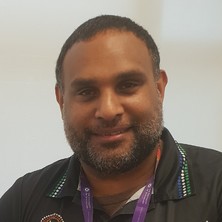
Dr Carl Francia (Saibai Koedal awgadhalayg) is a Torres Strait Islander physiotherapist and cardiovascular epidemiologist whose research focuses on improving cardiovascular health equity for Aboriginal and Torres Strait Islander peoples through Indigenous-led, community-partnered research.
Based at The University of Queensland's Poche Centre for Indigenous Health, Carl leads research examining acute rheumatic fever (ARF), rheumatic heart disease (RHD), cardiovascular health, health services, and implementation of evidence into policy and practice. His work combines epidemiology, health systems research, and community partnership approaches to support prevention, early detection, long-term management, and elimination of RHD.
Carl currently coordinates the NHMRC Synergy-funded iPreventRHD program, a national Indigenous-led research initiative focused on life-course approaches to preventing and managing RHD. He is also a Chief Investigator on an MRFF-funded project exploring cardiovascular health among First Nations women and girls and is involved in community-led climate and cardiovascular health initiatives in the Torres Strait.
Research interests include:
• Cardiovascular epidemiology and population health • Acute rheumatic fever and rheumatic heart disease • Indigenous health and health equity • Implementation science and health services research • Climate change and cardiovascular health • Indigenous Data Sovereignty and community-led research
Carl welcomes enquiries from Honours, Masters, and HDR students interested in Indigenous health, cardiovascular disease prevention, epidemiology, implementation science, health systems research, and community-partnered research.
Faculty of Health, Medicine and Behavioural Sciences
Affiliate of ARC COE for Children and Families Over the Lifecourse
ARC COE for Children and Families Over the Lifecourse
Faculty of Humanities, Arts and Social Sciences
Availability:
Available for supervision
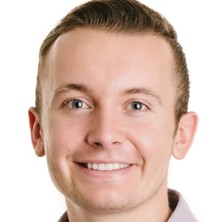
Mehedi is a public health researcher with strong expertise in quantitative data analytics. He has over eight years of professional experience in developing and developed countries. He has built a distinguished career in public health research, focusing on critical areas such as reproductive, maternal, newborn, and child health (RMNCH), nutrition, non-communicable diseases, mental health, sleep health, social determinants of health and health inequalities.
Mehedi completed his PhD from the University of Queensland in 2022. In his doctoral thesis titled “Future direction of maternal and child health in low- and middle-income countries”, he utilized data of over 4.3 million participants extracted from 284 national surveys conducted in 75 low- and middle-income countries to understand the future projections of maternal and child health-related indicators and gaps in progress, with geographical variations across countries. His doctoral research resulted six publications in reputed international journals and provided valuable insights for global and country leaders in their pursuit of achieving health-related Sustainable Development Goals.
Mehedi has a charming engagement with research community. He has reviewed manuscripts for eight international journals and published 45 peer-reviewed articles, many of which appear in high-impact journals. His work has gained media attention, with coverage of more than 15 research stories.
In addition to his research and professional activities, Mehedi is an active member of several professional international collaborative groups, including Global Burden of Diseases, the American Society for Nutrition, the International Health Economics Association, the Society for Research in Child Development, and Health Systems Global, where he collaborates with fellow experts and stays at the forefront of developments in his field.
Mehedi is a Global Change Scholar (2018 cohort) of the University of Queensland and a recipient of several prestigious scholarships and awards. He recently honoured with a national award in the Pregnancy Monitoring Innovation Challenge 2022 funded by the Aspire to Innovate (a2i), Bangladesh, recognizing his innovative contributions to maternal and neonatal health.
Mehedi’s current research focuses on unveiling environmental exposures in pregnancy and risk in adverse birth outcomes in Queensland, Australia.
Associate Member of Centre for Community Health and Wellbeing
Centre for Community Health and Wellbeing
Faculty of Health, Medicine and Behavioural Sciences
Postdoctoral Research Fellow
School of Human Movement and Nutrition Sciences
Faculty of Health, Medicine and Behavioural Sciences
Availability:
Available for supervision
Media expert
Dr George Thomas is a Research Fellow in the School of Human Movement and Nutrition Sciences at The University of Queensland and a member of the ARC Centre of Excellence for the Digital Child. His research focuses on children’s digital technology use, family digital routines, healthy screen use, and child health and wellbeing.
George leads an integrated program of research focused on understanding and improving how families manage children’s screen use. His work spans digital health, behavioural science, public health, and research translation through partnerships with government and industry.
His research has informed international policy and guidelines, including reports from UNESCO and the World Health Organization, and contributes to global initiatives such as the Active Healthy Kids Global Alliance.
George is also committed to education and mentorship, having supervised more than 40 student research projects across psychology, dietetics, and exercise science, and supporting students to work on real-world policy and community initiatives.