Deputy Associate Dean Research (Research Partnerships)
Faculty of Science
Affiliate of Australian Centre for Ecogenomics (ACE)
Australian Centre for Ecogenomics
Faculty of Science
Availability:
Available for supervision
Media expert
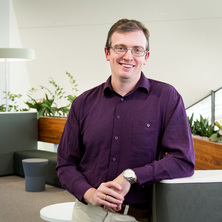
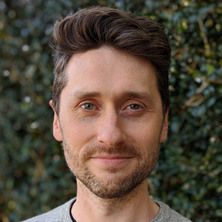
Prof David Ascher is an NHMRC Investigator Leadership Fellow and Deputy Associate Dean (Research Partnerships) in the Faculty of Science at The University of Queensland. He also serves as Deputy Director of the Australian Centre for Ecogenomics and Head of Computational Biology & Clinical Informatics at the Baker Heart and Diabetes Institute. Internationally, he sits on scientific advisory boards for A*STAR (Singapore), Fiocruz (Brazil) and the Tuscany University Network (Italy), and has been recognised with major honours including the Royal Society of Chemistry Horizon Prize.
A global leader in computational biology and personalised medicine, Prof Ascher develops advanced AI- and structure-based approaches to understand how genetic variation alters protein structure, function, and clinical outcomes. His group has built one of the world’s most widely used platforms for interpreting coding variants—over 120 computational tools, accessed more than 12 million times per year from 120+ countries. These tools underpin clinical diagnostics, guide drug development pipelines, and support international public-health responses to antimicrobial resistance and emerging infectious diseases.
His research has led to new molecular insights across infectious disease, rare disease, oncology and cardiometabolic health, and has been translated directly into practice—informing WHO policy, enabling early resistance detection in tuberculosis and leprosy, stratifying patients with hereditary cancers, and supporting vaccine design with partners including Pfizer. Many of his methods are embedded in globally used resources such as Ensembl VEP, PDBe, and the EMBL-EBI KnowledgeBase.
Prof Ascher has a longstanding commitment to interdisciplinary leadership and capability-building across UQ. As Director (Strategy) of the Biotechnology Programs and later as Deputy Associate Dean (Research Partnerships), he has driven initiatives to transform UQ’s biotechnology education, grow industry-embedded training, expand international partnerships, and diversify research income. He has led the development of UQ’s biotechnology–industry placement ecosystem, initiated new professional development programs adopted across multiple Faculties and Institutes, and established major collaborations with government, industry and global research organisations.
He has published more than 250 peer-reviewed papers (over half as senior author: FWCI 2.7), secured more than $40M in competitive research funding, and supervised over 60 HDR students who now hold leadership positions in academia, industry and government. His work appears in leading journals including Nature, Nature Genetics, Science, PNAS and Nature Microbiology, and is cited in over 100 policy documents and 40 patents.
Prof Ascher holds degrees in Biotechnology, Biochemistry, Structural Biology and Law. His research career has spanned Adelaide, Melbourne, Cambridge and Brisbane. After his PhD with Professor Michael Parker, he worked with Sir Tom Blundell at the University of Cambridge, where he led programs in structure-guided drug discovery and protein–protein interaction targeting. He established his independent laboratory at Cambridge and then at the University of Melbourne/Bio21 Institute, before moving to the Baker Institute in 2019 and joining UQ in 2021.
Faculty of Health, Medicine and Behavioural Sciences
Availability:
Available for supervision
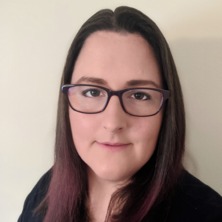
Dr Melinda Ashcroft is a Research Fellow on Infectious Disease Epidemiology (Climate Change) in the Faculty of Medicine at The University of Queensland (UQ). Her current research focus is on Nontuberculous mycobacteria (NTM) and how NTM infections are associated with climate change and major weather events. Previously Melinda has worked at Monash University as a Research Fellow on the Sero-epidemiology of Klebsiella spp., at the University of Melbourne as a Postdoctoral Research Fellow on the Genomic Epidemiology of Neisseria gonorrhoeae and as a Research Associate at UQ on the genomics and epigenomics of extraintestinal pathogenic Escherichia coli. Melinda was awarded a Bachelor of Applied Science (Biotechnology/Biochemistry) in 2004 from Queensland University of Technology and a Master of Biotechnology in 2013 from UQ. She then switched fields to Microbial Genomics and was awarded a PhD from UQ in 2019 for her thesis: Evolution and function of mobile genetic elements and DNA methyltransferases in extraintestinal pathogenic Escherichia coli.
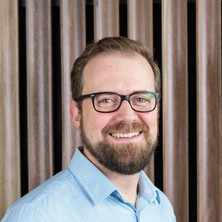
Dr. Bialasiewicz worked at the Royal Children's Hospital and the Children's Health Queensland HHS for over 18 years conducting translational research and clinical support centering on infectious disease (primarily viral and bacterial) molecular diagnostics, general microbiology and molecular epidemiology. In 2019, he became a group leader at The University of Queensland's Australian Centre for Ecogenomics, expanding on a growing interest in the microbial ecology of the human body, it's role in health and disease, and ways to manipulated to achieve desirable outcomes. One Health microbial ecology, where human health is interconnected with the health of animals (both livestock and wildlife), and the broader environment is also an area of active interest. His background in virology has influenced the work he does, meaning a key focus of his microbial ecology works centres around the interactions between all types of microorgansims (bacteria, archaea, viruses, fungi, and micro-eukaryotes).
Ongoing work includes:
- Leveraging of emerging technologies to explore the hidden microbial diversity and their interactions in the human body.
- Using the technology to develop microbial (e.g. phage)-based treatments or preventatives to complex diseases (e.g. Otitis Media, Chronic Rhinosinusitis, GvHD).
- Understanding the genetics of antibiotic resistance spread.
Faculty of Health, Medicine and Behavioural Sciences
Availability:
Not available for supervision
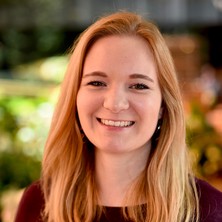
Dr Sandra Brosda is a Research Fellow within the Surgical Oncology group led by Professor Andrew Barbour.
Dr Brosda was awarded a PhD in bioinformatics and cancer genetics from the University of Queensland in November 2020. Her research focuses on biomarker discovery and intra-tumour heterogeneity and tumour evolution in oesophageal adenocarcinoma (OAC). In 2021, Dr Brosda was awarded a Cure Cancer Australia PdCCRS grant and an MSH project grant to further investigate tumour evolution to improve precision medicine in OAC.
She has been involved in research projects covering genetics, epigenetics, spatial transcriptomics, radiomics, ctDNA and quality of life assessments in the context of cancer. Overall, her research applies bioinformatics tools and approaches to cancer genomics to improve precision medicine and health outcomes for patients with melanoma, oesophago-gastric cancer and pancreatic cancer.
Australian Institute for Bioengineering and Nanotechnology
Availability:
Available for supervision
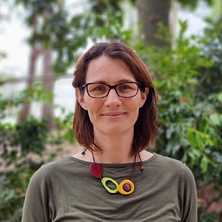
Helen Gunter is a Senior Postdoctoral Fellow at the Australian Institute for Bioengineering and Nanotechnology. Dr. Gunter is partnering with Oxford Nanopore Technologies and the BASE Facility to benchmark a comprehensive test of mRNA vaccine quality. Helen has authored 25 publications, with 10 as first author, one as senior author, and 14 as middle author. She has published in influential journals such as Nature, Nature Communications and Translational Psychiatry. Helen’s work has attracted >$2M in funding from Oxford Nanopore (2023), the Genome Innovation Hub (2021), Deutesche Forschungsgemeinschaft (2011), a Zukunftskolleg Fellowship (2008) and from the University of Konstanz (2013).
Faculty of Health, Medicine and Behavioural Sciences
Availability:
Available for supervision
Media expert
I am a developmental neuroscientist and bioinformatician interested in the molecular evolution of the mammalian brain. I completed a PhD on the molecular development of vasculature in the primate retina at the Australian National University, followed by a postdoctoral position at the Institut de la Vision in France that was supported by a NHMRC CJ Martin fellowship, where I investigated the role of guidance factors in the formation of commissural neurons within the mammalian hindbrain. My current research focuses on the development and evolution of the mammalian forebrain, in particular understanding the regulatory mechanisms and molecular evolutionary processes that control specification of cortical neuron subtypes.
Faculty of Health, Medicine and Behavioural Sciences
Availability:
Not available for supervision
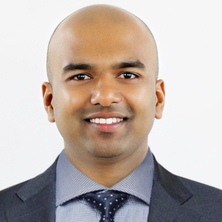
Dr. Akila Wijerathna-Yapa is an interdisciplinary Biotechnology scientist and Postdoctoral Research Fellow at the Frazer Institute, University of Queensland, with over 12 years of expertise spanning Biochemistry, Molecular Biology, and Bioinformatics. Holding a PhD in Biochemistry from The University of Western Australia, an MSc in Molecular Biology from The Hebrew University of Jerusalem, an MBA from the University of Staffordshire, and B.Sc. (Hons.) Sp. Biotechnology from The Wayamba University of Sri Lanka, he brings a rare combination of deep scientific expertise and strategic project management insight to the life sciences.
Dr. Wijerathna-Yapa's research is defined by his ability to integrate advanced technologies—including mass spectrometry-based proteomics, peptidomics, metabolomics, lipidomics, NMR spectroscopy, and transcriptomics—to unravel molecular complexities and translate multi-omics data into actionable insights. His work spans molecular biology, cell culture bioprocess optimisation, clinical biomarker discovery, and spatial biology, with postdoctoral experience at The University of Queensland and Dalhousie University, and collaborative partnerships with leading research institutions across Sri Lanka, China, Israel, Australia, and Canada.
With a strong foundation in advanced statistical data analysis and a proven track record in project management and scientific communication, Dr. Wijerathna-Yapa bridges the gap between scientific discovery and practical innovation. He has authored over 25 peer-reviewed publications and has been recognised with prestigious international awards including the Australian Government Global Talent Independent visa and fellowships from the Higher Education Academy (FHEA, UKPSF). He is passionate about leveraging interdisciplinary knowledge to drive transformative advancements in biotechnology and life sciences.