Faculty of Engineering, Architecture and Information Technology
Availability:
Available for supervision
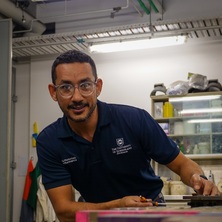
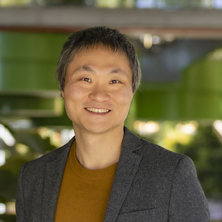
Dr. Yahia Ali serves as a research fellow and lecturer within the School of Mechanical and Mining Engineering at the University of Queensland, Australia. His primary research focus centers on applying scientific principles to address industrial challenges. He earned his PhD from the University of Queensland, while his MSc and BSc were obtained from the German University in Cairo. Throughout his career, he has amassed extensive expertise in areas such as alloy design, solidification, tribology of materials, and characterization techniques.
In conjunction with his academic responsibilities, Dr. Ali collaborates closely with the UQ Materials Performance (UQMP) consulting group. This interdisciplinary interaction between research and consulting significantly shapes his research direction, particularly in tackling industrial issues. As an illustration, Dr. Ali and his team have developed a distinctive range of devices for evaluating the performance of wear-resistant materials against abrasion and fracture. In Australia, Dr. Ali and his team holds a pivotal role in advancing the mining sector, providing innovative materials solutions, spanning from failure investigation to the development of novel materials. Through consecutive endeavors, they have influenced substantial business decisions for renowned companies like Rio-Tinto, Bradken, Molycop, IXL Metal Casting, Trelleborg, and others, often involving multi-million-dollar investments.
In 2023, Dr. Ali was honored as an Advance Queensland Industry Fellow, with a specific focus on developing sustainable alloys tailored for Queensland's agricultural and mining sectors. Additionally, he leads several projects concentrated on devising new testing techniques that can be conducted in the laboratory while preserving the authentic complexity of the industrial field environment.
Australian Institute for Bioengineering and Nanotechnology
Availability:
Available for supervision
Media expert
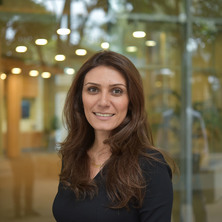
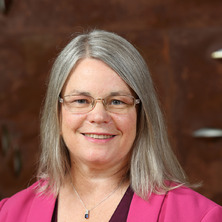
I am the Group Leader of Bio-inspired Materials Research at the Australian Institute for Bioengineering and Nanotechnology, The University of Queensland. My research focuses on transforming agricultural waste into innovative solutions for tackling environmental, health and plastic waste issues. My mission extends beyond research and into commercialisation and leading the development of scalable, future-ready manufacturing platforms that deliver sustainable real-world impact. I am dedicated to fostering partnerships across industry, academia, Indigenous communities and government, utilising waste as a valuable resource to advance the environment, food and health sectors. My approach is clear: turning challenges into opportunities for a sustainable future.
I am a strong advocate for cultural diversity and equity, and I support staff and students in growing into more effective leaders and in creating social good.
In recognition of my contributions to nanomaterials engineering and research excellence, I have received several awards, including being one of the winners of AgriFutures Australia and growAG.Catalyst Program(2024), one of the Queelsnand Tall Poppy Award winners(2024), The Eight Australian Women Who Are Shaking up the World Of Science (Marie Claire, 2020), one of Australia’s Top 5 Scientists (ABC/UNSW, 2018), Queensland Women in STEM Prize- judges choice award (2017), Women in Technology Life Sciences and/or Infotech Rising Star Award (2016), AIBN Research Excellence Award (2016), a Class of 2014 Future Leader award and Best poster prize at the Australian Nanotechnology Network ECR Entrepreneurship workshop(2015).
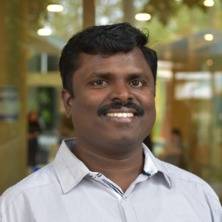
Dr. Pratheep Annamalai is a polymer and nanomaterials scientist with a keen interest in engineering materials for sustainable living. He is an Adjunct Senior Research Fellow at the School of Agriculture and Food Sciences. He has extensive expertise in both translational and fundamental research using nanotechnological tools towards sustainability. Currently, he is interested in alternative proteins and valorisation of agricultural crops and food waste into reactive, building blocks for improving the performance and utility of bioproducts. Thematically, his research focuses on
Food Processing (plant-based food products)
Bioproducts (from agri-food waste)
Sustainable building blocks (for advanced materials).
Before joining UQ, Pratheep studied Chemistry in University of Madras, received PhD in Chemistry from University of Pune (India), then went on to work as a postdoctoral researcher on hydrophobic membranes at the Université Montpellier II (France), and on ‘stimuli-responsive smart materials’ at the Adolphe Merkle Institute - Université de Fribourg (Switzerland).
Upon being instrumental in the discovery of ‘spinifex nanofibre nanotechnology’ and establishing Australia’s first nanocellulose pilot-plant, he has been awarded UQ Excellence awards for leadership and industry partnerships for 2019. Recognising his contribution to the nanomaterials, polymer nanocomposites, polymer degradation and stabilisation regionally and globally, he has been invited to serve as a committee member for ISO/TC229-WG2 for characterisation of nanomaterials (2016), a mentor in TAPPI mentoring program (2018), guest/academic editor for various journals (Fibres, Int. J Polymer Science, PLOS One). He has served as a member of the UQ-LNR ethics committee for reviewing the applications (2017-) and a member of the AIBN-ECR committee in 2014.
Faculty of Engineering, Architecture and Information Technology
Affiliate of Centre for Advanced Materials Processing and Manufacturing (AMPAM)
Centre for Advanced Materials Processing and Manufacturing
Faculty of Engineering, Architecture and Information Technology
Availability:
Available for supervision
Media expert
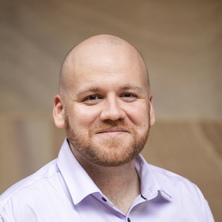
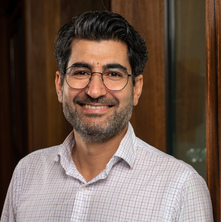
Mitch is an Advance Queensland Industry Research Fellow in the UQ Composites group within the Centre for Advanced Materials Processing and Manufacturing (AMPAM).
Mitch's research focuses on creating structures that have electromagnetically interesting properties, such as integrated antenna functionality, transparency to radiofrequency (RF) waves or shielding from electromagnetic interference. His Fellowship focuses on developing novel high-temperature antennas for hypersonic flight, in partnership with Hypersonix Launch Systems and DMTC Limited.
Mitch has interest in a wide range of material research activities, including:
multifunctional composite materials,
non-destructive evaluation,
novel material systems,
high-temperature and hypersonic applications,
novel RF/antenna applications for Defence and space.
He received his PhD from UQ in 2018 for his work on the detection of laminar damage in composite laminates using nonlinear ultrasonic techniques. Recently, he has worked extensively on industry technology development and innovation projects focused around multifunctional composite materials and conformal, load-bearing antenna structures.
Affiliate of Dow Centre for Sustainable Engineering Innovation
Dow Centre for Sustainable Engineering Innovation
Faculty of Engineering, Architecture and Information Technology
Affiliate of ARC Training Centre for Bioplastics and Biocomposites
ARC Training Centre for Bioplastics and Biocomposites
Faculty of Engineering, Architecture and Information Technology
Affiliate of Centre for Marine Science
Centre for Marine Science
Faculty of Science
Professor
School of Chemical Engineering
Faculty of Engineering, Architecture and Information Technology
Availability:
Available for supervision
Media expert
BIO:
Noun (n): I am a Professor in polymer processing in Chemical Engineering, a chief investigator in Advanced Materials Processing and Manufacturing (AMPAM) centre, a chief investigator/director of external links of the ARC industrial transformation training centre (ITTC) in bioplastics and biocomposites, a chief investigator in food and beverage accellerator (FaBA).and a chief investigator in the solving plastic waste cooperative research centre (spwCRC).
Verb (v): I work at the translational research interface between universities and industry. Specifically my research involves rheology, processing and product design of bio-based materials, polymers and nanocomposite materials. I lead translational research projects in biopolymers and biofluid platforms for agrifood, biomedical and high-value manufacturing sectors which attract government and industry funding; and produce patents, licences. industrial know-how as well as fundamental papers.
History (h): I have worked in industry (SRI international, Sola Optical, Moldflow), have worked in five cooperative research centres (CRCs -Food Packaging, Sugar Innovation, Polymers, Fighting Food Waste, Solving Plastic Waste), have acquired and managed continuous government and industry research projects since 1994, was heavily involved in the spinoff of Plantic Technologies from the CRC food packaging in 2002 (and ongoing research support with them until 2016), and was involved in the research that led to the TenasiTech (TPU nanocomposite) spinoff from UQ in 2007.I am a fellow of the institute of chemical engineers (IChemE) and a fellow of the Royal Australian Chemical Institute (RACI). I am on the editorial board of the Plastics, Rubbers and Composites, Starch, the Journal of Renewable Materials, Green Materials and Functional Composite Materials-Springer-Nature. I have experience on the boards of the UQ Dow Centre, the UQ RTA Centre, and the UQ-HBIS Sustainable Steel Innovation Centre. I won IChemE Shedden Uhde Award and Prize for excellence in Chemical Engineering (2004), the CRC Sugar innovation award (2008), the CRCPolymers Chairman’s award for research and commercialisation (2011), and have received the CRC Association Technology Transfer Award, twice, in 2002 and 2015.
Research:
Current projects are focused on developing new sustainable and bio-based polymers and biochemicals from formulation through to degradation/disposal, understanding processing of nanostructured polymers, developing smarter biopolymers and materials for biomedical, drug delivery, food and high value applications, understanding rheology and processing of a range of polymer, foods and liquids and is involved in new initiatives in circular plastics.
Teaching and Learning:
My teaching has spanned Introduction to Engineering Design, Engineering Thermodynamics, Polymer Engineering, Process Economics, Research Thesis and Engineering Management. I am developing new courses in Sustainability and the Circular Economy. My overall teaching goal is to be a relevant, well organised, enthusiastic and empathetic enabler of learning using multiple teaching and learning modes, and be highly connected to current industrial practices and cutting edge research.
International links
I have been a visiting or invited professor at ENSICAEN-University, Caen, Normandy, University of Nottingham, Queen’s University Belfast, the University of Strasbourg and Institut national des sciences appliquées (INSA) de Lyon in France. I have strong international collaborations with the US Department of Agriculture, Albany, USA; Colorado School of Mines, USA; AnoxKaldnes, Sweden; University of Bradford, University of Warwick, University of Nottingham, University of Sheffield, UK, SCION, NZ; Michigan State University, USA, and many Australian universities.
Faculty of Engineering, Architecture and Information Technology
Centre Director of Nanomaterials Centre
NanoMaterials Centre
Faculty of Engineering, Architecture and Information Technology
Availability:
Available for supervision
Dr Jingwei Hou received his Ph.D. in Chemical Engineering from the University of New South Wales in 2015. He then joined the UNESCO Centre for Membrane Science and Technology (2015-2017) and University of Cambridge (2017-2019, affiliate of the Trinity College) for this post-doctoral research. In 2019, he returned Australia as an ARC DECRA Fellow at the School of Chemical Engineering, University of Queensland. He was named the ARC Future Fellow in 2021 and then NHMRC Emerging Leadership 2 Fellow and ARC Mid-Career Industry Fellow in 2025. He is currently an Associate Professor and the group leader of the Functional Materials Engineering (FME) Lab, leading a team of enthusiastic and talented researchers in pushing the boundaries of science.
Dr Jingwei Hou has attracted over $9m AUD external research funds as the lead CI or sole CI, and contributed over 40 plenary, keynote and invited talks. So far, he has 1 book chapter and 150+ publications in highly-ranked international peer-reviewed journals (including lead author publications in Science, Nature Communications, CHEM, Cell Report Physical Science, JACS, Angew Chem, Advanced Materials, Journal of Membrane Science, ChemComm etc), which attracted over 11k+ citations and an H index of 63. He is the Membrane Separation Theme Leader of the ARC Centre of Excellence for Green Electrochemical Transformation for Carbon Dioxide (2023-2029). His main research focuses on understanding the physical properties of the microporous materials and translating them into useful devices for membrane separation, optics, energy storage and catalysis.
Faculty of Engineering, Architecture and Information Technology
Availability:
Available for supervision
Media expert
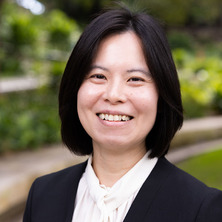
Professor Bronwyn Laycock has a diverse background in translational research, working not only in academia but also in industry and as a consulting chemist as well as at CSIRO. Her research activities have ranged from bio/degradable polymers, composites, organic and organometallic synthesis, waste conversion technologies, and pulp and paper chemistry, to general polymer chemistry. She is currently working across a range of projects with a focus on materials for circular economy applications and management of the transition to the new plastics economy. The application areas in her research program include biopolymers (particularly polyhydroxyalkanoates), polymer lifetime estimation and end-of-life management/conversion technologies, biocomposites, controlled release matrixes for pesticide and fertiliser applications, polyurethane chemistry, and biodegradable packaging.
She has a strong history of successful commercialisation and impact, being a co-inventor on CSIRO's extended wear contact lens program (recognised as its fourth most significant invention) - for which she was awarded a joint CSIRO Medal for Research Achievement 2009. As a Project Leader and Deputy Program Leader within the CRC for Polymers, she also managed a project that delivered an oxodegradable thin film polyethylene that was commercially licenced by Integrated Packaging. This work earned the team a Joint Chairman’s Award for research/commercialization (CRC for Polymers) and an Excellence in Innovation Award (CRC Association).
Affiliate of Dow Centre for Sustainable Engineering Innovation
Dow Centre for Sustainable Engineering Innovation
Faculty of Engineering, Architecture and Information Technology
ARC DECRA
School of Chemical Engineering
Faculty of Engineering, Architecture and Information Technology
Availability:
Available for supervision
Dr Feng Li is an ARC DECRA Fellow at The University of Queensland, specialising in electrochemical CO₂ conversion, electrocatalysis, ion-exchange membranes, electrolysers, and multiscale modelling. His research focuses on developing efficient and durable technologies for converting CO into valuable fuels and chemicals, with particular interests in catalyst design, membrane transport, reactor engineering, and carbon capture and utilisation.
Dr Li received his PhD in Chemistry from the University of Waterloo in 2022 , where he investigated structural transformations in nanocatalysts for CO₂ electrolysis using multiscale modelling.
From 2022 to 2026, he worked at the University of Toronto with Prof. David Sinton and Prof. Edward Sargent, developing advanced electrocatalysts, membranes, and electrolyser architectures for CO₂ electrolysis and capture.
His current research integrates electrocatalyst design, membrane science, and computational modelling to understand and control reaction and transport processes from the molecular scale to practical electrochemical systems.
Dr Li has published 42 peer-reviewed articles, including 20 as first, co-first, or corresponding author, in leading journals including Nature Energy, Nature Catalysis, Nature Sustainability, Nature Synthesis, Nature Communications, JACS, Energy & Environmental Science, Joule, and Angewandte Chemie.
Faculty of Health, Medicine and Behavioural Sciences
Availability:
Available for supervision
Media expert
Dr Abbas Shafiee is leading a multidisciplinary program in Regenerative Dermatology and Biofabrication. His research integrates stem cell biology, organoid technology, and bioengineering to develop advanced human models and regenerative therapies for skin repair and disease.
Dr Shafiee completed his PhD in stem cell biology, discovering a previously unknown vascular stem cell population, termed the Meso-Endothelial Bipotent Progenitor, and mapping its molecular signatures (Stem Cell Reports 2018). This seminal discovery advanced the understanding of human vascular development and regeneration.
He subsequently joined Distinguished Professor Dietmar Hutmacher’s group, where he developed humanised tissue-engineered bone and tumour models that mimic cancer metastasis and tumor–stroma interactions. These models (International Journal of Cancer (2018), Biomaterials (2018, 2020), and Bone Research (2019), Acta Biomaterialia (2020), Bone (2022)) provided unprecedented insights into human-specific cancer biology and preclinical drug testing.
Dr Shafiee joined Metro North Health (MNH) in 2020 to lead a research program and develop, implement, and evaluate the applications of 3D printing, scanning, cell therapies, and biofabrication technologies in skin wound settings, and dermatology research. His team has developed vascularised and immune-integrated skin organoids and 3D-printed bioengineered grafts that accelerate wound closure with minimal scarring (Biomaterials 2021; Advanced Healthcare Materials (2022; 2025); Small 2024; Burns & Trauma 2025). These breakthroughs underpin new patient-specific skin disease models, and drug screening platforms (Acta Biomaterialia 2025). He is the lead inventor on an international patent protecting an Optimized Method for Generating Human Skin Organoids (WO/2025/097221), which forms the foundation for emerging commercial and translational partnerships. This body of work led to the establishment of the International Consortium for Organoid Research in Dermatology, a global network accelerating discovery and translation in skin biology, rare genetic skin diseases, and regenerative dermatology.
Dr Shafiee has secured >AUD $2.4M as Chief Investigator (>AUD $1.1M as CIA) in competitive research funding from national, international, philanthropic, and industry-supported schemes. Dr Shafiee has supervised more than ten PhD, Masters, honours students and contributed to multiple professional, editorial, and scientific leadership roles. He has authored over 88 peer-reviewed publications (>5,500 citations, h-index 40) and delivered more than 50 invited, keynote, and plenary presentations internationally. He serves on multiple professional and editorial boards, including Australian Wound & Tissue Repair Society (AWTRS), Burns & Trauma, and Engineered Regeneration. In recognition of his pioneering contributions to regenerative medicine and science communication, he has received multiple honours, including the 2024 Frazer Institute Rising Star Award, the 2025 AWTRS EMCR Award, and the 2025 Queensland Young Tall Poppy Science Award, and selection as a 2026 TEDx speaker, recognising his leadership in translating complex science to global audiences.
He actively engages with the media, schools, and community programs to inspire future scientists and raise public awareness of regenerative medicine and organoid technologies. His outreach has reached millions nationwide through major media coverage (e.g., The Australian, 7NEWS, ABC NEWS) .
Research areas:
Human iPSC-derived skin organoids and skin-on-chip models
Vascularization and immune integration in skin tissue engineering
Rare genetic skin diseases and personalized regenerative therapies
Translational biofabrication and wound healing technologies
Organoid-based preclinical drug discovery platforms
Honours, Masters, and PhD opportunities are available for motivated students interested in regenerative dermatology, biofabrication, and organoid biology.
Affiliate of Dow Centre for Sustainable Engineering Innovation
Dow Centre for Sustainable Engineering Innovation
Faculty of Engineering, Architecture and Information Technology
Postdoctoral Research Fellow
School of Chemical Engineering
Faculty of Engineering, Architecture and Information Technology
Availability:
Available for supervision
Dr Kaige Sun is a Postdoctoral Research Fellow at ARC Centre of Excellence for Green Electrochemical Transformation of Carbon Dioxide (GETCO2) and UQ Dow Centre for Sustainable Engineering Innovation at The University of Queensland. He received his PhD degree in Chemical Engineering from The University of Queensland, where his research focused on electrochemical ion separation and selectivity. His current main research interests centre on green electrochemical techniques for energy and environmental applications, such as electrochemical CO2 capture and conversion, electrochemical deionization, and the development of advanced biomass-derived electroactive materials. To date, he has published over 27 peer-reviewed publications in Nature indexed/top-tier journals, including Advanced Functional Materials, Advanced Energy Materials, Advanced Materials, Environmental Science & Technology, Chemical Reviews, etc.
Topics related to current research interests:
1. Energy-efficient electrochemical CO2 capture and direct air capture
2. Tailoring microenvironment for electrocatalytic CO2 reduction to valuable chemicals
3. Electrochemical ion separation and recovery
4. High-value utilization of biomass to electroactive materials
Affiliate of Centre for Advanced Materials Processing and Manufacturing (AMPAM)
Centre for Advanced Materials Processing and Manufacturing
Faculty of Engineering, Architecture and Information Technology
ARC Early Career Industry Fellow
School of Mechanical and Mining Engineering
Faculty of Engineering, Architecture and Information Technology
Availability:
Available for supervision
Dr. Xin Fu Tan is a Lecturer in Mechanical Engineering and an ARC Early Career Industry Fellow (2025-2027). Their research interests encompass the areas of electronics manufacturing, hydrogen storage materials, synchrotron radiation techniques, and electron microscopy. Prior to this, Dr. Tan was employed as a Postdoctoral Research Fellow at The University of Queensland, working on an ARC Discovery Project titled "Intermetallic compounds for high-reliability electronic interconnections" (2020-2024). Additionally, Dr. Tan held a Japan Society for the Promotion of Science (JSPS) International Research Fellowship at Kyushu University, contributing to the project "Improving Metal Hydrides to Diversify Energy Storage and Transportation" (2022-2024), as nominated by the Australian Academy of Science (AAS).
Dr. Tan completed their PhD thesis at The University of Queensland in 2020, focusing on the development of novel anode materials for lithium-ion batteries. Between 2010 and 2016, Dr. Tan worked as a Material Scientist at Hydrexia Pty. Ltd., a start-up company specialising in commercialising solid-state hydrogen storage systems based on lab-developed technology from The University of Queensland. They earned a Bachelor's degree (1st class honours) in Mechanical and Manufacturing Engineering at The University of Melbourne and a Master's degree in Advanced Engineering Materials at Chalmers University of Technology in Sweden. These experiences have endowed Dr. Tan with unique research expertise across various Materials Engineering fields, encompassing both academic and industrial settings.
Faculty of Engineering, Architecture and Information Technology
Affiliate of Dow Centre for Sustainable Engineering Innovation
Dow Centre for Sustainable Engineering Innovation
Faculty of Engineering, Architecture and Information Technology
Availability:
Available for supervision
Dr Tebyetekerwa is an ARC DECRA Fellow and Sub-Group Leader at UQ Dow Centre for Sustainable Engineering Innovation and ARC Centre of Excellence for Green Electrochemical Transformation of Carbon Dioxide(GETCO2), working with Professor Xiwang Zhang. His current main research interests at UQ School of Chemical Engineering rotate around water and electrochemical systems such as electrochemical CO2 capture and conversion to valuable chemicals and electrochemical production of hydrogen peroxide and/or hydrogen. He is deeply interested in designing scalable and industry-relevant chemical cells and generators. He completed his PhD from The Australian National University (ANU), where his research focused on optical spectroscopy and advanced characterization of semiconducting materials and their devices (Supervised by Prof Dan Macdonald, A/Prof. Dr. Hieu T. Nguyen and Prof. Yuerui (Larry) Lu). Dr Tebyetekerwa also holds a Master's in Materials Processing Engineering from Donghua University, Shanghai, where his research focused on fibrous materials for flexible energy storage (Supervised by Academician Meifang Zhu and A/Prof Shengyuan Yang). Mike supervises projects for undergraduate, master's, and PhD students on topics related to the following research interests;
Scalable electrochemical production of hydrogen peroxide and/or hydrogen from water*
Scalable electrochemical CO2 capture and reduction to valuable chemicals*
Reconstructed graphite for sodium-ion batteries
High surface area electrospun fibre materials for various applications
Aggregation-induced emission (AIE) molecules and their engineered applications
Light-matter understanding of 2D materials and other semiconductor materials for optoelectronics*
*Currently funded and active ongoing projects
Featured works
2022: His work on 2D materials (https://www.cell.com/cell-reports-physical-science/fulltext/S2666-3864(21)00213-7) was selected in the Cell Reports Physical Science “Influential papers-2021” and "Editor's Choice-2021" collection.
2021: His works (https://pubs.rsc.org/en/content/articlehtml/2017/sc/c8ee02607f) and other co-authored works (https://www.science.org/doi/full/10.1126/science.abb8687), ( https://doi.org/10.1016/j.carbon.2017.11.012 ) are listed as "Highly Cited Papers" and "Hot Papers" in Web of Science.
2020:His work on nanofibers has continuously been listed as one of the highly cited articles for Advanced Fiber Materials (https://doi.org/10.1007/s42765-020-00049-5), since it was published to date.
2019:His work on nanofibers ( https://doi.org/10.1021/acsaem.7b00057 ) was listed as the most-read article for ACS Applied Energy Materials in 2018.
In addition to his research, Mike lectures Sustainable Energy Technologies and Supply Systems (ENGY7000) course as part of the Master of Sustainable Energy (MSE) program.
Faculty of Engineering, Architecture and Information Technology
Affiliate of The Nanomaterials Centre
NanoMaterials Centre
Faculty of Engineering, Architecture and Information Technology
Availability:
Available for supervision
Dr Zhiliang Wang is an ARC Future fellow in The University of Queensland. He has focused on renewable energy conversion processes, including green hydrogen production, carbon dioxide fixation, methane conversion and plastic upcycling. He has accumulated experience in the design of functional materials for achieving sustainable energy utilization and the circular economy. He has published over 110 papers in top-tier journals with over 11,000 citations. Until now, Dr Zhiliang Wang has attracted over $3M research funding. He has been awarded with the J G Russell Award by the Australia Academy of Science, UQ Foundation of Research Excellent Award by UQ and other prizes.
Affiliate of Dow Centre for Sustainable Engineering Innovation
Dow Centre for Sustainable Engineering Innovation
Faculty of Engineering, Architecture and Information Technology
Honorary Fellow
School of Chemical Engineering
Faculty of Engineering, Architecture and Information Technology
Availability:
Not available for supervision
Dr Xiangkang Zeng is currently an Honorary Research Fellow at the UQ Dow Centre, School of Chemical Engineering, The University of Queensland. He received his PhD in Chemical Engineering from Monash University in 2017. He subsequently undertook postdoctoral research at the Hong Kong University of Science and Technology and Monash University before joining UQ as an ARC DECRA Research Fellow (2022-2025) and UQ Amplify Lecturer (2025-2026).
Dr Zeng’s research focuses on functional materials and redox catalysis for energy and environmental applications, particularly electrocatalysis, photocatalysis, peroxide synthesis, CO₂ conversion, and energy storage. He has published more than 60 peer-reviewed papers in leading journals, including Advanced Materials, Advanced Energy Materials, Angewandte Chemie, ACS Catalysis, Applied Catalysis B, Water Research, and Green Chemistry. He also has extensive teaching experience in bioprocess engineering, process principles, thermodynamics, and research thesis supervision.