Affiliate of Centre for Living Experience Research
Centre for Living Experience Research
Faculty of Health, Medicine and Behavioural Sciences
Head of School
Faculty of Health, Medicine and Behavioural Sciences
Affiliate of University of Queensland Centre for Hearing Research (CHEAR)
Centre for Hearing Research
Faculty of Health, Medicine and Behavioural Sciences
Availability:
Not available for supervision
Media expert
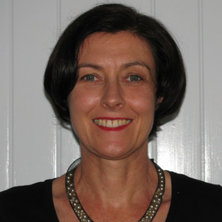
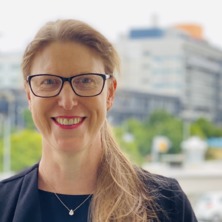
Professor Nerina Scarinci is the Head of School, School of Health and Rehabilitation Sciences, Faculty of Health and Behavioural Sciences at The University of Queensland. Her main research focus is on the implementation and evaluation of patient- and family-centred care for adults and children with communication disability. Professor Scarinci has clinical and research expertise in the development, implementation, and evaluation of alternative models of allied health service delivery, including group interventions, eHealth, and communication partner training. Professor Scarinci has over 20 years clinical and research experience, with expertise in co-design, patient- and family-centred care, and the evaluation and management of communication disability.
University Profile: Professor Nerina Scarinci is a Professor in Speech Pathology and Director of Higher Degree Reserach Students in the School of Health and Rehabilitation Sciences, Faculty of Health and Behavioural Sciences.
Teaching Themes: Professional Practice and Communication Skills, Children with Special Needs in Communication, Paediatric Speech Pathology, Hearing Impairment, Service Delivery, Professional Issues and Ethics
Research interests: Paediatric and Adult Hearing Impairment, Communication Disability, International Classification of Functioning, Disability and Health (ICF), Third-Party Disability, Family-Centred Care, Early Intervention, Co-Design
Grant funding: Professor Scarinci has attained >$10.2 Million in grant funding, with >$4.12 Million as Chief Investigator and >$6.1 Million as Associate Investigator or Program Lead.
Reviewer: International Journal of Speech-Language Pathology; International Journal of Audiology; Ear & Hearing; Speech, Language and Hearing; Disability & Rehabilitation; Child Language Teaching & Therapy, American Journal of Audiology; BMC Geriatrics; Clinical Interventions in Aging.
Editorial Boards: Associate Editor for International Journal of Audiology; Editorial Consultant for International Journal of Speech-Language Pathology.
Professional Memberships: Speech Pathology Australia; The Hanen Centre; Ida Institute.
Affiliate of Centre for Living Experience Research
Centre for Living Experience Research
Faculty of Health, Medicine and Behavioural Sciences
NHMRC Emerging Leadership Fellow
School of Health and Rehabilitation Sciences
Faculty of Health, Medicine and Behavioural Sciences
Availability:
Available for supervision
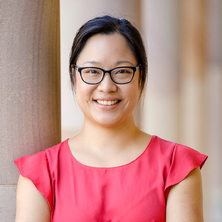
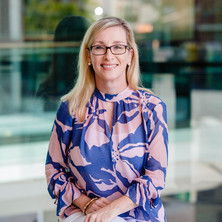
Dr Kirstine Shrubsole is an NHMRC Emerging Leadership Fellow at the Queensland Aphasia Research Centre. She holds a Bachelor of Speech Pathology (First Class Honours) from The University of Queensland, and completed her PhD in 2018. Kirstine has a research focus on improving implementation of evidence into practice in speech pathology and multidisciplinary services, with a special interest in stroke and aphasia rehabilitation. She has demonstrated that practice change is achievable for healthcare teams working in aphasia, leading to positive outcomes for patients, clinicians, and organisations.
Kirstine has published over 60 peer-reviewed journal articles, and has been awarded over $14 million in competitive research funding. Kirstine previously worked as the Conjoint Research Fellow in Speech Pathology (Princess Alexandra Hospital and The University of Queensland), providing research capacity building and mentoring to speech pathologists and supporting multidisciplinary research. Kirstine is the co-founder and Deputy Lead of the Collaboration of Aphasia Triallists’ Implementation Science in Aphasia working group, and a research affiliate of the Centre for Research Excellence in Aphasia Rehabilitation and Recovery.
Kirstine is completing a NHMRC Emerging Leadership Fellowship on the following topic:
The Aphasia Implementation Toolkit Project: Developing an implementation intervention to improve services for stroke survivors with aphasia
She is a chief investigator on three MRFF grants, including:
Unspoken, Unheard, Unmet: Improving Access to Preventative Health Care through Better Conversations about Care
Bridging the Digital Divide: Building Health Self-Efficacy through Communication-Accessible Online Environments
Enhancing utility of neuropsychological evaluation for earlier and effective diagnosis of dementia in Parkinson's disease
Faculty of Health, Medicine and Behavioural Sciences
Availability:
Available for supervision
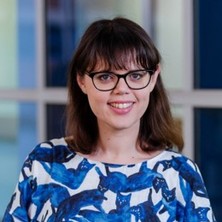
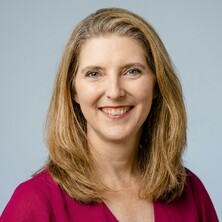
Dr Anelise Silveira is a physiotherapist and early career researcher specializing in musculoskeletal (MSK) conditions, particularly upper extremity disorders. She has a strong interest in non-pharmacological randomized controlled trials (RCTs), systematic reviews (including meta-analysis and network meta-analysis), and co-designing research protocols with people with lived experience to ensure relevance and impact.
Currently, she is a Postdoctoral Research Fellow in Clinical Trials at the STARS Education and Research Alliance and the School of Health and Rehabilitation Sciences, The University of Queensland. Anelise is also affiliated with the Centre for Innovation in Pain and Health Research (CIPHeR), the ANZMUSC Clinical Trials Network, the Queensland Orthopaedic Physiotherapy Network (QOPN), and the Canadian Physiotherapy Association (CPA).
She has contributed to 12 successful grant applications securing over AUD$688,000 and published 19 peer-reviewed papers. She has mentored 10 orthopaedic surgery residents in completing research projects, 4 physical therapists in conducting systematic reviews, 2 physiotherapists in clinical skill development, and numerous research personnel in data collection, RCT procedures, and project management. She previously served as Research Director for the College of Health Sciences at the University of Alberta in Canada, where she also completed her PhD in Epidemiology in 2024. Her doctoral work focused on improving care and return-to-work outcomes for workers with shoulder injuries. Anelise relocated to Australia in March 2025 to begin her fellowship and is welcoming PhD and Master’s students interested in upper-extremity MSK research.
Faculty of Health, Medicine and Behavioural Sciences
Research Officer
School of Health and Rehabilitation Sciences
Faculty of Health, Medicine and Behavioural Sciences
Availability:
Available for supervision
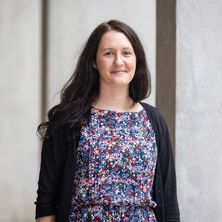
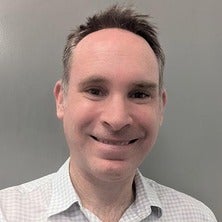
Dr Joshua Simmich is a physiotherapist and digital health researcher at UQ’s RECOVER Injury Research Centre. His work focuses on technology-enabled rehabilitation: how tools such as telerehabilitation, mobile health, wearable sensors, virtual reality, serious games and artificial intelligence can make rehabilitation more accessible, engaging and effective.
Joshua’s research spans remote and hybrid models of physiotherapy care, patient preferences for telerehabilitation, the safety and effectiveness of video-based rehabilitation and exercise, and the evaluation of digital tools for pain monitoring and clinical decision-making. His PhD examined how active video games and wearable sensors could support physical activity in people with chronic obstructive pulmonary disease.
He works with clinical and research teams to design, evaluate and translate digital health innovations for rehabilitation. Current and recent projects include virtual reality for driving anxiety, personalised motorised wheelchair trials using simulation, AI-supported navigation of the Australian healthcare system, GPS-based functional assessment for people with persistent pain, and serious games for physiotherapy education.
Joshua is available to supervise students interested in digital health, telerehabilitation, technology-enabled rehabilitation, AI in healthcare, virtual reality, wearable sensors, physical activity and rehabilitation service delivery.
Faculty of Health, Medicine and Behavioural Sciences
Availability:
Available for supervision
Media expert
Dr Melinda Smith (nee Franettovich) is a Lecturer in the School of Health and Rehabilitation Sciences. She also works as a Physiotherapist at Clem Jones Centre Physio & Rehab and delivers online and face to face professional development workshops for health professionals. Her research, teaching and clinical focus is lower limb musculoskeletal function and health, with a special interest in the foot and ankle. Melinda's aim is to enrich people's lives by facilitating physical activity and sport participation through improving the prevention, assessment and treatment of lower limb musculoskeletal pain and injury.
Her research publications extend across several areas including lower limb function, sports and running related injuries, taping, foot orthoses, footwear, measurement of foot posture and mobility, gait-retraining and musculoskeletal imaging. She has contributed to three book chapters including neuromuscular control of the foot and ankle, advances in magnetic resonance imaging, and sports medicine (foot). Melinda has presented her research at international and national conferences across several fields including Physiotherapy, Podiatry and Sports Medicine. The impact of her research in the clinical setting is evidenced by invitations from professional organisations, private practices and hospital departments to deliver professional development for their health professionals. Through her research she has collaborated with school, community and elite level sporting clubs and associations, physiotherapy private practices and footwear manufacturers. Melinda's mission is to conduct high quality, innovative research that engages with community and industry partners to deliver impactful outcomes.
Faculty of Health, Medicine and Behavioural Sciences
Availability:
Available for supervision
Media expert
Zephanie is a Senior Research Fellow and occupational therapist based at the Child Health Research Centre, and a member of the management team of the Centre for Children’s Burns and Trauma Research, Brisbane. She has a clinical background specialising in paediatrics and burn care. She has worked clinically and in management positions at Royal Children’s Hospital, Brisbane, in private practice and in research capacity building positions in hospitals and health services.
Since 2013 Zephanie’s research has focussed on developing and validating patient-reported outcome measures, as well as using these measures therapeutically for clinical decision making. She led the development of four versions of the Brisbane Burn Scar Impact Profile which have been translated into Czech and are undergoing cross-cultural validation for Brazilian Portuguese. She has a vision of providing all children and their caregivers with an opportunity to communicate their needs and priorities during treatment in a paediatric hospital or health service.
Her current program of work includes collaborative work with children, their caregivers and health professionals to co-design and test the effectiveness and implementation of technology-based interventions in clinical settings to improve quality of life. These interventions include a web-based intervention for paediatric health professionals to support the psychosocial health of families with a child who has experienced physical trauma, and an electronic intervention for children with skin conditions and their caregivers that provides feedback about the patient's health-related quality of life to health professionals. Zephanie also has a continued interest in investigating the effectiveness and implementation of novel interventions to prevent or improve the impact of skin conditions in children and their families. This includes the use of ablative fractional CO2 laser, medical needling, pressure garment and silicone therapy, medical hypnosis and interventions to promote adherence and reduce the burden of treatment.
Affiliate of Centre for Innovation in Pain and Health Research (CIPHeR)
Centre for Innovation in Pain and Health Research
Faculty of Health, Medicine and Behavioural Sciences
Lecturer in Physiotherapy
School of Health and Rehabilitation Sciences
Faculty of Health, Medicine and Behavioural Sciences
Availability:
Available for supervision
Dr Viana Vuvan is a titled Musculoskeletal Physiotherapist and Lecturer in Physiotherapy at The University of Queensland. Viana has a strong clinical background in musculoskeletal physiotherapy, with experience in managing a wide range of musculoskeletal and sports-related injuries. Viana has a special interest in the management of upper limb musculoskeletal disorders and enjoys sharing her experience with students in the undergraduate and postgraduate physiotherapy programs. Viana is an active member of the Sports Injury Rehabilitation and Prevention for Health (SIRPH) research unit and the Neck and Head Research Unit (NAHRU) at the University of Queensland.
Viana’s research is focused on improving the management of persistent musculoskeletal pain conditions, such as tendinopathies, and better understanding the mechanisms underlying their chronicity. Viana’s PhD research focused on lateral elbow tendinopathy and explored the factors contributing to pain, disability and chronicity within this group. Additionally, Viana has explored similar mechanisms in other tendinopathies, including Achilles, patellar tendinopathy, plantar fasciopathy, as well as in whiplash associated disorders. She has shared her research at numerous state-wide, national and international conferences, and has been awarded for her presentations at several conferences.
Affiliate of Centre for Living Experience Research
Centre for Living Experience Research
Faculty of Health, Medicine and Behavioural Sciences
Affiliate of University of Queensland Centre for Hearing Research (CHEAR)
Centre for Hearing Research
Faculty of Health, Medicine and Behavioural Sciences
Affiliate of Parenting and Family Support Centre
Parenting and Family Support Centre
Faculty of Health, Medicine and Behavioural Sciences
Senior Lecturer
School of Health and Rehabilitation Sciences
Faculty of Health, Medicine and Behavioural Sciences
Availability:
Available for supervision
I am a speech pathology and hearing researcher specialising in equitable access to early communication intervention. My work focuses on improving how services are designed, delivered, and experienced to support better outcomes for children, families, and underserved communities.
My research sits within health services research and implementation science, with a strong emphasis on real-world impact. I am particularly interested in understanding and addressing disparities in access and engagement across diverse populations.
Key areas of expertise include:
Early intervention for children who are deaf or hard of hearing and/or other communicaiton disability
Access to services and service engagement
Health equity for culturally and linguistically diverse and rural populations
Communication participation and inclusion
Stigma in hearing loss and communication disability
Telehealth and innovative models of care
I use a range of approaches, including mixed methods research, co-design, and large-scale data analysis, to work collaboratively with communities, clinicians, and service providers. My goal is to generate evidence that informs policy and practice, leading to more accessible, inclusive, and effective communication services across the lifespan.
Centre Director of Centre for Living Experience Research
Centre for Living Experience Research
Faculty of Health, Medicine and Behavioural Sciences
Affiliate of Queensland Aphasia Research Centre (QARC)
Queensland Aphasia Research Centre
Faculty of Health, Medicine and Behavioural Sciences
Affiliate of University of Queensland Centre for Hearing Research (CHEAR)
Centre for Hearing Research
Faculty of Health, Medicine and Behavioural Sciences
NHMRC Emerging Leadership Fellow
School of Health and Rehabilitation Sciences
Faculty of Health, Medicine and Behavioural Sciences
Availability:
Available for supervision
Media expert
I am a research leader who believes the best science is built with the people it is designed to serve. As a two-time NHMRC Emerging Leadership Fellow and Certified Practising Speech Pathologist, I lead a transdisciplinary team of more than 20 researchers at the University of Queensland. We work in partnership with consumers, clinicians, communities, government, and industry to co-produce interventions, technologies, systems, and standards that drive real change and serve the public good.
My research themes include: (a) Design and implementation of a national audit system to drive quality improvement in post-stroke aphasia services; (b) Development and implementation of methodological standards to improve aphasia research quality and reduce research wastage; (c) Development of technology-enhanced interventions to support self-management, promote equitable access to information and services, and empower people with communication support needs; (d) Development of fit-for-purpose training and resources for aged care workers to help older Australians have better conversations about aged care.
I am Director of the Centre for Living Experience Research and lead the Qualitative Collective, and the School of Health and Rehabilitation Sciences Communication Research and Engagement Theme (CommRET). I am a UQ Research Integrity Advisor.
Faculty of Health, Medicine and Behavioural Sciences
Professor in Speech Pathology
School of Health and Rehabilitation Sciences
Faculty of Health, Medicine and Behavioural Sciences
Availability:
Available for supervision
Media expert
Prof Ward's research program has focused on adult acute services, including head and neck cancer management, critical care, and general dysphagia management. She conducts research into improving services, evaluating new models of care and new workforce models, digital service delivery models eg., telehealth, as well as clinical training models eg., simulation. Liz is also engaged in exploring the role and benefits of the clinician-researcher workforce within health services.
Prof Ward currently holds a joint position as the Director of the Centre for Functioning and Health (CFAHR), in Metro South Hospital and Health Service, Queensland Health, and, Conjoint Professor with the School of Health and Rehabilitation Sciences, The University of Queensland. Her research has a clinical focus with particular emphasis on projects designed to improve patient outcomes within health services. She has published extensively with over 450 publications to date and has a track record of competitive grant funding across a number of research fields. Liz has been awarded multiple UQ teaching awards and has supervised >40 students to successful completion of their research higher degree. In 2014 Liz was awarded the title of Fellow of Speech Pathology Australia in recognition of her contributions to the profession.
Affiliate of Centre for Living Experience Research
Centre for Living Experience Research
Faculty of Health, Medicine and Behavioural Sciences
Affiliate of Centre for Motor Neuron Disease Research
Centre for Motor Neuron Disease Research
Faculty of Health, Medicine and Behavioural Sciences
Senior Lecturer
School of Health and Rehabilitation Sciences
Faculty of Health, Medicine and Behavioural Sciences
Availability:
Available for supervision
Media expert
Brooke-Mai is a Senior Lecturer in Speech Pathology and a Certified Practicing Speech Pathologist. Her research interests include the rehabilitation of motor speech disorders, brain mechanisms underpinning speech recovery, and the application of telerehabilitation to improve access to speech pathology services.
Affiliate of University of Queensland Centre for Hearing Research (CHEAR)
Centre for Hearing Research
Faculty of Health, Medicine and Behavioural Sciences
Affiliate of Centre for Neurorehabilitation, Ageing and Balance Research
Centre for Neurorehabilitation, Ageing and Balance Research
Faculty of Health, Medicine and Behavioural Sciences
Senior Lecturer
School of Health and Rehabilitation Sciences
Faculty of Health, Medicine and Behavioural Sciences
Availability:
Available for supervision
Media expert
I am a physiotherapist with a clinical specialty in the management of individuals with neurological conditions and vestibular disorders. I have a keen interest in examining how the body's balance systems, including the inner ear (vestibular system), eyes (ocular system), and sensory modalities (touch, proprioception), interact with the brain to optimize movement control, functionality, physical activity, and participation outcomes for individuals affected by neurological and vestibular pathologies. This includes conditions such as multiple sclerosis, cerebellar dysfunction, traumatic brain injury, stroke, Parkinson's disease, myasthenia gravis, motor neuron disease, concussion, Meniere's disease, vestibular migraines, acoustic neuromas, and age-related vestibular dysfunction. Additionally, I am interested in the influence of lifestyle choices on vestibular system functioning and integration, particularly how factors such as physical activity, community integration, sleep, and overall wellness affect both neurological and vestibular conditions, including Meniere's disease, vestibular migraines, and age-related vestibular dysfunction.
Faculty of Health, Medicine and Behavioural Sciences
Availability:
Available for supervision
Media expert
I'm a cognitive neuroscientist working to understand the neurobiology of language and use that knowledge to improve outcomes for people with aphasia.
I lead the Language Neuroscience Laboratory, where our research spans three themes:
the neuroanatomy of the language network—how language is represented in the brain and localised in individuals
functional reorganisation in neurological patients, especially recovery from aphasia after stroke
developing aphasia assessments that are practical in fast-paced healthcare settings, ecologically valid, psychometrically sound, multilingual, and free.
Faculty of Health, Medicine and Behavioural Sciences
Availability:
Not available for supervision
Media expert
I am an Advanced Accredited Practicing Dietitian (AdvAPD), and currently hold positions at the Royal Brisbane and Women’s Hospital (Research Coordinator, Nutrition and Dietetics), and University of Queensland (Senior Research Fellow, Centre for Health Services Research).
My research program aims to improve nutrition care in Australian hospitals to prevent avoidable hospital-acquired complications and optimise patient outcomes, particularly for older inpatients. My research program consists of extensive observational research to establish the size and impact of the problem, qualitative research to understand patient, caregiver and staff perspectives and opportunities, and pragmatic implementation research to test, compare and evaluate different models of nutrition care in practice. Through my research, I am to improve care of people accessing health services across the continuum of care, with a particular interest in frailty, preventing delirium and functional decline, and person-centred care.
My research has been of interest nationally and internationally, receiving Research in Practice awards at national Dietitians Australia conferences, Young Achiever Award by the Dietitians Association of Australia in 2014 and New Researcher Award at the International Congress of Dietetics in 2012. My leadership and contribution to the dietetics profession was recently recognised through receiving the prestigious Barbara Chester Memorial Award.
I have an interest and developing expertise in consumer engagement in research and health service improvement, and I am regularly asked to speak on this topic at conferences, forums and panel discussions. I am proud of work I co-led with a health consumer to develop a co-design framework in Metro North Health. This framework is freely available online for anyone to use: https://metronorth.health.qld.gov.au/get-involved/co-design.
I am an implementation scientist and have facilitated workshops on this topic at UQ, QUT, University of Adelaide and Metro North HHS within a team of local and international experts. I was part of the team that developed the Allied Health Translating Research into Practice (AH-TRIP) initiative, which aims to increase knowledge translation capacity for health professionals. https://www.health.qld.gov.au/clinical-practice/database-tools/translating-research-into-practice-trip/translating-research-into-practice.
As a passionate advocate for the training and career pathways for clinician-scientists, I have supervised 3 PhDs to completion, and is currently supervising 6 research higher degree candidates (5 of whom are embedded health professionals within the health system), 4 early career research fellows and nearly 40 dietetics research honours students.