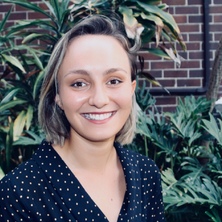
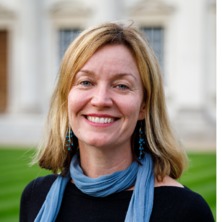
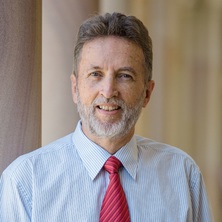
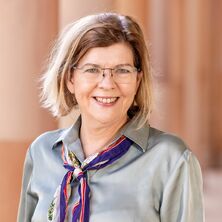
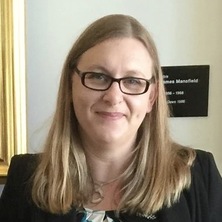
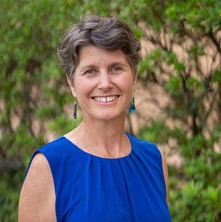
Elizabeth-Rose Ahearn is a Postdoctoral Research Fellow in the School of Social Sciences at the University of Queensland (UQ). Her research centres on measuring and evaluating the impact of charitable not-for-profit organisations, as well as other purpose-driven entities, including those in the public sector, social enterprises, corporate social responsibility efforts, and social impact bonds. She has a particular interest in leveraging digital technologies to enhance impact measurement, improve management processes, and support evidence-based decision-making. Elizabeth-Rose has extensive experience as an evaluator, having collaborated with a diverse range of for-purpose organisations, including a research secondment with the Department of Social Services focused on digital tools for advancing Australia's social impact investing sector. Alongside her role at UQ, she serves as the Co-Chair of the Queensland chapter of the Social Impact Measurement Network of Australia (SIMNA).
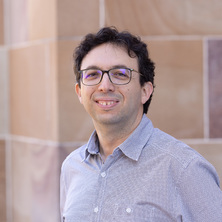
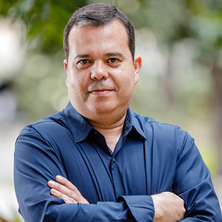
Lemi Baruh (Ph.D. University of Pennsylvania, Annenberg School for Communication, 2007) is a Senior Lecturer at the School of Communication and Arts at the University of Queensland. He is the co-founder of the Social Interaction and Media Lab at Koç University, Istanbul. His research spans various topics, including the effects of social media on interpersonal attraction, surveillance, online security, privacy in online environments, and the role of media in shaping public opinion. His recent work also investigates misinformation and conspiracy theories in the context of health communication, with a particular focus on the COVID-19 pandemic and the influence of news and social media on public perceptions and behaviors related to health.
Centre Director of ARC COE for Children and Families Over the Lifecourse
ARC COE for Children and Families Over the Lifecourse
Faculty of Humanities, Arts and Social Sciences
Availability:
Not available for supervision
Media expert
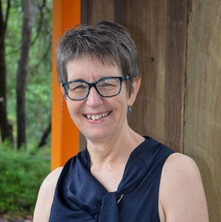
Janeen Baxter is Director of the Australian Research Council Centre of Excellence for Children and Families over the Life Course and Kathleen Fitzpatrick Laureate Fellow in the Institute for Social Science Research.
Janeen has research interests in social disadvantage, gender inequality, household and family dynamics, life course and longitudinal studies and has published widely in these areas, as well as supervising the research of numerous higher degree students and research fellows.
Janeen has served on several editorial boards for national and international journals and has been a member and Chair of the College of Experts for the Australian Research Council. Janeen is an elected fellow of the Academy of Social Sciences and the U.S. National Academy of Sciences. She is currently a member of several government advisory committees including theCommonwealth Department of Social Services Child Support Expert Committee and the Australian Bureau of Statistics Life Course Data Initiative Household and Family Structures Working Group. Janeen is also a member of the CEDA Council on Economic Policy and the Social Policy Research Centre Advisory Board.
Faculty of Health, Medicine and Behavioural Sciences
Availability:
Available for supervision
Leanne is an academic specialising in Indigenous public health. She has a strong background as a health practitioner, executive manager in both the Australian Government and Aboriginal Community Controlled Health Services, and as an international public health consultant. She has extensive experience teaching using a strengths-based approach as opposed to the deficit model, and supports other staff to utilise culturally-safe teaching practices across health professional education programs at both the undergraduate and postgraduate level. She was a co-lead on the Game Changing Education - Embedding Indigenous knowledges in the training and development of the health workforce in a culturally safe transformative learning environment project, funded through both teaching fellowship and teaching innovation grants, which have been implemented in both the HaBS and Medicine faculties. Leanne and the Indigenous Health Education and Workforce Development team from UQ and the Institute for Urban Indigenous Health were awarded two prestigious and highly competitive awards: the Business & Higher Education Roundtable Award for Outstanding Collaboration in Higher Education and Training, and the Australian Awards for University Teaching Award for Programs that Enhance Learning. Leanne brings this knowledge and experience to her role as Co-Chair of the World Federation of Public Health Associations' Public Health Professionals' Education and Training Working Group, which has published the results of a curriculum mapping project benchmarked against the Global Charter for the Public’s Health. She is also a member of the Steering Committee and Technical Advisory Group for the World Health Organization project on national workforce capacity to implement the essential public health functions.
Affiliate of Centre for Innovation in Pain and Health Research (CIPHeR)
Centre for Innovation in Pain and Health Research
Faculty of Health, Medicine and Behavioural Sciences
Senior Research Fellow
School of Health and Rehabilitation Sciences
Faculty of Health, Medicine and Behavioural Sciences
Availability:
Available for supervision
Dr Nathalia Costa is a Senior Research Fellow at the University of Queensland's cLinical TRials cApability (ULTRA), located within the Faculty of Health, Medicine and Behavioural Sciences. Her career goal is to enhance the evidence base from clinical trials and deepen the understanding of healthcare issues through qualitative and mixed methods, with a focus on theoretically grounded, critical, reflexive and collaborative approaches. She is passionate about bringing different types of knowledge and stakeholders together to generate perspectives that create change and make research, practice and education more inclusive and nuanced. She advocates for pluralist inquiries and believes research should go beyond the dualism “quantitative/qualitative” to achieve the intersubjective understandings needed for impactful collective action. Her methodological expertise includes:
Systematic, scoping and rapid reviews
A range of qualitative methods and methodologies including but not limited to interviews, photo-elicitation, ethnography, Delphi studies, surveys, focus groups, document and policy analysis, thematic analysis, content analysis, and discourse analysis
Embedding qualitative research in feasibility trials to inform large-scale clinical trials
Conducting qualitative research to inform the development of implementation strategies
Use of systems-thinking frameworks to identify opportunities for interdisciplinary and intersectoral action to target health problems
Applying social theory to deepen understanding of healthcare and health more broadly
Participatory and collaborative research with key stakeholders (e.g., patients, clinicians, academics, policymakers)
Her publications (60+) span a diverse range of themes, including musculoskeletal conditions, pain, policy, sociology and culturally responsive care. She has also taught across a range of disciplines, including research methods, musculoskeletal physiotherapy, sociology applied to health, fundamentals of physiotherapy, fundamentals of health care, health policy, health economics and health systems finance.
Her research focuses on aspects of low back pain - from exploring ways to navigate uncertainty in low back pain care to identifying avenues to improve it within the Australian healthcare system. She is currently investigating how to optimise recruitment within the FORENSIC trial, which aims to evaluate if lumbar fusion surgery is more beneficial than continuing with best conservative care for patients with persistent severe low back pain who have already undergone non-surgical treatment.
Alongside collaborators, Nathalia has garnered grants (AUD$7.5M) and awards, including an international award for one of her PhD studies, awarded by the International Society for the Study of the Lumbar Spine – the 2021 ISSLS Prize for Lumbar Spine Research (Clinical Science).
Prior to her current appointment, she was a Post-doctoral Research Fellow at the School of Health and Rehabilitation Sciences (UQ - 2021), a Post-doctoral Research Associate at the Sydney School of Public Health (The University of Sydney, 2021-2022), and a Lecturer in Physiotherapy at the Sydney School of Health Sciences (The University of Sydney, 2023). Nathalia serves as an Associate Editor for Qualitative Health Research and the Journal of Humanities in Rehabilitation.
Faculty of Health, Medicine and Behavioural Sciences
Availability:
Available for supervision
Media expert
Katherine Cullerton is an Associate Professor in the School of Public Health. She joined the School in 2018 following postdoctoral research at the MRC Epidemiology Unit, University of Cambridge, UK, where her work explored the question of whether, and under what circumstances, it is appropriate for nutrition researchers to engage with the food industry. Katherine’s current research focuses on understanding why evidence does not consistently inform public policy. In particular, she examines the strategies employed by the corporate sector to influence policy and investigates how public health advocates can more effectively shape policy outcomes in Australia, with a special emphasis on the roles of framing and public opinion.
A/Prof Cullerton is also the Co-Program Director for the Master of Public Health.
Faculty of Health, Medicine and Behavioural Sciences
Research Fellow
School of Health and Rehabilitation Sciences
Faculty of Health, Medicine and Behavioural Sciences
Availability:
Available for supervision
Dr Jonathan Davies is a chronic pain researcher working to improve how pain is understood, assessed and treated. His research focuses on pain phenotyping, precision pain care, and the psychological, physiological and contextual factors that shape pain and treatment response.
At UQ’s Centre for Innovation in Pain and Health Research, he contributes to DISCERN, an NHMRC Synergy-funded multidisciplinary research program developing and validating new approaches to pain assessment. A major focus of his work is DECIPHER PAIN, a standardised, multimodal tool designed to characterise the relative contributions of nociceptive, neuropathic and nociplastic pain and support more personalised care.
His research integrates clinical assessment, quantitative sensory testing, experimental pain methods, psychophysiology, digital health and population data. He is particularly interested in how physiological signals, behaviour, language, psychosocial context and real-world health data can be combined to better understand individual differences in pain and treatment outcomes.
His broader expertise includes placebo and nocebo effects, mindfulness, mental health, quality of life, health outcome measurement and population health. His work aims to support more precise, scalable and patient-centred approaches to pain research and care.
Affiliate of ARC Research Hub for Sustainable Crop Protection
ARC Research Hub for Sustainable Crop Protection
Queensland Alliance for Agriculture and Food Innovation
Availability:
Available for supervision
Media expert
Pedro Fidelman is an Associate Professor and Principal Research Fellow at the Centre for Policy Futures, The University of Queensland, where he leads the Environment and Climate Change research theme.
His research examines how governance systems address emerging sustainability challenges. He studies the institutions, policies, regulations and decision-making processes that shape responses to changing environmental, societal and technological conditions.
His work spans diverse sustainability contexts, including water and catchment governance, climate adaptation, biodiversity conservation, marine and coastal governance, sustainable agriculture, the blue economy and emerging sustainability technologies. A major focus of his current research is the governance, policy and regulatory implications of emerging sustainability technologies, including reef restoration and adaptation, offshore renewable energy and RNA-based biotechnologies.
Alongside his empirical research, Pedro develops innovative approaches for analysing governance systems, including governance analytics, comparative governance and AI-assisted qualitative analysis.
His research has informed national and international policy initiatives and has been cited in policy documents produced by governments and international organisations across multiple countries. He has served as Coordinating Lead Author (Oceans and Coasts) for the United Nations Global Environment Outlook 7.
Faculty of Health, Medicine and Behavioural Sciences
Availability:
Available for supervision
Media expert
Professor Christian Gericke is a Neurologist and Public Health Physician. He directs the Canberra Specialist Epilepsy Centre at Deakin Private Hospital in Canberra and consults at Cadogan Medical in Brisbane.
He is Clinical Professor of Medicine at the Australian National University, Honorary Professor of Public Health at the University of Queensland, Convener of the Specialist Medical Review Council (SMRC) for the Australian Government and Visiting Scholar at the Uehiro Oxford Institute, University of Oxford. He regularly acts as an Independent Medical Expert for the Supreme Courts and the Coroners Courts in all Australian jurisdictions and for the High Court of Justice in England (King's Bench).
Previously, he worked as an academic neurologist at Calvary Mater Newcastle, the Prince Charles Hospital in Brisbane, King’s College Hospital in London, and Sheffield Teaching Hospitals.
After graduating from medical school in Berlin, he trained in neurology at the Charité, followed by fellowships in adult and paediatric epilepsy in Strasbourg and Geneva. He holds two research doctorates and master's degrees from the University of Cambridge, the London School of Economics and the University of Melbourne.
He chairs the Neuroepidemiology Section of the American Academy of Neurology (AAN) and serves on the International League against Epilepsy (ILAE) Standards and Best Practice Council.
Affiliate of Minerals Industry Safety and Health Centre
Minerals Industry Safety and Health Centre
Faculty of Engineering, Architecture and Information Technology
Affiliate of Centre for Social Responsibility in Mining
Centre for Social Responsibility in Mining
Faculty of Engineering, Architecture and Information Technology
Research Fellow
Sustainable Minerals Institute
Faculty of Engineering, Architecture and Information Technology
Availability:
Available for supervision
Jill is a research methodologist and data analyst specialist who supports quantitative, qualitative and mixed method research at CSRM for government and non-government agencies, organisations and community bodies. For over 15 years, Jill has applied her expertise to develop ways that enable organisations to assess and improve the health, safety and well-being of their workforces and their neighbouring communities.
School of Political Science and International Studies
Faculty of Humanities, Arts and Social Sciences
Availability:
Not available for supervision
Media expert
Professor Brian Head joined the University of Queensland in mid-2007 after holding senior roles in government, universities, and the non-government sector. He is the author or editor of several books and numerous articles on public management, governance, social isues and environmental policy. His major interests are evidence-based policy, complex or 'wicked' problems, program evaluation, early intervention and prevention, collaboration and consultation, public sector integrity, and leadership. He has undertaken several consultancies on program evaluation, policy review, organisational performance, and good governance processes. He has strong interests in applied research across many areas of public policy and governance, and is committed to building closer links between the research and policy sectors. His recent books include Wicked Problems in Public Policy (2022, Palgrave, open access), Reconsidering Policy (2020, Policy Press, co-authored), and Learning Policy, Doing Policy (2021, ANU Press, co-edited).
Affiliate of ARC COE for Children and Families Over the Lifecourse
ARC COE for Children and Families Over the Lifecourse
Faculty of Humanities, Arts and Social Sciences
Head of School
Faculty of Health, Medicine and Behavioural Sciences
Availability:
Available for supervision
Media expert
Professor Karen Healy AM is Head of the School of Nursing, Midwifery and Social Work at the University of Queensland. A leading social work academic, she is deeply committed to health equity, family inclusion, integrated care, and social justice. Her research examines and develops community-based responses to child and family welfare and to health and wellbeing across the life course with people experiencing adversity and disadvantage. She also conducts research on trust breaches and repair in a range of community group and non-government organisations.
Karen has established and leads a program of research partnerships with government, non-government and lived-experience organisations, underpinning a collaborative program of work with strong policy and practice impact. She has led award-winning initiatives such as Young Mothers for Young Women, a midwifery–social work–peer support program for young parents. Working closely with Micah Projects, Karen leads a team conducting the first Australian practice trial of Family Connections, a family inclusive approach to keeping child safe and families together. She has also contributed to the development of integrated care models for people experiencing homelessness, combining physical, mental, and maternal health services. She is the author of several influential books on social work theory, methods and communication.
Professor Healy chairs Clinical Care and Governance for Anglicare Southern Queensland, which provides health and community services across the life course.
In 2016, she was appointed a Member of the Order of Australia (AM) for her contribution to social work in child protection, higher education, and research. In September 2018, she was appointed a Principal Fellow of the Higher Education Academy (UK).
Affiliate of Centre for Living Experience Research
Centre for Living Experience Research
Faculty of Health, Medicine and Behavioural Sciences
Affiliate Research Fellow of T.C. Beirne School of Law of T.C. Beirne School of Law
School of Law
Faculty of Business, Economics and Law
Affiliate of Queensland Aphasia Research Centre (QARC)
Queensland Aphasia Research Centre
Faculty of Health, Medicine and Behavioural Sciences
Research Fellow
School of Health and Rehabilitation Sciences
Faculty of Health, Medicine and Behavioural Sciences
Availability:
Available for supervision
Michelle is a sociologist and lawyer: her research focuses on decision-making and the operation of law and regulation in practice for people with disabilities and other impairments to communication and legal capacity. She has research interests in the sociology of law, decision-making (supported and substituted), legal personhood, the UNCPRD, disability law, legal and administrative transition to adulthood, communication impairments, and profound intellectual disability. Her work examines decision-making in practice in a range of areas, including health and aged care, banking and finance, income support, and the NDIS. Michelle is trained in both qualitative and quantitative methods, and has extensive experience in research development, design, and practice, as well as health consumer research and co-design.
Michelle works on the MRFF funded project: Unspoken, Unheard, Unmet: Improving Access to Preventative Health Care through Better Conversations about Care. She leads the experience gathering stage of the project, the co-design elements of the work, and the development of guidelines about communication, decision-making, and aged care.
Michelle is also a consumer and disability advocate, with experience in strategic policy development, implementation, and evaluation, including the co-design of state level strategy for transition to adulthood health care, and on Australia’s National Living Evidence Taskforce. She is also the consumer board Chair of Child Unlimited, a consortium of researchers, clinicians, and consumers working towards best evidence-based practice in health care for children and young adults with chronic ill health and disabilities, and co-chair of the consumer advisory committee for the ARC Centre of Excellence Life Course Centre.
Affiliate of UQ Poche Centre for Indigenous Health
UQ Poche Centre for Indigenous Health
Faculty of Health, Medicine and Behavioural Sciences
Affiliate of Centre of Architecture, Theory, Culture, and History
Centre of Architecture, Theory, Culture and History
Faculty of Engineering, Architecture and Information Technology
Associate Professor
School of Public Health
Faculty of Health, Medicine and Behavioural Sciences
Availability:
Available for supervision
Media expert
Associate Professor Nina Lansbury (also published as Nina Hall) is an environmental public health research and teaching academic at The University of Queensland’s School of Public Health. Her current research at UQ examines environmental health aspects that support the health and wellbeing of remote Indigenous community residents (as a non-Indigenous Australian) on both mainland Australia and in the Torres Strait in terms of housing, water and sanitation, and women's health. She also investigates the impacts of climate change on human health; at a global level, this involves a role as Coordinating Lead Author on the Intergovernmental Panel on Climate Change (IPCC AR7 WG II Ch 9, and formerly as a Lead Author in AR6) as well as a focus on remote Indigenous communities in Australia. In her teaching of undergraduate and postgraduate health students, she covers wicked health problems, integrative and interdisciplinary thinking in health, environmental health, and climate change impacts on health. Within the research sector, she was a senior research scientist at CSIRO, manager of the Sustainable Water program at The University of Queensland, and senior research consultant at the Institute for Sustainable Futures, UTS. Within the non-government sector, she was the director of the Climate Action Network Australia and research coordinator at the Mineral Policy Institute.
Affiliate of ARC COE for Children and Families Over the Lifecourse
ARC COE for Children and Families Over the Lifecourse
Faculty of Humanities, Arts and Social Sciences
Postdoctoral Research Fellow
Institute for Social Science Research
Faculty of Humanities, Arts and Social Sciences
Availability:
Not available for supervision
Suri Li is a Postdoctoral Research Fellow at the Institute for Social Science Research, University of Queensland and the Centre of Excellence for Children & Families over the Life Course. Her current work centres on gender inequality and family dynamic across life course and explores the interplay of gender relations in the public and private spheres.
Prior to her current position, she holds a BSc and MSc in Finance, as well as an MA in Public Policy from the University of Edinburgh, the UK and a PhD in Sociology at Trinity College Dublin, Ireland. Her DPhil Thesis focus on the relationship between household resources and child wellbeing in Ireland, Australia and the UK using longitudinal data from birth cohort studies.
As an agricultural and resource economist, Thilak Mallawaarachchi focuses on building resilient and sustainable food, agricultural and natural resource systems under climate, market and policy uncertainty. His work combines economics, public policy and systems thinking to improve decision-making across agriculture, agribusiness, water and environmental management.
With over 35 years of international experience across Australia, Asia and Africa, Thilak has contributed to research and policy development on climate adaptation, agricultural productivity, water allocation, food systems, natural resource management and rural development. He has worked with governments, industry and international development agencies to address challenges affecting farmers, communities and ecosystems.
Current multidisciplinary research focuses on economic modelling and policy analysis to inform institutional arrangements in agriculture, food systems and land management, including:
• Agricultural economics and rural development • Risk management and resilience • Industrial organisation and entrepreneurship • Collective decision-making and cooperation • Contract theory and its applications • Environmental and resource economics
His work has informed major Australian policy initiatives, including climate adaptation strategies, Murray-Darling Basin water reform and national food policy, while supporting agricultural development programs across the Asia-Pacific and Africa aimed at improving agricultural productivity, reducing food loss and waste, and enhancing market access.
Faculty of Engineering, Architecture and Information Technology
Emeritus Professor
School of Social Science
Faculty of Humanities, Arts and Social Sciences
Availability:
Not available for supervision
Media expert
Lorraine Mazerolle is an Emeritus Professor at The University of Queensland, School of Social Science and an Australian Research Council Laureate Fellow (2010–2015). She received the Companion of the Order of Australia (AC) in the General Division on Australia Day 2024 “for eminent service to education, to the social sciences as a criminologist and researcher, and to the development of innovative, evidence-based policing reforms.” Professor Mazerolle has published 5 books, 4 edited books, over 180 scientific journal articles and 46 book chapters. Her work has been cited more than 14,000 times. Her research interests are in experimental criminology, policing, drug law enforcement, regulatory crime control, and crime prevention. She has held many academic leadership roles including Co-Chair of the Crime and Justice Group (Campbell Collaboration), Editor-in-Chief of the Journal of Experimental Criminology and Chair of the American Society of Criminology’s (ASC) Division of Experimental Criminology. She is an elected Fellow and past president of the Academy of Experimental Criminology (AEC), and an elected fellow of the Academy of the Social Sciences Australia and the American Society of Criminology (ASC). Professor Mazerolle is the recipient of the ASC Division of Experimental Criminology Jerry Lee Lifetime Achievement Award (2019), Partners in Research Excellence Award The University of Queensland (2019), Distinguished Achievement Award of the Center for Evidence Based Crime Policy at George Mason University (2019), ASC Sellin-Glueck Award (2018), the ASC Division of Policing Distinguished Scholar Award (2016), the AEC Joan McCord Award (2013), and the ASC Division of International Criminology Freda Adler Distinguished Scholar Award (2010). She has won numerous US and Australian national competitive research grants on topics such as partnership policing, police engagement with high-risk people and disadvantaged communities, community regulation, problem-oriented policing, police technologies, civil remedies, street-level drug enforcement and policing public housing sites.
Faculty of Health, Medicine and Behavioural Sciences
Availability:
Available for supervision
Associate Professor Matthew McGrail is the Head of Regional Training Hubs research at UQ’s Rural Clinical School. Joining UQ in Nov 2017, he is based at the Rockhampton Clinical Unit, and he is chair of the research and evaluation working group of UQ’s Regional Medical Pathway as well as chair of UQ RCS’s medical graduate cohort longitudinal tracking study (UQ MediCoS). He is widely known for co-developing Australia's Modified Monash Model rurality classification, applied to most health research and policies.
Matthew has a particular interest in the ongoing concerns with medical workforce distribution, connecting that through his research and evaluation to health policies, training pathways and healthcare systems. To date he has been a chief investigator on two separate Centres of Research Excellence, one on medical workforce dynamics and the other on rural and remote primary health care access. He has also co-researched with various GP training organisations, specialty colleges, rural workforce agencies, as well as state and commonwealth health departments
Matthew has worked in the university sector for over 25 years, working mostly as a researcher in rural health. He was originally trained as a statistician, expanding his skills across GIS and software development, completing his PhD in 2008. He has been lead biostatistician on 3 large NHMRC-funded RCTs that are published in the world-leading general medical journal, the Lancet. Matthew’s research is mostly centred on improved access to health care for rural populations, mainly focused in the medical sector. He has a unique blend of ‘generalist’ research skills and experience across the disciplines of statistics, geography, rural health, econometrics, public health and clinical research.
Faculty of Health, Medicine and Behavioural Sciences
Availability:
Available for supervision
Herston Campus
Allyson Mutch is an Associate Professor in Health Systems in the School of Public Health, University of Queensland and a Senior Fellow in the Higher Education Academy. Her research uses qualitative methods to investigate the social determinants of health and the health and wellbeing of people who are socially excluded and experiencing disadvantage. Allyson's research is firmly embedded in community, with strong links to community organisations that ensure their needs are represented.