Faculty of Health, Medicine and Behavioural Sciences
Professorial Research Fellow and Group Leader
Queensland Brain Institute
Faculty of Health, Medicine and Behavioural Sciences
Availability:
Available for supervision
Media expert
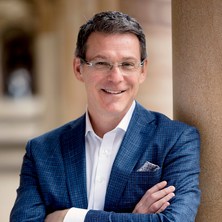
Research in the Bredy laboratory is aimed at elucidating how the genome is connected to the environment through epigenetic modifications, and how this relationship shapes brain and behaviour throughout life. The group is particularly interested in how epigenetic mechanisms, including DNA methylation, histone modifications. the activity of non-coding RNAs, and RNA modification regulate the formation and maintenance of associative fear-related memory.
Faculty of Engineering, Architecture and Information Technology
Research Fellow
Australian Institute for Bioengineering and Nanotechnology
Availability:
Available for supervision
Dr. Wenyi Gu’s early education was conducted in China which include his undergraduate and master’s degrees in veterinary medicine. In 1996, he migrated to Australia and pursued his PhD study in biochemistry & molecular biology at the Australian National University (ANU). After a short period of work at John Curtin Medical School ANU as a junior scientist, he moved to Brisbane in 2001 for his post-doc at the University of Queensland and currently a post-doctoral research fellow at AIBN. He held a Peter Doherty Fellowship (2006-2009) and was further supported by NHMRC to spend 7 months at Harvard University as a visiting fellow in 2008. Since his post-doctoral research he has been working in the area of using RNAi to treat viral diseases and cancers. He also has a strong background in immunology and vaccine development.
Australian Institute for Bioengineering and Nanotechnology
Availability:
Available for supervision
Dr Giovanni Pietrogrande is based at the Australian Institute for Bioengineering and Nanotechnology (AIBN), where he is the Synthetic Neuroimmunology Theme Leader.
He leads the development of advanced human brain and spinal cord organoid models to study neuroinflammation, demyelination and neurodegeneration, with a particular focus on how microglia, oligodendrocytes and other neural cells interact to drive diseases such as multiple sclerosis and motor neuron disease, and on using this knowledge to identify and test new therapeutic strategies. His research program is supported by competitive funding from HNMRC, MS Australia, MND Research Australia and FightMND, underscoring the translational impact and clinical relevance of his work.
Together with his team, he works on a broad range of problems, from engineering next-generation immune-based cell therapies and endowing central nervous system organoids with a functional immune system, to modelling their interactions with immune cells to fully reproduce neurodegenerative and neuroinflammatory pathologies. The group also leverages synthetic biology to design new strategies to rebalance neuroinflammation, promote remyelination and repair neural circuits.
Faculty of Health, Medicine and Behavioural Sciences
Availability:
Available for supervision
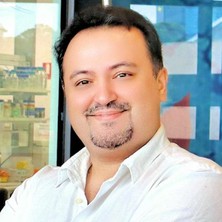
I am a Principal Investigator (PI) and a senior research officer (SRO) at Mater research – UQ with excellent clinical and research laboratory skills and expertise in conducting and analyzing laboratory assays and resolving complex research and clinical laboratory problems. I can describe myself as determined, reliable, studious, conscientious, attentive, industrious, diligent, and focused on the timely, quality completion of all lab procedures. I am able to work well under pressure and time constraints within high-volume environments both independently and in collaboration within a team. I am also a highly self-motivated and career-oriented individual with a genuine interest in addressing cancer molecular mechanisms with the goal of developing novel cancer therapeutics and immunotherapy focusing on tumor microenvironment, immunoregulation and signaling pathways in cancer and metastasis.
Faculty of Engineering, Architecture and Information Technology
Availability:
Available for supervision
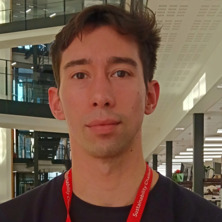
Dr Mauro Torres is a Lecturer in the School of Chemical Engineering at the University of Queensland, and leads a research group working at the interface of engineering and biology. designing living cells so that they behave in reliable, controllable ways
Background
Many of our most important medicines are made by cells, and a growing number of new treatments are living cells. Dr Torres's research changes how cells work by engineering the molecular mechanisms controlling how cells grow, produce therapeutic products, and respond to their surroundings, so they can be put to use more effectively. The same set of tools applies across very different goals: 1) Make biological medicines more efficiently, 2) Build cells that act as effective therapeutics, and 3) Develop tools for controlling gene expression. These goals focus of transforming how we make protein-, cell and gene therapeutics.
Dr Torres holds a PhD in Molecular Biology at the University of Manchester, and undergraduate in Chemical Engineering. His interdisciplinary background defines his approach to problems spanning the two fields. Before joining UQ, he was awarded a Leverhulme Trust Early Career Fellowship, which supported the establishment of his independent research group at Manchester. His current programme extends these principles to synthetic biology and to the engineering of cells for manufacturing biologics and advanced therapies, with industrial partnership as main focus for translating research into manufacturing settings.
Dr Torres welcomes new academic collaborations and enquiries from prospective research students.
Research areas
Mammalian synthetic biology including designing genetic circuits that confer predictable, controllable behaviour on mammalian cells.
Metabolic and secretory engineering for reprogramming cellular metabolism and the secretory pathway to improve the production of complex biologics in industrial cell lines.
Cell engineering for advanced therapies including stem cells for enhancing their immunomodulatory function and therapeutic output.
Biomanufacturing of cell and gene therapies for improving the production of the cells and viral vectors used in advanced therapeutic products.
Collaboration and supervision
Dr Torres actively seeks new academic collaborations, both within his field and across disciplines, and is particularly interested in working with researchers in immunology, disease biology, clinical translation, bioprocessing, and computational modelling. He also welcomes applications from prospective PhD and MPhil students with backgrounds in engineering, biotechnology, or the molecular life sciences. Enquiries, accompanied by a curriculum vitae and a brief statement of research interests, are warmly received.