Faculty of Health, Medicine and Behavioural Sciences
Senior Research Fellow
School of Dentistry
Faculty of Health, Medicine and Behavioural Sciences
Availability:
Available for supervision
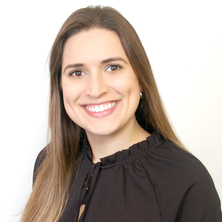
Dr. Helena Schuch is a senior research fellow at the School of Dentistry, University of Queensland.
She is a dentist and an oral epidemiologist with special interest in social epidemiology. Helena is also interested in methods to estimate causal inference and on applying machine learning techniques to predict oral health outcomes.
She completed her PhD in Oral Epidemiology at the University of Adelaide (2018) and is currently in the Editorial Board of Community Dentistry and Oral Epidemiology.
Qualifications: BDS, MScDent, PhD
Research Interests: Oral health inequalities. Life course epidemiology. Causal inference methods. Machine learning applied to oral health.
Faculty of Health, Medicine and Behavioural Sciences
Availability:
Available for supervision
Dr Anelise Silveira is a physiotherapist and early career researcher specializing in musculoskeletal (MSK) conditions, particularly upper extremity disorders. She has a strong interest in non-pharmacological randomized controlled trials (RCTs), systematic reviews (including meta-analysis and network meta-analysis), and co-designing research protocols with people with lived experience to ensure relevance and impact.
Currently, she is a Postdoctoral Research Fellow in Clinical Trials at the STARS Education and Research Alliance and the School of Health and Rehabilitation Sciences, The University of Queensland. Anelise is also affiliated with the Centre for Innovation in Pain and Health Research (CIPHeR), the ANZMUSC Clinical Trials Network, the Queensland Orthopaedic Physiotherapy Network (QOPN), and the Canadian Physiotherapy Association (CPA).
She has contributed to 12 successful grant applications securing over AUD$688,000 and published 19 peer-reviewed papers. She has mentored 10 orthopaedic surgery residents in completing research projects, 4 physical therapists in conducting systematic reviews, 2 physiotherapists in clinical skill development, and numerous research personnel in data collection, RCT procedures, and project management. She previously served as Research Director for the College of Health Sciences at the University of Alberta in Canada, where she also completed her PhD in Epidemiology in 2024. Her doctoral work focused on improving care and return-to-work outcomes for workers with shoulder injuries. Anelise relocated to Australia in March 2025 to begin her fellowship and is welcoming PhD and Master’s students interested in upper-extremity MSK research.
Faculty of Health, Medicine and Behavioural Sciences
Availability:
Not available for supervision
Media expert
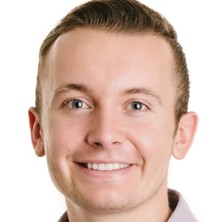
Dr Smith is a very early career academic and Registrar in Intensive Care Medicine & Anaesthesia at Toowoomba Hospital. Despite being at an early stage in his medical and research career, Sam has already gained valuable experience and enthusiasm in medical education and research, crossing clinical and methodological domains.
Dr Smith gained his primary medical qualification at James Cook University, graduating in 2019 with Honours and awards in research/ Evidence Based Medicine, rural medicine, and surgery. His Honours research, supervised by Professor Jonathan Golledge, focussed on the economic impacts of readmission after surgery for peripheral artery disease (PAD). For this research, he was awarded the Professor Philip Walker Scholarship in Vascular Research, allowing him to present his findings internationally. He has co-authored papers in vascular and cardiothoracic surgery, tropical infectious diseases, and care of critically unwell and trauma patients.
Aside from clinical duties, Sam is also active in teaching, guest lecturing at James Cook University and the University of Queensland, as well as teaching medical students in the clinical setting. In his clinical practice, Sam has interests in critical care medicine, vascular access, POCUS and incorporating best evidence into daily practice. Sam is always very keen to share his enthusiasm for all things evidence-based with students or really anyone who will listen.
Qualifications
MBBS (Hons.)
MPH&TM
Graduate Certificate in Clinical Education (current)
Faculty of Health, Medicine and Behavioural Sciences
Availability:
Available for supervision
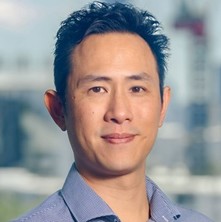
Dr Meng-Wong Taing (Wong) is a registered pharmacist and qualified biostatistician. He graduated from the University of Queensland with a Bachelor of Pharmacy (with Honours Class 1) in 2002, Graduate Certificate in Technology Innovation Management in 2012, PhD in Pharmacy in 2013. After completion of his PhD he worked as a Post-Doctoral Researcher at the Translation Research Institute (TRI) investigating novel drug candidates for the treatment of Type 2 Diabetes and Obesity. In 2014, Wong joined the School of Pharmacy as a Lecturer and was awarded the Dean’s commendation for Research Higher Degree Excellence. He demonstrates a strong commitment to applying advanced statistical methods to health research. With broad expertise in quantitative analysis, he has made significant contributions across diverse disciplines including cell biology, social science, and medical research - leading and supporting collaborative projects that address complex health challenges. His work consistently promotes research transparency, methodological rigour, and interdisciplinary innovation.
Faculty of Health, Medicine and Behavioural Sciences
Availability:
Available for supervision
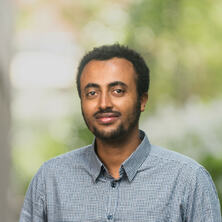
Dr Yonas Tefera is a Research Fellow in psychiatric epidemiology at the Queensland Centre for Mental Health Research (QCMHR), University of Queensland. He specialises in leveraging epidemiological methods and conducting advanced analyses of large-scale population-level administrative datasets related to hospital admissions and primary care. As an epidemiologist, his expertise spans pharmacoepidemiology and health services research. In his current work, he leads linked data analysis of health service data, including hospital, emergency department, community mental health services, and public dental care for people living with mental illness. In addition to health service use, his linked data alnalyses include outcomes for individuals engaged with mental health tribunals and placed on treatment orders. Dr Tefera's interests encompass psychiatric epidemiology, psychopharmacology, pharmacoepidemiology, and the use of advanced statistical and machine learning approaches to understand and enhance care for individuals living with mental illness or substance use problems.
He completed his PhD at Monash University in late 2025, focusing on opioid and psychotropic medicine use among injured Australian workers with back and neck musculoskeletal disorders. His work examined high-risk medicine use patterns, such as initiation, persistence, and co-prescribing of opioids and psychotropics, as well as their impacts on work-related outcomes in this population. His research has improved the understanding of value-based healthcare in Australian workers' compensation schemes. Dr Tefera possesses substantial expertise in diverse clinical research methodologies, robust evidence synthesis, and quantitative data analysis, including causal inference techniques. His experience includes survey-based studies, analysis of multinational surveys, international aggregate datasets, and linked administrative and claims data, as well as injury compensation datasets.
Before undertaking his PhD, Dr Tefera trained as a clinical pharmacist and worked as a lecturer, clinical preceptor, and mentor at the University of Gondar in Ethiopia, teaching courses such as pharmacotherapy, drug informatics, evidence-based medicine, and pharmacoepidemiology. He earned a Master of Public Health with distinction from the University of Manchester and a Master of Science in Clinical Pharmacy from the University of Gondar. His academic excellence has been recognised with several honours, including the Outstanding Student Cup Award from the Ethiopian Pharmaceutical Association and the first-place award for achieving the highest score in his graduating class at the University of Gondar. Additionally, he has received multiple travel grants to present his research at national and international conferences, such as the International Pharmaceutical Federation's World Pharmaceutical Congress and the International Society for Pharmacoepidemiology's Asian Conference on Pharmacoepidemiology.
Associate Member of Centre for Community Health and Wellbeing
Centre for Community Health and Wellbeing
Faculty of Health, Medicine and Behavioural Sciences
Postdoctoral Research Fellow
School of Human Movement and Nutrition Sciences
Faculty of Health, Medicine and Behavioural Sciences
Availability:
Available for supervision
Media expert
Dr George Thomas is a Research Fellow in the School of Human Movement and Nutrition Sciences at The University of Queensland and a member of the ARC Centre of Excellence for the Digital Child. His research focuses on children’s digital technology use, family digital routines, healthy screen use, and child health and wellbeing.
George leads an integrated program of research focused on understanding and improving how families manage children’s screen use. His work spans digital health, behavioural science, public health, and research translation through partnerships with government and industry.
His research has informed international policy and guidelines, including reports from UNESCO and the World Health Organization, and contributes to global initiatives such as the Active Healthy Kids Global Alliance.
George is also committed to education and mentorship, having supervised more than 50 student research projects across psychology, dietetics, and exercise science, and supporting students to work on real-world policy and community initiatives.
Faculty of Health, Medicine and Behavioural Sciences
Availability:
Available for supervision
Media expert
Dr Mike Trott is a Research Fellow with the Queensland Centre for Mental Health Research (QCMHR), The University of Queensland, where he serves as Section Head of Epidemiology and Biostatistics within the Physical and Mental Health Research Group. He specialises in lifestyle psychiatry, clinical trials, and psychiatric epidemiology, with a particular focus on addressing the physical health inequities faced by people with schizophrenia and other severe mental illnesses.
His current research program addresses three major themes:
Physical activity and sedentary behaviour – understanding their impact on mental and physical health and developing interventions, including the effectiveness of movement breaks to reduce sedentary time and cardiometabolic risk in people with schizophrenia, and the risk profiles of different types of sedentary behaviours.
Clinical trials – leading the methodological and statistical aspects of a national platform of several schizophrenia clinical trials to find strategies to improve mental and physical health in this population
Pharmacoepidemiology - using statewide and national linked data to determine the comparative effectiveness of clozapine augmentation strategies for treatment-resistant schizophrenia, as well as examining the mortality gap in several mental illness vs the general population.
Affiliate of Queensland Alliance for Environmental Health Science
Queensland Alliance for Environmental Health Sciences
Faculty of Health, Medicine and Behavioural Sciences
Senior Research Fellow
School of Pharmacy and Pharmaceutical Sciences
Faculty of Health, Medicine and Behavioural Sciences
Availability:
Available for supervision
Media expert
Dr Ben Tscharke is an analytical chemist with a keen interest in quantifying analytes in environmental samples. Ben is currently a Senior Research Fellow at the University of Queensland research institute, Queensland Alliance for Environmental Health Sciences (QAEHS), joining in February 2017 after graduating his PhD from the University of South Australia the previous year. His key focus at QAEHS involves the wastewater based epidemiological approach to determine community consumption and exposure to a range of illicit drugs, pharmaceuticals and personal care products. He leads the Australian Criminal Intelligence Commission's National Wastewater Drug Monitoring program at UQ, which collaborates with the University of South Australia (https://www.acic.gov.au/publications/intelligence-products/national-wastewater-drug-monitoring-program-report).
Faculty of Health, Medicine and Behavioural Sciences
Availability:
Available for supervision
Karen Tuesley is an early career researcher and Lecturer in epidemiology at the School of Public Health, University of Queensland. Karen’s research focuses on women’s health and cancer epidemiology using large longitudinal datasets. Her PhD research used large-scale data to explore the associations between the use of chronic disease medications and the risk of ovarian cancer. She also researches long-term health outcomes for women after gynaecological surgery. Karen works with large observational studies with longitudinal data and is experienced with different analytic techniques and methods including emulated trials and Mendelian randomisation.
Faculty of Health, Medicine and Behavioural Sciences
Availability:
Available for supervision
Dwan is the Group Leader Environmental Epidemiology, Centre for Safe Air Postdoctoral Research Fellow and the Director of the WHO Collaborating Centre for Children's Health and Environment. Dwan has a particular interest in children's environmental health. Her current research explores the following:
Bushfire smoke
Air pollution, especially indoor air quality
Environmentally persistent free radicals
Green space
Climate change and health
The EMBER (Environmental Measures of Bushfire smoke Exposure and Respiratory health) study is a comprehensive investigation into how bushfire smoke affects the respiratory health of children, adults, and firefighters. It integrates environmental sampling, in‑home air quality monitoring, biomarker assessment, and repeated lung‑function testing to build a full picture of smoke exposure from source to health impact. EMBER also uses advanced tools—such as drone technology—to characterise pollutant profiles during fire events, generating evidence to inform public health policy and better protect communities during increasingly frequent smoke events. Learn more at: research.uq.edu.au/ember
Smoke kits: This project responds to the growing health risks posed by increasingly frequent bushfires by developing practical, community‑focused tools to reduce smoke exposure. Recognising that current guidance—such as staying indoors—may not adequately protect families, the initiative creates affordable clean‑air kits that include materials for a DIY filter fan, a user‑friendly handbook, and accessible resources for families. Through hands‑on workshops and broader community outreach, the program supports households in using these kits effectively, aiming to strengthen public health resilience during smoke events.
The EPFR project investigates how environmentally persistent free radicals—combustion‑derived pollutants we have previously identified in Australian homes—contribute to adverse health effects, particularly in children. By examining their presence indoors and their formation during events like bushfires, the project aims to understand how these long‑lived pollutants drive key health impacts associated with air pollution. This work focuses on characterising exposure in Australian households and uncovering how EPFRs influence human health, ultimately supporting efforts to reduce harmful environmental exposures.
Building the Autonomy of Indigenous Communities to Make their Data Work for Decision-Making: This project empowers Indigenous communities in Canada to use their own health and environmental data for better decision-making by hosting a series of Knowledge Symposiums on key topics like children’s environmental health, water contamination, microplastics, and Indigenous health economics. These symposiums bring together community members, researchers, and experts to share knowledge, build local capacity, and co-develop practical tools and strategies. By centering Indigenous voices and fostering data autonomy, the project not only addresses urgent health concerns but also demonstrates leadership in community-driven research, strengthening your profile as a researcher committed to impactful, collaborative, and culturally grounded work.
WHO Collaborating Centre for Children's Health and Environment
Our Collaborating Centre focuses on supporting the World Health Organization in strengthening countries’ capacity to protect children from the health impacts of climate and environmental change. Activities include assisting WHO to assess air quality and climate‑related health risks to children in the Western Pacific Region, developing and revising competency‑based training materials in children’s environmental health, and updates to existing WHO training packages. The workplan also contributes to coordination across the network of WHO Collaborating Centres by providing input to the Collaborative Framework of Action on children’s environmental health and by producing research reviews and thematic analyses on climate‑ and chemical‑related risks to support WHO policies and guidance. Learn more here: https://child-health-research.centre.uq.edu.au/research/who-collaborating-centre-for-children-s-health-and-environment
Affiliate of Australian Women's and Girls' Health Research Centre
Australian Women and Girls' Health Research Centre
Faculty of Health, Medicine and Behavioural Sciences
Senior Lecturer in Biostatistics
School of Public Health
Faculty of Health, Medicine and Behavioural Sciences
Availability:
Available for supervision
Media expert
Dr Michael Waller: is a biostatistician working on the Australian Longitudinal Study of Womens Health (ALSWH). He has previous experience working on cancer screening, and military health studies. His current research focus is using linked data sources to assess dementia rates and risk factors.
Faculty of Health, Medicine and Behavioural Sciences
Mayne Associate Professor and Head, Mayne Academy of Psychiatry
Medical School
Faculty of Health, Medicine and Behavioural Sciences
Availability:
Available for supervision
Media expert
Nicola Warren is the Head of Psychiatry and the Director of Queensland Centre for Mental Health Research (QCMHR). In 2018, she established the Neuropsychiatric Service at Metro South Health focusing on the psychiatric care of those with severe movement disorders, epilepsy and autoimmune encephalitis and continues working clinically. She has undertaken a PhD in psychiatric clinical decision making in anti-NMDAR encephalitis and has been an international and national invited speaker in the area of autoimmune encephalitis. Nicola was awarded the Australian fellowship to the World Psychiatric Association 2020 and the Royal Australian and New Zealand College of Psychiatrists Early Career Psychiatrist in 2019.
Qualifications
Doctor of Philosophy, The University of Queensland
Fellow of the Aus & NZ College of Psychiatrists (Certificate Consultation Liaison Psychiatry)
Bachelor of Medicine and Bachelor of Surgery, James Cook University
Affiliate of Australian Women's and Girls' Health Research Centre
Australian Women and Girls' Health Research Centre
Faculty of Health, Medicine and Behavioural Sciences
Research Program Manager
School of Public Health
Faculty of Health, Medicine and Behavioural Sciences
Availability:
Available for supervision
Maiden name: Ellen Maree Leslie
Dr Ellen Wessel is a Research Fellow in the School of Public Health, with backgrounds in both public health and criminology. Her research interests include women's health, alcohol and other drug use, and policing.