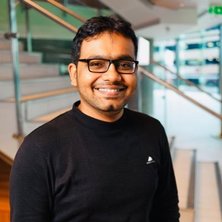
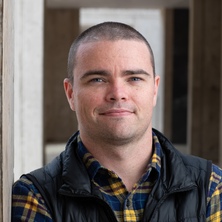
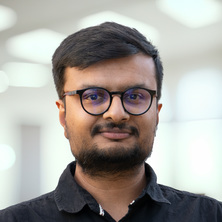
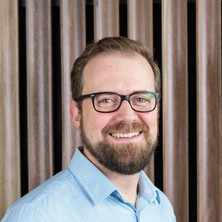
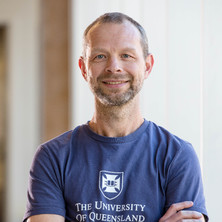
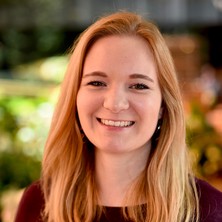
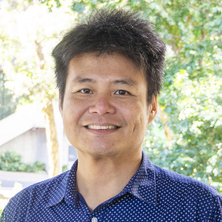
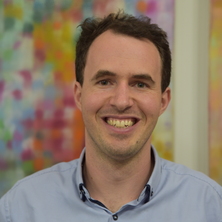
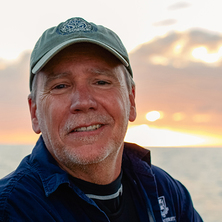
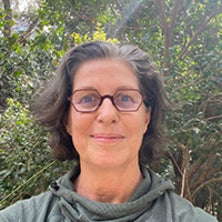
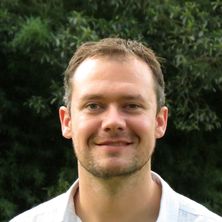
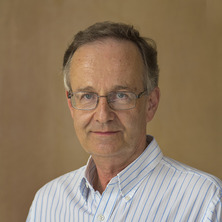
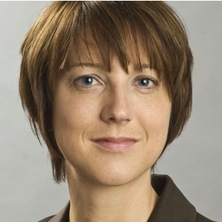
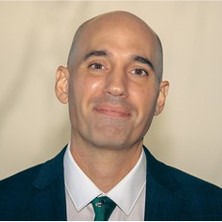
Noorul Amin is SAAFE CRC's Foundation Research Fellow in the analytics program. His research focuses on advanced computational techniques in biological data, including omics data analysis and tools development. With a background in applying machine learning and data mining approaches to biological challenges, Noorul's current work centres on the intersection of data analytics and antimicrobial resistance, particularly in agribusiness, food, and the environment.
He is seeking Honours and PhD students interested in applying machine learning and data analytics approaches to biological questions.
Deputy Associate Dean Research (Research Partnerships)
Faculty of Science
Affiliate of Australian Centre for Ecogenomics (ACE)
Australian Centre for Ecogenomics
Faculty of Science
Availability:
Available for supervision
Media expert
Prof David Ascher is an NHMRC Investigator Leadership Fellow and Deputy Associate Dean (Research Partnerships) in the Faculty of Science at The University of Queensland. He also serves as Deputy Director of the Australian Centre for Ecogenomics and Head of Computational Biology & Clinical Informatics at the Baker Heart and Diabetes Institute. Internationally, he sits on scientific advisory boards for A*STAR (Singapore), Fiocruz (Brazil) and the Tuscany University Network (Italy), and has been recognised with major honours including the Royal Society of Chemistry Horizon Prize.
A global leader in computational biology and personalised medicine, Prof Ascher develops advanced AI- and structure-based approaches to understand how genetic variation alters protein structure, function, and clinical outcomes. His group has built one of the world’s most widely used platforms for interpreting coding variants—over 120 computational tools, accessed more than 12 million times per year from 120+ countries. These tools underpin clinical diagnostics, guide drug development pipelines, and support international public-health responses to antimicrobial resistance and emerging infectious diseases.
His research has led to new molecular insights across infectious disease, rare disease, oncology and cardiometabolic health, and has been translated directly into practice—informing WHO policy, enabling early resistance detection in tuberculosis and leprosy, stratifying patients with hereditary cancers, and supporting vaccine design with partners including Pfizer. Many of his methods are embedded in globally used resources such as Ensembl VEP, PDBe, and the EMBL-EBI KnowledgeBase.
Prof Ascher has a longstanding commitment to interdisciplinary leadership and capability-building across UQ. As Director (Strategy) of the Biotechnology Programs and later as Deputy Associate Dean (Research Partnerships), he has driven initiatives to transform UQ’s biotechnology education, grow industry-embedded training, expand international partnerships, and diversify research income. He has led the development of UQ’s biotechnology–industry placement ecosystem, initiated new professional development programs adopted across multiple Faculties and Institutes, and established major collaborations with government, industry and global research organisations.
He has published more than 250 peer-reviewed papers (over half as senior author: FWCI 2.7), secured more than $40M in competitive research funding, and supervised over 60 HDR students who now hold leadership positions in academia, industry and government. His work appears in leading journals including Nature, Nature Genetics, Science, PNAS and Nature Microbiology, and is cited in over 100 policy documents and 40 patents.
Prof Ascher holds degrees in Biotechnology, Biochemistry, Structural Biology and Law. His research career has spanned Adelaide, Melbourne, Cambridge and Brisbane. After his PhD with Professor Michael Parker, he worked with Sir Tom Blundell at the University of Cambridge, where he led programs in structure-guided drug discovery and protein–protein interaction targeting. He established his independent laboratory at Cambridge and then at the University of Melbourne/Bio21 Institute, before moving to the Baker Institute in 2019 and joining UQ in 2021.
Faculty of Health, Medicine and Behavioural Sciences
Availability:
Available for supervision
Dr Melinda Ashcroft is a Research Fellow on Infectious Disease Epidemiology (Climate Change) in the Faculty of Medicine at The University of Queensland (UQ). Her current research focus is on Nontuberculous mycobacteria (NTM) and how NTM infections are associated with climate change and major weather events. Previously Melinda has worked at Monash University as a Research Fellow on the Sero-epidemiology of Klebsiella spp., at the University of Melbourne as a Postdoctoral Research Fellow on the Genomic Epidemiology of Neisseria gonorrhoeae and as a Research Associate at UQ on the genomics and epigenomics of extraintestinal pathogenic Escherichia coli. Melinda was awarded a Bachelor of Applied Science (Biotechnology/Biochemistry) in 2004 from Queensland University of Technology and a Master of Biotechnology in 2013 from UQ. She then switched fields to Microbial Genomics and was awarded a PhD from UQ in 2019 for her thesis: Evolution and function of mobile genetic elements and DNA methyltransferases in extraintestinal pathogenic Escherichia coli.
My current focus is on the application of deep learning models that read DNA sequences and predict cell type specific gene expression, chromatin accessibility, and transcription factor binding to human genetics. Specially, I am interested in 1) how well do current models trained on genetic variation across genomes generalize to genetic variation between individual genomes? 2) Can these models predict causal variants at loci that are associated with human traits? And if so, to what degree? 3) Can we utilize these models to link DNA sequences to the effect of genetic variants on human traits and disease?
Faculty of Health, Medicine and Behavioural Sciences
Availability:
Available for supervision
Dr Dharmesh D Bhuva is a NHMRC Emerging Leadership Fellow (EL1) on a mission to understand how complex systems of gene regulation and signalling produce diverse tissue phenotypes in health, disease, and development. He completed his PhD in Oct 2020 through the Department of Mathematics and Statistics, University of Melbourne, focusing on developing novel systems biology approaches to study molecular function and gene regulation in cancer systems. His current work focuses on extending these ideas to biological tissues through the development of computational methods to generate accurate biological insights from spatial molecular datasets.
Whilst being an early career researcher, he has developed high quality bioinformatics software that have been downloaded more than 160,000 times, has received >$3.25M in funding support, including NHMRC and MRFF, and has published in Genome biology and Nucleic Acids Research, some of the highest-ranking journals in his field. Dr Bhuva has organised and run various computational biology workshops at the University of Melbourne as well as the WEHI Bioinformatics and Computational Biology Masterclass (2021) that was delivered to the Asia-Pacific region. He currently supervises a PhD student and has co-supervised 2 successful MSc Bioinformatics students.
Dr. Bialasiewicz worked at the Royal Children's Hospital and the Children's Health Queensland HHS for over 18 years conducting translational research and clinical support centering on infectious disease (primarily viral and bacterial) molecular diagnostics, general microbiology and molecular epidemiology. In 2019, he became a group leader at The University of Queensland's Australian Centre for Ecogenomics, expanding on a growing interest in the microbial ecology of the human body, it's role in health and disease, and ways to manipulated to achieve desirable outcomes. One Health microbial ecology, where human health is interconnected with the health of animals (both livestock and wildlife), and the broader environment is also an area of active interest. His background in virology has influenced the work he does, meaning a key focus of his microbial ecology works centres around the interactions between all types of microorgansims (bacteria, archaea, viruses, fungi, and micro-eukaryotes).
Ongoing work includes:
- Leveraging of emerging technologies to explore the hidden microbial diversity and their interactions in the human body.
- Using the technology to develop microbial (e.g. phage)-based treatments or preventatives to complex diseases (e.g. Otitis Media, Chronic Rhinosinusitis, GvHD).
- Understanding the genetics of antibiotic resistance spread.
Mikael Bodén has a PhD in Computer Science and statistical machine learning from the University of Exeter (UK) but has spent the last decade and a half in biological research environments, including the Institute for Molecular Bioscience/ARC Centre of Excellence in Bioinformatics and the School of Chemistry and Molecular Biosciences, where he is currently located. He is the director of UQ’s postgraduate program in bioinformatics. Mikael Bodén has supervised 7 postdocs from funding he received from both ARC and NHMRC; he has been the primary advisor for 11 PhD and 3 MPhil graduates; he is currently supervising another 6 PhD students in bioinformatics and computational biology. Mikael Bodén collaborates with researchers in neuroscience, developmental biology, protein engineering and bioeconomy to mention but a few, and contributes expertise in the processing, analysis and integration of biological data; this is exemplified by recent publications in Science, Nature Catalysis, Nature Communications, Cell Systems, Nucleic Acids Research and Bioinformatics.
Faculty of Health, Medicine and Behavioural Sciences
Availability:
Not available for supervision
Dr Sandra Brosda is a Research Fellow within the Surgical Oncology group led by Professor Andrew Barbour.
Dr Brosda was awarded a PhD in bioinformatics and cancer genetics from the University of Queensland in November 2020. Her research focuses on biomarker discovery and intra-tumour heterogeneity and tumour evolution in oesophageal adenocarcinoma (OAC). In 2021, Dr Brosda was awarded a Cure Cancer Australia PdCCRS grant and an MSH project grant to further investigate tumour evolution to improve precision medicine in OAC.
She has been involved in research projects covering genetics, epigenetics, spatial transcriptomics, radiomics, ctDNA and quality of life assessments in the context of cancer. Overall, her research applies bioinformatics tools and approaches to cancer genomics to improve precision medicine and health outcomes for patients with melanoma, oesophago-gastric cancer and pancreatic cancer.
Affiliate of Australian Centre for Ecogenomics (ACE)
Australian Centre for Ecogenomics
Faculty of Science
Affiliate of Centre for Marine Science
Centre for Marine Science
Faculty of Science
Availability:
Available for supervision
Dr Chan has a PhD in Genomics and Computational Biology from UQ. He underwent postdoctoral training at Rutgers University (USA) in algal genomics and evolution. He returmed to UQ in late 2011 as one of the inaugural Great Barrier Reef Foundation Bioinformatics Fellows.
Dr Chan joined the School of Chemistry and Molecular Biosciences in 2020 as a group leader at the Australian Centre for Ecogenomics (ACE). His group uses advanced computational approaches to study genome evolution and develop scalable approaches for comparative genomics.
Affiliate of ARC Research Hub for Advanced Manufacture of Targeted Radiopharmaceuticals (AMTAR)
ARC Research Hub for Advanced Manufacture of Targeted Radiopharmaceuticals
Australian Institute for Bioengineering and Nanotechnology
Director, National Biologics Facility and AIBN Group Leader
Australian Institute for Bioengineering and Nanotechnology
Availability:
Available for supervision
Media expert
A/Prof. Seth Cheetham is an ARC Future Fellow and Group Leader at the Australian Institute for Bioengineering and Nanotechnology. He is also the Director of the National Biologics Facility, Australia's leading bio-manufacturing hub. He completed his PhD at the University of Cambridge, supported by the Herchel Smith Research Studentship. Seth is a molecular biologist and geneticist with a focus on biotherapeutics, mRNA and bio-manufacturing. He has authored >30 publications, in some of the most influential molecular biology journals including Science, Molecular Cell, Nature Reviews Genetics, Nature Protocols, Genome Biology and Nature Structural and Molecular Biology. His work has attracted > $85M in competitive funding including eleven years of continuous NHMRC and ARC Fellowship support. In 2021 Seth was awarded the Genetics Society of Australasia Alan Wilton Early Career Award.
Evolutionary and ecological genomics of marine invertebrate animals.
My lab's research is driven by a fascination with genomes that carry within them endless, brilliant solutions forged by evolution over millions of years in response to a constantly changing planet. We tap into this to learn how the genomes of coral reef invertebrates and their bacterial symbionts interact with each other, and with the environment, throughout their life cycle. We study these gene-environment interactions in evolutionary and ecological contexts, using genomic, molecular and cellular approaches combined with behavioural ecology in natural populations.
We work often with embryonic and larval life history stages of indirect developers, as these stages are crucial to the maintenance and evolution of marine populations. Our current focus is around larval settlement and metamorphosis in the holobiont of the coral reef demosponge Amphimedon queenslandica. In recent years, our work has extended to functional genomic approaches to identify noval ways to control the coral reef pest, the Crown-of-Thorns starfish.
When not immersed in the molecular or computer lab, we are lucky enough to be immersed in the ocean, often in beautiful places!
Paul Dennis leads an exciting research group that applies cutting-edge technologies to understand the roles of microorganisms and their responses to environmental change.
He is also a passionate educator and public speaker who advocates for the importance of biological diversity and evidence-based environmental awareness. He has talked about his research on ABC Radio and a range of other media outlets.
His teaching covers aspects of ecology, microbiology, plant and soil science, and climatology. He considers these topics to be of fundamental importance for the development of more sustainable societies and takes pride in helping others to obtain the knowledge and skills they need to build a better future.
Paul's research has taken him to Antarctica, the Amazon Rainforest, high mountains and oceans. The approaches used in his lab draw on a wide range of expertise in molecular biology, ecology, statistics, computer science, advanced imaging and soil science. He applies these skills to a wide-range of topics and systems including plant-microbe interactions, Antarctic marine and terrestrial ecology, biogeography, pollution and human health.
Queensland Alliance for Agriculture and Food Innovation
Availability:
Not available for supervision
Media expert
Plant viruses and horticultural crop improvement
Dr Dietzgen is internationally recognised for his work on plant virus characterisation, detection and engineered resistance. Before joining UQ, Dr Dietzgen was a Science Leader in Agri-Science in the Queensland Department of Employment, Economic Development and Innovation. He previously held research positions at the University of Adelaide, University of California, Cornell University and University of Kentucky. Dr Dietzgen’s research interests are in molecular virus-plant-insect interactions, virus biodiversity and evolution, and disease resistance mechanisms. His focus is on the biology of RNA viruses in the family Rhabdoviridae and the molecular protein interactions of plant-adapted rhabdoviruses and tospoviruses. He has published extensively on plant virus characterisation and genetic variability, RNAi- mediated virus resistance and diagnostic technologies with 20 review articles and book chapters and over 65 peer-reviewed publications.
Birgitta Ebert’s research focuses on developing biotechnology concepts to address critical challenges such as pollution, climate change and overexploitation of natural resources.
She specializes in improving microbial catalysts for eco-friendly chemical and material production by leveraging metabolic engineering, synthetic biology, systems analysis, and modelling. Her goal is to create microbial cell factories that convert renewable resources and waste into valuable products, reducing reliance on petrochemicals. She collaborates closely with chemists and chemical engineers to enhance the integration of chemical and biological processes for improved efficiency and sustainability.
Birgitta has a background in Chemical Engineering and a PhD in Systems Biotechnology from TU Dortmund University (Germany). She led a research group in Systems Metabolic Engineering at the Institute of Applied Microbiology at RWTH Aachen University (Germany) from 2012 to 2019. In 2016, she expanded her expertise in Synthetic Biology by joining the Keasling lab at the University of California in Berkeley and the Joint BioEnergy Institute in Emeryville (USA).
Since April 2019, she has been at the Australian Institute for Bioengineering and Nanotechnology at the University of Queensland, applying her expertise to engineer microbial cell factories for fermentation-based manufacturing.
Affiliate of ARC COE for Plant Success in Nature and Agriculture
ARC COE for Plant Success in Nature and Agriculture
Faculty of Science
Adjunct Associate Lecturer
Queensland Alliance for Agriculture and Food Innovation
Availability:
Available for supervision
Dr Daniel Edge-Garza is a horticulture and crop geneticist at the Queensland Alliance for Agriculture and Food Innovation at the University of Queensland, Australia. His research interests are to develop and translate tools using genome-wide DNA information for breeders and growers to make meaningful decisions. Daniel’s PhD awarded by the University of Queensland in 2024 focused on identifying global G x E patterns to assist with improved germplasm-environment matching for commercial deployment. Before joining QAAFI, he obtained his Bachelor's Degree in Biological Sciences in 2005 and Master's Degree in Biotechnology in 2009 both at California State University, Fresno. From 2008, he worked as a faculty associate in research for tree fruit breeding at Washington State University becoming recognized worldwide for his efforts to streamline the deployment of DNA tests for pome and stone fruit breeding programs. He has also collaborated with the Genome Database for Rosaceae since 2018 to curate genomics data and train breeders on how to upload and access their data on the Breeding Information Management System.
Queensland Alliance for Agriculture and Food Innovation
Availability:
Available for supervision
Dr. Forutan is an internationally recognized Researcher. Her research area includes understanding the bovine genome and epigenome, discovering causative mutation underlying economic important traits such as fertility, understanding the way genes turn on and off, investigating different methodologies to improve the accuracy of genomic prediction, and optimizing methods for predicting genetic diversity and inbreeding. Her future research career vision is to make a significant contribution to creating new knowledge in the field of quantitative genetics that can help to improve efficiency and resilience in Livestock.
The molecular evolution of cytochrome P450 Enzymes: biological catalysts of unprecedented versatility.
Cytochrome P450 enzymes (CYPs, P450s) especially those responsible for drug metabolism in humans, are the unifying theme of the research in our lab. These fascinating enzymes are catalysts of exceptional versatility, and functional diversity. In humans they are principally responsible for the clearance of a practically unlimited variety of chemicals from the body, but are also critical in many important physiological processes. In other organisms (plants, animals, bacteria, fungi, almost everything!) they carry out an unprecedented range of functions, such as defense, chemical communication, neural development and even pigmentation. P450s are involved in the biosynthesis of an unequalled range of potent, biologically active natural products in microbes, plants and animals, including many antibiotics, plant and animal hormones, signalling molecules, toxins, flavours and fragrances. We are studying how P450s have evolved to deal with novel substrates by reconstructing ancestral precursors and evolutionary pathways, to answer such questions as how did the koala evolve to live on eucalyptus leaves, a toxic diet for most mammals.
The capabilities of P450s are only just coming to be fully recognized and structural studies on P450s should yield critical insights into how enzyme structure determines function. For example, recently we discovered that P450s are present within cells in the Fe(II) form, a finding that has led to a radical revision of the dogma concerning the P450 catalytic cycle, and has implications for the control of uncoupling of P450 activity in cells. Importantly, the biotechnological potential of P450s remains yet to be exploited. All of the specific research themes detailed below take advantage of our recognized expertise in the expression of recombinant human cytochrome P450 enzymes in bacteria. Our group is interested in finding out how P450s work and how they can be made to work better.
Artificial evolution of P450s for drug development and bioremediation: a way of exploring the sequence space and catalytic potential of P450s. The demonstrated catalytic diversity of P450 enzymes makes them the ideal starting material for engineering sophisticated chemical reagents to catalyse difficult chemical transformations. We are using artificial (or directed) evolution to engineer enzymes that are more efficient, robust and specialized than naturally occurring enzymes with the aim of selecting for properties that are commercially useful in the areas of drug discovery and development and bioremediation of pollutants in the environment. The approach we are using also allows us to explore the essential sequence and structural features that underpin all ~12000 known P450s so as to determine how they work.
Synthetic biology of enzymes for clean, green, solar-powered chemistry in drug development, bioremediation and biosensors. We have identified ancestral enzymes that are extremely thermostable compared to their modern counterparts, making them potentially very useful in industry, since they can withstand long incubations at elevated temperatures. They can be used as ‘off the shelf’ reagents to catalyse useful chemistry, such as in in drug discovery and development, fine chemicals synthesis, and cleaning up the environment. Working with drug companies, we are exploring how they can be best deployed in chemical processes and what structural features make them efficient, robust and specialized. We are also immobilizing P450s in virus-like-particles as ‘designer’ reagents that can be recovered from reactions and reused. To make such processes cheaper and more sustainable, we are using photosynthesis to power P450 reactions for clean, green biocatalysis in microalgae.
Biosketch:
After graduating from UQ with first class Honours in Biochemistry, Elizabeth took up a Royal Commission for the Exhibition of 1851 Overseas Scholarship to pursue doctoral work at Oxford University then undertook postdoctoral work at the Center in Molecular Toxicology and Department of Biochemistry at Vanderbilt University School of Medicine with Prof. F.P. Guengerich. She returned to UQ in 1993 to take up a position in Pharmacology and joined the School of Chemistry and Molecular Biosciences in 2009 as a Professor of Biochemistry.
Australian Institute for Bioengineering and Nanotechnology
Availability:
Available for supervision
Helen Gunter is a Senior Postdoctoral Fellow at the Australian Institute for Bioengineering and Nanotechnology. Dr. Gunter is partnering with Oxford Nanopore Technologies and the BASE Facility to benchmark a comprehensive test of mRNA vaccine quality. Helen has authored 25 publications, with 10 as first author, one as senior author, and 14 as middle author. She has published in influential journals such as Nature, Nature Communications and Translational Psychiatry. Helen’s work has attracted >$2M in funding from Oxford Nanopore (2023), the Genome Innovation Hub (2021), Deutesche Forschungsgemeinschaft (2011), a Zukunftskolleg Fellowship (2008) and from the University of Konstanz (2013).