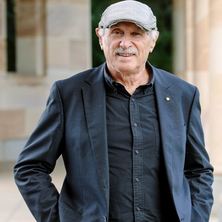
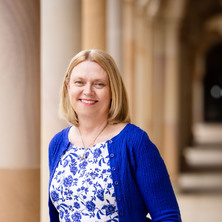
Neal M. Ashkanasy OAM, PhD is an Emeritus Professor of Management at the UQ Business School at the University of Queensland in Australia. He came to academe in after an 18-year career in water resources engineering. He received his PhD in social/organizational psychology from the same university. His research is in leadership, organizational culture, ethics, and emotions in organizations, and his work has been published in leading journals including the Academy of Management Journal and Review, the Journal of Organizational Behavior, and the Journal of Applied Psychology. He is Associate Editor for Emotion Review and Series Co-Editor of Research on Emotion in Organizations. He has served as Editor-in-Chief of the Journal of Organizational Behavior and Associate Editor for the Academy of Management Review and Academy of Management Learning and Education. Prof. Ashkanasy is a Fellow of the Academy for the Social Sciences in the UK (AcSS) and Australia (ASSA); the Association for Psychological Science (APS); the Society for Industrial and Organizational Psychology (SIOP); Southern Management Association (SMA), and the Queensland Academy of Arts and Sciences (QAAS). In 2017, he was awarded a Medal in the Order of Australia.
Affiliate of Centre for Digital Cultures & Societies
Centre for Digital Cultures & Societies
Faculty of Humanities, Arts and Social Sciences
Professor
School of Education
Faculty of Humanities, Arts and Social Sciences
Availability:
Not available for supervision
Media expert
Annemaree Carroll is Professor of Educational Psychology within the School of Education at The University of Queensland. Her research activities focus on the social emotional learning of children and adolescents, and the importance of social connectedness, (dis)engagement, and social inclusion to their behavioural and educational outcomes. Student, teacher, and community voices and agency are key considerations in her research methodologies. She is known nationally and internationally for the development of innovative emotion regulation interventions for children and youth to bring about positive change in their lives. She has conceptualised and coordinated the development of the Mindfields Suite of Programs (www.mindfields.com.au), which encompasses a strengths-based approach to student well-being that targets school-wide practices to help young people take control of their lives. She has also led a team of researchers to develop the KooLKIDS Resources (www.kool-kids.com.au), an emotion resilience program to empower children to live well with themselves and others by learning social, emotional, and cognitive skills that promote self-regulation and well-being. Her research has now extended to teacher emotion regulation strategies, demonstrating that improved teacher well-being has downstream benefits to students' well-being and the teacher-student relationship.
Professor Carroll has extensive experience managing large-scale, school-based projects across classroom settings and clinic-based research, in which she has excellent skills in test administration with children and adolescents. She has also been concerned with children with neurodevelopmental disorders (e.g., ADHD, speech-language disorders, Tourette Syndrome) to examine information-processing tasks that may demand intact executive functioning and that require dual-task performance and control of impulsive reactions.
From 2014 to 2020, Professor Carroll was Co-ordinator of Translational Outcomes within the Australian Research Council Science of Learning Research Centre. Building on this work, she is the co-founder and Head of the UQ Learning Lab, where multi-disciplinary researchers work in partnership with educational and industry professionals to identify and address important learning and training priorities. The Learning Lab’s primary objective is to transform education and learning across schooling and beyond, through partnered innovations and research translation initiatives.
Professor Carroll is a registered teacher and psychologist. She has experience teaching in primary and special education in Queensland and has engaged in research and higher education teaching at The University of Queensland and The University of Western Australia, where she was granted a Master of Education (1991) and PhD in Educational Psychology (1995). She was elected a Fellow of the Academy of Social Sciences in Australia in 2018.
I am an Associate Professor in the School of Languages and Cultures at UQ (since 2017), having formerly been an assistant professor at the Centre for Applied English Studies (CAES), University of Hong Kong (since 2014). I hold an MA TESOL from the University of London and an M.Phil/Ph.D in applied linguistics from the University of Cambridge.
My areas of research and supervisory expertise include generative AI, corpus linguistics and the use of AI/corpora for language learning (known as 'data-driven learning'), as well as L2 writing research and English for General and Specific Academic Purposes. I have featured in Stanford's Top 2% Scientists lists for 2023 and 2024.
I am currently Co-Editor in Chief of Language Learning & Technology (SSCI, Q1); Editor in Chief of the Australian Review of Applied Linguistics (SCOPUS, Q1), have served as Associate Editor for the Journal of English for Academic Purposes (Q1), sit on the editorial boards of JSLW, IRAL, System, Applied Corpus Linguistics, Research Syntheses in Applied Linguistics, Research Methods in Applied Linguistics, and the book series Studies in Corpus Linguistics.
Faculty of Health, Medicine and Behavioural Sciences
Associate Professor
School of Education
Faculty of Humanities, Arts and Social Sciences
Availability:
Not available for supervision
Media expert
Dr Edwards is an Associate Professor in the School of Education where she is currently the Director of Research. Her research sits at the intersection of education and psychology and her collaborators are national and international experts in these disciplines. Dr Edwards has an international reputation for contributing to understanding the link between anxiety, attention, and memory. Her work supports the notion that an inability to efficiently process information and maintain concentration, plays a critical role in the development and maintenance of emotional disorders.
Dr Edwards' latest work focusses on the translation of theory-driven, basic science into treatments for clinical problems, specifically for children and adolescents. For example, her research laboratory is currently conducting a series of studies investigating whether training the cognitive processes most vulnerable to anxiety and depression can in turn reduce emotional symptoms in children and adolescents. This work also seeks to understand the influence of cognitive training on academic achievement.
Dr Edwards completed a PhD and an honours degree in psychology (Bond University), and an undergraduate degree in education (Griffith University). For over two decades, she has worked as a primary classroom teacher, special education teacher, guidance counsellor, and psychologist. She has taught and supervised clinical, professional and research skills in education, psychology and medicine and worked in higher education in the United Kingdom and Australia. Dr Edwards joined The University of Queensland in 2020 to teach into the Master of Educational Studies (Guidance, Counselling and Careers).
Key research areas: Intellectual and developmental disability; Inclusive mathematics education; Down syndrome; Mathematics learning difficulties; Quality of life.
Dr Rhonda Faragher AO is a Professor in Inclusive Education. She has internationally recognised expertise in the mathematics education of learners with Down syndrome. In her research and teaching, she works to improve the educational outcomes of students who have difficulties learning mathematics, for whatever reason, including through educational disadvantage. Beyond mathematics education, she has expertise in inclusive education in a range of contexts, including secondary classrooms.
Dr Faragher is the Director of the Down Syndrome Research Program within the School of Education. She is an appointed Board member to the Academy on Education, Teaching and Research of IASSIDD - the International Association for the Scientific Study of Intellectual and Developmental Disability, Chair of the Down syndrome Special Interest Research Group of IASSIDD, Vice-President of Down Syndrome International and an Independent Director of Down Syndrome Australia. She is Co-Editor in Chief of the Journal of Policy and Practice in Intellectual Disabilities.
Dr Faragher is a Senior Fellow of the Higher Education Academy, a Fellow of IASSIDD and has received a number of awards for her work including the 2020 UQ Award for Excellence in Community, Diversity and Inclusion, the 2016 ACU Vice-Chancellor's Medal for Staff Excellence, a Commonwealth of Australia Endeavour Executive Award and the 2011 Mathematics Education Research Group of Australasia Research Award. In 2023, she was appointed an Officer of the Order of Australia.
Recent books / chapters
Faragher, R. (2023). A practical guide to educating learners with Down syndrome. Supporting lifelong learning. Routledge.
Faragher, R. M. (2023). Individual student characteristics, abilities and personal qualities and the teacher’s role in improving mathematics learning outcomes. In A. Manizade, N. Buchholtz, & K. Beswick (Eds.), The evolution of research on teaching mathematics. International perspectives in the digital era. (pp. 227-253). Springer Nature. https://doi.org/https://link.springer.com/book/10.1007/978-3-031-31193-2
Faragher, R., Robertson, P., & Bird, G. (2020). International guidelines for the education of learners with Down syndrome. DSi.
Siemon, D., Warren, E., Beswick, K., Faragher, R., Miller, J., Horne, M., Jazby, D., & Breed, M. (2020). Teaching mathematics: foundations to middle years. 3rd ed. Oxford University Press.
Brown, R. I., & Faragher, R. (Eds.). (2018). Quality of life and intellectual disability. Knowledge application to other social and educational challenges. (Revised ed.). Nova.
Recent articles
Faragher, R., & Lloyd, J. (Early View). Continuing conceptualising QOL through application to the lives of young adults with Down syndrome. Journal of Policy and Practice in Intellectual Disabilities. https://doi.org/10.1111/jppi.12479
Vassos, M., Faragher, R., Nankervis, K., Breedt, R., Boyle, F., Smith, S., & Kelly, J. (2023). The ethical, legal, and social implications of genomics and disability: Findings from a scoping review and their humanrights implications. Advances in Neurodevelopmental Disorders. https://doi.org/10.1007/s41252-023-00362-1
Yanes, T., Vaishnavi, N., Wallingford, C., Faragher, R., Nankervis, K., Jacobs, C., Vassos, M., Boyle, F., Carroll, A., Smith, S., & McInerney-Leo, A. (2023). Australasian genetic counselors’ attitudes toward disability and prenatal testing: Findings from a cross-sectional survey. Journal of Genetic Counseling, 1-12. https://doi.org/http://doi.org/10.1002/jgc4.1788
Wanjagua, R., Hepburn, S., Faragher, R., John, S. T., Gayathri, K., Gitonga, M., Meshy, C. F., Miranda, L., & Sindano, D. (2022). Key learnings from COVID‐19 to sustain quality of life for families of individuals with IDD. Journal of Policy and Practice in Intellectual Disabilities, 19(1), 72–85. https://doi.org/10.1111/jppi.12415
Faragher, R., Chen, M., Miranda, L., Poon, K., Rumiati, Chang, F., & Chen, H. (2021). Inclusive Education in Asia: Insights From Some Country Case Studies. Journal of Policy and Practice in Intellectual Disabilities, 18(1), 23–35. https://doi.org/10.1111/jppi.12369
Faragher, R.M. & Clarke, B. A. (2020). Inclusive practices in the teaching of mathematics : some findings from research including children with Down syndrome. Mathematics Education Research Journal, 32(1), 121–146. https://doi.org/10.1007/s13394-019-00294-x
Faragher, R,M. (2019). The New 'Functional Mathematics' for Learners with Down Syndrome : Numeracy for a Digital World. International Journal of Disability, Development, and Education, 66(2), 206–217. https://doi.org/10.1080/1034912X.2019.1571172
Associate Professor / Deputy Associate Dean (Academic)
School of Business
Faculty of Business, Economics and Law
Availability:
Not available for supervision
Media expert
Associate Professor Rachel Fitzgerald is Deputy Associate Dean (Academic) in the Faculty of Business, Economics and Law at The University of Queensland. Her research and educational leadership focus on digital and technology-enhanced education, curriculum and assessment innovation, learning design and academic development, including how universities respond effectively to emerging technologies such as generative AI.
Rachel chairs UQ’s Digital Learning Sub-Committee and is an elected member of UQ’s Academic Board and its Executive Committee. She is Founder and Chair of the national Teaching and Education Focused Academic (TEFA) Network, a community of approximately 1,500 academics across Australia, and Editor-in-Chief of the Journal of University Teaching and Learning Practice. She is a Principal Fellow of Advance HE (PFHEA) and UQ Principal Practitioner for Teaching Impact.
Rachel works across research, policy and practice to improve the quality of higher education and support educators and institutions navigating educational and technological change. Her work spans online and digital learning, curriculum and assessment, academic development, teaching quality and the responsible use of AI in education
Director Teaching and Learning of Institute for Teaching and Learning Innovation
Institute for Teaching and Learning Innovation
Affiliate Associate Professor of School of Chemistry and Molecular Biosciences
School of Chemistry and Molecular Biosciences
Faculty of Science
Affiliate Associate Professor of School of Social Science
School of Social Science
Faculty of Humanities, Arts and Social Sciences
Affiliate Associate Professor of Institute for Teaching and Learning Innovation
Institute for Teaching and Learning Innovation
Professor (Professional Learning)
Institute for Teaching and Learning Innovation
Availability:
Not available for supervision
Media expert
My teaching practice is anchored in the scholarship of reflective practice, an evidence-based approach proven to enhance teaching quality and improve student outcomes and grounded in the conviction that quality teaching is fundamental to student success.
As the Academic Lead for Advancing Teaching at UQ’s Institute for Teaching and Learning Innovation (ITaLI), I design programs that enhance teaching excellence. Through these programs, my leadership and expertise impact governance, curriculum innovation, and has shaped inclusive academic communities within and beyond UQ.
My research impacts Higher Education globally and focuses on recognising and rewarding teaching expertise, shaping policies across higher education institutions. I have contributed to 24 curriculum reviews of academic programs, published 84 scholarly works, secured $1.9M in funding to investigate and innovate university education practices, and spearheaded international collaborations that influence teaching recognition and career progression globally.
A dedicated mentor, I have supported over 800 UQ staff in achieving HEA Fellowships, guided senior leaders globally in attaining their Principal Fellowship status. I have established similar schemes in partnership with 8 universities across in Australia, New Zealand, Hong Kong and the UK.
I am the program convener of the Graduate Certificate of University Teaching Practice which enables UQ staff develop teaching expertise. Successful completion of this accredited program leads to HEA Fellowship.
Faculty of Health, Medicine and Behavioural Sciences
Availability:
Available for supervision
Dr Stevie-Jae Hepburn is a Lecturer in initial teacher education (ITE) in the School of Education at the University of Queensland. Her approach to educational program design, review, and evaluation in professional and educational contexts is guided by the principles of andragogy, collaborative practice to support learning with, from, and about others.
After gaining experience as a classroom teacher and curriculum coordinator across jurisdictions in Queensland and abroad, Stevie directed her attention to educational leadership, health and wellbeing resources in schools and ITE. Her doctoral research investigated the impact of an integrated approach to health and wellbeing for teachers during the pre-service and early career period. Stevie’s research is influenced by her interest in public health and salutogenic theory, as well as the use of health promotion strategies to address the social determinants of health and influence job satisfaction, stress management, burnout, and career trajectory.
Stevie's research experience in collaborative practice spans both health disciplines and education. She investigated the impact of interprofessional education resources on promoting interprofessional collaborative practice across the continuum of health professionals' education, as well as student learning and experience on placement in rural and remote communities.
Stevie is currently focused on exploring the role of collaborative practice between school community stakeholders (e.g., parents/carers, school-based health professionals, teachers), schools as health-promoting workplaces, and preparedness for practice during the pre-service and early career period.
Lecturer in Interdisciplinary Agricultural Studies | Deputy Director (Curriculum), School Teaching & Learning Committee | ACDA Steering Committee Member & 2026 ACDA T&L Awards Chair | Affiliate Academic, ITaLI | Senior Fellow (SFHEA)
I am an educator and researcher dedicated to transforming teaching and learning in higher education, with a focus on interdisciplinary agricultural studies, student engagement, and curriculum innovation. With a background spanning chemistry, biology and animal science, I integrate scientific perspectives to create authentic, applied learning experiences for students.
As Deputy Chair of the School Teaching & Learning Committee, I lead strategic initiatives that strengthen curriculum design, assessment practices, inclusive teaching, academic integrity, and student transition. I actively support colleagues in adopting evidence‑based pedagogies, co‑teaching models, and innovative approaches that enhance learning and teaching across the school.
Nationally, I contribute to sector-wide educational leadership through the Australasian Council of Deans of Agriculture (ACDA), serving on the Steering Committee and as the Incoming Chair of the ACDA Teaching & Learning Awards for 2026. In these roles, I help shape national conversations on agricultural education, celebrate excellence, and support the development of high-quality teaching across the discipline.
My research explores virtual field trips in agriculture, student–industry engagement, digital inclusion, and the role of technology‑enhanced learning in supporting diverse cohorts, including rural and remote learners. I have led and contributed to multiple teaching and learning grants that embed sustainability, digital tools, and real‑world applications into agricultural curricula.
As an Affiliate Academic with ITaLI, I contribute to educator development through workshops, SECaTS-informed consultations, peer coaching, and co‑teaching initiatives. I mentor early‑career educators in active learning, curriculum alignment, and evidence‑based teaching practices that promote student success.
My Scholarship of Teaching and Learning (SoTL) focuses on co‑teaching effectiveness, assessment redesign, and improving student learning outcomes, informing both my practice and broader institutional enhancement efforts.
A Senior Fellow of the Higher Education Academy (SFHEA), I have received commendations for teaching excellence and pedagogical leadership.
Research Interests
Co‑teaching and interdisciplinary collaboration
Curriculum innovation and assessment redesign
Digital inclusion and technology‑enhanced learning
Virtual field trips and industry engagement in agricultural education
Student transition and first‑year STEM experience
Scholarship of Teaching and Learning (SoTL)
I collaborate with university and industry partners to reimagine agricultural education, mentor the next generation of educators, and cultivate skilled professionals equipped to shape the future of the agricultural sector.
Faculty of Health, Medicine and Behavioural Sciences
Availability:
Available for supervision
Dr Yoo Young (Dominique) Lee is a Senior Lecturer in the Faculty of Medicine at The University of Queensland and a consultant radiation oncologist at Princess Alexandra Hospital. A specialist in hepatobiliary malignancies, she is nationally recognised for her leadership in physician wellbeing and professional culture.
Her work spans research, education, coaching, and system-level engagement, examining burnout, moral distress, and organisational drivers of clinician distress, and delivering evidence-informed programs that support doctors to navigate workplace challenges and build sustainable, values-aligned careers.
She is also a leader in stereotactic body radiation therapy (SBRT) research, focused on advanced technologies for liver and pancreatic cancers, and is deeply committed to advancing both precision cancer care and healthier medical workplaces.
She is deeply committed to medical education, supervision, and leadership, and to advancing both precision cancer care and healthier, more sustainable medical workplaces. Her work in physician wellbeing and coaching can be found at www.heyboss.org
Director of Teaching and Learning of School of Nursing, Midwifery and Social Work
School of Nursing, Midwifery and Social Work
Faculty of Health, Medicine and Behavioural Sciences
Associate Professor
School of Nursing, Midwifery and Social Work
Faculty of Health, Medicine and Behavioural Sciences
Availability:
Available for supervision
Peter is the Director of Teaching and Learning for UQ's School of Nursing, Midwifery and Social Work. He teaches across both undergaduate and postgraduate programs and is also responsible for the International Portfolio.
Peter's research interests include: teaching and learning; eLearning and flexible learning; digital literacy; and interprofessional education.
Working in tertiary education since 2003, Peter's responsibilities have included but are not limited to: curriculum development and implementation; internal and external accreditation processes; interprofessional teaching and cooperation; development and implementation of School strategic plans; development and management of moderation processes which ensure transparency of standards of quality in implementation and outcomes; administration of programs; maintaining and developing domestic and international partnerships with both industry and external tertiary providers; and international consultancy particular to staff developoment and capacity building, teaching and learning and curricula development and review.
Professor Jason M. Lodge is an educator, psychological scientist, and an internationally recognised authority on learning, educational technology, and artificial intelligence. His work focuses on translating evidence into effective and practical strategy for public and private sector organisations, including, but not limited to, educational institutions and departments of education and training.
He serves as an expert advisor on learning and AI to prominent international bodies, including UNESCO and the OECD. In Australia, he advises the National Ministerial Task Force on Artificial Intelligence in Education and the Tertiary Education Quality and Standards Agency (TEQSA). For TEQSA, he led the development of the Assessment Reform for the Age of Artificial Intelligence resource, a framework that has informed assessment policy and practice globally.
In 2025 he received an Australian Award for University Teaching (AAUT) for Teaching Excellence, adding to earlier recognition including a UQ Award for Teaching Excellence, the Australian Psychological Society's Distinguished Contribution to Psychological Education, and the inaugural ASCILITE and CAULLT Award for Outstanding Leadership in Digital Learning in Higher Education. His experience includes academic leadership roles at The University of Queensland, board memberships for higher education institutions, and extensive public speaking and media commentary on the future of education and learning.
Dr Sasha Lynn is a registered clinical psychologist and Honorary Research Fellow at The University of Queensland. She specialises in child and adolescent development, with a particular focus on social and emotional learning (SEL), mental health, and wellbeing in educational settings. Her work spans psychology, education, and neuroscience, with an emphasis on research that is both applied and translational.
Dr Lynn’s research investigates how wellbeing and mental health influence developmental and educational outcomes, particularly in relation to emotion regulation, peer relationships, and classroom engagement. She is committed to embedding SEL meaningfully into the curriculum through developmentally informed, evidence-based strategies. A core feature of her work is the co-design of interventions with educators and students, ensuring student voice and agency are central to program design and implementation.
She has a particular interest in the use of gamification frameworks to increase engagement with SEL and mental health content, and her research spans both digital and face-to-face modes of delivery. Her work also explores how compassion-focused therapeutic approaches can be adapted to educational contexts to enhance both student and teacher wellbeing, classroom climate, and relational safety.
Dr Lynn is affiliated with the UQ Learning Lab and is a member of the Compassionate Mind Research Group. She has been involved in a number of large-scale projects across school and clinical settings, and brings nearly 20 years of direct experience in school-based clinical and mental health roles to her academic work. This practitioner perspective ensures her research remains grounded in the realities of education systems and responsive to the needs of schools.
She has contributed to the development and evaluation of interventions such as KooLKIDS and Mindfields HS, which have demonstrated promising early outcomes and attracted commercial interest. Dr Lynn’s broader goal is to support educators, families, and students by creating practical, evidence-informed approaches that foster resilience, emotional literacy, and a positive foundation for lifelong learning.
Affiliate of Minerals Industry Safety and Health Centre
Minerals Industry Safety and Health Centre
Faculty of Engineering, Architecture and Information Technology
Senior Lecturer
School of Education
Faculty of Humanities, Arts and Social Sciences
Availability:
Not available for supervision
Dr Stephanie MacMahon is a Senior Lecturer in the Science of Learning and in Arts Education, teaching in both the ITE and post-graduate programs in the School of Education at The University of Queensland, and is the program coordinator for the Science of Learning Field of Study. She has over 20 years’ experience as a P-12 educator and school leader, and draws on this experience to support her students in understanding how research can be used meaningfully in educational practice.
Stephanie is also the Co-Founder and Program Director of the UQ Learning Lab: a group of multi-disciplinary researchers, educators, and industry partners who collaborate to transform learning, teaching and training in diverse school and post-school contexts through the science of learning. Her research within the UQ Learning Lab are in human connection and learning, and in understanding how to effectively mobilise insights from the Science of Learning into practice in diverse educational and workplace learning contexts, collaborating with partners to develop, implement and evaluate contextually relevant, actionable, scalable and sustainable solutions to real-world teaching, learning and training needs. Stephanie is a member of the UNESCO Science of Learning Alliance.
Her teaching and leadership in the Science of Learning have recently been recognised with a UQ Citation for Outstanding Contributions to Student Learning (2025), an Australian Council for Educational leaders (ACEL) National Excellence in Leadership Award, and the ACEL Miller-Grassie Award for Outstanding Leadership in Education (2025).
Stephanie collaborates widely with multi-disciplinary researchers on science of learning projects using a range of methodologies.
Faculty of Health, Medicine and Behavioural Sciences
Postdoctoral Research Fellow
UQ Poche Centre for Indigenous Health
Faculty of Health, Medicine and Behavioural Sciences
Availability:
Not available for supervision
Kiara is a social psychology researcher at the Poche Centre for Indigenous Health at The University of Queensland as a research fellow. She is currently focused on strengths based approaches to sexual health and relationships and sexuality education for young Aboriginal and Torres Strait Islander people. She received her doctorate from the University of Queensland in July 2021 for her PhD research project, The role of idealising jealousy in inhibiting the identification of and response to non-physical intimate partner violence: a schema theory approach. She has since completed a post-doctoral research fellowship on sexual consent in Australia.
Kiara has a passion for applying quality research techniques to identify practical strategies for real improvements across a range of social issues. Kiara is experienced in quantitative and qualitative research methods, and holds a strong commitment to research transparency, methodological rigour, and collaborative research as the foundation of positive social change. She is also dedicated to research communication and has previously written and edited a blog page for social change research.
Affiliate of ARC COE for Children and Families Over the Lifecourse
ARC COE for Children and Families Over the Lifecourse
Faculty of Humanities, Arts and Social Sciences
Research Fellow
Queensland Brain Institute
Faculty of Health, Medicine and Behavioural Sciences
Availability:
Available for supervision
Aisling Mulvihill is a Postdoctoral Research Fellow in the Thorpe Lab at the Queensland Brain Institute. Her background spans frontline paediatric speech pathology practice, a PhD in Developmental Psychology, and postdoctoral research on early years development in both experimental and applied settings
Aisling's research investigates the cognitive and environmental mechanisms that support social-cognitive and self-regulatory development in early childhood, with particular a focus on adult-child interactions. She examines how adult-delivered mental state talk (i.e., talk about desires, thoughts, and emotions) fosters children's social-emotional development, and how children’s self-talk supports emerging self-regulation.
Her current work focuses on interactions within Early Childhood Education and Care settings and aims to inform interventions to that promote children's social-cognitive and emotional well-being. Aisling's translational work includes the creation of The Ant Patrol Children’s Stories, a series of children’s books designed to support children’s self-regulation.
Faculty of Health, Medicine and Behavioural Sciences
Associate Professor In Education
School of Education
Faculty of Humanities, Arts and Social Sciences
Availability:
Available for supervision
Media expert
Dr Shiralee Poed is an Associate Professor within the School of Education at the University of Queensland. Her career spans more than 30 years, and includes working as a teacher and leader in Australian state, Catholic and independent primary, secondary and special schools. She was awarded the 2023 International Positive Behaviour Leadership Award for her extensive leadership of Positive Behaviour for Learning in Australia, and internationally.
Deputy Director (Training) of Institute for Social Science Research
Institute for Social Science Research
Faculty of Humanities, Arts and Social Sciences
Principal Research Fellow
Institute for Social Science Research
Faculty of Humanities, Arts and Social Sciences
Availability:
Available for supervision
Media expert
Jenny leads the Wellbeing, Equity, and Inclusion Research Group: Transforming education, employment and human service systems through evidence, innovation and partnership at the Institute for Social Science Research at the University of Queensland. She is a Psychologist and obtained her BA Honors, MA and PhD from the Nelson Mandela Metropolitan University in South Africa. Before coming to ISSR, Jenny worked as a Chief Researcher at the Human Sciences Research Council in South Africa in the area of education effectiveness.
Jenny’s research focuses on advancing wellbeing, equity and inclusion across education, employment, and human service systems. She evaluates programs and policies that support marginalised populations navigating complex service systems. Jenny’s work integrates lived experience with rigorous analysis of the services, institutions, and policy environments that shape life trajectories, identifying evidence-based levers for change within families, organisations, and government systems. She is a mixed-methods researcher with expertise in integrating large-scale population and administrative data with survey and in-depth qualitative data to generate nuanced, practice-relevant insights. Through large-scale evaluations and long-term research partnerships with government and community organisations, Jenny produces generalisable knowledge with demonstrable real-world impact, while strengthening research and evaluation capability within the human services sector. Her research is grounded in participatory and co-production approaches, ensuring that people with living or lived experience are meaningfully involved in shaping research design, interpretation, and impact.
Jenny has worked closely with Government Departments and Ministries both in Australia (e.g., Tasmania DHHS; Australian DoE; Qld DoE; CESE NSW; Australian DSS; Qld DCSSD; Department of Home Affairs) and internationally (e.g., South Africa, Eritrea, Cambodia and the Solomon Islands) to gather research evidence from a wide range of disadvantaged communities to inform policy. Jenny is a Chief Investigator on an ARC Linkage project which investigates how Aboriginal and Torres Strait Islander and non-Indigenous children experience Out-of-Home Care (OOHC) using elicitation methods and a longitudinal qualitative research design to provide evidence to improve service agencies’ understanding of children’s experiences in OOHC and how agencies can best support families, carers and communities to promote the social, emotional, and cultural well-being of Aboriginal and Torres Strait Islander and non-Indigenous children in OOHC. This research will improve service provider capability and test Government reform interventions. Jenny leads large-scale complex commissioned evaluations and is currently leading the following evaluations: FamilyLinQ Evaluation and the Journi Online Road Safety Education Program Evaluation.
In addition to leading a research group and complex evaluation, Jenny delivers hands-on professional training and capability-building in evaluation, statistical, and social research methods for policymakers, practitioners, and service leaders, contributes as an Associate Investigator to research for the ARC Centre of Excellence on Families and Children over the Life Course (the Life Course Centre), and supervises HDR and placement students.