Deputy Associate Dean Research (Research Partnerships)
Faculty of Science
Affiliate of Australian Centre for Ecogenomics (ACE)
Australian Centre for Ecogenomics
Faculty of Science
Availability:
Available for supervision
Media expert
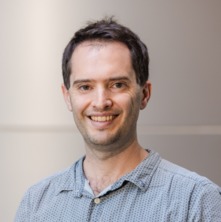
Prof David Ascher is an NHMRC Investigator Leadership Fellow and Deputy Associate Dean (Research Partnerships) in the Faculty of Science at The University of Queensland. He also serves as Deputy Director of the Australian Centre for Ecogenomics and Head of Computational Biology & Clinical Informatics at the Baker Heart and Diabetes Institute. Internationally, he sits on scientific advisory boards for A*STAR (Singapore), Fiocruz (Brazil) and the Tuscany University Network (Italy), and has been recognised with major honours including the Royal Society of Chemistry Horizon Prize.
A global leader in computational biology and personalised medicine, Prof Ascher develops advanced AI- and structure-based approaches to understand how genetic variation alters protein structure, function, and clinical outcomes. His group has built one of the world’s most widely used platforms for interpreting coding variants—over 120 computational tools, accessed more than 12 million times per year from 120+ countries. These tools underpin clinical diagnostics, guide drug development pipelines, and support international public-health responses to antimicrobial resistance and emerging infectious diseases.
His research has led to new molecular insights across infectious disease, rare disease, oncology and cardiometabolic health, and has been translated directly into practice—informing WHO policy, enabling early resistance detection in tuberculosis and leprosy, stratifying patients with hereditary cancers, and supporting vaccine design with partners including Pfizer. Many of his methods are embedded in globally used resources such as Ensembl VEP, PDBe, and the EMBL-EBI KnowledgeBase.
Prof Ascher has a longstanding commitment to interdisciplinary leadership and capability-building across UQ. As Director (Strategy) of the Biotechnology Programs and later as Deputy Associate Dean (Research Partnerships), he has driven initiatives to transform UQ’s biotechnology education, grow industry-embedded training, expand international partnerships, and diversify research income. He has led the development of UQ’s biotechnology–industry placement ecosystem, initiated new professional development programs adopted across multiple Faculties and Institutes, and established major collaborations with government, industry and global research organisations.
He has published more than 250 peer-reviewed papers (over half as senior author: FWCI 2.7), secured more than $40M in competitive research funding, and supervised over 60 HDR students who now hold leadership positions in academia, industry and government. His work appears in leading journals including Nature, Nature Genetics, Science, PNAS and Nature Microbiology, and is cited in over 100 policy documents and 40 patents.
Prof Ascher holds degrees in Biotechnology, Biochemistry, Structural Biology and Law. His research career has spanned Adelaide, Melbourne, Cambridge and Brisbane. After his PhD with Professor Michael Parker, he worked with Sir Tom Blundell at the University of Cambridge, where he led programs in structure-guided drug discovery and protein–protein interaction targeting. He established his independent laboratory at Cambridge and then at the University of Melbourne/Bio21 Institute, before moving to the Baker Institute in 2019 and joining UQ in 2021.
Faculty of Health, Medicine and Behavioural Sciences
Availability:
Available for supervision
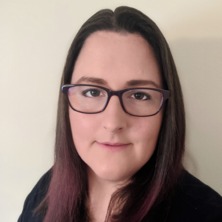
Dr Melinda Ashcroft is a Research Fellow on Infectious Disease Epidemiology (Climate Change) in the Faculty of Medicine at The University of Queensland (UQ). Her current research focus is on Nontuberculous mycobacteria (NTM) and how NTM infections are associated with climate change and major weather events. Previously Melinda has worked at Monash University as a Research Fellow on the Sero-epidemiology of Klebsiella spp., at the University of Melbourne as a Postdoctoral Research Fellow on the Genomic Epidemiology of Neisseria gonorrhoeae and as a Research Associate at UQ on the genomics and epigenomics of extraintestinal pathogenic Escherichia coli. Melinda was awarded a Bachelor of Applied Science (Biotechnology/Biochemistry) in 2004 from Queensland University of Technology and a Master of Biotechnology in 2013 from UQ. She then switched fields to Microbial Genomics and was awarded a PhD from UQ in 2019 for her thesis: Evolution and function of mobile genetic elements and DNA methyltransferases in extraintestinal pathogenic Escherichia coli.
My current focus is on the application of deep learning models that read DNA sequences and predict cell type specific gene expression, chromatin accessibility, and transcription factor binding to human genetics. Specially, I am interested in 1) how well do current models trained on genetic variation across genomes generalize to genetic variation between individual genomes? 2) Can these models predict causal variants at loci that are associated with human traits? And if so, to what degree? 3) Can we utilize these models to link DNA sequences to the effect of genetic variants on human traits and disease?
Dr. Bialasiewicz worked at the Royal Children's Hospital and the Children's Health Queensland HHS for over 18 years conducting translational research and clinical support centering on infectious disease (primarily viral and bacterial) molecular diagnostics, general microbiology and molecular epidemiology. In 2019, he became a group leader at The University of Queensland's Australian Centre for Ecogenomics, expanding on a growing interest in the microbial ecology of the human body, it's role in health and disease, and ways to manipulated to achieve desirable outcomes. One Health microbial ecology, where human health is interconnected with the health of animals (both livestock and wildlife), and the broader environment is also an area of active interest. His background in virology has influenced the work he does, meaning a key focus of his microbial ecology works centres around the interactions between all types of microorgansims (bacteria, archaea, viruses, fungi, and micro-eukaryotes).
Ongoing work includes:
- Leveraging of emerging technologies to explore the hidden microbial diversity and their interactions in the human body.
- Using the technology to develop microbial (e.g. phage)-based treatments or preventatives to complex diseases (e.g. Otitis Media, Chronic Rhinosinusitis, GvHD).
- Understanding the genetics of antibiotic resistance spread.
Faculty of Health, Medicine and Behavioural Sciences
Availability:
Not available for supervision
Dr Sandra Brosda is a Research Fellow within the Surgical Oncology group at the Frazer Institute, UQ.
Dr Brosda was awarded a PhD in bioinformatics and cancer genetics from the University of Queensland in November 2020. Her research focuses on biomarker discovery and intra-tumour heterogeneity and tumour evolution in oesophageal adenocarcinoma (OAC). In 2021, Dr Brosda was awarded a Cure Cancer Australia PdCCRS grant and an MSH project grant to further investigate tumour evolution to improve precision medicine in OAC.
She has been involved in research projects covering genetics, epigenetics, spatial transcriptomics, radiomics, ctDNA and quality of life assessments in the context of cancer. Overall, her research applies bioinformatics tools and approaches to cancer genomics to improve precision medicine and health outcomes for patients with melanoma, oesophago-gastric cancer and pancreatic cancer.
Clara Jiang is a postdoctoral research fellow at the Institute for Molecular Bioscience, the University of Queensland. Clara’s research focuses on using genomic and transcriptomic analysis to investigate the genetic basis of cardiovascular and psychiatric disorders, with a particular focus on female health, as well as using statistical genomic approaches to explore possible opportunities for drug repurposing. Clara graduated from the University of Queensland with Bachelor of Advanced Science (First Class Honours) in 2017, and was awarded the University Medal. Clara was awarded her PhD at the University of Queensland in 2021, where she utilised bioinformatic approaches and molecular experiments to decipher the genetic aetiology of breast cancer, specifically the regulatory role of transposons or ‘jumping genes’ in modulating the transcriptional landscape in the cancer state. Clara is also a UQ Wellness ambassador and an advocate for promoting equity, diversity and inclusion in academia.
Affiliate of ARC COE for Plant Success in Nature and Agriculture
ARC COE for Plant Success in Nature and Agriculture
Faculty of Science
Senior Research Fellow
School of Agriculture and Food Sustainability
Faculty of Science
Availability:
Available for supervision
Media expert
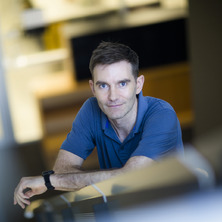
I am centre-wide sernior research fellow in the ARC Centre of Excellence for Plant Success in Nature and Agriculture, based here at UQ. Currently I lead a small but growing team of computational biologists focusing on new techniques for predicting complex quantitative traits through causal molecular networks using AI and ML approaches.
Areas of interest:
Machine Learning, AI and high performance computing to learn and exploit functional connectivity in biological data
Gene Expressions networks
Multiplex networks, information propagation and perturbation
Genomic Prediction
Our goal is to aid crop and forestry breeders in selecting parental lines more accurately, which gives us a pathway to improving certain plant species. I also spend time developing new data analysis techniques that are being applied to human disease and conditions such as Autism and substance addiction.
David completed his PhD at Australian National University in 2017, focusing on the genome-wide basis of foliar terpene variation in Eucalyptus. He then undertook a postdoc at Oak Ridge National Laboratory, a US Dept of Energy lab with a focus on big data. After a stint as a staff scientist at Oak Ridge, David arrived at the Centre of Excellence in 2023 in the role of a Senior Research Fellow. He currently supervises 3 PhD students and one full time postdoctoral researcher at UQ.
Affiliate Senior Research Fellow of Institute for Molecular Bioscience
Institute for Molecular Bioscience
Senior Research Fellow
School of Public Health
Faculty of Health, Medicine and Behavioural Sciences
Availability:
Available for supervision
Dr Sally Mortlock is a genetic epidemiologist and NECST Research Fellow who leads the Genetic Epidemiology stream at the Australian Women and Girls Health Research (AWaGHR) Centre, University of Queensland. Her research integrates genomics with life course epidemiology to understand how genetic, environmental, and lifestyle factors shape women’s health across the lifespan.
Her work focuses on reproductive and menstrual health, particularly endometriosis and related conditions, with the aim of improving understanding of disease mechanisms, risk, diagnosis, and personalised approaches to care.
Research areas include:
Genetic epidemiology and reproductive genomics
Women’s health across the life course
Endometriosis and reproductive disorders
Longitudinal cohort studies and life course epidemiology
Genetic risk prediction and causal inference methods (including Mendelian randomisation)
Multi-omics and biological pathway analysis
Dr Mortlock previously spent seven years as lead computational biologist within the Genomics of Reproduction Disorders group at the Institute for Molecular Bioscience, contributing to internationally recognised research in reproductive genomics. She now combines this expertise with large-scale longitudinal health data, including genetic resources within the Australian Longitudinal Study on Women’s Health, to investigate women’s health trajectories over time.
Ralph Patrick is a researcher focussed on understanding the molecular drivers of ageing and age-associated diseases and developing new therapeutic approaches to help alleviate diseases of ageing. He is trained as a computational biologist, with a BSc (Hons) and PhD from the University of Queensland (UQ). After completion of his PhD in 2016, he worked as a postdoctoral scientist at the Victor Chang Cardiac Research Institute (VCCRI) in Sydney for nearly six years. At the VCCRI, a major focus of his research was mapping out how the individual cells of the heart respond to a heart attack at the gene expression level and how these compare to other forms of chronic heart disease. Following the VCCRI, he joined the Ageing and Cellular Reprogramming lab at the IMB in 2022 as a postdoctoral fellow. His work at the IMB focusses on understanding the epigenetic and transcription factor drivers of the ageing process and leveraging this knowledge to develop new strategies for restoring youthful cell states. Any potential collaborators or students interested in this research area are welcome to contact him.
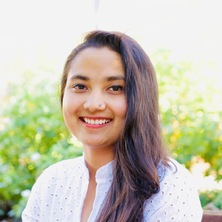
Dr Tanuka Sen is a Research Fellow at the Institute for Molecular Biosciences, The University of Queensland, where her research focuses on understanding bacterial pathogenesis and developing innovative strategies to combat antimicrobial resistance.
Dr. Sen completed her PhD in Biochemistry and Biomedical Science at the Australian National University before undertaking postdoctoral research at the University of Oxford, where she developed single-cell microscopy approaches to visualise the dynamics of bacterial virulence plasmids in real time. She has contributed to research on bacterial toxin-antitoxin systems, plasmid biology, antimicrobial resistance, and genome analysis.
Her research integrates microbiology, molecular biology, bacterial genetics, advanced fluorescence microscopy, bioinformatics, and antimicrobial drug discovery to investigate bacterial virulence, plasmid biology, host-pathogen interactions, and the mechanisms of action of novel antimicrobial compounds. She is particularly interested in translating fundamental discoveries into new approaches to combat antibiotic-resistant pathogens.
Research expertise includes:
Antimicrobial resistance (AMR)
Antimicrobial drug discovery and mode of action
Bacterial pathogenesis and virulence
Infection biology
Fluorescence and confocal microscopy
Single-cell and live-cell imaging
Functional genomics and bioinformatics
Plasmid biology and horizontal gene transfer
Bacterial genetics and molecular microbiology
She welcomes opportunities for interdisciplinary research, student supervision, industry engagement, and collaborations that advance antimicrobial innovation and improve global health.
Affiliate Associate Professor of School of Biomedical Sciences
School of Biomedical Sciences
Faculty of Health, Medicine and Behavioural Sciences
Affiliate of Centre for Extracellular Vesicle Nanomedicine
Centre for Extracellular Vesicle Nanomedicine
Faculty of Health, Medicine and Behavioural Sciences
Professor
Frazer Institute
Faculty of Health, Medicine and Behavioural Sciences
Availability:
Available for supervision
Media expert
Peter Simpson is a recognised expert in the molecular and pathological characterisation of breast and lung cancers. His research is based at the UQ Centre for Clinical Research (UQCCR), where he is the Head of the Cancer Theme and is a Research Group Leader in Cancer Genomics. He has published >150 articles (>12,000 citations, H-index 52; Scopus, May2025) including in Nature, Nature Medicine, Annals of Oncology and the American Journal of Respiratory and Critical Care Medicine. He co-manages the Brisbane Breast Bank (BBB), a tissue bank created to facilitate clinical breast cancer research, and the Debutant lung cancer Program.
Pete also holds a teaching appointment in UQ, where he is passionate about the science and clinical applications of Pathology. He teaches into the UQ Medical Program (Year 1 and 2), as well as to undergraduates. He has co-authored a chapter ‘Breast Diseases’ in the latest edition (11th) of the internationally acclaimed Medical text book Robbins and Cotran Pathologic Basis of Disease.
Outside UQ, Pete is a Fellow of the Faculty of Science in the Royal College of Pathologists of Australasia (FFSc RCPA), a member of the kConFab Executive (https://www.kconfab.org/), a member of the Lobular Breast Cancer Alliance Scientific Advisory Board (https://lobularbreastcancer.org/), and a member of the International Cancer Genome Consortium (Breast Cancer group).
Pete enjoys supervising students at all levels in their careers and collaborating within multidisciplinary teams spanning clinical (e.g. pathology, oncology) and science teams (e.g. in ‘omics, bioinformatics and machine learning).
Postdoctoral Research Fellow in Computational Genomics and Statistics
Frazer Institute
Faculty of Health, Medicine and Behavioural Sciences
Availability:
Available for supervision
I am a computational biologist specialising in the integration of multi-omics data to study rheumatoid arthritis (RA). My research combines clinical data, serum proteomics, single-cell transcriptomics, and spatial transcriptomics to understand disease progression, patient trajectories, and flare events.
I am particularly interested in the immune landscape of synovial tissue and how spatial organisation of immune and stromal cells contributes to inflammation and remission. Through advanced statistical modelling and machine learning, including clustering and trajectory inference, I aim to identify predictors of flare and uncover mechanisms that drive differences in patient outcomes.
Alongside my work in RA, I also investigate the link between systemic inflammation and cardiovascular disease, applying spatial, single-cell transcriptomics, proteomics and bioinformatics approaches to explore how chronic inflammation contributes to cardiac dysfunction.
The overarching goal of my research is to improve early prediction of disease trajectories, support personalised management strategies, and contribute to the development of targeted therapies for patients with RA.