Faculty of Health, Medicine and Behavioural Sciences
Availability:
Available for supervision
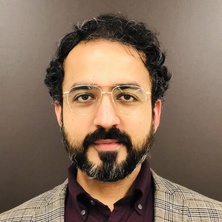
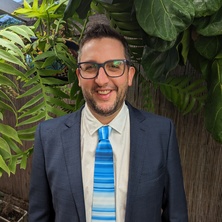
Dr Karan Gulati is a Research Group Leader and the Deputy Director of Research at the School of Dentistry, UQ. He is also the Deputy Director of Centre for Orofacial Regeneration, Reconstruction and Rehabilitation (COR3) at UQ Dentistry.
Dr Gulati is a pioneer in electrochemically nano-engineered dental implants with over 13 years of extensive research experience using nano-engineering towards various bioactive and therapeutic applications. Dr Gulati completed his PhD from the University of Adelaide (Australia) in 2015 and was awarded the Dean’s Commendation for Doctoral Thesis Excellence. His career has been supported by prestigious fellowships from NHMRC (National Health and Medical Research Council, Australia), JSPS (Japan Society for the Promotion of Science, Japan), Erasmus+ (Germany) and the University of Queensland. At 10 years post-PhD, Dr Gulati has edited 3 books, published 7 chapters and >79 publications (h-index 44), and presented >110 times in various reputed conferences.
Affiliate of Dow Centre for Sustainable Engineering Innovation
Dow Centre for Sustainable Engineering Innovation
Faculty of Engineering, Architecture and Information Technology
Affiliate of ARC Training Centre for Bioplastics and Biocomposites
ARC Training Centre for Bioplastics and Biocomposites
Faculty of Engineering, Architecture and Information Technology
Affiliate of Centre for Marine Science
Centre for Marine Science
Faculty of Science
Professor
School of Chemical Engineering
Faculty of Engineering, Architecture and Information Technology
Availability:
Available for supervision
Media expert
BIO:
Noun (n): I am a Professor in polymer processing in Chemical Engineering, a chief investigator in Advanced Materials Processing and Manufacturing (AMPAM) centre, a chief investigator/director of external links of the ARC industrial transformation training centre (ITTC) in bioplastics and biocomposites, a chief investigator in food and beverage accellerator (FaBA).and a chief investigator in the solving plastic waste cooperative research centre (spwCRC).
Verb (v): I work at the translational research interface between universities and industry. Specifically my research involves rheology, processing and product design of bio-based materials, polymers and nanocomposite materials. I lead translational research projects in biopolymers and biofluid platforms for agrifood, biomedical and high-value manufacturing sectors which attract government and industry funding; and produce patents, licences. industrial know-how as well as fundamental papers.
History (h): I have worked in industry (SRI international, Sola Optical, Moldflow), have worked in five cooperative research centres (CRCs -Food Packaging, Sugar Innovation, Polymers, Fighting Food Waste, Solving Plastic Waste), have acquired and managed continuous government and industry research projects since 1994, was heavily involved in the spinoff of Plantic Technologies from the CRC food packaging in 2002 (and ongoing research support with them until 2016), and was involved in the research that led to the TenasiTech (TPU nanocomposite) spinoff from UQ in 2007.I am a fellow of the institute of chemical engineers (IChemE) and a fellow of the Royal Australian Chemical Institute (RACI). I am on the editorial board of the Plastics, Rubbers and Composites, Starch, the Journal of Renewable Materials, Green Materials and Functional Composite Materials-Springer-Nature. I have experience on the boards of the UQ Dow Centre, the UQ RTA Centre, and the UQ-HBIS Sustainable Steel Innovation Centre. I won IChemE Shedden Uhde Award and Prize for excellence in Chemical Engineering (2004), the CRC Sugar innovation award (2008), the CRCPolymers Chairman’s award for research and commercialisation (2011), and have received the CRC Association Technology Transfer Award, twice, in 2002 and 2015.
Research:
Current projects are focused on developing new sustainable and bio-based polymers and biochemicals from formulation through to degradation/disposal, understanding processing of nanostructured polymers, developing smarter biopolymers and materials for biomedical, drug delivery, food and high value applications, understanding rheology and processing of a range of polymer, foods and liquids and is involved in new initiatives in circular plastics.
Teaching and Learning:
My teaching has spanned Introduction to Engineering Design, Engineering Thermodynamics, Polymer Engineering, Process Economics, Research Thesis and Engineering Management. I am developing new courses in Sustainability and the Circular Economy. My overall teaching goal is to be a relevant, well organised, enthusiastic and empathetic enabler of learning using multiple teaching and learning modes, and be highly connected to current industrial practices and cutting edge research.
International links
I have been a visiting or invited professor at ENSICAEN-University, Caen, Normandy, University of Nottingham, Queen’s University Belfast, the University of Strasbourg and Institut national des sciences appliquées (INSA) de Lyon in France. I have strong international collaborations with the US Department of Agriculture, Albany, USA; Colorado School of Mines, USA; AnoxKaldnes, Sweden; University of Bradford, University of Warwick, University of Nottingham, University of Sheffield, UK, SCION, NZ; Michigan State University, USA, and many Australian universities.
Faculty of Health, Medicine and Behavioural Sciences
NHMRC Emerging Leadership Fellow
School of Dentistry
Faculty of Health, Medicine and Behavioural Sciences
Affiliate of Centre for Extracellular Vesicle Nanomedicine
Centre for Extracellular Vesicle Nanomedicine
Faculty of Health, Medicine and Behavioural Sciences
Affiliate of Centre for Orofacial Regeneration, Reconstruction and Rehabilitation (COR3)
Centre for Orofacial Regeneration, Reconstruction and Rehabilitation
Faculty of Health, Medicine and Behavioural Sciences
Availability:
Available for supervision
Media expert
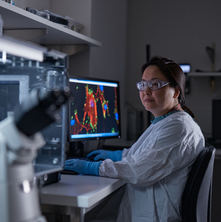
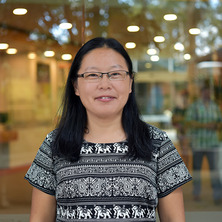
Dr Pingping Han currently leads the Epigenetic Nanodiagnostics and Therapeutics Group within the Centre for Orofacial Regeneration, Reconstruction and Rehabilitation (COR3) at the UQ School of Dentistry. She received her PhD in Biomedical Engineering from the Queensland University of Technology (QUT) in 2014.
Dr Han’s current research focuses on three main areas: (a) salivary diagnostics for periodontal disease and (b) “cell-free” regenerative therapies for periodontal tissue engineering.
Australian Institute for Bioengineering and Nanotechnology
Availability:
Available for supervision
Media expert
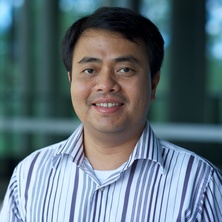
Dr Nyoman Kurniawan is a Senior Research Fellow in the Centre for Advanced Imaging and the Facility Manager for Preclincal 16.4T Microimaging 9.4T MRI scanners.
Dr Kurniawan’s research areas are:
Diffusion magnetic resonance imaging of mouse neuroanatomy, with view to study neurological disease model, including:
developmental abnormalities
spinal cord diseases
Development of 3D mouse brain, human spinal cord and cephalopod brain atlases using high resolution structural and diffusion MRI
Faculty of Engineering, Architecture and Information Technology
Affiliate of ARC Research Hub for Sustainable Crop Protection
ARC Research Hub for Sustainable Crop Protection
Queensland Alliance for Agriculture and Food Innovation
Honorary Associate Professor
Australian Institute for Bioengineering and Nanotechnology
Availability:
Not available for supervision
Media expert
Dr Li Li is a Honorary Associate Professor at Australian Institute for Bioengineering and Nanotechnology. She received her PhD in Chemical Engineering from China University of Petroleum.
In 2007, she joined the University of Queensland (UQ) as a postdoctoral research fellow in the ARC Centre of Excellence for Functional Nanomaterials, working on nanoparticles and nanomaterials for renewable energy production and storage, environment technology and catalysis including hydrogen production and storage, environmental protection, and gas adsorption. In 2011, she was awarded UQ Postdoctoral Fellowship under the supervision of Prof. Zhi Ping (Gordon) Xu, working on engineered nanomaterials in healthcare and environment control. After Postdoctoral Fellowship, she was awarded Advance Queensland Research Fellow in 2016. Her research focuses on design and engineering functional nanomaterials for drug/gene delivery, sustainable release and oral vaccine delivery for human health and animal health management. Since 2011, she has attracted 22+ research funding including Advance Queensland Fellowship (Mid), Queensland smart future fund, UQ Postdoctoral Research Fellowship, 3 UQ grants and 2 international collaboration projects. Moreover, she has a strong linkage with industry partners on the development of functional targeted nano-delivery systems to enhance the health of farm animals.
Affiliate of Centre for Extracellular Vesicle Nanomedicine
Centre for Extracellular Vesicle Nanomedicine
Faculty of Health, Medicine and Behavioural Sciences
Research Fellow
Australian Institute for Bioengineering and Nanotechnology
Availability:
Available for supervision
Media expert
Dr Mostafa Kamal Masud is a CCQ Next Generation Cancer Research Fellow at the Australian Institute for Bioengineering & Nanotechnology (AIBN), the University of Queensland (UQ). In 2020, he received his PhD in Medical Biotechnology Diagnostics and Nanobiotechnology from AIBN, UQ. He received his MS and B.Sc. (Hons.) in Chemistry from Shahjalal University of Science and Technology (SUST), Sylhet-3114, Bangladesh. After completing his PhD, he was awarded a prestigious JSPS Postdoctoral Fellowship (success rate >10%) from Japan and served as a Postdoctoral Fellow at Japan's National Institute for Materials Science (NIMS).He recently been awarded a highly prestigious ARC DECRA fellowship for the period 2024-2026 and a QLD Cancer Council fellowship for the period 2024–2028. His research focuses on the development of novel nanostructures and nanodiagnostic technologies to address critical issues in medical diagnosis. As an early career researcher, he has an excellent track record with more than 60 peer-reviewed publications in prestigious and high-impact journals in the area that achieve <2800 citations with an h-index of 29 (Scholar google link: https://bit.ly/2Vtv67l). He has developed new classes of superparamagnetic nanostructures and fabricated novel biosensors for the detection of disease-specific biomolecular targets e.g., for miRNA, DNA, exosome and protein biomarker detection that have proven to be easy and effective, allowing for rapid diagnosis with minimal equipment. He made a major contribution to nanotechnology integrated-analytical and diagnostic fields by providing analytical and technological input as well as developing key collaborations with clinicians and biologists for translational research. His strategy is to create nano-architecture point-of-care diagnostic technology for early diagnosis of cancer that could hopefully lead to a healthy and happier life for humans.
Faculty of Health, Medicine and Behavioural Sciences
Availability:
Available for supervision
A/Prof. Alejandro Melendez-Calderon has an interdisciplinary background in engineering and rehabilitation with extensive experience in rehabilitation technologies (e.g. robotics, wearables, biofeedback) and computational approaches to understand human neuromuscular control (unimpaired, stroke and SCI population). He has over 20 years of experience gained in academic, clinical and industrial environments. He is one of a select few experts who has working experience in area of Rehabilitation Engineering at top academic, industrial and clinical environments around the world (Australia, Switzerland, USA, UK, Italy, Denmark). This diversity of working environments provides him with a solid understanding of the development and clinical translation processes of rehabilitation technologies - from conception in academia, to transfer, commercialization and adoption in clinical settings.
He is Principal Research Fellow and Theme co-lead of Rehabilitation and Outcomes at the Jamieson Trauma Institute (Jun 2022-present), and an Honorary Associate Professor at the School of Health and Rehabilitation Sciences at the University of Queensland (May 2026-present).
Work experience | Clinical - He leads the Rehabilitation Innovation and Technology Assessment (RITA) service across STARS (Metro North Health) and Princess Alexandra Hospital (Metro South Health); RITA aims to close the gap between the potential of existing/emerging technologies and their practical, sustainable integration into everyday rehab care. He was previously a Senior Research Scientist and Head of Technology at the cereneo Advanced Rehabilitation Institute / cereneo Center for Neurology and Rehabilitation (Switzerland; 2017-2019), where he led and conducted research in the area of neuromechanics of movement deficits after stroke. He was also an Adjunct Assistant Professor at the Department of Physical Medicine & Rehabilitation, Northwestern University (USA; 2014-2020) and a postdoctoral research fellow at the Shirley Ryan AbilityLab (formerly Rehabilitation Institute of Chicago) (2012-2013), where he conducted research in cross-modal multisensory interactions and assessment of neuromuscular impairments. Medical industry - He led the areas of Robotic Hand Rehabilitation and Assessments, and work on adaptive control of robotic trainers (arm and legs) at Hocoma AG (Switzerland; 2014-2016), one of the world-leading manufacturers of robotic and wearable technologies for rehabilitation. Academic research - He was previously a Senior Lecturer within the School of Information Technology and Electrical Engineering, University of Queensland (Australia, Jan 2020-May 2026), where he led the NeuroRehabilitation and Medical Robotics group. He was a Guest Researcher at ETH Zurich (Switzerland; 2016-2019), where he conducted research in biomechanics and motor control/learning. He received his PhD degree from Imperial College London (UK; 2007-2011) for research in robotics, rehabilitation and human motor control.
Interests | A/Prof. Melendez-Calderon has a scientific interest in understanding principled mechanisms of human behavior, in particular related to movement control/learning and physical interaction; his technical interests are in robotics and computational modeling for medical diagnostics, assistive applications & (bio)medical education.
Affiliate Professor of School of Chemistry and Molecular Biosciences
School of Chemistry and Molecular Biosciences
Faculty of Science
Affiliate of ARC COE for Innovations in Peptide and Protein Science
ARC COE for Innovations in Peptide and Protein Science
Institute for Molecular Bioscience
Affiliate Associate Professor
Institute for Molecular Bioscience
Professorial Research Fellow
Australian Institute for Bioengineering and Nanotechnology
Availability:
Available for supervision
Media expert
Professor Mobli is a structural biologist and a group leader at the University of Queensland's Australian Institute for Bioengineering and Nanotechnology (AIBN). He is well known internationally for his contributions to the basic theory of multidimensional nuclear magnetic resonance and its applications to resolving the molecular structure of peptides and proteins, as well as studying their physiochemical properties and function. Mehdi's contributions to the field has been recognised by being appointed an Executive Editor of the AMPERE society's journal "Magnetic Resonance", and to the advisory board of the international Biological Magnetic Resonance Data Bank (BMRB) as well as serving on the board of directors of the Australia and New Zealand Society for Magnetic Resonance (ANZMAG). He is a former ARC Future Fellow and recipient of the ASBMB MERCK medal, the Australia Peptide Society's Tregear Award, the ANZMAG Sir Paul Callaghan medal and the Lorne Proteins Young Investigator Award (now Robin Anders Award).
Prof. Mobli's research group focuses on characterising the structure and function of receptors involved in neuronal signalling, with a particular focus on developing new approaches for the discovery and characterisation of modulators of these receptors through innovations in bioinformatics, biochemistry and and biophysics. This work has led to publication of more than 100 research articles attracting over 6,000 citations.
Director, Higher Degrees by Research of School of Pharmacy
School of Pharmacy and Pharmaceutical Sciences
Faculty of Health, Medicine and Behavioural Sciences
Associate Professor
School of Pharmacy and Pharmaceutical Sciences
Faculty of Health, Medicine and Behavioural Sciences
Availability:
Available for supervision
Media expert
Dr Moyle’s laboratory (www.moylelab.com) uses cutting edge technologies for the synthesis of peptides, protein expression, and protein semi-synthesis to gain insights into the functional roles played by various biochemical pathways, to engineer better protein and peptide therapeutics, and to improve the delivery characteristics of various therapeutic molecules. Specific current areas of interest are detailed below:
Subunit Vaccine Development: methods to develop improved vaccines through the combination of recombinant and synthetic approaches to improve immunopotency and tailor immune responses (links to reseach articles on semisynthetic vaccines and peptide vaccines; reviews on vaccine development).
Delivery Systems for Nucleic Acid-Based Molecules: multi-component synthetic and recombinant approaches to improve the cellular uptake, and targeted delivery of various oligonucleotide molecules (e.g. siRNA, mRNA, pDNA and CRISPR-Cas9) as an exciting approach to treat or prevent various diseases (links to research articles and reviews).
Deciphering the Roles of Post-Translational Modifications: The combination of peptide synthesis and protein semisynthesis to enable the production of large amounts of site-specifically modified species, that can be used to deconvolute the roles played by various post-translational modifications (links to research articles).
Peptide/Protein Drugs and Delivery: The study of methods to improve the delivery characteristics of peptide/protein drugs (e.g. poor oral absorption, instability to chemical/enzymatic degradation, and the inability to reach their site/s of action) through chemical engineering approaches.
New Approaches for Superbugs: the development of antivirulence approaches, and formulations (e.g. various types of nanoparticles - silver, protein, mesoporous silica), which reduce the ability for microbes to cause disease, and make them more readily treated with antimicrobials, by providing access to synergistic combinations, and reducing the risk of antimicrobial resistance.
Information for Potential Students:
The Moyle lab considers applications from potential students and postdoctoral fellows with an interest in: i)infection control (including subunit vaccine and antimicrobial development); ii)delivery systems for peptide therapeutics; iii)targeted delivery systems; iv) studying the function of posttranslational modifications; and v) delivery systems for nucleic acid-based therapeutics (e.g. siRNA, shRNA, miRNA, mRNA, pDNA and CRISPR-Cas9). If you are interested in working in any of these areas please feel free to contact Dr Moyle (p.moyle@uq.edu.au). Please ensure that you supply an up to date CV; describe why you would like to work in the Moyle lab; provide a listing of publications (preferably with impact factors and citation counts); and indicate what skills you would bring to the lab. Detailed information on our laboratory is available at www.moylelab.com. Preference will be given to students and postdoctoral fellows who have their own funding.
Dr Moyle Biosketch:
Dr Moyle (H-index 30, >2600 citations; >95 publications; 13/8/2024; Google Scholar, ORCID, ResearcherID, and Publons profiles) received a PhD (Dec 2006) and a Bachelor of Pharmacy (Hons I) (Dec 2001) from The University of Queensland (UQ); graduated from the Pharmaceutical Society of Australia pre-registration pharmacist-training course (Nov 2002); and is registered with the Pharmacy Board of Australia. He currently works as an Associate Professor in the UQ School of Pharmacy, where he has been based since 2014.
Dr Moyle works in the fields of medicinal chemistry, chemical biology, and drug formulation, investigating subunit vaccine development, outcomes associated with histone post-translational modifications, and methods to improve the delivery characteristics of oligonucleotide (e.g. siRNA and pDNA), peptide, and protein therapeutics. During his PhD, Dr Moyle developed methods that enabled the synthesis of pure, lipid adjuvanted peptide vaccines, using advanced chemical ligation techniques. In addition, the conjugation of mannose to combined prophylactic/therapeutic human papillomavirus type-16 vaccines, to target dendritic cells, was demonstrated to significantly improve vaccine anti-tumour activity. This work, conducted with leading researchers at the QIMR Berghofer Medical Research Institute (Prof Michael Good & Dr Colleen Olive), established Dr Moyle’s national and international profile in the field of vaccine development, resulting in 11 peer reviewed papers, including top journals in the field (J Med Chem; J Org Chem), as well as 6 review articles and 2 invited book chapters.
Dr Moyle undertook his postdoctoral training in the laboratory of one of the world’s premier chemical biologists, Professor Tom Muir (the Rockefeller University, NY, USA; now at Princeton University, NJ, USA). During this time he developed an extensive knowledge of techniques for protein expression, bioconjugation, bioassays, and proteomics, which represent an essential skill set required for this proposal. As part of this work, Dr Moyle developed novel synthetic routes to generate site-specific ADP-ribose conjugated peptides and proteins. This research was hailed as a major breakthrough in the field, leading to several collaborations, and an exemplary publication in the prestigious chemistry journal JACS. This vast body of work identified the enzyme (PARP10) responsible for mono-ADP-ribosylation of histone H2B, and demonstrated interactions between this modification and several proteins, including BAL, which is associated with B cell lymphomas. In addition, a number of robust chemical methods were developed to enable the synthesis of a complete library of methyl-arginine containing histones, which were incorporated into synthetic chemically-defined chromatin to investigate the site-specific effects of arginine methylation on histone acetylation. This work led to a collaboration with colleagues at Rockefeller to investigate the effects of histone arginine methylation on transcription.
Teaching:
Dr Moyle teaches into the following subjects in the UQ School of Pharmacy.
PHRM3011 (Quality Use of Medicines) - course coordinator
PHRM4021 (Integrated Pharmaceutical Development)
PHRM3021 (Dosage Form Design)
PHRM2040 (Drug Discovery)
Awards:
2016 - Health and Behavioural Sciences (HABS) faculty commendation for Early Career Citations for Outstanding Contributions to Student Learning (ECCOSL)
2015 - ChemMedChem top 10 cited article of 2013 (link)
2014 - Highest ranked NHMRC development grant (2013; APP1074899)
2013 - Institute for Molecular Biology (IMB) Division of Chemistry and Structural Biology Prize
Faculty of Health, Medicine and Behavioural Sciences
Availability:
Available for supervision
I completed a PhD in Neuroscience with Jack Pettigrew (FRS) at Vision, Touch & Hearing Research Centre followed by an NHMRC Clinical Research Fellowship at Alfred Health & Monash University.
Back in QLD I'm continuing a transdisciplinary research & innovation program to Bring Discoveries of the Brain to Life!
I'm currently focused on developing novel MedTech Biotech diagnostics & therapeutics for enhancing human performance, recovery & resilience with the following projects:
[1] Precision Pain Medicine — the largest genetic study of persistent (chronic) pain in Australia, in collaboration with QIMR Berghofer & Monash University, aims to identify pharmacogenomics causal pathways for the design of personalised therapeutics & effective early intervention approaches (e.g., screening, education, prevention).
[2] Brain Switcha — A digital transdiagnostic biomarker and cloud-based large-scale population phenotyping & analytics platform to improve early intervention strategies in sleep & mental health conditions (esp. at-risk youth cohorts) and recruitment screening for Defence forces.
[3] VCS — vestibulocortical stimulation: A simple, inexpensive, non-invasive & non-pharmacologic neurotherapeutic treatment technique for fibromyalgia (with US colleagues) and other centralised pain syndromes, sleep apnoea, dementia & mental health conditions (e.g., depression, PTSD, bipolar disorder).
I also have >5 years professional services experience providing specialist research performance evaluation, consultation, reporting & training workshops that successfully delivered several major strategic priorities to a large internal & external client base — such as organisational unit leaders/managers at multiple levels (e.g., Centre/Department) and senior executive business missions for national/international strategic partnerships. This work includes mapping, monitoring & benchmarking of research capacity, capabilities/strengths, gaps & collaboration networks (e.g., clinical, corporate & government) across diverse disciplines for Annual & Septennial Departmental Reviews (e.g., patent, policy & clinical guideline citations; external stakeholder engagement including media); ARC Engagement & Impact assessments; and workforce capability development (e.g., recruitment for senior leadership positions and ranking of NHMRC/ARC funding applicants).
In particular, I enjoy meeting & connecting people with a shared vision & commitment towards building innovative & sustainable public-private partnerships to deliver meaningful solutions for the wider community.
Affiliate of Centre for Motor Neuron Disease Research
Centre for Motor Neuron Disease Research
Faculty of Health, Medicine and Behavioural Sciences
Affiliate of Centre for Population and Disease Genomics
Centre for Population and Disease Genomics
Institute for Molecular Bioscience
Senior Research Fellow & Group Leader
Institute for Molecular Bioscience
Availability:
Available for supervision
Media expert
Dr Quan Nguyen is a Group Leader at the Institute for Molecular Bioscience (IMB), The University of Queensland, where he leads the Genomics and Machine Learning (GML) Laboratory. His research focuses on understanding pathological processes within tissues to identify biomarkers for early diagnosis, patient stratification, and prediction of treatment response. His work integrates statistical machine learning techniques with advanced genomic technologies, combining single-cell and spatiotemporal sequencing data with tissue imaging to uncover causal links between genotypes and phenotypes across biological scales, from single cell, to tissue microenvironment, organ, multi-organ and population level. By studying cell-cell interactions, his research also contributes to the discovery of novel drug targets and improved understanding of drug mechanisms and toxicity. The GML Laboratory also develops spatiotemporal experimental platforms for large-scale biomarker profiling and validation in preclinical models and patient cohorts.
Dr Nguyen completed a PhD in Bioengineering at the University of Queensland in 2013, postdoctoral training in Bioinformatics at RIKEN institute in Japan in 2015, a CSIRO Office of Chief Executive (OCE) Research Fellowship in 2016, an IMB Fellow in 2018, an Australian Research Council DECRA fellowship, 2019-2021), and is a National Health and Medical Research Council Leadership Fellow (EL2 2022-2026 and L1 2027-2031). He has authored 86 publications in top-tier journals, like Cell, Nature Genetics, and Nature Method, averaging ~45.5 citations per paper, and led the development of 14 software tools with over 250,000 downloads. His recognised expertise is demonstrated through 14 national/international awards, numerous invited talks (21 international, 42 national), invited grant reviews for funding bodies in nine countries, and active editorial roles for BMC Cancer and Genome Medicine. His commitment to propelling the field forward is evident in leading roles within key consortia and forums and his dedication to organise training workshops and conferences. He has secured over $31 million in grant funding as a chief investigator from national and international funding agencies (e.g., ARC, NHMRC, MRFF, DoD, NCI) and from industry partners, with approximately $11million directly supporting his lab's groundbreaking work.
School of Electrical Engineering and Computer Science
Faculty of Engineering, Architecture and Information Technology
Availability:
Available for supervision
Dr Kieran O'Brien is a Siemens Healthcare Adjunct Research Fellow at the Centre for Advanced Imaging. He completed his Bachelor of Biomedical Engineering (Honours, 2005) and PhD in Bioengineering from the University of Auckland in 2009. After being awarded his PhD Kieran worked in Postdoctoral positions at the University of Auckland and the University of Geneva Centre d'Imagerie BioMédicale before joining Siemens as a Senior Scientist in 2013.
His research interests are include improving RF pulses at high field (≥3T) to overcome imaging inhomogeneity and B1 limitations for Neuro, MSK and Cardiac applications; bi-exponential diffusion imaging; and, phase imaging for quantitative susceptibility mapping and measuring motion.
Affiliate Professor of School of Biomedical Sciences
School of Biomedical Sciences
Faculty of Health, Medicine and Behavioural Sciences
Affiliate of Centre for Cardiovascular Health and Research
Centre for Cardiovascular Health and Research
Faculty of Health, Medicine and Behavioural Sciences
Affiliate of The Centre for Cell Biology of Chronic Disease
Centre for Cell Biology of Chronic Disease
Institute for Molecular Bioscience
National Heart Foundation of Australia Future Leader Fellow - Group Leader
Institute for Molecular Bioscience
Availability:
Available for supervision
Media expert
Professor Nathan Palpant is a cardiovascular scientist whose research integrates human genetics, computational genomics, stem-cell biology and drug discovery to understand the mechanisms of cardiovascular disease and translate these discoveries into new diagnostics and therapies.
His research focuses on why individuals differ in their susceptibility to heart disease, severity of myocardial injury and response to treatment. His laboratory studies inherited and environmental determinants of cardiovascular disease using population-scale genomics, human pluripotent stem-cell models and experimental models of cardiac injury. Major areas of research include myocardial infarction and cardioprotection, heart failure, inherited cardiovascular disease, cardiometabolic disease, complex-disease subtyping and precision medicine.
His research aims to connect fundamental discovery with clinical and commercial translation. His laboratory identified ASIC1a as a therapeutic target for myocardial injury, leading to first-in-class cardioprotective therapeutics now undergoing clinical development through Infensa Bioscience. He has also established Rosella Therapeutics to develop a new class of macrocyclic peptide therapeutics targeting cardiac muscle function to treat heart failure.
His broader research program develops genomic approaches for resolving biological subtypes of complex disease, functional genomics approaches for interpreting rare cardiovascular disease variants, and human stem-cell platforms for understanding genetic and environmental determinants of disease and drug response.
Faculty of Health, Medicine and Behavioural Sciences
Affiliate of Centre for Orofacial Regeneration, Reconstruction and Rehabilitation (COR3)
Centre for Orofacial Regeneration, Reconstruction and Rehabilitation
Faculty of Health, Medicine and Behavioural Sciences
Deputy Head of School & Professor of Endodontics
School of Dentistry
Faculty of Health, Medicine and Behavioural Sciences
Availability:
Available for supervision
Media expert
Dr. Ove A. Peters is a clinician-scientist at the UQ School of Dentistry; his expertise is in endodontics, including root canal treatment and vital pulp therapy, combining lab research with clinical studies and >35 years of experience as a dentist.
Dr. Peters joined UQ in 2020 after faculty positions in Heidelberg, Germany and Zurich, Switzerland, as well as at the University of California, San Francisco. He also was the founding director of the postgraduate endodontic program at the Arthur A. Dugoni School of Dentistry in San Francisco, a professor with tenure and the Chair of the Department of Endodontics at that school.
Dr. Peters has published more than 250 manuscripts related to endodontic technology and biology and has authored two books as well as book chapters in several leading textbooks in dentistry; he is an associate editor for the International Endodontic Journal, an academic editor for PLOS One and serves on the review panels of multiple other journals. Among other honours, Dr Peters has received the Hans Genet Award of the European Society of Endodontology, the Louis I. Grossman Award of the American Association of Endodontists and recently the Distinguished Scientist Award in Pulp Biology by the IADR. He is a Diplomate of the American Board of Endodontics, a member of OKU and a Fellow of both the International and American Colleges of Dentistry.
Professor and Associate Dean (External Engagement)
Faculty of Engineering, Architecture and Information Technology
Professor
School of Electrical Engineering and Computer Science
Faculty of Engineering, Architecture and Information Technology
Availability:
Available for supervision
Aleksandar D. Rakić leads the Photonics and Microwave Engineering group at The University of Queensland focusing on the development of technologies for sensing and imaging across the electromagnetic spectrum including microwave, terahertz wave and optical systems.
Professor Rakić’s research focuses on the principles of laser feedback interferometry with semiconductor lasers, and on the application of these principles to imaging and sensing. Rakić group pioneered the development of several world’s first laser-feedback interferometric sensors including systems based on monolithic Vertical-Cavity Surface-Emitting Laser arrays (VCSELs), blue-green lasers, terahertz quantum cascade lasers and mid-infrared interband cascade lasers.
His current focus is on the development of sensing and imaging systems exploiting the THz spectrum for applications from security and defence to in vivo biomedical imaging. His other principal contributions relate to the design and characterization of surface-emitting optoelectronic devices (VCSELs and light emitting diodes) and modelling of optical materials.
Affiliate of ARC Research Hub for Advanced Manufacture of Targeted Radiopharmaceuticals (AMTAR)
ARC Research Hub for Advanced Manufacture of Targeted Radiopharmaceuticals
Australian Institute for Bioengineering and Nanotechnology
Principal Research Fellow and Group Leader
Australian Institute for Bioengineering and Nanotechnology
Availability:
Available for supervision
A/Prof Barbara Rolfe is a Group Leader at the Australian Institute for Bioengineering and Nanotechnology. A/Prof Rolfe is an immunologist and cell biologist, whose major research interests are the role of the innate immune system in cancer, the identification of novel therapeutic strategies for cancer, and nanomaterial safety. Her research has led to the identification of a previously unknown mechanism by which dysregulation of the immune system contributes to cancer development and growth, and provided information regarding the immune response to nanomaterials and the influence of physicochemical characteristics on biodistribution and cellular uptake. A/Prof Rolfe has used mouse models and small peptide agonists and antagonists to investigate the role of the innate immune system in tumour development and growth. This research demonstrated for the first time an important role for complement proteins in promoting tumour growth via regulation of immunosuppressive innate immune cells. Ongoing research is aimed focussed on gaining a better understanding of the role of complement proteins in tumour growth, developing novel immunotherapeutic strategies for cancer and investigating the application of nanomaterials for targeted delivery of anti-cancer drugs.
Faculty of Health, Medicine and Behavioural Sciences
Affiliate of Centre for the Business and Economics of Health
Centre for the Business and Economics of Health
Faculty of Business, Economics and Law
Affiliate of Centre for Innovation in Pain and Health Research (CIPHeR)
Centre for Innovation in Pain and Health Research
Faculty of Health, Medicine and Behavioural Sciences
Affiliate of Centre for Neurorehabilitation, Ageing and Balance Research
Centre for Neurorehabilitation, Ageing and Balance Research
Faculty of Health, Medicine and Behavioural Sciences
Affiliate of RECOVER Injury Research Centre
RECOVER Injury Research Centre
Faculty of Health, Medicine and Behavioural Sciences
Affiliate of Queensland Digital Health Centre
Queensland Digital Health Centre
Faculty of Health, Medicine and Behavioural Sciences
Centre Director
School of Health and Rehabilitation Sciences
Faculty of Health, Medicine and Behavioural Sciences
Availability:
Available for supervision
Media expert
Trevor Russell is a Professor of Physiotherapy and the Director of the RECOVER Injury Research Centre where he leads a stream of research on Technology Enabled Rehabilitation. He is also co-director of both the Centre for Research in Telerehabilitation and the Telerehabilitation Clinic at the University of Queensland. His research focusses on the use of digital technologies for the remote delivery of health services with a particular focus on telerehabilitation technologies. Specifically his research aims to develop innovative computer based hardware and software solutions to enable the provision of rehabilitation services remotely via the Internet; to further the evidence base of technology enabled rehabilitation through controlled clinical trials; to evaluate the treatment efficacy of specific technology enabled interventions; investigate cost-benefit factors related to technology enabled services; and develop best practice guidelines for the implementation of technology enabled services in the rehabilitation sciences. His work is amongst the earliest and most extensive in this field.