Affiliate of Centre for Behavioural and Economic Science
Centre for Unified Behavioural and Economic Sciences
Faculty of Business, Economics and Law
Affiliate of Early Cognitive Development Centre
Early Cognitive Development Centre
Faculty of Health, Medicine and Behavioural Sciences
Affiliate of Centre for Psychology and Evolution
Centre for Psychology and Evolution
Faculty of Health, Medicine and Behavioural Sciences
Professor
School of Psychology
Faculty of Health, Medicine and Behavioural Sciences
Availability:
Available for supervision
Media expert
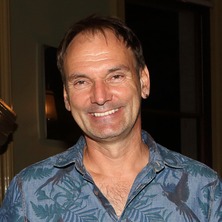
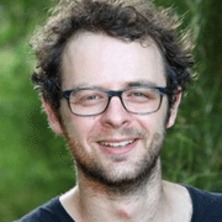
Thomas grew up in Germany and joined UQ in 1999 following postgraduate studies in New Zealand. He investigates the mental capacities in young children and in animals to answer fundamental questions about the nature and evolution of the human mind. His research has attracted several awards (incl. from the Australian Academy of Social Sciences, the Australian Psychological Society and the American Psychological Association) and his critically acclaimed books The Gap (e.g. see reviews in Nature, Science or the Wall Street Journal) and The Invention of Tomorrow (A Nature Book Reviews Best Science Pick) have been translated into several languages.
Affiliate of Centre for Cardiovascular Health and Research
Centre for Cardiovascular Health and Research
Faculty of Health, Medicine and Behavioural Sciences
Affiliate Senior Research Fellow of School of Biomedical Sciences
School of Biomedical Sciences
Faculty of Health, Medicine and Behavioural Sciences
Senior Principal Research Fellow
Institute for Molecular Bioscience
Availability:
Available for supervision
Media expert
Critical Care Medicine focuses on supporting patients, often with one or multiple organ failures. Based at the largest Australian cardiac hospital, our research investigates better ways to support patients with heart and/or lung failure. We explore technological, pharmacological and engineering advances that could help our patients to live longer and better. Our group is world-renowned for clinically relevant large animal models, including heart failure, respiratory failure (ARDS), heart transplantation, sepsis, cardiogenic shock, and more. All our studies use hospital-grade equipment and follow the same clinical guideline to maximise translation. We actively take on honours, MPhil and PhD students from multi-disciplinary backgrounds (science, engineering, medicine, allied health), with a successful track record in supporting our students to secure their own grants and funding. Students are expected to contribute to other studies of the group. For more information about the group, please visit ccrg.org.au, and email if you are interested to join us.
Faculty of Health, Medicine and Behavioural Sciences
Availability:
Available for supervision
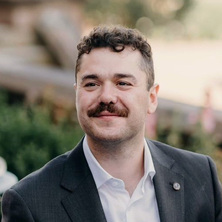
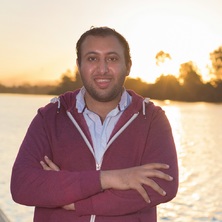
Dr Mitchell Anthony Sullivan is a CJ Martin Early Career Research Fellow, funded by the National Health and Medical Research Council (NHMRC). Mitchell has a postdoctoral position in Professor Josephine Forbes’ Glycation and Diabetes research group at the Translational Research Institute. With a keen interest in the role of the blood-sugar storage molecule glycogen in health and disease, Mitchell has used the techniques he developed in his PhD, supervised by Prof. Robert Gilbert, to examine the important role this molecule has in diseases such as diabetes, Lafora disease and Adult Polyglucosan Body Disease. Currently he is extending this research into the field of diabetic kidney disease, combining the skills and knowledge he obtained in a 2-year postdoctoral position in Toronto with Prof. Berge Minassian, with the kidney expertise of Prof. Forbes.
Awards received by Mitchell include the Biochemistry Alumni Prize (2008), awarded to the top ranked student at UQ in 3 biology/biochemistry course and the Chemistry Honours Research Prize (2010), awarded to “the student who, in completing a BSc (Honours) in the field of Chemistry, demonstrated a high level of achievement in the research component of the program and a high potential for independent research.”
Mitchell was an organizing committee member for the Annual RACI Polymer Student Symposium (2013) and is currently a member of the Translation Research Institute Mentoring Committee.
While less than 3 years from completing his PhD, Mitchell has 23 publication involving collaboration in China, Sweden, Canada, USA and Spain.
Personal statement: “Ever since beginning my research career as an undergraduate, I have thoroughly enjoyed the privilege of being able to pursue research questions I am passionate about. The opportunity to add new information and insights into the shared knowledge pool of the global scientific community is greatly appreciated. I will continue to relish these opportunities and strive to perform research to the best of my ability, with the goal of maximising a beneficial impact. As I advance through my career I will also endeavour to encourage and support my colleagues, helping foster a collaborative and fruitful environment to perform research.”
Associate Member of Centre for Community Health and Wellbeing
Centre for Community Health and Wellbeing
Faculty of Health, Medicine and Behavioural Sciences
Affiliate of Centre for the Business and Economics of Health
Centre for the Business and Economics of Health
Faculty of Business, Economics and Law
Conjoint Professor in Community Diabetes and Digital Health
Medical School
Faculty of Health, Medicine and Behavioural Sciences
Availability:
Not available for supervision
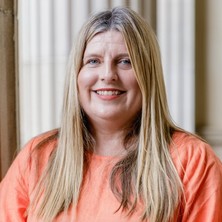
Professor Clair Sullivan is an internationally-recognised leading practising and academic clinical informatician who helps drive digital health transformation in Queensland and globally.
Clair is the Director of the new Queensland Digital Health Centre within the Centre for Health Research at The University of Queensland.
A specialist endocrinologist, Clair graduated with Honours in Medicine from The University of Queensland and earned a Research Doctorate in Medicine from the University of Leeds. In 2014, Clair began a parallel career in the emerging field of digital health and has held significant leadership roles in digital health practice and governance across government and academia. Her work is regularly translated into practice and informs policy in Australia and globally.
Clair is currently Professor of Digital Health at UQ and Conjoint Professor of Community Diabetes at Metro North Health. She is an Adjunct Professor at the Faculty of Health, Queensland University of Technology and an Adjunct Professor, School of Health and Biomedical Sciences at Royal Melbourne Institute of Technology. She is Clinical Director for Community Diabetes at Metro North Health.
She is a fellow of the Royal Australasian College of Physicians, the Australian College of Health Informatics and the Australasian Institute of Digital Health.
Clair serves on several national advisory boards for digital health. She is the recipient of several awards including the 2021 Premier’s Award for Excellence for her team’s work on the digital response to COVID-19 and the 2022 Telstra Brilliant Connected Women in Digital Health Award.
She has generated over $70M in grant funding and has deep collaborations with government and industry. She is ranked in the top 1% of Medical Informatics researchers globally.
Faculty of Health, Medicine and Behavioural Sciences
Availability:
Not available for supervision
Media expert
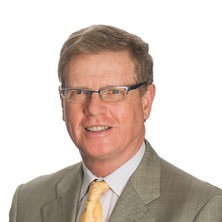
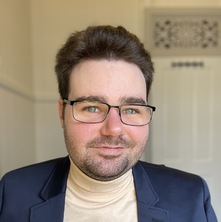
Dr Daniel Sullivan is a Clinical Psychologist and Adjunct Lecturer in the Child Health Research Centre, The University of Queensland. In his clinical role, Dr Sullivan leads a program of research to design Australia's first psychology extended scope of practice model of care for limited pharmacotherapy management, with an emphasis on deprescribing hypnotic medicines in the public sector sleep psychology setting (ExPEDiTe Sleep project). As a member of the Let’s Yarn about Sleep group at the University of the Sunshine Coast, Dr Sullivan is working to improve sleep health equity for First Nations Australians through community co-designed, culturally responsive sleep programs which harmonise sleep science with Indigenous Australian perspectives and knowledges about sleep.
Dr Sullivan’s research and clinical expertise is in the behavioural aspects of sleep; he is an Editor of the journal Research Directions: Sleep Psychology (Cambridge University Press) and is board certified by the US-based Board of Behavioral Sleep Medicine. Dr Sullivan completed postgraduate training in sleep at the University of Sydney (MSc), and his PhD in Clinical Psychology at Griffith University, where his doctoral research examined psychological factors involved in sleep-related headaches.
Affiliate of Centre of Architecture, Theory, Culture, and History
Centre of Architecture, Theory, Culture and History
Faculty of Engineering, Architecture and Information Technology
Senior Lecturer in Architecture
School of Architecture, Design and Planning
Faculty of Engineering, Architecture and Information Technology
Availability:
Available for supervision
Nicole Sully is a senior lecturer in the History and Theory of Architecture, and Architectural Design at the University of Queensland, and a member of the ATCH research group. She undertook undergraduate degrees in both Fine Arts and Architecture at the University of Western Australia, and in 2005 was awarded a doctorate for her thesis titled: Architecture and Memory: A Philosophical and Historical Inquiry. She has taught at the University of Western Australia and Curtin University of Technology, in addition to working in architectural practices in Western Australia.
Nicole’s research focuses on the interdisciplinary relationship of architecture and memory; pathologies of place; heritage; modern architecture and more broadly the history of Australian art and architecture. Her work has been published in The Architect, Fabrications, ARQ: Architectural Research Quarterly, and Gillian Pye (ed), Trash Culture: Objects and Obsolescence in Cultural Perspective (with Lee Stickells). In collaboration with Andrew Leach and Antony Moulis, she co-edited Shifting Views: Selected Essays on the Architectural History of Australia and New Zealand, published by the University of Queensland Press in 2008. Most recently, in collaboration with Philip Goldswain and William M. Taylor, she has co-edited Out of Place (Gwalia): Occasional Essays on Australian Regional Communities and Built Environments in Transition, published by the University of Western Australia Press in 2014.
Memberships
Member, College Art Association
Past Member, Society of Architectural Historians
Member, Society of Architectural Historians of Australia and New Zealand
Editorial Board, Fabrications: Journal of the Society of Architectural Historians, Australia and New Zealand (2020-26)
Affiliate of Centre for Social Responsibility in Mining
Centre for Social Responsibility in Mining
Faculty of Engineering, Architecture and Information Technology
Advance QLD Industry Research Fellow
School of Chemical Engineering
Faculty of Engineering, Architecture and Information Technology
Availability:
Not available for supervision
Media expert
Dr Ummul Sultana is a Industry Research Fellow in the Hydrometallurgy Research Group within the School of Chemical Engineering, at the University of Queensland. She obtained a Bachelor’s degree in Materials and Metallurgical Engineering, followed by Master’s degree in Hydrometallurgy and PhD in Materials Engineering from the Queensland University of Technology in Australia. After finishing her PhD, she started her research career as a Postdoctoral Researcher at UQ in the School of Chemical Engineering in 2019. She has gained experiences in the field of hydrogen energy, nanomaterials-based electrocatalysts development, thermodynamic phase equilibria & database development as well as advanced materials’ characterization techniques. She was invited to the Ohio State University in United States of America to participate in a short course on advanced materials’ characterization techniques. She has been largely contributing to the research area of treating industrial tailings & critical metal recovery techniques. She has also been engaged in teaching, staff & laboratory management as well as managing the Occupational Health and Safety (OHS) guidelines in UQ laboratories. Due to her research excellence, she has received the Outstanding Doctoral Thesis Award for the class of 2019 and High Achiever Award in 2018 from QUT. She has several publications in well reputed journals and two of her journal articles have been featured in the front covers of “Advanced Functional Materials” (IF 20) and “ChemElectroCehm” (IF 5). In 2021, she was awarded the Research Fellowship Grant from the UQ Research and Innovation Centre. Ummul is currently focusing on Extracting Queensland’s Rare Earth Elements Sustainably project supported by the Queensland Department of Natural Resources, Mines and Energy. She is also an Associate Fellow of Higher Education Academy (AFHEA), member of Royal Society of Chemistry and Engineers Australia professional societies.
Centre Director of Centre for Nutrition and Food Sciences
Centre for Nutrition and Food Sciences
Queensland Alliance for Agriculture and Food Innovation
Affiliate of Centre for Geoanalytical Mass Spectrometry
Centre for Geoanalytical Mass Spectrometry
Faculty of Science
Centre Director, Nutrition & Food Science
Queensland Alliance for Agriculture and Food Innovation
Availability:
Not available for supervision
Professor Yasmina Sultanbawa's research is focused within the agribusiness development framework, specifically in the area of food processing, preservation, food safety and nutrition. Her current research includes the minimisation of post harvest losses through value addition and the search for natural preservatives to replace current synthetic chemicals. In addition, her research area also includes the challenge of nutrition security, in particular micronutrient deficiency (hidden hunger), lack of diet diversity and nutritional losses in the food supply chain, which are addressed by her work with underutilized Australian plant species and potential new crops. Her work on Australian native plant foods is focused on incorporation of these plants in mainstream agriculture and diet diversification Working with indigenous communities to develop nutritious and sustainable value added products from native plants for use in the food, feed, cosmetic and health care industries is a key strategy. The creation of employment, economic and social benefits to these remote communities is an anticipated outcome. She considers it a privilege to engage with these communities and is very passionate that her work will have a positive socio-economic impact.
Research Focus
Functional ingredients (natural additives)
Functional food/feed/nutraceutical ingredients with enhanced nutritional and phytochemical profiles are obtained from specialty crops (Australian native plant foods) and industry co/by-products. Natural additives are obtained from raw materials of vegetable, fruit, herbs/spices or microbiological origin. An example is plant extracts which can provide e.g. antioxidants, shelf-life extension (natural antimicrobials), trace-nutrients (vitamins/ minerals) and novel flavours. Innovative technology solutions
Novel packaging systems
Development of active, biodegradable packaging material with natural additives for shelf life extension, smart packaging with nanosensors for the effective detection of food contaminants, microperforated packaging systems with optimised modified atmospheres for fresh foods and high barrier packaging material for herbs and spices are practical objectives of her research. Engineered nano-delivery systems for plant bioactives Develop nano-platforms for targeted delivery and controlled release of plant bioactives including antioxidant and antimicrobial products, through testing of in vitro activities and shelf life under various conditions.
Photodynamic treatment
Photodynamic treatment or photosensitization is a novel light and photo dye based approach which offers promising alternatives to conventional methods for the control of microorganisms. Plant bioactives such as curcumin has been successfully used to control mycrotoxigenic fungi. This technology has potential as a decontamination tool to reduce the microbial load in food and feed.
Food safety
Her research focus in this field includes intervention strategies to inhibit and prevent food-borne pathogens and spoilage organisms in fresh food and beverages, elucidating mechanisms of antimicrobial action, shelf-life extension with natural antimicrobials, retaining bioactivity during processing and storage, search for natural inhibitors from Australian native plants, use of bioactive honey from Leptospermum polygalifolium (Jelly bush) in treating microbial wound infections.
Affiliate of Dow Centre for Sustainable Engineering Innovation
Dow Centre for Sustainable Engineering Innovation
Faculty of Engineering, Architecture and Information Technology
Postdoctoral Research Fellow
School of Chemical Engineering
Faculty of Engineering, Architecture and Information Technology
Availability:
Available for supervision
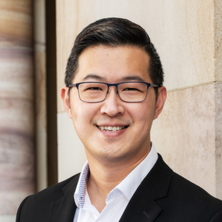
Dr Kaige Sun is a Postdoctoral Research Fellow at ARC Centre of Excellence for Green Electrochemical Transformation of Carbon Dioxide (GETCO2) and UQ Dow Centre for Sustainable Engineering Innovation at The University of Queensland. He received his PhD degree in Chemical Engineering from The University of Queensland, where his research focused on electrochemical ion separation and selectivity. His current main research interests centre on green electrochemical techniques for energy and environmental applications, such as electrochemical CO2 capture and conversion, electrochemical deionization, and the development of advanced biomass-derived electroactive materials. To date, he has published over 27 peer-reviewed publications in Nature indexed/top-tier journals, including Advanced Functional Materials, Advanced Energy Materials, Advanced Materials, Environmental Science & Technology, Chemical Reviews, etc.
Topics related to current research interests:
1. Energy-efficient electrochemical CO2 capture and direct air capture
2. Tailoring microenvironment for electrocatalytic CO2 reduction to valuable chemicals
3. Electrochemical ion separation and recovery
4. High-value utilization of biomass to electroactive materials
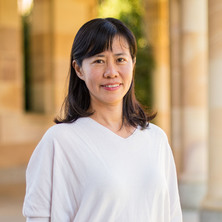
Dr Sun’s research addresses tourism sustainability, focusing on economic impacts and environmental footprinting. Her work on tourism economic impacts is to use the input-output modelling to provide quantitative estimates on jobs, income and GDP with respect to changes in national tourism policy, market development or special events and disasters. In addition, she also works on the environmental perspectives of travel behaviour, quantifying the tourism carbon footprint and tourism water footprint. She successfully constructed and analysed tourism impacts for individual countries (Taiwan, China, Japan, United States, and New Zealand) and provided the first detailed estimate of the global travel impact on greenhouse gas emissions.
She worked closely with federal and local administers, including Statistics Norway, Indonesia Ministry of Finance, Taiwan Ministry of the Interior Construction Agency, Taiwan Forestry Bureau, and the US National Park Service. Her research projects include cases with national tourism carbon emission inventory, tourism employment vulnerability, tourism marketing programs, and national park management.
Dr Sun has published in top academic journals including Nature Climate Change, Tourism Management, Journal of Travel Research and Journal of Sustainable Tourism. Before joining UQ from Taiwan in 2018, She had 9 consecutive research projects with the Taiwan Ministry of Science and Technology (MOST) (equivalence to Australia Research Council), and 4 governmental grants. Dr Sun is currently the lead CI of the ARC Discovery Project that will set up the global tourism carbon emissions database and identify enablers for tourism decarbonization.