Faculty of Health, Medicine and Behavioural Sciences
Affiliate of Centre for Extracellular Vesicle Nanomedicine
Centre for Extracellular Vesicle Nanomedicine
Faculty of Health, Medicine and Behavioural Sciences
Availability:
Available for supervision
Media expert
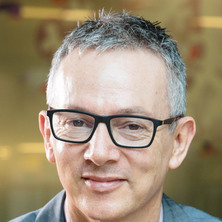
Professor Jürgen Götz (PhD, Dr. habil, FAHMS, GAICD) is Foundation Chair of Dementia Research, Director of the Clem Jones Centre for Ageing Dementia Research at the Queensland Brain Institute (University of Queensland), NHMRC Leadership Fellow and Ultrasound Team Leader. In 2023 he became the Lesleigh Green - Bill and Nancy Green Endowed Chair in Dementia Research. Jürgen Götz performed undergraduate studies at the Biocenter of the University of Basel, before joining the laboratory of Nobel Laureate Georges Köhler to obtain his PhD degree in immunology. Subsequently, he took up postdoctoral positions at UCSF (San Francisco) and Sandoz Ltd (now Novartis, Basel), and worked as Research Group Leader (venia legendi, Dr. habil.) at the University of Zurich (Switzerland). Before taking up his current position, Jürgen Götz was a Professor and Chair of Molecular Biology at the University of Sydney.
Jürgen Götz is a highly cited researcher (Clarivate) and an expert in basic and translational research in Alzheimer’s disease (AD), focusing on the cellular and molecular mechanisms of how Tau and Aβ cause neurodegeneration, using transgenic and cellular models, and exploring low-intensity ultrasound as a novel treatment modality for AD and other brain diseases (>220 publications, including in leading journals such as Science, Cell, Lancet and Neuron; h-index = 86, 27,800+ citations, Google Scholar). Jürgen Götz and his team have built a clinical trial-ready therapeutic ultrasound device and started a first-in-human safety trial in 12 Alzheimer patients (April 2023).
Faculty of Health, Medicine and Behavioural Sciences
Affiliate Research Fellow of School of Pharmacy and Pharmaceutical Sciences
School of Pharmacy and Pharmaceutical Sciences
Faculty of Health, Medicine and Behavioural Sciences
Research Fellow
School of Health and Rehabilitation Sciences
Faculty of Health, Medicine and Behavioural Sciences
Affiliate of Centre for Innovation in Pain and Health Research (CIPHeR)
Centre for Innovation in Pain and Health Research
Faculty of Health, Medicine and Behavioural Sciences
Availability:
Available for supervision
Media expert
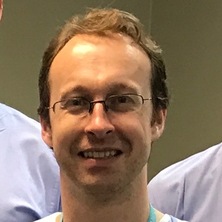
I am a Research Fellow and Leader in Pain Relief Innovation at AIBN, UQ. My research interests sit at the interface of drug delivery and the pain field. My overarching research goal is to improve the quality of day to day life of patients suffering from chronic pain, by applying nanotechnology to the development of novel highly effective pain-killer products for improving chronic pain management. I am looking for highly motivated postgraduate students.
I also enjoy volunteering within the academic community, most notably as Head of the SBMS ECR Committee and Treasurer for The Queensland Chinese Association of Scientists and Engineers (QCASE). I am currently serving as guest editor of Pain Research and Management.and JoVE Methods Collection.
Research Interests
My research is focusing on nano-based drug formulation and development to improve chronic pain management. I have a broad and unique background in both pharmacology and drug delivery systems, with specific expertise in the development of novel drug products and testing their analgesic efficacy and safety including pharmacokinetic and pharmacodynamic studies. To date, I have established five different techniques to produce painkiller–loaded nanoparticles and nanofibers aimed at improving pain relief for patients where currently available pain-killers either lack efficacy or produce dose-limiting side-effects. For example, there is a small and very potent peptide that has been on the market as a chemical for over 10 years but which cannot be used as a therapeutic due to its short half-life and poor oral bioavailability. In the form of my nanoparticles, that peptide has the potential to become an oral treatment for improving pain management in patients whose pain is currently poorly alleviated by clinically used pain-killers. I have significant expertise in the use of rodent pain models to assess novel analgesics, and I have received excellent training in conducting research in accordance with the stringent requirements of the Quality Management System (quality accreditations (GLP and ISO17025) from NATA). Together, my knowledge, skills and experience will facilitate the efficient translation of my research from the bench to the clinic.
The current focus of the lab is on the development of drug-products to solve one of the largest unmet medical needs in the pain field through use of sustainable materials. 1) We are developing multifunctional sutures including biodegradable pain relief sutures. 2) We are developing my innovative novel nanoparticles, which deliver innate-immune targeting peptides for the treatment of cancer and cancer-related pain. We are establishing a platform for the development of safe, effective delivery for other small molecule peptide drugs in general to pave their way to clinical trials. 3) Our research also investigates the role of C5a and C3a, estrogen, etc. in the pathogenesis of chronic pain including neuropathic pain, cancer-related pain, low back pain and OA pain.
We work in collaboration with other leading Australian and international researchers to stay at the forefront of the drug delivery systems field and the pain field. We also provide preclinical evaluation of novel compounds and formulations.
Affiliate of Clem Jones Centre for Ageing and Dementia Research
Clem Jones Centre for Ageing Dementia Research
Faculty of Health, Medicine and Behavioural Sciences
Professorial Research Fellow and Group Leader
Queensland Brain Institute
Faculty of Health, Medicine and Behavioural Sciences
Availability:
Available for supervision
Media expert
Queensland Brain Institute
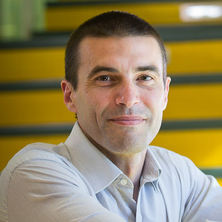
Dr Massimo A. Hilliard received his PhD in Biological Chemistry and Molecular Biology in 2001 from the University of Naples, Italy. His experimental work, performed at the Institute of Genetics and Biophysics of the CNR (Italian National Council of Research), was aimed at understanding the neuronal and genetic basis of aversive taste behavior (bitter taste) in C. elegans.
During his first postdoc at the University of California, San Diego, using the Ca2+ indicator Cameleon he published the first direct visualisation of chemosensory activity in C. elegans neurons. In his second postdoctoral work at the University of California, San Francisco and at The Rockefeller University, he switched from neuronal function to neuronal development, focusing in particular on how neurons establish and orient their polarity with respect to extracellular cues.
From September 2007, he is at the Queensland Brain Institute where he established an independent laboratory.
Faculty of Health, Medicine and Behavioural Sciences
Availability:
Available for supervision
Media expert
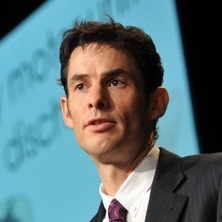
Paul W. Hodges DSc MedDr PhD BPhty(Hons) FAA FACP APAM(Hon) is an National Health and Medical Research Council (NHMRC) Leadership Fellow (Level 3), Professor and Director of the Centre for Innovation in Pain and Health Research (CIPHeR) at The University of Queensland (UQ). He is lead chief investigator on an NHMRC Synergy Grant that includes colleagues from the Universities of Queensland, Adelaide and South Australia, and the South Australian Health and Medical Research Institute. Paul is a Fellow of the Australian Academy of Science, which is a Fellowship of the nation’s most distinguished scientists, elected by their peers for outstanding research that has pushed back the frontiers of knowledge. He is also a Fellow of the Australian College of Physiotherapists, the Australian Academy of Health and Medical Science, and was made an Honoured member of the Australian Physiotherapy Association, their highest honour.
Paul is a recognised world leader in movement control, pain and rehabilitation. His unique comprehensive research approach from molecular biology to brain physiology and human function has led to discoveries that have transformed understanding of why people move differently in pain. His innovative research has also led to discoveries of changes in neuromuscular function across a diverse range of conditions from incontinence to breathing disorders. These observations have been translated into effective treatments that have been tested and implemented internationally.
Paul has received numerous national and international research awards that span basic and clinical science. These include the premier international award for spine research (ISSLS Prize) on five occasions; three times in Basic Science (2006, 2011, 2019) and twice in Clinical Science (2018, 2021). International awards in basic science include the SusanneKlein-Vogelbach Award (2010) and the Delsys Prize for Innovation in Electromyography (2009). National medical research awards include the NHMRC Achievement Award (2011). He has also received national community-based leadership awards including the Young Australian of the Year Award in Science and Technology (1997), Future Summit Australian Leadership Award (2010), and Emerging Leader Award (Next 100 Awards, 2009).
Paul is the Chair of the Terminology Task Force for the International Association for the Study of Pain, Chair of the Consensus for Experimental Design in Electromypgraphy for the International Society for Electrophysiology and Kinesiology and has been the Chair/Co-Chair for several major international conferences. He has led major international consortia to bring together leaders from multiple disciplines to understand pain.
Australian Institute for Bioengineering and Nanotechnology
Availability:
Available for supervision
Dr Aleksandr Kakinen is an NHMRC Emerging Leadership Fellow (EL1) at AIBN, UQ. His research investigates how protein aggregation, inflammation, and infection contribute to neurodegenerative diseases, particularly Alzheimer’s and Parkinson’s disease.
His work focuses on amyloid proteins — misfolded proteins that assemble into toxic aggregates in the brain — and how these assemblies interact with inflammatory and microbial factors to influence disease progression. He combines approaches from biophysics, structural biology, molecular neuroscience, neuroinflammation, and nanomedicine to understand disease mechanisms and identify new therapeutic opportunities.
Dr Kakinen’s research program includes:
amyloid aggregation and cross-seeding mechanisms
infection- and inflammation-driven neurodegeneration
structural and biological diversity of amyloid assemblies
neuroinflammatory responses in neuronal and microglial models
brain-targeted delivery of neuroprotective molecules and peptides
He has authored over 65 peer-reviewed publications in leading journals, including Nature Communications, Advanced Science, ACS Nano, and Chemical Reviews. His current work aims to link fundamental mechanisms of protein aggregation with translational strategies for diagnosis, prevention, and treatment of neurodegenerative diseases.
I am interested in ion channels in health and disease. Improved technologies for genetic screening is revealing an expanding catalogue of genetic variants to ion channels that give rise neurological disorders, such as epilespy syndromes, autism spectrum disorder and other neurodevelopmental disorders. My main research focus is on neurotransmitter-activated receptor ion channels that are found at neuronal synapses. These include GABA-A, glycine and glutamate (NMDA) receptors. I also work on other ion channesl such as voltage-gated sodium channels and synaptic receptors expressed in invertebrate nervous systems.
I am an expert at recording single ion channel, synaptic and conventional whole-cell currents for functional and pharmacological analyisis.
I collaborate with biophysicists, molecular biologists, geneticists, electrophysiologists and clinicians that specialise in genetic neurological disorders. I have active projects in collaboration with research groups in Australia, USA and Europe.
Faculty of Health, Medicine and Behavioural Sciences
Availability:
Available for supervision
Media expert
Cognitive and decision-making problems associated with psychotic disorders like schizophrenia are considered the largest burden for these individuals. They also predict poor functional outcomes, such as maintaining work, social networks, and independent living. I am particularly interested in the relationship between decision-making problems and psychotic symptoms in these disorders; will improving decision-making also reduce psychotic symptoms? To that end, I focus on decision-making tasks that are reliant on brain areas and networks that are implicated in psychosis.
My work aims to understand how corticostriatal circuitry drives decision-making processes, and how this is altered in those with schizophrenia and psychosis. I have taken advantage of my collaborations with basic scientists and clinical researchers with a broad range of expertise to establish a cross-species program of research focussed on decision-making. My research is guided by two fundamental questions:
Do decision-making problems in schizophrenia and other psychotic disorders contribute to psychotic symptoms?
How can we leverage the mechanistic tools available in rodent neuroscience to identify causative common substrates underlying decision-making problems (and by proxy psychotic symptoms)?
Faculty of Health, Medicine and Behavioural Sciences
Availability:
Available for supervision
Media expert
I am a developmental neuroscientist and bioinformatician interested in the molecular evolution of the mammalian brain. I completed a PhD on the molecular development of vasculature in the primate retina at the Australian National University, followed by a postdoctoral position at the Institut de la Vision in France that was supported by a NHMRC CJ Martin fellowship, where I investigated the role of guidance factors in the formation of commissural neurons within the mammalian hindbrain. My current research focuses on the development and evolution of the mammalian forebrain, in particular understanding the regulatory mechanisms and molecular evolutionary processes that control specification of cortical neuron subtypes.
Australian Institute for Bioengineering and Nanotechnology
Availability:
Available for supervision
Media expert
Dr Nyoman Kurniawan is a Senior Research Fellow in the Centre for Advanced Imaging and the Facility Manager for Preclincal 16.4T Microimaging 9.4T MRI scanners.
Dr Kurniawan’s research areas are:
Diffusion magnetic resonance imaging of mouse neuroanatomy, with view to study neurological disease model, including:
developmental abnormalities
spinal cord diseases
Development of 3D mouse brain, human spinal cord and cephalopod brain atlases using high resolution structural and diffusion MRI
Faculty of Health, Medicine and Behavioural Sciences
Availability:
Available for supervision
I am a postdoctoral researcher within Associate Professor Nathalie Dehorter's group at the Queensland Brain Institute. I was awarded a PhD in Neuroscience from Monash University in 2024 where my PhD centred on using genetic and electrophysiological methods to manipulate and record from circuits within the visual system and leveraging these techniques for translational applications.
Within Associate Professor Dehorter's group I have extended my technical expertise to further explore how neuromodulation and electrophysiology within the brain is altered in neurodevelopmental and neurodegenerative disorders.
Faculty of Health, Medicine and Behavioural Sciences
Availability:
Available for supervision
Dr Mia Langguth is a Research Fellow at the Queensland Brain Institute at the University of Queensland, in Brisbane, Australia. Together with Professor Darryl Eyles and Dr Xiaoying Cui at the Queensland Centre for Mental Health Research, her research explores the metabolic side effects of anti-psychotic drugs (APDs) and if intranasal, rather than oral, administration of clozapine and other APDs might mitigate the severity of the debilitating side effects of drugs used to treat symptoms of schizophrenia.
Faculty of Health, Medicine and Behavioural Sciences
Affiliate of Centre for Motor Neuron Disease Research
Centre for Motor Neuron Disease Research
Faculty of Health, Medicine and Behavioural Sciences
Availability:
Available for supervision
Media expert
Dr John Lee is the Ross Maclean Senior Research Fellow and a Group Leader at the Queensland Brain Institute (QBI). He holds a joint appointment at UQ’s School of Biomedical Sciences. A mid-career researcher with training in neuroscience, pharmacology, and inflammatory pathways, including the complement system and inflammasomes in motor neuron disease (MND), Huntington’s disease, and Parkinson’s disease.
Dr. Lee completed his PhD at UQ in 2014, before pursuing postdoctoral research in neuroinflammation and neurodegeneration. His translational studies have demonstrated the therapeutic potential of anti-inflammatory compounds to reduce neuronal cell death in animal models, with one candidate advancing to Phase 1B clinical trials. He is also collaborating on novel liquid drug formulations to meet the needs of MND patients who lose the ability to swallow.
Supported by the Ross Maclean Fellowship, which was established in memory of Ross Maclean, who lost his battle with MND in 2005, Dr Lee is working to accelerate drug programs towards the clinic and improve the quality of life for people living with MND.
Faculty of Health, Medicine and Behavioural Sciences
Availability:
Available for supervision
Dr Odette Leiter is a postdoctoral research fellow in the research group of Dr Tara Walker, investigating systemic brain rejuvenation. She was awarded a PhD in Neuroscience in 2018 by the Technische Universität Dresden in Germany. Her research focus lies on the regulation of adult hippocampal neurogenesis by physical exercise, a process critically involved in learning and memory.
To support her research at the Queensland Brain Institute, Dr Odette Leiter has received two postdoctoral fellowships, a postdoctoral fellowship from the German Academic Exchange Service, followed by a Walter Benjamin Fellowship awarded by the German Research Foundation, allowing her to investigate the role of platelets in mediating neurogenesis-related learning and memory, and the capacity of platelet-released factors to restore cognitive function in ageing. More recently, Dr Leiter has been awarded a Discovery Early Career Researcher Award (DECRA) to investigate the precise mechanisms through which platelets interact with adult hippocampal neural stem cells following exercise.
Faculty of Health, Medicine and Behavioural Sciences
Availability:
Available for supervision
Zhiqi Liang is a Specialist Musculoskeletal Physiotherapist and Lecturer at the University of Queensland, where she teaches on the Master of Physiotherapy (Musculoskeletal) Program and holds a clinical role at the University of Queensland Physiotherapy Headache Clinic. Her research focuses on the mechanisms of neck pain in headache — particularly migraine — and on identifying treatment directions, including patient preferences, for individualised management.
In 2024, Zhiqi was awarded the David Lamb Award by the International Federation of Manual and Musculoskeletal Physical Therapists (IFOMPT), recognising high-quality research that has made an international impact on musculoskeletal physiotherapy. She is a founding member of the Physiotherapy Special Interest Group within the International Headache Society, where she helps lead international research on physiotherapy management of headache and the development of headache curricula for physiotherapists.
With more than 20 years of clinical experience, Zhiqi's expertise is recognised through Fellowship of the Australian College of Physiotherapists. She remains actively involved in the College as an examiner and facilitator for the Specialisation Training Program and currently serves on the Board of Censors.
Affiliate of Centre for Behavioural and Economic Science
Centre for Unified Behavioural and Economic Sciences
Faculty of Business, Economics and Law
Affiliate of Centre for Perception and Cognitive Neuroscience
Centre for Perception and Cognitive Neuroscience
Faculty of Health, Medicine and Behavioural Sciences
Professorial Research Fellow
School of Psychology
Faculty of Health, Medicine and Behavioural Sciences
NHMRC Leadership Fellow
Queensland Brain Institute
Faculty of Health, Medicine and Behavioural Sciences
Availability:
Available for supervision
Professor Jason Mattingley was appointed as Foundation Chair in Cognitive Neuroscience at the University of Queensland in January 2007, a joint appointment between the Queensland Brain Institute and the School of Psychology.
He completed a Bachelor of Science Degree with Honours at Monash University (1988), a Master of Science Degree in Clinical Neuropsychology at the University of Melbourne (1990), and a PhD in Psychology at Monash University (1995). In 1994 he was awarded an NHMRC Neil Hamilton Fairley Post-Doctoral Fellowship, which he took to the University of Cambridge. Here he worked jointly with Professor Jon Driver in the Department of Experimental Psychology and Professor Ian Robertson at the MRC Cognition and Brain Sciences Unit. While in Cambridge he was elected a Fellow of King’s College.
Upon returning to Australia Professor Mattingley was appointed as Senior Research Fellow (later Principal Research Fellow) at the University of Melbourne, where he was Director of the Cognitive Neuroscience Laboratory within the School of Behavioural Science (2000 – 2006).
Professor Mattingley has won numerous accolades for his research, including an Australian Laureate Fellowship from the Australian Research Council (2012), the Distinguished Contribution to Psychological Science Award from the Australian Psychological Society (2012), and the Monash University Distinguished Alumni Award (Faculty of Biomedical and Psychological Sciences, 2016).
He was elected a Fellow of the Academy of Social Sciences in Australia in 2007, and a Fellow of the Association for Psychological Science in 2016.
Faculty of Health, Medicine and Behavioural Sciences
Availability:
Not available for supervision
Dr Emily McCann is a Postdoctoral Research Fellow at the Centre for Neurorehabilitation, Ageing and Balance Research (UQ). Her work focuses on improving the measurement and understanding of movement, physical activity, and cognition in ageing and neurological populations to support better rehabilitation outcomes.
She completed her PhD in 2024 at the Queensland Brain Institute, where she investigated visuoperceptual impairments across multiple neurodegenerative conditions. Through this work, she developed a strong interest in the importance of early dementia diagnosis, particularly in Parkinson’s disease. At the UQ Centre for Clinical Research, she subsequently focused on the early identification of cognitive decline in Parkinson’s disease, including contributions to the development of a Parkinson’s disease‑specific cognitive assessment toolkit. She is now extending this expertise into neurorehabilitation within UQ’s School of Health and Rehabilitation Sciences, with a focus on movement and functional outcomes in Parkinson’s disease and stroke.