Faculty of Health, Medicine and Behavioural Sciences
Availability:
Not available for supervision
Media expert
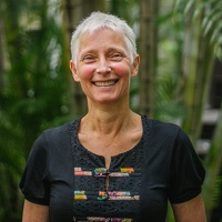
Professor Lee is a public health psychologist with research interests in gender and health. She has been a CI on the Australian Longitudinal Study on Women's Health since its initiation in 1995, and has been Project Manager (2000-2003) and National Coordinator (2003-2005).
Professor Lee is a former Head of the School of Psychology (2006-2010) and former Associate Dean (Research) for the Faculty of Health and Behavioural Sciences (2014-2019). As an Emeritus Professor she is actively involved in research grant application development and support.
Affiliate of Centre of Research Excellence on Achieving the Tobacco Endgame
Centre of Research Excellence on Achieving the Tobacco Endgame
Faculty of Health, Medicine and Behavioural Sciences
Affiliate of National Centre for Youth Substance Use Research
National Centre for Youth Substance Use Research
Faculty of Health, Medicine and Behavioural Sciences
Principal Research Fellow
School of Psychology
Faculty of Health, Medicine and Behavioural Sciences
Availability:
Available for supervision
Media expert
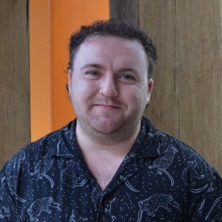
Dr Janni Leung is an epidemiologist of addiction, substance use and mental health, and NHMRC Emerging Leadership Fellow at the National Centre for Youth Substance Use Research, at The University of Queensland. She is studies how substance use and mental health affect people and communities, and how research can help prevent harm.
Janni has published more than 200 papers, attracting over 15,000 citations, with 30% of her research among the world’s top 1% most cited. Expertscape ranks her among the top three cannabis researchers in Australia and the top 10 globally. She was jointly named Queensland’s 2025 Young Tall Poppy of the Year, —the award’s highest honour across all scientific fields—and was recognised by The Australian’s Research Magazine as one of 40 early-career researchers to watch.
Her research spans cannabis, alcohol, nicotine and vaping, mental health, and digital addictions such as gaming disorder. She uses epidemiological studies, systematic reviews and statistical methods to understand emerging problems and inform policy and prevention. Janni values strong partnerships with communities and meaningful involvement of consumers and people with lived experience, including co-designing innovative public health interventions with young people and parents.
Research supervision
Janni has experience supervising students from public health, psychology, medicine and diverse cultural and life backgrounds. She can supervise coursework research projects, master’s theses and PhD research. She welcomes students who are self-motivated, reliable, open to feedback and with a strong comitment to rigorous high-quality research. Prospective students should email a brief cover letter and CV; international applicants should also provide their IELTS English-language test results. Supervision is considered based on research fit, preparedness and available capacity.
Affiliate of ARC COE for Children and Families Over the Lifecourse
ARC COE for Children and Families Over the Lifecourse
Faculty of Humanities, Arts and Social Sciences
Postdoctoral Research Fellow
Institute for Social Science Research
Faculty of Humanities, Arts and Social Sciences
Availability:
Not available for supervision
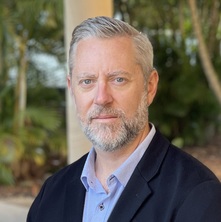
Suri Li is a Postdoctoral Research Fellow at the Institute for Social Science Research, University of Queensland and the Centre of Excellence for Children & Families over the Life Course. Her current work centres on gender inequality and family dynamic across life course and explores the interplay of gender relations in the public and private spheres.
Prior to her current position, she holds a BSc and MSc in Finance, as well as an MA in Public Policy from the University of Edinburgh, the UK and a PhD in Sociology at Trinity College Dublin, Ireland. Her DPhil Thesis focus on the relationship between household resources and child wellbeing in Ireland, Australia and the UK using longitudinal data from birth cohort studies.
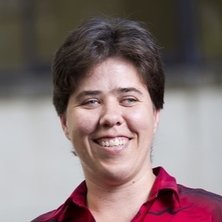
Dr Kieren Lilly is a social psychologist and Research Fellow at the Institute for Social Science Research (ISSR), University of Queensland. Kieren’s research examines experiences of inequality and discrimination, with a particular focus on the relationships between social identity, relative deprivation, political ideology, and collective action. For instance, his doctoral research explored the causes, consequences, and trajectories of relative deprivation among the general public, while his more recent work examines the factors shaping support for right-wing reactionary movements, typologies of authoritarianism, and perceptions of reverse discrimination among advantaged groups.
Kieren is also deeply committed to supporting LGBTQIA+ research and equity. He leads and collaborates on projects investigating (a) the relationships between identity, health, and well-being among LGBTQIA+ populations and (b) attitudes towards LGBTQIA+ people and social policy. Kieren’s research aims to challenge dominant, binary views of sexuality and gender, including via studies of sexual fluidity and transnormativity. In 2025, Kieren was awarded the UQ Ally Award in recognition of his commitment to promoting inclusion and community for transgender and gender-diverse staff and students.
At ISSR, Kieren works as part of the URBANiQ: Urban Intelligence for Healthy & Equitable Places @ The University of Queensland team, contributing to high-impact research related to urban liveability and community well-being. He also works on several commissioned projects monitoring and evaluating public programs related to substance use, criminal justice, and primary care. Kieren specialises in advanced quantitative research methods, including longitudinal, multilevel, person-centred, and quasi-experimental approaches, and has expertise in managing large-scale panel and administrative data sets.
Professor Jason M. Lodge is an educator, psychological scientist, and an internationally recognised authority on learning, educational technology, and artificial intelligence. His work focuses on translating evidence into effective and practical strategy for public and private sector organisations, including, but not limited to, educational institutions and departments of education and training.
He serves as an expert advisor on learning and AI to prominent international bodies, including UNESCO and the OECD. In Australia, he advises the National Ministerial Task Force on Artificial Intelligence in Education and the Tertiary Education Quality and Standards Agency (TEQSA). For TEQSA, he led the development of the Assessment Reform for the Age of Artificial Intelligence resource, a framework that has informed assessment policy and practice globally.
In 2025 he received an Australian Award for University Teaching (AAUT) for Teaching Excellence, adding to earlier recognition including a UQ Award for Teaching Excellence, the Australian Psychological Society's Distinguished Contribution to Psychological Education, and the inaugural ASCILITE and CAULLT Award for Outstanding Leadership in Digital Learning in Higher Education. His experience includes academic leadership roles at The University of Queensland, board memberships for higher education institutions, and extensive public speaking and media commentary on the future of education and learning.
Faculty of Health, Medicine and Behavioural Sciences
Availability:
Available for supervision
Media expert
Dr Kristiana Ludlow is a Senior Research Fellow at the Centre for Health Services Research, Faculty of Health, Medicine, and Behavioural Sciences, the University of Queensland, and an Honorary Postdoctoral Fellow at the Australian Institute of Health Innovation, Macquarie University. She completed her Bachelor of Psychology with first class Honours in 2015, her Master of Research in Medicine and Health Sciences in 2017, and her PhD in in Health Innovation in 2020. Dr Ludlow has expertise in co-design, qualitative research and Q methodology. Her research interests include co-designing interventions and digital health tools with end-users, frailty, education, aged care, person-centred care, the role of family caregivers in care, missed care/unfinished care, and care prioritisation. She is passionate about collaborating with consumers, service users and health professionals to improve the delivery of healthcare and mental health services.
Dr Sasha Lynn is a registered clinical psychologist and Honorary Research Fellow at The University of Queensland. She specialises in child and adolescent development, with a particular focus on social and emotional learning (SEL), mental health, and wellbeing in educational settings. Her work spans psychology, education, and neuroscience, with an emphasis on research that is both applied and translational.
Dr Lynn’s research investigates how wellbeing and mental health influence developmental and educational outcomes, particularly in relation to emotion regulation, peer relationships, and classroom engagement. She is committed to embedding SEL meaningfully into the curriculum through developmentally informed, evidence-based strategies. A core feature of her work is the co-design of interventions with educators and students, ensuring student voice and agency are central to program design and implementation.
She has a particular interest in the use of gamification frameworks to increase engagement with SEL and mental health content, and her research spans both digital and face-to-face modes of delivery. Her work also explores how compassion-focused therapeutic approaches can be adapted to educational contexts to enhance both student and teacher wellbeing, classroom climate, and relational safety.
Dr Lynn is affiliated with the UQ Learning Lab and is a member of the Compassionate Mind Research Group. She has been involved in a number of large-scale projects across school and clinical settings, and brings nearly 20 years of direct experience in school-based clinical and mental health roles to her academic work. This practitioner perspective ensures her research remains grounded in the realities of education systems and responsive to the needs of schools.
She has contributed to the development and evaluation of interventions such as KooLKIDS and Mindfields HS, which have demonstrated promising early outcomes and attracted commercial interest. Dr Lynn’s broader goal is to support educators, families, and students by creating practical, evidence-informed approaches that foster resilience, emotional literacy, and a positive foundation for lifelong learning.
Faculty of Health, Medicine and Behavioural Sciences
Affiliate of ARC COE for Children and Families Over the Lifecourse
ARC COE for Children and Families Over the Lifecourse
Faculty of Humanities, Arts and Social Sciences
Affiliate of Parenting and Family Support Centre
Parenting and Family Support Centre
Faculty of Health, Medicine and Behavioural Sciences
Availability:
Available for supervision
Media expert
Tianyi Ma is a Research Fellow (Academic Level B) at The University of Queensland whose research seeks to understand why children differ in their developmental trajectories and responses to preventive interventions. His interdisciplinary research program integrates developmental psychology, parenting and family psychology, educational psychology, prevention science, and advanced quantitative methods to investigate developmental mechanisms, individual differences, and family-school processes that shape children's learning, mental health, and wellbeing. He has published 25 refereed journal articles (including 15 as first and/or corresponding author) and secured over AU$340,000 in competitive funding as a lead or contributing investigator. He leads an independent program of research involving a coordinated team of honours students and research assistants while contributing to large-scale interdisciplinary collaborations. Tianyi serves as Associate Editor for the Journal of Psychologists and Counsellors in Schools and Journal of Child and Family Studies, and sits on multiple editorial boards. His long-term goal is to develop a systems-contextual science of why children respond differently to developmental environments and preventive interventions, translating this knowledge into more personalised and effective supports across family, school, and community settings.
Affiliate of Centre for Health Outcomes, Innovation and Clinical Education (CHOICE)
Centre for Health Outcomes, Innovation and Clinical Education
Faculty of Health, Medicine and Behavioural Sciences
Senior Lecturer (Clinical Psych)
School of Psychology
Faculty of Health, Medicine and Behavioural Sciences
Availability:
Available for supervision
Fiona is a Senior Lecturer in Clinical Psychology with research interests in grief & loss, trauma, emtion regulation and anxiety. Her work is mechanism focussed. She applies experimental and longitudinal methods including experience sampling to better understand the pyschological processes that contribute to resilence and/or the development of psychopathology. Her work is also focussed on improving supports for those struggling with grief and trauma.
Fiona completed her Master of Psychology(Clnical) and PhD at UNSW and undertook an NHMRC postdoctoral fellowship at the Loss, Trauma and Emotion Lab at Teachers College, Columbia University. She also has many years experience working as a clinician in public health and private practice.
Faculty of Health, Medicine and Behavioural Sciences
Professor
School of Human Movement and Nutrition Sciences
Faculty of Health, Medicine and Behavioural Sciences
Availability:
Available for supervision
Media expert
Professor Mallett has enjoyed a distinguished career in elite coaching and academia. Prof. Mallett was an Olympic and World Championship medal-winning coach and won a National university teaching award (2011). In 2017, he was awarded the prestigious August-Wilhelm Scheer Professorial Fellowship at Technische Universität München (TUM) in Germany. He developed a world-renowned online program in sports coaching and consults nationally and internationally to many elite sporting organisations. Prof. Mallett is a leading international scholar in two broad and interrelated research areas - sport psychology and coaching; specifically:
Understanding the person-in-context
Multi-layered understanding of the person-in-context (personality profiling of coaches and athletes)
Motivation of elite coaches and athletes (Self-Determination Theory - SDT);
Autonomy-supportive learning environments in sport (Self-Determination Theory - SDT);
Mental toughness in elite sport (coaches and athletes).
Players' leadership: A Social Identity Approach (SIA)
High Performance coach learning and development:
How high performance coaches learn in the workplace;
Coaches as sculptors, architects, performers and leaders.
In 2016, Professor Mallett led and completed an international research project examining what can we learn from some of the world's most successful coaches. Prof. Mallett was Chair and Co-Chair of the Research Committee for the International Council for Coaching Excellence (ICCE) from 2010-2019.
Background
Professor Cliff Mallett joined the School of Human Movement Studies in 2000 after a career in physical education and also in elite coaching as a National High Performance Coach in track and field with the Australian Institute of Sport (AIS) and the Queensland Academy of Sport (QAS). He teaches undergraduate and graduate students and actively researches in the area of elite sport. Prof. Mallett regularly consults with elite coaches and athletes as well as coach developers in several national sporting organisations and international organisations.
Affiliate of Centre for Research in Social Psychology (CRiSP)
Centre for Research in Social Psychology
Faculty of Health, Medicine and Behavioural Sciences
ARCLB Chair in Donor Research
School of Psychology
Faculty of Health, Medicine and Behavioural Sciences
Availability:
Available for supervision
Media expert
Barbara’s research uses social psychological theory to solve real social problems. Over 19 years she has collaborated with a range of industry partners (e.g., Australian Red Cross Lifeblood; state police agencies) to design and evaluate theory-based solutions to problems as diverse as how to minimise bias in investigating allegations of sexual assault to how to maximise blood donor appointment attendance. She has over 100 peer reviewed publications including many focused on gender, prejudice, discrimination, and SoHO donor recruitment and retention that have been published in Annals of Behavioral Medicine, Psychology of Women Quarterly, Journal of Personality and Social Psychology, Law & Human Behavior, Transfusion, Transfusion Medicine Reviews and and other journals.
Affiliate of Centre for Behavioural and Economic Science
Centre for Unified Behavioural and Economic Sciences
Faculty of Business, Economics and Law
Affiliate of Centre for Perception and Cognitive Neuroscience
Centre for Perception and Cognitive Neuroscience
Faculty of Health, Medicine and Behavioural Sciences
Professorial Research Fellow
School of Psychology
Faculty of Health, Medicine and Behavioural Sciences
NHMRC Leadership Fellow
Queensland Brain Institute
Faculty of Health, Medicine and Behavioural Sciences
Availability:
Available for supervision
Professor Jason Mattingley was appointed as Foundation Chair in Cognitive Neuroscience at the University of Queensland in January 2007, a joint appointment between the Queensland Brain Institute and the School of Psychology.
He completed a Bachelor of Science Degree with Honours at Monash University (1988), a Master of Science Degree in Clinical Neuropsychology at the University of Melbourne (1990), and a PhD in Psychology at Monash University (1995). In 1994 he was awarded an NHMRC Neil Hamilton Fairley Post-Doctoral Fellowship, which he took to the University of Cambridge. Here he worked jointly with Professor Jon Driver in the Department of Experimental Psychology and Professor Ian Robertson at the MRC Cognition and Brain Sciences Unit. While in Cambridge he was elected a Fellow of King’s College.
Upon returning to Australia Professor Mattingley was appointed as Senior Research Fellow (later Principal Research Fellow) at the University of Melbourne, where he was Director of the Cognitive Neuroscience Laboratory within the School of Behavioural Science (2000 – 2006).
Professor Mattingley has won numerous accolades for his research, including an Australian Laureate Fellowship from the Australian Research Council (2012), the Distinguished Contribution to Psychological Science Award from the Australian Psychological Society (2012), and the Monash University Distinguished Alumni Award (Faculty of Biomedical and Psychological Sciences, 2016).
He was elected a Fellow of the Academy of Social Sciences in Australia in 2007, and a Fellow of the Association for Psychological Science in 2016.
Faculty of Health, Medicine and Behavioural Sciences
Availability:
Not available for supervision
Dr Emily McCann is a Postdoctoral Research Fellow at the Centre for Neurorehabilitation, Ageing and Balance Research (UQ). Her work focuses on improving the measurement and understanding of movement, physical activity, and cognition in ageing and neurological populations to support better rehabilitation outcomes.
She completed her PhD in 2024 at the Queensland Brain Institute, where she investigated visuoperceptual impairments across multiple neurodegenerative conditions. Through this work, she developed a strong interest in the importance of early dementia diagnosis, particularly in Parkinson’s disease. At the UQ Centre for Clinical Research, she subsequently focused on the early identification of cognitive decline in Parkinson’s disease, including contributions to the development of a Parkinson’s disease‑specific cognitive assessment toolkit. She is now extending this expertise into neurorehabilitation within UQ’s School of Health and Rehabilitation Sciences, with a focus on movement and functional outcomes in Parkinson’s disease and stroke.
Faculty of Health, Medicine and Behavioural Sciences
Affiliate of Centre for Research in Social Psychology (CRiSP)
Centre for Research in Social Psychology
Faculty of Health, Medicine and Behavioural Sciences
Availability:
Available for supervision
Media expert
Blake joined the School of Psychology at UQ in 2007 having previously been a lecturer at Queensland University of Technology. Blake is a Senior Fellow of the Higher Education Academic. He won a Faculty Teaching Excellence Award in 2010 and a University of Queensland Teaching Excellence Award in 2016. He led a team that won the AAUT Higher Education Teacher of the Year award in 2019, and received the edX Prize in 2018. He currently teaches into the Master of Business Psychology. His research focuses on jury decision-making including the influence of gender-based stereotypes and the influence of different modes of evidence presentation. He is also interested in group membership and attitude-behaviour relations and how group membership influences thinking about the self. He is a leading instructor of the award-winning course: CRIME101x and the PSYC1030x Introduction to Developmental, Social & Clinical Psychology XSeries Program of four courses on edX.org.
Faculty of Health, Medicine and Behavioural Sciences
Availability:
Available for supervision
Professor Sarah Medland (OAM, FASSA, FAHMS, PhD) is a Psychiatric and Statistical Geneticist working in Neuroimaging and Mental health genetics. Her work bridges Genetics, Psychology, Neuro-Imaging, Health Economics and applied Statistics with a focus on understanding the genetic and environmental contributions to human behaviour and disease. She chairs the genetics working group of the ENIGMA neuroimaging consortium and is an active member of the Psychiatric Genomics Consortium.
Primary Appointment: Coordinator of the Mental Health Research Program and Group Leader (Psychiatric Genetics) QIMR Berghofer Medical Research Institute.
ORCID: 0000-0003-1382-380X
ResearcherID: C-7630-2013
Scopus Author ID: 34571085600
Email: sarah.medland@qimrberghofer.edu.au
Qualifications
2006 PhD (Psychology), University of Queensland
Dean's Award for Outstanding Research Higher Degree Thesis
2000 BA Hons (Psychology), University of Queensland, 2000 (Psychology Double Major, English Minor)
Faculty of Health, Medicine and Behavioural Sciences
Postdoctoral Research Fellow
UQ Poche Centre for Indigenous Health
Faculty of Health, Medicine and Behavioural Sciences
Availability:
Not available for supervision
Kiara is a social psychology researcher at the Poche Centre for Indigenous Health at The University of Queensland as a research fellow. She is currently focused on strengths based approaches to sexual health and relationships and sexuality education for young Aboriginal and Torres Strait Islander people. She received her doctorate from the University of Queensland in July 2021 for her PhD research project, The role of idealising jealousy in inhibiting the identification of and response to non-physical intimate partner violence: a schema theory approach. She has since completed a post-doctoral research fellowship on sexual consent in Australia.
Kiara has a passion for applying quality research techniques to identify practical strategies for real improvements across a range of social issues. Kiara is experienced in quantitative and qualitative research methods, and holds a strong commitment to research transparency, methodological rigour, and collaborative research as the foundation of positive social change. She is also dedicated to research communication and has previously written and edited a blog page for social change research.