Affiliate of Centre for Chemistry and Drug Discovery
Centre for Chemistry and Drug Discovery
Institute for Molecular Bioscience
Principle Research Fellow and Group Leader
Institute for Molecular Bioscience
Availability:
Available for supervision
Media expert
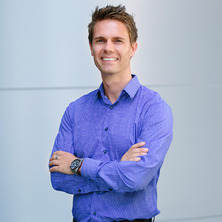
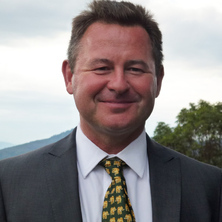
Associate Professor Muttenthaler is a medicinal chemist working at the interface of chemistry and biology with a strong passion for translational research. His research focuses on bioactive peptides and exploring Nature's biodiversity to develop advanced molecular tools, diagnostics, and therapeutics. His background in drug discovery and development, as well as his interdisciplinary training in the fields of chemistry, molecular biology and pharmacology, assist him in characterising these often highly potent and selective compounds to study their interactions with human physiology for medical innovations in pain, cancer, gut disorders and neurological diseases.
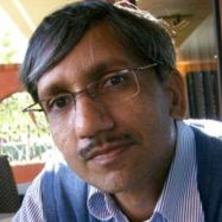
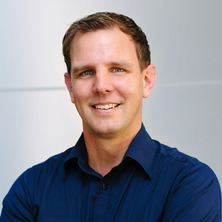
Dr Ebinazar Namdas is an Associate Professor in the School of Mathematics and Physics at the University of Queensland. Dr Namdas has a strong international track record in the field of organic optoelectronics materials and device research across several platforms including organic transistors, light emitting transistors, OLEDS, organic lasers, and photo-sensors. He has published more than 110 papers in top international journals including 15 x Advanced Materials; 4 x Nature Communications; 7 x Advanced Functional Materials; 11 x Advanced Optical Materials; Nature Materials; Nature Photonics; Science; 3 x Laser & Photonics Reviews; 2 x JACS; 5 x ACS Photonics and 10 x Applied Physics Letters. Additionally, he has co-authored the first ever academic textbook on semiconducting and metallic polymers with Nobel Laureate Professor Alan Heeger and Professor Serdar Sariciftci. The book, titled Semiconducting and Metallic Polymers was published by Oxford University Press. Currently, Dr Namdas is an Editorial board member of Communications Materials (nature.com).
For more information, visit the AMIO group website.
Faculty of Engineering, Architecture and Information Technology
Availability:
Available for supervision
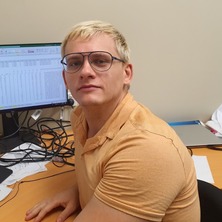
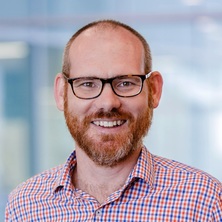
Dr Evgenii Nekhoroshev is a Postdoctoral Research Fellow at the School of Chemical Engineering and a member of the Pyrometallurgy Innovation Centre led by Prof. Evgueni Jak.
He graduated with a Master in Chemistry (chemical thermodynamics) from Lomonosov's Moscow State University, Deparment of Chemistry in 2012. His Master's Thesis was "Thermodynamic optimization of the NaOH-Al(OH)3-Na2SiO3-H2O system for applications in Bayer's process of bauxite treatment" as part of a bigger project initiated in collaboration with Rusal company aimed at utilisation/valorisation of red mud residues accumulated during the production of aluminium oxide from bauxite ores.
In 2019, he completed a PhD in Metallurgical Engineering at Ecole Polytechnique of Montreal, Canada within The Centre For Research in Computational Thermodynamics (CRCT), where he acquired expertise in FactSage software, multicomponent database development, and was included in the list of official collaborators of FactSage. His PhD thesis was "Thermodynamic optimization of the Na2O-K2O-Al2O3-CaO-MgO-B2O3-SiO2 system" sponsored by Glass Consortium including Corning and SCHOTT glass producers. The purpose of the database he developed was to assist the industry in designing new glasses with special properties: chemically hardened glasses (smartphones), technical glasses with high thermal and chemical resilience (boron-containing glasses), chemically inert glasses, etc.
Short after receiving his PhD, Dr Evgenii Nekhoroshev accepted a position at The University of Queensland as part of the Pyrometallurgy Innovation Centre's team where he has an official title of Theme Leader in Thermodynamic Computations, combining his broad expertise in metallurgy, chemical engineering, applied mathematics, and programming.
Dr Evgenii Nekhoroshev has always been passionate about formalisation and automation of big research tasks. He started working on developing an automated solver for thermodynamic optimisation during his PhD thesis which was improved and finalised using the ideas of Prof. Evgueni Jak about real-time derivative matrix optimization and sensitivity analysis applicable to large multicomponent systems. His contribution to the Centre allowed to make transition to a continuous optimization approach when experimental and modelling streams of work in the Centre are efficiently combined together. It allows to include the most recent experimental datasets into a self-consistent database update with minimal time delays.
Australian Institute for Bioengineering and Nanotechnology
Availability:
Available for supervision
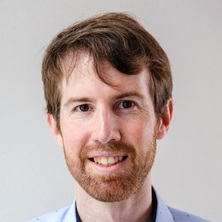
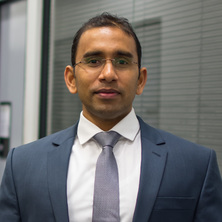
Dr Asep specialises in the design and development of advanced inorganic materials with porous architectures, specifically tailored for energy and environmental applications.
Dr Asep's research focus lies in the development of novel mesoporous inorganic materials with enhanced functionality through a simplified wet-chemical synthesis process. His work is motivated by the unique properties exhibited by the porous materials, such as their ultra-high surface area and abundance of active sites. These properties provide ample space for interaction with environment, making them highly valuable in various applications, including energy storage and conversion, sensing, and bio-related applications. He is particularly interested in the rational design and construction of inorganic mesoporous materials through self-assembly processes, utilizing template-assisted approaches in both chemical and electrochemical methods.
Dr. Asep earned his Bachelor's degree from Padjadjaran University, Indonesia, in 2014. He then joined the Department of Nanoscience and Nanotechnology at Waseda University, Japan, as a Master's student in 2016, completing his degree in 2018. In 2019, he conducted research as a research assistant at the National Institute for Materials Science (NIMS), Japan. Dr. Asep received his PhD from the University of Queensland in 2024 and is currently a postdoctoral research fellow at the Australian Institute for Bioengineering & Nanotechnology (AIBN). As an early career researcher, Dr. Asep has established a strong track record, with over 600 citations from his research articles published in prestigious, high-impact journals. His work reflects both the quality and impact of his contributions to the field.
Affiliate of Queensland Alliance for Environmental Health Science
Queensland Alliance for Environmental Health Sciences
Faculty of Health, Medicine and Behavioural Sciences
Senior Research Fellow
School of Pharmacy and Pharmaceutical Sciences
Faculty of Health, Medicine and Behavioural Sciences
Availability:
Available for supervision
Media expert
Doctor Jake O’Brien is Senior Research Fellow and NHMRC Emerging Leadership Fellow at the Queensland Alliance for Environmental Health Sciences (QAEHS). His main field of interest is in wastewater-based epidemiology, but he also has interest in developing analytical methods for chemicals of emerging concern within biological and environmental samples. Doctor O'Brien is a strong advocate for collaborative research having co-authored with more than 300 collaborators worldwide on over 170 publications. Jake is strongly supportive of early career researcher development and is the former chair of the EMCR@UQ Committee. He is also a Chief Investigator of the National Wastewater Drug Monitoring Program since its establishment in 2016.
Affiliate Professor of School of Chemistry and Molecular Biosciences
School of Chemistry and Molecular Biosciences
Faculty of Science
Affiliate of ARC COE for Innovations in Peptide and Protein Science
ARC COE for Innovations in Peptide and Protein Science
Institute for Molecular Bioscience
Professorial Research Fellow and Group Leader
Australian Institute for Bioengineering and Nanotechnology
Availability:
Available for supervision
Media expert
Megan O’Mara is a Professor and Group Leader at the Australian Institute for Bioengineering and Nanotechnology (AIBN), UQ. Her group uses multiscale modelling techniques to understand how changes in the biochemical environment of the cell membranes alters membrane properties and modulates the function of membrane proteins. She has research interests in multidrug resistance, computational drug design and delivery, biopolymers, and personalized medicine. Megan completed her PhD in biophysics at the Australian National University in 2005 before moving to the University of Calgary, Canada, to take up a Canadian Institutes of Health Research Postdoctoral Fellowship. In 2009, she returned to Australia to join University of Queensland’s School of Chemistry and Molecular Biosciences as a UQ Postdoctoral Fellow, before commencing an ARC DECRA in 2012 where she continued her computational work on membrane protein dynamics. In 2015, Megan joined the Research School of Chemistry, Australian National University in 2015 as Rita Cornforth Fellow and Senior Lecturer. In 2019 she was promoted to Associate Professor and was Associate Director (Education) of the Research School of Chemistry ANU in 2019-2021. In April 2022 she relocated to AIBN.
Affiliate of Queensland Alliance for Environmental Health Science
Queensland Alliance for Environmental Health Sciences
Faculty of Health, Medicine and Behavioural Sciences
ARC DECRA Research Fellow
School of Pharmacy and Pharmaceutical Sciences
Faculty of Health, Medicine and Behavioural Sciences
Availability:
Available for supervision
Media expert
Dr. Elvis Okoffo is a Research Fellow at the Queensland Alliance for Environmental Health Sciences (QAEHS), The University of Queensland, Australia. His research is centred on developing innovative analytical methods to characterize and monitor environmental and human exposures associated with plastics. He has pioneered novel sampling approaches and analytical techniques for the rapid screening and monitoring of various types of plastics, including microplastics, nanoplastics, and biodegradable plastics in environmental samples (e.g., drinking water, wastewater, biosolids, seafood, marine water and sediments, compost, food, road dust, among others). By leveraging cutting-edge technologies (such as pressurised liquid extraction, ultrafiltration and pyrolysis gas chromatography coupled to mass spectrometry) and scientific methodologies, his research aims to provide valuable insights into the distribution, abundance, and impacts of plastic pollution, ultimately contributing to the development of effective strategies for mitigating the adverse effects of plastic pollution on ecosystems and human health.
Director, Research of School of Pharmacy and Pharmaceutical Sciences
School of Pharmacy and Pharmaceutical Sciences
Faculty of Health, Medicine and Behavioural Sciences
Affiliate of ARC Training Centre for Environmental and Agricultural Solutions to Antimicrobial Resis
ARC Training Centre for Environmental and Agricultural Solutions to Antimicrobia
Institute for Molecular Bioscience
Associate Professor
School of Pharmacy and Pharmaceutical Sciences
Faculty of Health, Medicine and Behavioural Sciences
Availability:
Available for supervision
Media expert
Harendra's research interests span pharmaceutical medicinal chemistry and pharmaceutics as applied to innovative formulation & device co-development, and advanced non-viral, bioresponsive drug/gene delivery system design, synthesis and evaluation. His team at the School of Pharmacy & Pharmaceutical Sciences have been instrumental in developing highly innovative and versatile platform delivery systems: for direct, nose-to-brain delivery of therapeutics with their Sol-Gel platform; a US-patented bioresponsive linker technology for stabilisation of peptide therapeutics in their natural conformation, transforming endogenous molecules into safe & effective medicines; engineering bioresponsive lipid nanoparticles (bLNPs) with tissue targeting and a unique gene 'catch-&-release' feature; micro- & nanobubble formulations, which when used in-conjuction with ultrasound, pave the way for improved rates of 'on-demand' drug delivery and release in target tissue e.g. for ocular indications. Harendra actively engages with pharma industry executives, and investors, globally, to showcase his array of disruptive platforms designed with clinical translation front and centre of all research endeavours.
BScPharm(Hon I), PhD (Nottingham)
Harendra completed his BSc in pharmacy (UK) and registered as a Pharmacist in 1998. He went onto undertake his PhD in Medicinal Chemistry at the University of Nottingham in the same year. Under the supervision of Dr B. Kellam and Dr. S. R. Chhabra he investigated the development of novel linkers for solid phase peptide and glycopeptide synthesis. Harendra was awarded his PhD in 2002, and after a short time working in community pharmacy in the UK relocated to Australia and took up a position as research officer in the School of Chemistry at UQ. He continues to be a member of the Royal Pharmaceutical Society of GB and is also registered with the AHPRA (pharmacist) in QLD.
Dr Parekh was appointed to a teaching and research role in the School of Pharmacy & Pharmaceutical Sciences in 2005. He is Scientific Founder & Chief Research Officer of two start-up companies that hold his platform technologies at their core (www.preveceutical.com; www.biogenetherapeutics.com). He also holds an adjunct-Faculty position at Manipal College of Pharmaceutical Sciences, Manipal University (India).
Faculty of Engineering, Architecture and Information Technology
Affiliate Research Fellow of School of the Environment
School of the Environment
Faculty of Science
Affiliate of UQ Centre for Natural Gas
UQ Gas & Energy Transition Research Centre
Faculty of Engineering, Architecture and Information Technology
Availability:
Available for supervision
Media expert
Julie’s research is mainly focussed on gas-water-rock core reactivity at reservoir conditions using experimental, field, and geochemical modelling techniques. Recent projects have been in the application of carbon dioxide geological storage in which CO2 is captured and stored in formations generally contained by low permeability cap-rock. The safe containment of the injected CO2 and the potential changes to rock porosity, permeability, and water quality should be determined. Recent and current projects with a focus on a demonstration site in the Surat Basin (Precipice Sandstone) include the impacts of impurity or acid gases present in industrial CO2 streams (collaboration with D. Kirste, SFU), inducing carbonate precipitation (in collaboration with S. Golding), and understanding dissolved metal sources and fate. Julie has also worked closely with the CO2CRC, CTSCo, Glencore, SEAL, the NSW government, CI-NSW, and ANLEC R&D, and provided expert opinion to the Queensland Government, and input to Environmental Impacts Assessments.
Julie is currently working with landholders, the QLD regional government, RDMW, councils and industry to understand the sources of methane in aquifers of the Great Artesian Basin, especailly those overlying coal seam gas reservoirs (CSG) (with Arrow Energy, SANTOS, APLNG, H. Hoffman, K, Baublys).
Other projects include gas-water-rock or acid-rock reactivity that modify nano-porosity and gas flow in gas or oil bearing shales.
Julie Pearce graduated with an MCHEM (Hons) degree in Chemistry from the University of York, UK. She then moved to the University of Bristol to complete a Ph.D. in 2007 focusing on laser spectroscopic studies to understand the detailed reaction dynamics of atmospheric processes. From 2007 – 2009 she accepted a Japan Society for the Promotion of Science Postdoctoral Fellowship, hosted at Nagoya University, Japan. There she measured delta 13C and delta 18O isotopic signatures of CO2 simultaneously in real time in the atmosphere using a laser spectroscopic technique to understand anthropogenic and biogenic sources of CO2. After taking a career break to travel in 15 countries in Asia, she moved to Brisbane in 2010 where she is enjoying the surrounding natural beauty of Queensland.
Affiliate of ARC Training Centre for Environmental and Agricultural Solutions to Antimicrobial Resis
ARC Training Centre for Environmental and Agricultural Solutions to Antimicrobia
Institute for Molecular Bioscience
Affiliate of Centre for Extracellular Vesicle Nanomedicine
Centre for Extracellular Vesicle Nanomedicine
Faculty of Health, Medicine and Behavioural Sciences
Professor
School of Pharmacy and Pharmaceutical Sciences
Faculty of Health, Medicine and Behavioural Sciences
Availability:
Available for supervision
Research Interests
Advanced Drug Delivery and Nanomedicine 1.Advanced drug delivery methods (controlled release dosage forms such as tablets, granules and microspheres) 2. Biomaterials as next generation adjuvant for vaccine delivery 3. Surface modified nanomaterials (Silica, Polymer, Liposomes) 4. Programmable nanoparticales for oral drug delivery and targeting 5. Translocation of nanoparticles after oral drug delivery (In-vitro and In-vivo)
Qualifications
Master of Pharmaceutical Science, Gujarat University
Faculty of Health, Medicine and Behavioural Sciences
Availability:
Available for supervision
I am a Principal Investigator (PI) and a senior research officer (SRO) at Mater research – UQ with excellent clinical and research laboratory skills and expertise in conducting and analyzing laboratory assays and resolving complex research and clinical laboratory problems. I can describe myself as determined, reliable, studious, conscientious, attentive, industrious, diligent, and focused on the timely, quality completion of all lab procedures. I am able to work well under pressure and time constraints within high-volume environments both independently and in collaboration within a team. I am also a highly self-motivated and career-oriented individual with a genuine interest in addressing cancer molecular mechanisms with the goal of developing novel cancer therapeutics and immunotherapy focusing on tumor microenvironment, immunoregulation and signaling pathways in cancer and metastasis.
Affiliate of Queensland Alliance for Environmental Health Science
Queensland Alliance for Environmental Health Sciences
Faculty of Health, Medicine and Behavioural Sciences
Affiliate of Minderoo Centre for Plastics and Human Health
Minderoo Centre for Plastics and Human Health
Faculty of Health, Medicine and Behavioural Sciences
Senior Research Fellow
School of Pharmacy and Pharmaceutical Sciences
Faculty of Health, Medicine and Behavioural Sciences
Availability:
Available for supervision
Media expert
Cassandra is a Senior Research Fellow at the Queensland Alliance for Environmental Health Sciences (QAEHS), joining the group in 2019. She is the microplastics project lead in the Minderoo Centre-Plastics and Human Health, investigating human exposure to microplastics and developing new methods for detecting micro and nanoplastics in human matrices. Her other research interests include the impact of tyre road wear particles and their chemical additives on the environment and developing novel biomonitoring methods for assessing human exposure to chemicals of concern.
I am an Organic Chemist and research the design and preparation of new medicines for diseases including arthritis and cancer
Dr. Robert C. Reid was awarded B.Sc. Hons 1 (1986) and Ph.D. (1990) degrees from the University of Sydney, Department of Organic Chemistry. He studied the stereospecific total synthesis of complex natural products with Professor Max J. Crossley and then undertook postdoctoral studies with Professor Sir Jack E. Baldwin FRS at the Dyson Perrins Laboratory, Oxford University UK (1990-93) studying the biosynthesis of penicillins. He is a Senior Research Fellow at the Institute for Molecular Bioscience (formerly known as the Centre for Drug Design and Development) at the University of Queensland with Professor David Fairlie. Research interests include Organic Synthesis, medicinal chemistry, drug design and development, nonpeptidic GPCR antagonists, natural products, protease inhibitors, other enzyme inhibitors, and peptidomimetics.
Faculty of Health, Medicine and Behavioural Sciences
Availability:
Available for supervision
Dr Rosengren is an Associate Professor at the School of Biomedical Sciences, University of Queensland. He completed his PhD, which focused on structure-activity relationships of antimicrobial peptides, under the supervision of Professor David Craik at the Institute for Molecular Bioscience, UQ, in 2003. After two years of post-doctoral work at IMB he moved to Sweden in 2005 to take up a position as Assistant Professor at Linnaeus University, Kalmar. During 2008-2009 he held a joint appointment between Linnaeus University and Uppsala University. In 2009 he was awarded the Swedish “Docent” title before returning to University of Queensland as a Senior Research Officer, funded by an NHMRC Career Development Award and an ARC Future Fellowship. Dr Rosengren’s research focuses on structure activity relationships of bioactive peptides, in particular peptide hormones and the use of NMR spectroscopy in the design of novel peptide drug leads.
Faculty of Health, Medicine and Behavioural Sciences
Availability:
Available for supervision
Dr Ben Ross is a chemist with interests in medicinal chemistry, computer-aided drug design, virtual screening, synthetic chemistry, enzyme inhibitors, ion channel modulators, antivirals, amyloid diseases, neurodegenerative diseases, and cancer.
Follow Dr Ben Ross and his team on Twitter: @RossChemLab ||| Google Scholar: Benjamin P. Ross ||| ResearcherID: A-9573-2012 ||| ORCID: 0000-0002-1899-8484 ||| Scopus Author ID:7401608823 ||| Group Web Page: www.drbenross.com
Research Interests
The main focus of Dr Ben Ross's research is the application of computer-aided drug design and synthetic chemistry to create new drug candidates for cancer, viral infections, and neurodegenerative diseases such as Alzheimer’s disease. His team's novel molecules are evaluated using a variety of biochemical, biophysical, and cell-based screening assays, as well as animal models of disease, both within their lab and in partnership with local and international collaborators. Consideration of drug-likeness is an integral part of the design process, since good ADMET properties are crucial for their molecules to reach the clinic.
Biography
Ben Ross graduated with a First-Class Honours Degree in Chemistry (1999) and then moved to the UQ School of Pharmacy where he gained a Doctorate in the field of Medicinal Chemistry (2004). He worked in the School of Molecular and Microbial Sciences as a Postdoctoral Research Fellow with Dr Ross McGeary for two years (2004-2006) during which he completed the synthesis of a variety of biologically useful molecules. In June 2006 Ben was appointed to a Lectureship within the UQ School of Pharmacy. In the first half of 2012 he was a Guest Researcher in the Department of Biochemistry and Structural Biology, Lund University, Sweden. In 2013 Ben was promoted to Senior Lecturer at UQ. A general theme of his research is medicinal chemistry, specifically the application of synthetic chemistry and molecular modeling to discover novel molecules with application as drugs or tools for research. Ben's team has published extensively in journals having a moderate-to-high impact factor in their specialised area of research (e.g. Journal of Medicinal Chemistry, Nanoscale, Food Chemistry).
Selected Primary Research Articles
Bifunctional Succinylated ε-Polylysine Coated Mesoporous Silica Nanoparticles for pH-Responsive and Intracellular Drug Delivery Targeting the Colon. C.T.H. Nguyen, R.I. Webb, L.K. Lambert, E. Strounina, E.C. Lee, M.-O. Parat, M.A. McGuckin, A. Popat, P.J. Cabot, B.P. Ross*. ACS Applied Materials & Interfaces 2017, 9, 9470-9483. doi:10.1021/acsami.7b00411 (2016 JIF 7.5, Quartile 1)
Discovery and Structure-Activity Relationships of a Highly Selective Butyrylcholinesterase Inhibitor by Structure-Based Virtual Screening. S.N. Dighe, G.S. Deora, E. De la Mora, F. Nachon, S. Chan, M.-O. Parat, X. Brazzolotto*, B.P. Ross*. Journal of Medicinal Chemistry 2016, 59, 7683-7689. doi:10.1021/acs.jmedchem.6b00356 (Featured on the front cover of the journal: http://pubs.acs.org/toc/jmcmar/59/16) (2016 JIF 6.3, Quartile 1)
GAG mimetic functionalised solid and mesoporous silica nanoparticles as viral entry inhibitors of herpes simplex type 1 and type 2 viruses. E.C. Lee, N. Davis-Poynter*, C.T.H. Nguyen, A.A. Peters, G.R. Monteith, E. Strouina, A. Popat*, B.P. Ross*. Nanoscale 2016, 8, 16192-16196. doi:10.1039/C6NR03878F (2016 JIF 7.4, Quartile 1)
Metal chelation, radical scavenging and inhibition of Aβ42 fibrillation by food constituents in relation to Alzheimer’s disease. S. Chan, S. Kantham, V.M. Rao, M.K. Palanivelu, H.L. Pham, P.N. Shaw, R.P. McGeary, B.P. Ross*. Food Chemistry 2016, 199, 185-194. doi:10.1016/j.foodchem.2015.11.118 (2016 JIF 4.5, Quartile 1)
"Click" Assembly of Glycoclusters and Discovery of a Trehalose Analogue that Retards Aβ40 Aggregation and Inhibits Aβ40-induced Neurotoxicity. H. Rajaram, M.K. Palanivelu, T.V. Arumugam, V.M. Rao, P.N. Shaw, R.P. McGeary, B.P. Ross*. Bioorganic & Medicinal Chemistry Letters 2014, 24, 4523-4528. doi:10.1016/j.bmcl.2014.07.077 (2014 JIF 2.4, Quartile 3)
Enzyme-Responsive Controlled Release of Covalently Bound Prodrug from Functional Mesoporous Silica Nanospheres. A. Popat, B.P. Ross, J.Liu, S. Jambhrunkar, F. Kleitz*, S.Z. Qiao*. Angewandte Chemie International Edition 2012, 51, 12486-12489. doi:10.1002/anie.201206416 (2010 JIF 13.7, Quartile 1)
PhD vacancies - PhD opportunities
Australian and international students with backgrounds in chemistry, biochemistry, and pharmacy are encouraged to contact Dr Ben Ross to discuss possible Honours or PhD projects and scholarships.
Sources of funding include: UQ Scholarships; NHMRC Postgraduate Scholarships; Endeavour Scholarships and Fellowships; Malaysia Ministry of Higher Education (MOHE) Scholarships; Ministry of Education Saudi Arabia; and the China Scholarship Council (CSC), as well as many other funding schemes. Contact Dr Ben Ross via email to discuss the best strategy to obtain a scholarship.
Teaching and Service Activities
Dr Ben Ross is the Research Higher Degrees Coordinator for the School of Pharmacy, and an Academic Advisor for Year 2 of the BPharm(Hons) program. He also coordinates and teaches within the following undergraduate BPharm(Hons) courses:
Affiliate of Centre for Environmental Responsibility in Mining
Centre for Environmental Responsibility in Mining
Faculty of Engineering, Architecture and Information Technology
Senior Research Fellow
Sustainable Minerals Institute
Faculty of Engineering, Architecture and Information Technology
Availability:
Available for supervision
Dr Narottam Saha is specialized in the area of environmental analytical chemistry and geochemistry, with Bachelors and Masters Degrees in Applied Chemistry and Chemical Technology, a second Masters Degree (Distinction) in Environmental Sciences ( University of East Anglia, UEA, UK), and PhD in geochemistry (The University of Queensland). In his Masters study, Saha received a commonwealth scholarship, one of the most prestigious international scholarship schemes, for Master Degree in Environmental Sciences, with special emphasis on Clumped Isotope geochemistry and climate science. In 2014, Saha received Australia’s federal government scholarship (IPRS) for undertaking his PhD degree. Saha’s research achievements were well recognised with awards of Stanley Gray Fellowship from Institute of Marine Engineering, Science & Technology (IMarEST, UK) for coral reef research and National Science and Information & Communication Technology (NSICT) Fellowship (2010) from Government of Bangladesh for heavy metal pollution research.
His multidisciplinary research experiences include biogeochemistry of heavy metals, assessment of carcinogenic and non-carcinogenic risks for the population exposed to heavy metals, clumped isotopes geochemistry in recovering palaeo-climate history and developing trace element proxies in coral carbonate skeleton to trace historical gradients of inshore coastal water quality. His PhD research highlights the potential of self-referencing rare earth elements over traditional trace elemental proxies for reconstructing marine water quality, degradation of which is considered as one of the major threats in declining the Great Barrier Reef (GBR) coral community. He has been the first to have discovered a noble V/Ca proxy, which is decoupled from other commonly used runoff proxies, for monitoring historical catchment clearing and firing in coastal areas. His discovery has direct relevance to environmental protection for reefs in the GBR through promoting better land management with improved water quality.