Faculty of Health, Medicine and Behavioural Sciences
Availability:
Available for supervision
Media expert
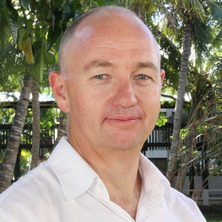
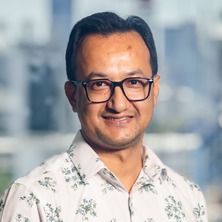
Simon Reid is a Professor in the School of Public Health at the University of Queensland. He is a keen advocate of One Health and the application of systems thinking approaches to understand and improve interventions for wicked zoonotic disease problems at the human-animal-ecosystem interface such as leptospirosis, brucellosis, human-bat interactions and antimicrobial resistance. His research focuses on understanding how to improve multisectoral governance, planning and implementation of responses to manage One Health problems. He delivers postgraduate courses in systems thinking, communicable disease control and One Health.
Senior Lecturer and Principal Speciality Supervisor (General Practice)
General Practice Clinical Unit
Faculty of Health, Medicine and Behavioural Sciences
Availability:
Available for supervision
Media expert
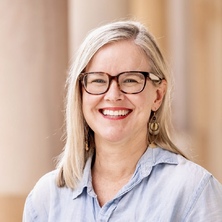
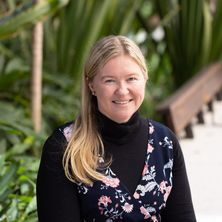
Dr Lynne Reid is a General Practitioner, medical educator and researcher with expertise in general practice education, sport and exercise medicine, musculoskeletal medicine, and preventive healthcare. She is a Senior Lecturer within the University of Queensland Medical School and works across undergraduate teaching, clinical supervision, assessment, and curriculum development.
Her work focuses on preparing future doctors for contemporary practice, with particular interests in immersive clinical education, evidence-based medicine, communication skills, preventative health, and whole-person care.
Her broader interests include:
General practice and community-based medical education
Sport and exercise medicine
Musculoskeletal medicine and injury management
Preventive health
Women’s health
Clinical assessment and feedback
Digital health and AI in medical education
Exercise prescription in primary care
Dr Reid is passionate about strengthening the role of general practice within the health system and building supportive learning environments for students, trainees and clinicians.
Faculty of Health, Medicine and Behavioural Sciences
Postdoctoral Research Fellow
School of Health and Rehabilitation Sciences
Faculty of Health, Medicine and Behavioural Sciences
Availability:
Available for supervision
Media expert
Children and families should be at the centre of the healthcare and research that affects them.
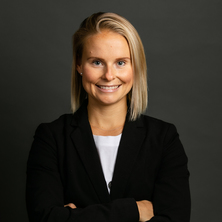
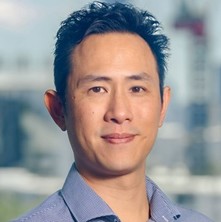
Claire is a paediatric researcher and dietitian working to improve how healthcare and research are designed, delivered and experienced by children and their families.
Her research program spans paediatric clinical trial design, tube feeding and nutrition, priority setting, and consumer and community involvement in research. Claire is particularly interested in developing approaches that enable children and young people to meaningfully shape the research intended to improve their health and healthcare. She believes children and families should be at the centre of the healthcare and research that affects them.
Claire is based within UQ's ULTRA Clinical Trials Capability team and is affiliated with the Child Health Research Centre. She is also Senior Paediatric Dietitian at Queensland Children's Hospital and an executive member of the Children's Inpatient Research Collaborative of Australia and New Zealand (CIRCAN), contributing to collaborative paediatric research across Australia and New Zealand.
Faculty of Health, Medicine and Behavioural Sciences
Availability:
Not available for supervision
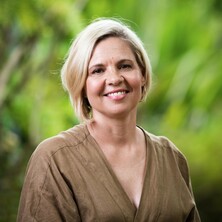
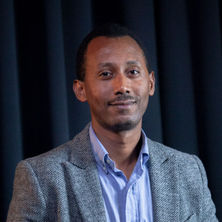
Dr Floraidh Rolf is the Deputy Director (South West) for Southern Queensland Rural Health in Charleville Queensland, as well as an educator, researcher and nurse. She is a strong supporter of social justice and activism in healthcare, in particular the duty to address gaps in the care afforded to disenfranchised and vulnerable populations.
Floraidh's background encompasses mental health, critical care, rural and remote health, and higher education. Her research interests include sociological approaches to nursing and health, power and stigma, and qualitative methodology. She is committed to supporting social change through collaborative research.
Affiliate of Centre for the Business and Economics of Health
Centre for the Business and Economics of Health
Faculty of Business, Economics and Law
Affiliate of Centre for Innovation in Pain and Health Research (CIPHeR)
Centre for Innovation in Pain and Health Research
Faculty of Health, Medicine and Behavioural Sciences
Senior Research Fellow
School of Health and Rehabilitation Sciences
Faculty of Health, Medicine and Behavioural Sciences
Availability:
Available for supervision
Media expert
Dr Megan Ross (she/her) is a Specialist Research Physiotherapist and Senior Research Fellow at RECOVER Injury Research Centre, The University of Queensland. She is part of a research team, led by Professor Trevor Russell, which focuses on developing more effective and efficient health services supported by technology innovation. Megan’s current research projects include exploring consumer perspectives of the telerehabilitation service delivery model, factors that influence the uptake and utilisation of telerehabilitation, and exploring the acceptability and usability of digital health innovations. Megan has a broad range of research skills that span both quantitative and qualitative methods and co-design approaches, including systematic reviews, cross-sectional and longitudinal study designs and data analysis, discrete choice experiments, interviews and focus group discussions and thematic analysis.
Dr Ross received a Bachelor of Physiotherapy (with First Class Honours) in 2012 and a PhD in Physiotherapy in 2020 from The University of Queensland. Megan is the inaugural Chair of the Australian Physiotherapy Association’s LGBTQIA+ Advisory Committee, is Deputy Chair of the Australian Physiotherapy Associations’ National Advisory Committee and sits on the Queensland Gender Affirming Network Steering Committee. Dr Ross leads a program of research in the area of LGBTQIA+ experiences of, and access to healthcare with a focus on physiotherapy and allied health. Megan is passionate about ensuring safe and affirming access to healthcare for people with diverse gender identities, sexual orientations and sex characteristics and has received over $1M AUD in funding, including a CIA MRFF grant to co-design, implement and evaluate an LGBTQIA+ affirming model of primary care. The overarching objective of Dr Ross’s work is to improve access to, provision of, and experiences with health care and ultimately contribute to improved health and wellbeing for the LGBTQIA+ communities.
Affiliate of Centre for Living Experience Research
Centre for Living Experience Research
Faculty of Health, Medicine and Behavioural Sciences
Head of School
Faculty of Health, Medicine and Behavioural Sciences
Affiliate of University of Queensland Centre for Hearing Research (CHEAR)
Centre for Hearing Research
Faculty of Health, Medicine and Behavioural Sciences
Availability:
Not available for supervision
Media expert
Professor Nerina Scarinci is the Head of School, School of Health and Rehabilitation Sciences, Faculty of Health and Behavioural Sciences at The University of Queensland. Her main research focus is on the implementation and evaluation of patient- and family-centred care for adults and children with communication disability. Professor Scarinci has clinical and research expertise in the development, implementation, and evaluation of alternative models of allied health service delivery, including group interventions, eHealth, and communication partner training. Professor Scarinci has over 20 years clinical and research experience, with expertise in co-design, patient- and family-centred care, and the evaluation and management of communication disability.
University Profile: Professor Nerina Scarinci is a Professor in Speech Pathology and Director of Higher Degree Reserach Students in the School of Health and Rehabilitation Sciences, Faculty of Health and Behavioural Sciences.
Teaching Themes: Professional Practice and Communication Skills, Children with Special Needs in Communication, Paediatric Speech Pathology, Hearing Impairment, Service Delivery, Professional Issues and Ethics
Research interests: Paediatric and Adult Hearing Impairment, Communication Disability, International Classification of Functioning, Disability and Health (ICF), Third-Party Disability, Family-Centred Care, Early Intervention, Co-Design
Grant funding: Professor Scarinci has attained >$10.2 Million in grant funding, with >$4.12 Million as Chief Investigator and >$6.1 Million as Associate Investigator or Program Lead.
Reviewer: International Journal of Speech-Language Pathology; International Journal of Audiology; Ear & Hearing; Speech, Language and Hearing; Disability & Rehabilitation; Child Language Teaching & Therapy, American Journal of Audiology; BMC Geriatrics; Clinical Interventions in Aging.
Editorial Boards: Associate Editor for International Journal of Audiology; Editorial Consultant for International Journal of Speech-Language Pathology.
Professional Memberships: Speech Pathology Australia; The Hanen Centre; Ida Institute.
Faculty of Health, Medicine and Behavioural Sciences
Research Fellow/Senior Research officer
School of Nursing, Midwifery and Social Work
Faculty of Health, Medicine and Behavioural Sciences
Availability:
Available for supervision
Dr Lucy Shinners is an Indigenous clinician‑researcher with 25 years of ICU nursing experience and a career deeply embedded in the health system. Her work is grounded in the realities of clinical practice and the experiences of patients, families and communities, shaping a research program that examines how emerging technologies can strengthen safe, high‑quality and culturally responsive care.
Using a sociotechnical lens, Dr Shners studies how artificial intelligence influences the health workforce, clinical decision‑making and the conditions required for safe adoption. Her internationally used SHAIP tool supports health services to understand workforce perceptions of AI and ensures that consumer perspectives remain central to technology design and implementation. She also works with Indigenous health organisations to co‑design technological solutions that reflect community priorities, and has contributed to establishing First Nations leaders’ priorities for AI, an expanding line of work shaping future governance and innovation.
Her research intersects with infection prevention and vascular access safety, where she investigates healthcare‑associated infections, device‑related harm and opportunities to improve surveillance, early detection and patient experience. Increasingly, these domains converge as she explores AI‑enabled approaches for infection risk prediction and monitoring, and evaluates how emerging technologies can enhance clinical governance and system performance.
Dr Shinners’ work provides health services, policymakers and industry with evidence‑based, culturally informed insights into AI, infection prevention and the future of safe care.
Faculty of Health, Medicine and Behavioural Sciences
Availability:
Available for supervision
Dr Shakti Shrestha is Deputy Director of Research and Lecturer in Pharmacy Practice and Medicines Management at the School of Pharmacy and Pharmaceutical Sciences, The University of Queensland (UQ). His research program focuses on optimising medication use in older people and those with life‑limiting illness, with particular interests in deprescribing, medication safety, dementia and palliative care, quality use of medicines, and the implementation of evidence into practice.
Shakti conceived and co‑led the development of De‑TOPPLE, a deprescribing decision‑support framework designed to improve medication optimisation for older adults with limited life expectancy. He also served as a Research Fellow and Queensland site coordinator for the MRFF‑funded EMBRACE trial, evaluating strategies to enhance the implementation of evidence‑based psychotropic prescribing recommendations in Australian residential aged care. His broader research spans medicines optimisation, medication‑related quality of life, pharmacy practice, health services research, and implementation science, forming a coherent program aimed at reducing medication‑related harm and improving care outcomes for older populations, particularly those with palliative care needs.
He has published widely across ageing, medication safety, deprescribing and pharmacy practice, and received the 2025 Best Publication by an Early Career Researcher Award from the UQ School of Pharmacy and Pharmaceutical Sciences. He supervises PhD, postgraduate and undergraduate research projects in medicines optimisation, polypharmacy, deprescribing and medication use in older populations, integrating his research expertise into teaching and research training.
Shakti’s academic and research work is informed by extensive experience across pharmacy practice, clinical research, residential aged care and higher education in Australia, the United Kingdom and Nepal. He was awarded the 2018 Australian Research Training Scholarship for his PhD in Clinical Pharmacy and Pharmacy Practice at UQ and the 2022 Career Development Scholarship, through which he gained further clinical trail experience across Queensland Hospital and Health Services. He holds a Master of Science in Clinical Pharmacology with Distinction from the University of Aberdeen (UK), and Bachelor of Pharmaceutical Sciences with Distinction from Pokhara University (Nepal). During his Master's training in the UK, he gained research experience working with SITS-ISTR (Safe Implementation of Thrombolysis in Stroke-International Stroke Thrombolysis Registry) data within NHS Grampian.
Affiliate of Centre for Living Experience Research
Centre for Living Experience Research
Faculty of Health, Medicine and Behavioural Sciences
NHMRC Emerging Leadership Fellow
School of Health and Rehabilitation Sciences
Faculty of Health, Medicine and Behavioural Sciences
Availability:
Available for supervision
Dr Kirstine Shrubsole is an NHMRC Emerging Leadership Fellow at the Queensland Aphasia Research Centre. She holds a Bachelor of Speech Pathology (First Class Honours) from The University of Queensland, and completed her PhD in 2018. Kirstine has a research focus on improving implementation of evidence into practice in speech pathology and multidisciplinary services, with a special interest in stroke and aphasia rehabilitation. She has demonstrated that practice change is achievable for healthcare teams working in aphasia, leading to positive outcomes for patients, clinicians, and organisations.
Kirstine has published over 60 peer-reviewed journal articles, and has been awarded over $14 million in competitive research funding. Kirstine previously worked as the Conjoint Research Fellow in Speech Pathology (Princess Alexandra Hospital and The University of Queensland), providing research capacity building and mentoring to speech pathologists and supporting multidisciplinary research. Kirstine is the co-founder and Deputy Lead of the Collaboration of Aphasia Triallists’ Implementation Science in Aphasia working group, and a research affiliate of the Centre for Research Excellence in Aphasia Rehabilitation and Recovery.
Kirstine is completing a NHMRC Emerging Leadership Fellowship on the following topic:
The Aphasia Implementation Toolkit Project: Developing an implementation intervention to improve services for stroke survivors with aphasia
She is a chief investigator on three MRFF grants, including:
Unspoken, Unheard, Unmet: Improving Access to Preventative Health Care through Better Conversations about Care
Bridging the Digital Divide: Building Health Self-Efficacy through Communication-Accessible Online Environments
Enhancing utility of neuropsychological evaluation for earlier and effective diagnosis of dementia in Parkinson's disease
Faculty of Health, Medicine and Behavioural Sciences
Availability:
Available for supervision
Dr Anelise Silveira is a physiotherapist and early career researcher specializing in musculoskeletal (MSK) conditions, particularly upper extremity disorders. She has a strong interest in non-pharmacological randomized controlled trials (RCTs), systematic reviews (including meta-analysis and network meta-analysis), and co-designing research protocols with people with lived experience to ensure relevance and impact.
Currently, she is a Postdoctoral Research Fellow in Clinical Trials at the STARS Education and Research Alliance and the School of Health and Rehabilitation Sciences, The University of Queensland. Anelise is also affiliated with the Centre for Innovation in Pain and Health Research (CIPHeR), the ANZMUSC Clinical Trials Network, the Queensland Orthopaedic Physiotherapy Network (QOPN), and the Canadian Physiotherapy Association (CPA).
She has contributed to 12 successful grant applications securing over AUD$688,000 and published 19 peer-reviewed papers. She has mentored 10 orthopaedic surgery residents in completing research projects, 4 physical therapists in conducting systematic reviews, 2 physiotherapists in clinical skill development, and numerous research personnel in data collection, RCT procedures, and project management. She previously served as Research Director for the College of Health Sciences at the University of Alberta in Canada, where she also completed her PhD in Epidemiology in 2024. Her doctoral work focused on improving care and return-to-work outcomes for workers with shoulder injuries. Anelise relocated to Australia in March 2025 to begin her fellowship and is welcoming PhD and Master’s students interested in upper-extremity MSK research.
Faculty of Health, Medicine and Behavioural Sciences
Research Officer
School of Health and Rehabilitation Sciences
Faculty of Health, Medicine and Behavioural Sciences
Availability:
Available for supervision
Dr Joshua Simmich is a physiotherapist and digital health researcher at UQ’s RECOVER Injury Research Centre. His work focuses on technology-enabled rehabilitation: how tools such as telerehabilitation, mobile health, wearable sensors, virtual reality, serious games and artificial intelligence can make rehabilitation more accessible, engaging and effective.
Joshua’s research spans remote and hybrid models of physiotherapy care, patient preferences for telerehabilitation, the safety and effectiveness of video-based rehabilitation and exercise, and the evaluation of digital tools for pain monitoring and clinical decision-making. His PhD examined how active video games and wearable sensors could support physical activity in people with chronic obstructive pulmonary disease.
He works with clinical and research teams to design, evaluate and translate digital health innovations for rehabilitation. Current and recent projects include virtual reality for driving anxiety, personalised motorised wheelchair trials using simulation, AI-supported navigation of the Australian healthcare system, GPS-based functional assessment for people with persistent pain, and serious games for physiotherapy education.
Joshua is available to supervise students interested in digital health, telerehabilitation, technology-enabled rehabilitation, AI in healthcare, virtual reality, wearable sensors, physical activity and rehabilitation service delivery.
Affiliate of Centre for the Business and Economics of Health
Centre for the Business and Economics of Health
Faculty of Business, Economics and Law
Affiliate of Queensland Digital Health Centre
Queensland Digital Health Centre
Faculty of Health, Medicine and Behavioural Sciences
Centre Director of Centre for Online Health
Centre for Online Health
Faculty of Health, Medicine and Behavioural Sciences
Professor
Medical School
Faculty of Health, Medicine and Behavioural Sciences
Availability:
Available for supervision
Media expert
Professor Anthony Smith is the Director of The University of Queensland’s Centre for Online Health (COH), and Adjunct Professor at the Hans Christian Anderson Children's Hospital and University of Southern Denmark, in Odense, Denmark.
Professor Smith is also the Editor in Chief for the Journal of Telemedicine and Telecare (Sage Publishers, London; 5y Impact Factor 4.9).
Professor Smith has more than 25 years of research experience, resulting in the planning, implementation and evaluation of a broad range of telehealth (virtual care) services around Australia. Specific research interests include the feasibility, effectiveness and sustainability of telehealth services in the public health system; genuine consumer engagement; and novel strategies to support our health workforce and telehealth adoption. His research has led to the development of pioneering virtual care services in Australia, including prominent statewide hospital-based telehealth programs in Queensland, wireless (robot) videoconference systems for remote consultations; and a community-based (and telehealth supported) health screening programme for Indigenous children in Queensland. Current projects focus on the integration of telehealth and virtual care services in residential aged care settings; evaluation of community-led First Nations health services; the delivery of video-based rehabilitation services to children in rural and remote primary schools; telementoring services for health professionals in primary care; and discipline specific clinical telehealth services.
Professor Smith chairs the International Conference on Successes and Failures in Telehealth conference. He is also a Fellow of the Queensland Academy of Arts and Sciences. Previous roles have included the President of the Australasian Telehealth Society (ATHS) [2013-2015]; and elected member of the ATHS committee [2008-2024]. In the field of telehealth and virtual care, Prof Smith has over 240 publications, including 230 peer-reviewed journal papers, three edited books and 13 book chapters on related topics. Whilst the field remains highly specialised in comparison to other disciplines, his work is cited over 2000 times each year.
Professor Smith also provides an extensive range of consultancy services for government agencies and industry partners in the field of telehealth, digital health and virtual healthcare.
RECENT AWARDS
1. Honorary Doctorate. Doctor of Medical Science (D.M.SC. (honoris cau)). Faculty of Health Sciences, University of Southern Denmark, 2025
2. Public Engagement and Community-led Research (including Citizen Science) Award, The University of Queensland Research Culture Awards, 2024
3. Top Researcher in the field of "Medical Informatics"- for work involving telehealth, digital health and virtual care. The Australian Research Awards, 2023
4. Commendation, Academic Leader of the Year, UQ Faculty of Medicine Excellence Awards, The University of Queensland, 2023
5. Excellence in Indigenous Engagement Award - for "enhancing access to specialist health services through the use of telehealth for First Nations people. Engagement Australia Excellence Awards, 2021
6. Spirit of Reconciliation Award - for building research and community partnerships in Queensland. UQ Faculty of Medicine Excellence Awards, The University of Queensaland, 2021
Faculty of Health, Medicine and Behavioural Sciences
Availability:
Available for supervision
Dr Meng-Wong Taing (Wong) is a registered pharmacist and qualified biostatistician. He graduated from the University of Queensland with a Bachelor of Pharmacy (with Honours Class 1) in 2002, Graduate Certificate in Technology Innovation Management in 2012, PhD in Pharmacy in 2013. After completion of his PhD he worked as a Post-Doctoral Researcher at the Translation Research Institute (TRI) investigating novel drug candidates for the treatment of Type 2 Diabetes and Obesity. In 2014, Wong joined the School of Pharmacy as a Lecturer and was awarded the Dean’s commendation for Research Higher Degree Excellence. He demonstrates a strong commitment to applying advanced statistical methods to health research. With broad expertise in quantitative analysis, he has made significant contributions across diverse disciplines including cell biology, social science, and medical research - leading and supporting collaborative projects that address complex health challenges. His work consistently promotes research transparency, methodological rigour, and interdisciplinary innovation.
Faculty of Health, Medicine and Behavioural Sciences
Availability:
Available for supervision
Dr Caley Tapp is a Research Fellow in Substance Use and Mental Health with the School of Public Health at the University of Queensland.
Caley holds qualifications in psychology and epidemiology. She has a PhD in social psychology and completed a post doctoral fellowship on an ARC funded project examining a disease avoidance basis for stigmatisation.
In her previous role with the Analysis and Reporting component of the Australian Mental Health Outcomes and Classification Network she was involved in a range of projects designed to improve the measurement of patient- and service-level outcomes in Australia’s specialised public sector mental health services. She has experience in conducting systematic literature reviews, as well as conducting experimental, quasi-experimental and qualitative studies.
Caley is available to supervise honours, Masters and HDR students on a variety of topics; please get in touch to discuss.
Senior Lecturer and Speciality Lead (General Practice)
Medical School
Faculty of Health, Medicine and Behavioural Sciences
Senior Research Fellow
Medical School
Faculty of Health, Medicine and Behavioural Sciences
Higher Degree by Research Scholar
General Practice Clinical Unit
Faculty of Health, Medicine and Behavioural Sciences
Availability:
Available for supervision
Dr Hayley Thomas is a clinical senior lecturer and senior research fellow with the General Practice Clinical Unit. She is a fellow of the Royal Australian College of General Practitioners and works clinically as a general practitioner (GP). Her previous research has focused upon whole person approaches to care and the GP-patient relationship. Dr Thomas is currently leading a project exploring the experience of Christian spirituality in eating disorders, supported by a grant from The John Templeton Foundation.
Associate Member of Centre for Community Health and Wellbeing
Centre for Community Health and Wellbeing
Faculty of Health, Medicine and Behavioural Sciences
Postdoctoral Research Fellow
School of Human Movement and Nutrition Sciences
Faculty of Health, Medicine and Behavioural Sciences
Availability:
Available for supervision
Media expert
Dr George Thomas is a Research Fellow in the School of Human Movement and Nutrition Sciences at The University of Queensland and a member of the ARC Centre of Excellence for the Digital Child. His research focuses on children’s digital technology use, family digital routines, healthy screen use, and child health and wellbeing.
George leads an integrated program of research focused on understanding and improving how families manage children’s screen use. His work spans digital health, behavioural science, public health, and research translation through partnerships with government and industry.
His research has informed international policy and guidelines, including reports from UNESCO and the World Health Organization, and contributes to global initiatives such as the Active Healthy Kids Global Alliance.
George is also committed to education and mentorship, having supervised more than 50 student research projects across psychology, dietetics, and exercise science, and supporting students to work on real-world policy and community initiatives.
Affiliate Professor of School of Pharmacy and Pharmaceutical Sciences
School of Pharmacy and Pharmaceutical Sciences
Faculty of Health, Medicine and Behavioural Sciences
Affiliate of ARC Research Hub for Advanced Manufacture of Targeted Radiopharmaceuticals (AMTAR)
ARC Research Hub for Advanced Manufacture of Targeted Radiopharmaceuticals
Australian Institute for Bioengineering and Nanotechnology
Affiliate of Centre for the Business and Economics of Health
Centre for the Business and Economics of Health
Faculty of Business, Economics and Law
Affiliate of Centre for Innovation in Pain and Health Research (CIPHeR)
Centre for Innovation in Pain and Health Research
Faculty of Health, Medicine and Behavioural Sciences
Professorial Research Fellow
School of Business
Faculty of Business, Economics and Law
Availability:
Available for supervision
Media expert
I am the lead of the Effective and Efficient Healthcare program at the Centre for the Business and Economics of Health at The University of Queensland. I also lead Health Technology Assessment for the Centre, which involves evaluating submissions made to the Australian Government to reimburse new medicines and medical devices through the Pharmaceutical benefits Scheme (PBS) and the Medicare Benefits Schedule (MBS). My research is focused on the economic evaluation of health interventions to inform decision making and promote value-based health care. I have pioneered the application of Value of Information (Research) analysis to enhance the efficiency of clinical trials and maximise the return on investment from medical research.
I have extensive experience working with key stakeholders including consumers, clinicians, decision makers and researchers. I am chief investigator on over $45 million Category 1 grants from the NHMRC, MRFF and ARC. In addition, I lead several projects for the Department of Health and other peak organisations.
I chair the International Society for Pharmacoeconomics and Outcomes Research (ISPOR)-Oncology GroupI, and I am the past chair of the Clinical Oncology Society of Australia's (COSA)-Epidemiology Group and the Australian Clinical Trials Alliance (ACTA)-Research Prioritisation Group. I am an Associate Editor for Value in Health, and an Editorial Board Member for Medical Decision Making and PharmacoEconomics-open journals.
Senior Lecturer and Specialty Supervisor - General Practice
General Practice Clinical Unit
Faculty of Health, Medicine and Behavioural Sciences
Availability:
Available for supervision
Dr Chloe Tyson is a General Practitioner, medical educator, and researcher with expertise in general practice, antidepressant deprescribing, lifestyle medicine, complex and chronic care, and preventive healthcare. She is a Senior Lecturer in the General Practice Clinical Unit at the University of Queensland Medical School, where she works across undergraduate teaching, assessment, and learning-resource development.
Her current research follows the RELEASE antidepressant tapering plans into everyday general practice: how GPs use them, what gets in the way, and what would make deprescribing more workable. That work is supported by an RACGP Academic Post (2025–2026). Clinically, she works with people whose problems do not fit a standard appointment, using a lifestyle-medicine approach to persistent fatigue, gut and hormonal problems, inflammation, and other unresolved chronic presentations.
Her broader interests include:
General practice and primary care implementation
Antidepressant deprescribing and withdrawal-informed tapering
Lifestyle medicine and whole-person care
Complex and chronic conditions
Preventive health and health optimisation
Mental health in primary care
Medical education, assessment and resource development
Dr Tyson is committed to strengthening general practice as a setting for complex care, deprescribing, and whole-person medicine, and to building that capacity in the next generation of doctors.