Australian Institute for Bioengineering and Nanotechnology
Availability:
Available for supervision
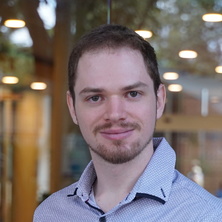
Dr Stephen Sanderson is an expert in nonequilibrium molecular dynamics simulation, with a particular interest in fundamental theory and method development. His current research focuses on developing new methods based in response theory for efficient calculation of nonequilibrium steady state properties, with applications in fluid dynamics, energy materials, heat flow, and quantum systems, among others. Previously, Stephen worked as a Postdoctoral Research Fellow in the group of Prof. Debra Bernhardt, where his focus was on nonequilibrium thermodynamics and statistical mechanics theory, and improving capacity for molecular dynamics simulation of fluids. He holds undergraduate degrees in electrical engineering and physics and a PhD in physics from James Cook University, during which he developed and applied kinetic Monte-Carlo simulations of charge and exciton dynamics coupled with atomistic molecular dynamics deposition simulations to establish a better understanding of structure-property relationships in organic semiconductors, particularly organic light-emitting diodes.
Queensland Alliance for Agriculture and Food Innovation
Availability:
Available for supervision
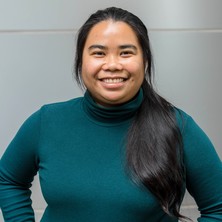
Dr Viviene Santiago is a Postdoctoral Research Fellow in the Natural Toxins group within the Centre for Animal Science, Queensland Alliance for Agriculture and Food Innovation (QAAFI) and is based at the Health and Food Sciences Precinct (Coopers Plains). With a robust foundation in organic and analytical chemistry, her research primarily focuses on natural products chemistry from terrestrial, marine, and microbial sources.
Dr Santiago joined QAAFI as a Postdoctoral Research Fellow in 2023. Her current research involves developing a delivery system for bioactive compounds aimed at reducing enteric methane emissions in cattle and exploring atypical sugars in novel foods such as stingless bee honey. Over the years, she has cultivated a keen interest in utilising liquid chromatography-mass spectrometry (LC-MS) and molecular networking techniques to investigate chemical diversity from different sources such as natural toxins in certain plants and atypical sugars in stingless bee honey.
Dr Santiago earned her Ph.D. from The University of Queensland, where her dissertation focused on applying advanced molecular networking techniques, such as the Global Natural Products Social Molecular Networking (GNPS), to explore the chemical diversity of Australian microbes. Her academic journey also includes a Master’s and a Bachelor’s degree in Chemistry from the University of the Philippines – Diliman. These academic experiences have equipped her with a comprehensive understanding of natural products chemistry, enabling her to make significant contributions to both academia and industry.
Affiliate Professor of Australian Institute for Bioengineering and Nanotechnology
Australian Institute for Bioengineering and Nanotechnology
Professor
School of Chemistry and Molecular Biosciences
Faculty of Science
Availability:
Available for supervision
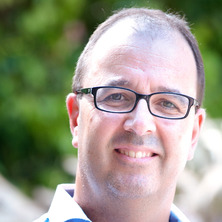
I obtained a Diploma in Chemistry from the University of Bern in Switzerland in 1992. Upon receiving the award of an International Postgraduate Research Scholarship (IPRS) I joined The University of Queensland (UQ) in 1993 to carry out research towards a PhD in Biochemistry(supervisors: Assoc. Profs. Peter Nixon and Ron Duggleby). I graduated in 1997 and continued postdoctoral research at UQ under the guidance of Profs John de Jersey, Susan Hamilton and Graeme Hanson. During this period, I was awarded Fellowships from both the Wellcome Trust and UQ. In 2000 I spent several months in the Department of Chemistry at the University of Newcastle-upon-Tyne, England, collaborating with Prof. Geoff Sykes, and later that year I commenced a Senior Postdoctoral Fellowship in the Chemistry Department at Stanford University (advisor: Prof. Edward Solomon). In 2003 I was appointed to a Lectureship in (Bio)Physical Chemistry at UQ. In 2006 I was promoted to Senior Lecturer. Following the award of a UQ Foundation Research Excellence Award (in 2007) I was promoted to Associate Professor (in 2008), and between 2011 and 2013 I was also on a fractional professorial appointment (50%) at Maynooth University, Ireland. From 2013 to 2017 I held a Future Fellowship from the Australian Research Council, and during this period I was promoted to Full Professor at UQ (2015). I also hold affiliate professorships in the Sustainable Minerals Institute and the Australian Institute for Bioengineering and Nanotechnology, both located at UQ.
I have successfully focused my research on the investigation of enzyme-catalysed reactions, their optimisation for applications in biotechnology and the synthesis of small molecules that mimic their structure and catalytic function (i.e. biomimetics). I advanced understanding of the contribution of metals to enzyme-catalysed reactions and employed state-of-the-art technologies (e.g. cryo-EM, ancestral gene reconstruction) to develop enzyme inhibitors as leads for novel biocides (herbicides, fungicides, antibacterial compounds) and engineer enzymes with enhanced catalytic properties for industrial applications in the advanced manufacturing sector (i.e. cell-free enzyme cascades, next-gen fertilisers). My work into enzyme mechanisms, regulation and engineering received international acclaim evidenced by invitations to provide plenary and keynote lectures and review articles in prestigious journals. I have published over 250 peer-reviewed articles, including over 40 papers in the ACS staple (J. Am. Chem. Soc, ACS Catalysis, ACS Sus. Chem. Eng., Inorg. Chem, Chem. Rev., Acc. Chem. Rev.) as well as landmark studies in Nature, Nature Catalysis, Nature Communications and Proc. Natl. Acad. Sci. (USA). For my leadership in enzymology I was awarded a Future Fellowship by the Australian Research Council, a Foundation Research Excellence Award by UQ and, most recently, the prestigious role as Ambassador for the Technical University of Munich (TUM), an honour bestowed upon me also for my leading role in building an extensive network of collaborations between UQ and TUM in the areas of bioengineering and bioeconomy. The network has since evolved into the Global Bioeconomy Alliance.
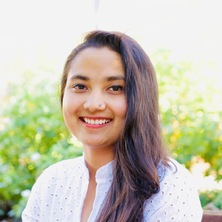
Dr Tanuka Sen is a Research Fellow at the Institute for Molecular Biosciences, The University of Queensland, where her research focuses on understanding bacterial pathogenesis and developing innovative strategies to combat antimicrobial resistance.
Dr. Sen completed her PhD in Biochemistry and Biomedical Science at the Australian National University before undertaking postdoctoral research at the University of Oxford, where she developed single-cell microscopy approaches to visualise the dynamics of bacterial virulence plasmids in real time. She has contributed to research on bacterial toxin-antitoxin systems, plasmid biology, antimicrobial resistance, and genome analysis.
Her research integrates microbiology, molecular biology, bacterial genetics, advanced fluorescence microscopy, bioinformatics, and antimicrobial drug discovery to investigate bacterial virulence, plasmid biology, host-pathogen interactions, and the mechanisms of action of novel antimicrobial compounds. She is particularly interested in translating fundamental discoveries into new approaches to combat antibiotic-resistant pathogens.
Research expertise includes:
Antimicrobial resistance (AMR)
Antimicrobial drug discovery and mode of action
Bacterial pathogenesis and virulence
Infection biology
Fluorescence and confocal microscopy
Single-cell and live-cell imaging
Functional genomics and bioinformatics
Plasmid biology and horizontal gene transfer
Bacterial genetics and molecular microbiology
She welcomes opportunities for interdisciplinary research, student supervision, industry engagement, and collaborations that advance antimicrobial innovation and improve global health.
My research interests are in the field of Chemistry education, particularly how students learn in the chemistry laboratory.
I teach biological inorganic chemistry at a second and Masters level, as well as a broad range of topics in first year chemistry. I also teach the ethics of chemistry in second year.
Mariusz Skwarczynski completed his Ph.D. in Chemistry in 1999 at Wroclaw University of Technology (Poland). His postdoctoral training began at Tokushima Bunri University (Japan), and then Kyoto Pharmaceutical University (Japan). In 2008 he joined Professor Istvan Toth’s group at The University of Queensland (Australia) to work on new vaccine development strategies. Currently his group activity is mainly focused on nanotechnology-based peptide vaccine delivery approaches and adjuvants discovery. He is Regional Editor of Australia in Vaccines, and Associate Editor in Frontiers in Pharmacology. He has published over 190 peer-reviewed publications, including 18 book chapters and three books.
Faculty of Engineering, Architecture and Information Technology
Availability:
Available for supervision
Dr. Alex Smith is a Research Fellow in Glycotherapeutics at UQ's School of Chemical Engineering. His interests are in understanding structure: function relationships between complex carbohydrates (such as heparan sulphate) and proteins, and how these interactions can inform the development of glycotherapeutic agents to treat a wide variety of injuries and diseases.
Affiliate of Centre for Innovation in Pain and Health Research (CIPHeR)
Centre for Innovation in Pain and Health Research
Faculty of Health, Medicine and Behavioural Sciences
Emeritus Professor
School of Biomedical Sciences
Faculty of Health, Medicine and Behavioural Sciences
Availability:
Available for supervision
Media expert
Update Profile
Emeritus Professor Maree Smith AC FTSE FAHMS is a full-time researcher and Director, CIPDD, School of Biomedical Sciences, Faculty of Health, Medicine and Behavioural Sciences (HMBS), The University of Queensland.
In the 12 years prior to her current appointment, Professor Smith led a high-performing team in building the CIPDD and its commercial interface TetraQ, recognized as a unique, GLP-accredited drug development Centre in Australia. Professor Smith has considerable expertise in biomedical discovery/translation with specialist expertise in the novel pain therapeutics discovery/translation field encompassing a portfolio of 16 rodent pain models that mimic individual human pain conditions. This portfolio of models conducted in a purpose-built facility operated in accordance with the requirements of our Quality Management System, making the CIPDD unique in Australia and rare internationally.
In the 15 years prior to establishing the CIPDD, Professor Maree Smith was a full-time academic in the School of Pharmacy. In brief, she joined the School of Pharmacy as a Lecturer in 1989 and was successively promoted through the academic ranks to Professor in 2004. Prior to that she undertook a PhD and early postdoctoral training in clinical pharmacology with specialist expertise in bioanalytical method development, bioanalysis of human plasma samples, drug metabolism and clinical pharmacokinetics. Her second postdoc was in the field of pain management and pain pharmacology.
In the years, 1990-2005, Maree Smith taught in the Drug Discovery stream of the 2nd, 3rd & 4th years of the undergraduate Pharmacy program and she was instrumental in developing innovative courses for the final year of the undergraduate Pharmacy curriculum. She was also instrumental in the development of a course for the M Biotech program at UQ entitled “Quality Systems in Biotechnology” which continues to this day and is a compulsory course in the Program. Maree has successfully advised/co-advised to completion 33 PhD students, 2 Research Masters students and ~50 Honours students. She also served for 14 years as an external evaluator for the TGA.
Maree's Current Research Interests are as follows:
1. Subtle differences in the pathobiology of individual chronic pain conditions
2. Improving preclinical to clinical translation in novel analgesics development
3. Preclinical drug development of novel pain therapeutics
4. Preclinical drug development
Awards
2026 Life Membership, Pharmaceutical Society of Australia
2021 UQ Fellowship
2019 Companion of the Order of Australia (AC) in the Queen's Birthday Honours List
2018 Honorary Bragg Membership (The Royal Institution of Australia)
2016 Bowl of Hygeia Award (Pharmaceutical Society of Australia)
2016 Clunies Ross Knowledge Commercialisation Award (ATSE)
2015 Honoured to be included in inaugural list of Australia's top Innovators; viz Knowledge Nation 100
2015 Inaugural Inductee into the Life Sciences Queensland (LSQ) Hall of Fame
2015 Johnson and Johnson Innovaton AusBiotech Industry Excellen Award - Outstanding Leader category.
2015 Elected Fellow, Australian Academy of Health and Medical Sciences (AAHMS)
2015 Australian Pain Society Distinguished Member Award - For services to the promotion, treatment and science of pain management and lifelong contribution to the Australian Pain Society
2013 UQ Top 5 Inventor - Award by Thomson Reuters and UQ at inaugural Awards
2013 UQ Top 5 Innovator - Award by UniQuest Pty Ltd and UQ at inaugural Awards
2012 Queensland Life Sciences Industry Excellence Award jointly with Dr Jim Aylward
2011 Elected Fellow, Australian Academy of Technological Sciences (ATSE)
2009 Honorary Fellowship, Faculty of Pain Medicine, ANZCA (Australian and New Zealand College of Anaesthetists).
2008 WiT (Women in Technology): Biotech Outstanding Achievement Award
2002 Meritorious Mention for Sustained Excellence in Research Higher Degree Supervision
2001 Meritorious Mention for Sustained Excellence in Research Higher Degree Supervision
Queensland Alliance for Agriculture and Food Innovation
Availability:
Available for supervision
Media expert
Professor Heather Smyth helps industry understand what makes food taste great - and how to deliver it consistently. Her research integrates sensory science, flavour chemistry, food structure, and consumer insights to identify the drivers of consumer acceptance and translate these into product innovation and optimisation.
She works across the agri-food value chain - linking primary production, processing and formulation to consumer experience - supporting the development of differentiated, high-value Australian products. Her research spans formulated foods, horticultural produce, meat, seafood and cereals, as well as premium foods including wine, coffee and high-value speciality crops. She has a particular interest in supporting ‘Brand Australia’ by defining and communicating the unique quality, provenance and sensory characteristics of Australian foods. Professor Smyth is a Fellow of the Australian Institute of Food Science and Technology (AIFST).
Professor Smyth is particularly focused on anticipating future consumer needs and supporting industry to respond, guiding the development of products and agri-food systems that align with evolving expectations around quality, health, sustainability and experience.
I began my scientific career with a Bachelor of Science in Biochemistry and Chemistry, followed by a Bachelor of Science with First Class Honours in Chemistry from Massey University, New Zealand. My honours project focused on developing hydrogels for controlled peptide release in the gut. I then pursued a PhD at Massey University, working on synthetic anti-cancer drugs based on cyclodextrins.
After completing my PhD, I worked as a Research Officer at the New Zealand Veterinary Pathology Epicentre, refining my diagnostic research skills. I continued my career as a Postdoctoral Fellow at Kansas State University, contributing to the detection and surveillance of zoonotic diseases in the swine industry.
Currently, at The University of Queensland, I integrate my expertise in synthetic peptides with vaccine development. My research bridges medical and agricultural biotechnology, focusing on innovative adjuvants and vaccines that span medicinal chemistry, nanotechnology, and immunology, aiming to enhance both health outcomes and agricultural practices.
Studied organic chemistry at the University of Sydney, moved to UQ in 1993, then worked for Bayer in Germany, before moving back to Australia in 1996. Worked in Melbourne at the Victorian College of Pharmacy (now MIPS). I then returned to UQ in 2000 to the Fairlie lab where we design and synthesise new chemical entities to tackle human disease. Since 2012 I have been on extended medical leave and am currently an Adjunct Research Fellow, researching proteins from flaviviruses such as Dengue, West Nile, and Zika viruses, and the coronaviruses SARS, MERS, and SARS-CoV-2.
Program Lead, Premium Food and Beverages within the Food and Beverage Accelerator Program (FaBA) of
School of Chemical Engineering
Faculty of Engineering, Architecture and Information Technology
Professor
School of Chemical Engineering
Faculty of Engineering, Architecture and Information Technology
Availability:
Available for supervision
Media expert
Professor Jason Stokes is a Professor in the School of Chemical Engineering at The University of Queensland and Program Lead for Premium Food and Beverages within Australia’s Food and Beverage Accelerator (FaBA), providing leadership across a nationally coordinated, industry‑focused research program. His work sits at the interface of chemical engineering, soft matter science and food systems, combining fundamental research with strong industry engagement.
Jason is internationally recognised for his expertise in rheology, tribology and interfacial phenomena, with particular emphasis on how structure, flow and deformation govern the behaviour of complex fluids and soft materials. He is known for pioneering experimental approaches in soft‑contact tribology and aqueous lubrication, providing new physical insight into oral processing, mouthfeel, texture and material performance across multiple length scales.
With more than 25 years’ experience working in and with industry, Jason has led long‑term research partnerships spanning food and beverage manufacturing, materials processing and sustainability‑driven innovation. Prior to joining UQ in 2008, he worked as a Research Scientist at Unilever R&D in the United Kingdom. His current research supports the rational design of next‑generation food and beverage products, including plant‑based and value‑added formulations, by integrating processing, structure and performance.
Jason was named among Australia’s Top 250 Researchers by Research Magazine (The Australian, 2026), ranking first nationally in Dispersion Chemistry within Chemical and Materials Sciences. He has an h‑index of 60 (Google Scholar), reflecting sustained international impact across rheology, tribology and food engineering.
Teaching and research training
Jason’s teaching and supervision are strongly research‑led and industry‑engaged, with a focus on developing deep physical intuition, independent thinking and problem‑solving capability in chemical engineering graduates. He has extensive experience in HDR supervision and research training, mentoring PhD, Masters, Honours students and postdoctoral researchers across interdisciplinary projects in food engineering, soft matter and materials processing.
His teaching is grounded in fluid mechanics and transport phenomena, with long‑standing involvement in undergraduate fluid‑flow and particle‑based courses, as well as undergraduate research‑thesis coordination and supervision. He is widely recognised by students for clear, structured explanations of complex concepts, an enthusiastic and approachable teaching style, and for integrating real‑world engineering context into learning. He places strong emphasis on scientific rigour, career development and an inclusive, supportive research culture, and has contributed to researcher development and wellbeing through leadership roles within the School and Faculty.
Jason currently coordinates and teaches Transport Phenomena (CHEE4009) and Engineering Placement (ENGG7292).
Affiliate of Centre for Cardiovascular Health and Research
Centre for Cardiovascular Health and Research
Faculty of Health, Medicine and Behavioural Sciences
Affiliate Senior Research Fellow of School of Biomedical Sciences
School of Biomedical Sciences
Faculty of Health, Medicine and Behavioural Sciences
Senior Principal Research Fellow
Institute for Molecular Bioscience
Availability:
Available for supervision
Media expert
Critical Care Medicine focuses on supporting patients, often with one or multiple organ failures. Based at the largest Australian cardiac hospital, our research investigates better ways to support patients with heart and/or lung failure. We explore technological, pharmacological and engineering advances that could help our patients to live longer and better. Our group is world-renowned for clinically relevant large animal models, including heart failure, respiratory failure (ARDS), heart transplantation, sepsis, cardiogenic shock, and more. All our studies use hospital-grade equipment and follow the same clinical guideline to maximise translation. We actively take on honours, MPhil and PhD students from multi-disciplinary backgrounds (science, engineering, medicine, allied health), with a successful track record in supporting our students to secure their own grants and funding. Students are expected to contribute to other studies of the group. For more information about the group, please visit ccrg.org.au, and email if you are interested to join us.
Affiliate of Queensland Alliance for Environmental Health Science
Queensland Alliance for Environmental Health Sciences
Faculty of Health, Medicine and Behavioural Sciences
ARC Mid-Career Industry Fellow
School of Pharmacy and Pharmaceutical Sciences
Faculty of Health, Medicine and Behavioural Sciences
Availability:
Available for supervision
Dr Phong Thai is an ARC Mid-Career Industry Fellow. Phong joined Queensland Alliance for Environmental Health Sciences (QAEHS) in 2018 after his Vice Chancellor Senior Research Fellowship at the International Laboratory of Air Quality and Health at Queensland University of Technology. His research focus at QAEHS involves the expansion of wastewater-based epidemiological approach to estimate community consumption and exposure to a range of licit and illicit substances including tobacco and alcohol, pharmaceuticals and as well as the monitoring of community infection to Covid-19 during the last pandemic. He is a member of the team who manage the National Wastewater Drug Monitoring Program.
Phong is also working on projects monitoring occurence, fate and transport of environmental pollutants in different matrices. He has lso far ed or contributed to several exciting projects totalling > A$ 15 millions.
Centre Director of Queensland Alliance for Environmental Health Science
Queensland Alliance for Environmental Health Sciences
Faculty of Health, Medicine and Behavioural Sciences
Centre Director of Minderoo Centre for Plastics and Human Health
Minderoo Centre for Plastics and Human Health
Faculty of Health, Medicine and Behavioural Sciences
Affiliate of ARC Training Centre for Bioplastics and Biocomposites
ARC Training Centre for Bioplastics and Biocomposites
Faculty of Engineering, Architecture and Information Technology
Affiliate of Centre for Marine Science
Centre for Marine Science
Faculty of Science
Centre Director - QAEHS
School of Pharmacy and Pharmaceutical Sciences
Faculty of Health, Medicine and Behavioural Sciences
Availability:
Available for supervision
Media expert
Professor Kevin Thomas is an internationally recognised environmental health scientist whose research over three decades has focused on a fundamental challenge: how can we identify, measure and understand the environmental exposures that matter for human and ecosystem health?
His research has pioneered new approaches to measuring environmental exposure, from environmental contaminants and complex mixtures to wastewater-based epidemiology, plastics and human health. He pioneered wastewater-based epidemiology as a population-level approach to monitoring community health and behaviour, and has advanced the measurement of micro- and nanoplastics, plastic-associated chemicals, PFAS and other contaminants of emerging concern.
A central focus of his research is making previously invisible exposures measurable. He combines high-resolution mass spectrometry, non-target analysis and advanced approaches to chemical and polymer characterisation to identify and quantify known and previously unrecognised exposures across environmental, population and human matrices.
His current research focuses on the human chemical and particulate exposome—integrating measurements of chemicals, plastics and other environmental stressors with exposure and health data to understand how complex mixtures of environmental exposures affect human health.
Professor Thomas is Director of the Queensland Alliance for Environmental Health Sciences (QAEHS) at The University of Queensland and Director of the Minderoo Centre for Plastics and Human Health. He is also Deputy Director and Queensland Node Leader of the ARC Industrial Transformation Training Centre for Hyphenated Analytical Separation Technologies (HyTech), and is affiliated with the ARC Training Centre for Bioplastics and Biocomposites and the Centre for Marine Science.
His research programme spans four interconnected areas:
Plastics and human health. Developing analytical approaches to identify and quantify micro- and nanoplastics and associated chemicals in environmental and human matrices, and to understand human exposure and potential health effects.
Emerging contaminants and exposomics. Developing high-resolution mass spectrometric and non-target approaches to identify known and previously unknown chemical exposures, including PFAS and other persistent and mobile contaminants.
Wastewater-based epidemiology. Using wastewater as a population-level biological sample to monitor community health, drug and tobacco use, emerging chemical threats and other indicators of population behaviour and health.
Antimicrobial resistance and environmental health. Identifying chemical and biological drivers of antimicrobial resistance in environmental mixtures, and developing approaches to understand their sources, exposure pathways and risks.
Professor Thomas has authored more than 400 pper-reviewed publications and has supervised researchers across environmental chemistry, analytical science, wastewater epidemiology, plastics and human exposure. His research brings together analytical science, environmental health and population-level measurement, with extensive collaboration across government, industry and international research organisations.
Across his research, a consistent focus has been making previously invisible environmental exposures measurable. This has taken his work from known contaminants to complex mixtures, population-level measurements and, increasingly, the chemical and particulate exposome of humans.
Centre Director of ARC Research Hub for Advanced Manufacture of Targeted Radiopharmaceuticals (AMTAR
ARC Research Hub for Advanced Manufacture of Targeted Radiopharmaceuticals
Australian Institute for Bioengineering and Nanotechnology
Availability:
Available for supervision
Media expert
Professor Kris Thurecht is the Institute Director of the Australian Institute for Bioengineering and Nanotechnology (AIBN) at The University of Queensland, where he leads more than 500 researchers and professional staff.
His research is multidisciplinary, working across the boundaries of chemistry and materials, biology, engineering and imaging science, where his team investigates the intricate interplay between structure and function of nanomaterials and how this affects their subsequent interaction with biological entities.
He has a particular focus on utilising advanced molecular imaging as a real time measure of how nanomaterials behave and influence biological systems, using complex multicellular in vitro systems and also in living animals. Recently, this has expanded into developing and understanding targeted radiopharmaceuticals for both imaging and therapy, and in this area Professor Thurecht also acts as the Director of the ARC Research Hub for Advanced Manufacture of Targeted Radiopharmaceuticals. By bringing together partners across industry and academia, he has led the development of a targeted alpha therapy research facility at The University of Queensland to explore this emerging class of highly potent radiotherapeutic.
As AIBN’s Institute Director, Professor Thurecht plays a central role in shaping the Institute’s strategic direction, nurturing a culture of innovation, building lasting career frameworks for early and mid-career researchers and supporting researchers to translate science into real-world impacts.
AIBN has a foundation built upon strong industry and government partnerships. Professor Thurecht has helped forge this strategy, with a focus on building collaborations that shape international science agendas, contribute to innovation in science and technology policies and drive industry investment in research and innovation. He has supported international initiatives that bring higher degree research students to UQ as part of multi-institutional programs, building upon the strategic focus of AIBN in national priority areas of health, energy and the bioeconomy.
Using AIBN as a key institutional vehicle for delivering The University of Queensland’s research and innovation objectives, Professor Thurecht has championed the establishment and expansion of strong platform technologies that underpin the innovation landscape at AIBN; accelerating translation, enabling interdisciplinary collaboration and scaling impact for the public good.
In addition to his role at AIBN, Professor Thurecht is an Associate Editor for the American Chemical Society journal, Molecular Pharmaceutics, and is a member of the ARC College of Experts.