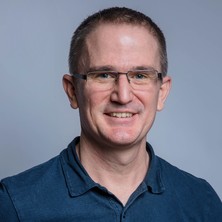
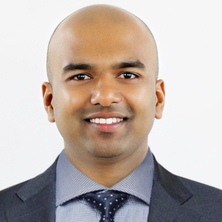
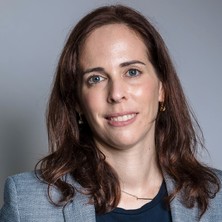
I completed a BSc (Hons) and a PhD at the University of Melbourne before undertaking post-doctoral research at the University of California, Berkeley, and the University of Texas MD Anderson Cancer Center, Houston. My research focused on marsupial and eutherian developmental biology. After 6 years in the US I returned to Australia to study Veterinary Science (BVSc) at the University of Queensland (UQ), going on to work in equine and small animal practice. A longing to get back into research lead to my current position as a Teaching & Research academic in the School of Veterinary Science, UQ. My lab has generated induced pluripotent stem cells (iPSCs) from dogs and horses that are being used to model diseases in vitro and as the basis for research into stem cell-based treatments for a variety of diseases. We have also produced iPSCs from the Tasmanian devil and the platypus, the first stem cells ever described from a marsupial and a monotreme, respectively, allowing us to pursue research directed at treating devil facial tumour disease, understanding marsupial and monotreme embryonic development, and the conservation of endangered species.
Education
BSc (Hons), University of Melbourne (1990)
PhD, University of Melbourne (1996)
BVSc (Hons), University of Queensland (2006)
Employment
Post-doctoral researcher, University of California, Berkeley, USA (1996-1997)
Post-doctoral researcher, MD Anderson Cancer Centre, Houston, Texas, USA (1997-2002)
Veterinary Surgeon (2006-present)
Lecturer, School of Veterinary Science, University of Queensland (2010-2017)
Affiliate Senior Research Fellow, Australian Institute for Bioengineering and Nanotechnology, University of Queensland (2016-present)
Senior Lecturer, School of Veterinary Science, University of Queensland (2017-2022)
Associate Professor, School of Veterinary Science, University of Queensland (2023-present)
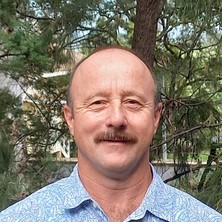
Luke Williams is a proud Gumbaynggirr man of northern NSW. Luke’s research primarily focuses on the traditional uses of native Australian plants with an emphasis on understanding how these plants can contribute to our modern food systems. This includes the promotion of traditional foods in Indigenous communities to improve food security and cultural wellbeing, through to supporting Indigenous businesses to lead the bush food industry, so that the nutritional and environmental benefits attributed to native plants can be enjoyed by all.
Luke’s PhD examined the dietary safety assessment of Australian native foods. He continues this line of research today using a mixed-methods approach that includes working with Traditional Custodians to understand histories of use and cultural context, while supporting consumer safety through the generation of quantitative evidence, such as toxicological endpoints and chemical analyses. Luke is currently expanding this work to develop new laboratory approaches for characterising biological activity and potential toxicity, including emerging non-animal and high-content screening tools to better understand safety and mechanism of action.
Luke sees the growing native foods industry as a culturally appropriate economic opportunity for Indigenous Peoples. However, he also recognises that if these foods and plant-based products are to be made widely available, development must occur under Indigenous leadership and be supported by robust scientific evidence to ensure they are safe for general consumption.
My research focuses on soil health in cropping and pasture systems, with particular expertise in soil carbon and soil organic matter dynamics, microbial ecology, and plant–soil interactions. I investigate how agronomic interventions influence soil functional processes and productivity, with the goal of reversing soil fertility decline and building healthier, more resilient soils. This work includes assessing the impacts of tillage, cover cropping, crop rotational diversity, nutrient management, and organic amendments on soil processes, crop development, and long-term system performance.
Teaching and education
I am committed to student‑centred, evidence‑based teaching that prepares graduates for contemporary agricultural practice. My teaching spans introductory to advanced agronomy, with a focus on aligning theory with hands‑on learning through lectures, tutorials, practicals, and field‑based activities. I coordinate and teach into courses including fundamentals of agriculture and cropping systems, and serve as Course Coordinator for an industry placement course, where students undertake structured work‑integrated learning experiences with agricultural and agri‑industry partners.
Across my teaching, I emphasise applied problem‑solving, quantitative skills, systems thinking, and graduate employability. I am particularly interested in curriculum design, constructive alignment, assessment for learning, and integrating research and industry context into agronomy education.
Affiliate of University of Queensland Centre for Hearing Research (CHEAR)
Centre for Hearing Research
Faculty of Health, Medicine and Behavioural Sciences
Associate Professor
School of Health and Rehabilitation Sciences
Faculty of Health, Medicine and Behavioural Sciences
Availability:
Available for supervision
Media expert
Wayne Wilson is an Associate Professor in the Discipline of Audiology at the School of Health and Rehabilitation Sciences, The University of Queensland (UQ). He holds a PhD and Post-graduate Diploma in audiology and a BSc(Hons) in auditory physiology. His research interests include listening and listening difficulties in children, the objective assessment of auditory function, and clinical competence in audiology. Wayne has published >110 papers in refereed scientific journals, 12 book chapters and 3 patents; has presented >325 papers at scientific conferences including 17 key-note/opening addresses; and has secured >35 competitive research grants totaling >AUD$4.2 million.
Queensland Alliance for Agriculture and Food Innovation
Availability:
Available for supervision
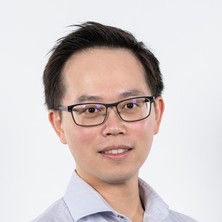
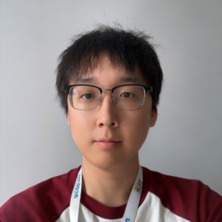
Dr Chao Xue is a food scientist specialising in food structure design, sensory quality enhancement, and the development of innovative food systems. His research spans a range of food products, including plant-based cheese, plant-based meat, and surimi-based products, with a particular focus on understanding how differetn food ingredients interact within complex matrices to influence structure, functionality, nutritional quality, and sensory perception. By integrating food material characterisation, instrumental analysis, and sensory science, Chao's research provides insights into the relationships between food structure, flavour release and eating quality. His work aims to support the development of foods with improved texture, flavour, nutritional value, and overall consumer acceptability.
Chao is particularly passionate about working with industry partners, food producers, and manufacturers to address practical product-development challenges. Through the application of advanced structural characterisation, analytical techniques, and sensory approaches, he works closely with industry to identify the mechanisms behind product performance and translate scientific understanding into practical strategies for developing higher-quality and more appealing food products.
Faculty of Health, Medicine and Behavioural Sciences
Availability:
Not available for supervision
Dr. Akila Wijerathna-Yapa is an interdisciplinary Biotechnology scientist and Postdoctoral Research Fellow at the Frazer Institute, University of Queensland, with over 12 years of expertise spanning Biochemistry, Molecular Biology, and Bioinformatics. Holding a PhD in Biochemistry from The University of Western Australia, an MSc in Molecular Biology from The Hebrew University of Jerusalem, an MBA from the University of Staffordshire, and B.Sc. (Hons.) Sp. Biotechnology from The Wayamba University of Sri Lanka, he brings a rare combination of deep scientific expertise and strategic project management insight to the life sciences.
Dr. Wijerathna-Yapa's research is defined by his ability to integrate advanced technologies—including mass spectrometry-based proteomics, peptidomics, metabolomics, lipidomics, NMR spectroscopy, and transcriptomics—to unravel molecular complexities and translate multi-omics data into actionable insights. His work spans molecular biology, cell culture bioprocess optimisation, clinical biomarker discovery, and spatial biology, with postdoctoral experience at The University of Queensland and Dalhousie University, and collaborative partnerships with leading research institutions across Sri Lanka, China, Israel, Australia, and Canada.
With a strong foundation in advanced statistical data analysis and a proven track record in project management and scientific communication, Dr. Wijerathna-Yapa bridges the gap between scientific discovery and practical innovation. He has authored over 25 peer-reviewed publications and has been recognised with prestigious international awards including the Australian Government Global Talent Independent visa and fellowships from the Higher Education Academy (FHEA, UKPSF). He is passionate about leveraging interdisciplinary knowledge to drive transformative advancements in biotechnology and life sciences.
I have a keen interest in the evolutionary relationships that underpin symbioses, particularly those involved in plant disease. There are countless examples of how diseases have impacted different crops throughout history, and this is an ongoing issue that deleteriously impacts food security. My research involves developing a better understanding of the epidemiology of plant diseases and pests, and delivering improved diagnostics and field management. Working with collaborators and international experts, my work involves research on a broad range of plants that are affected by bacteria, fungi, oomycetes, viruses, nematodes and arthropod pests. I have a strong interest in the biotic factors that govern soil health and the methods by which we can promote the development of beneficial microbial communities.
Trained as a veterinarian, Dr Yuen is a veterinary microbiologist with expertise in pathobiology, host-pathogen interactions, and immunology in infectious diseases. Currently, he is a veterinary virologist at the Elizabeth Macarthur Agricultural Institute within the NSW Department of Primary Industries and Regional Development, and holds an adjunct research fellow position at the School of Veterinary Science at UQ. While his current research focuses on vaccine development and immunology, he has active collaborations with academics in universities and research institutes in the areas of antimicrobial resistance, disease biomarkers discovery, epidemiology of emerging zoonotic diseases, and disease pathogenesis.
Queensland Alliance for Agriculture and Food Innovation
Availability:
Available for supervision
Media expert
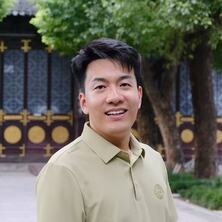
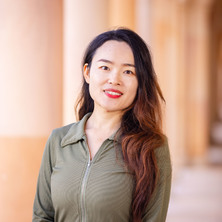
Jiale Zhang is a researcher in food science and nutrition at The University of Queensland, with expertise in functional foods, food processing, and bioactive compounds. My current work focuses on how food components change during processing, digestion, and fermentation, and how these changes influence nutrition, gut health, and product quality. I am also working on the product development.
My research brings together food chemistry, metabolomics, and microbiome science to better understand the relationship between food composition and health outcomes. I have worked extensively on Australian native fruits with a particular interest in developing value-added food products and sustainable food materials.
Queensland Alliance for Agriculture and Food Innovation
Availability:
Available for supervision
Dr Yan Zhao is an agricultural remote sensing and digital agriculture scientist specialising in the integration of Earth observation, artificial intelligence, crop modelling and climate information for crop monitoring and decision support. His research spans satellite, UAV and proximal sensing to quantify crop type, phenology, soil moisture, crop stress and yield across field to regional scales. He develops scalable spatial-data and machine-learning approaches to translate complex sensing and environmental data into practical agricultural information, working closely with growers, agribusiness, government and international research partners. His current research increasingly explores multi-source hyperspectral sensing and analytics for detecting crop stress and assessing crop productivity and grain quality.
The aim of Allie's research is to improve soil health for sustainable agricultural production and environmental protection. Her research spans the areas of plant-soil-microbe interactions, soil microbiology, nutrients cycling and the recylcing of organic wastes, currently focusing on (i) the development of advanced and novel methodologies for investigation of plant-soil-microbe interactions; (ii) dynamics of nutrients (N, P, K) and carbon in soils including greenhouse gas emissions; and (iii) soil carbon sequestration and persistence.
Rebeka R. Zsoldos is an animal biomechanist who graduated at the Animal Science Faculty of the University of Kaposvar/Hungary (2008). In Vienna/Austria, she then completed her PhD on the biomechanics of the equine cervical vertebral column at the Movement Science Group at the Veterinary University (2011), followed by her own collaborative research project titled “Generic Motion Models based on Quadrupedal Data” at the University of Natural Resources together with the Veterinary University and the University of Bonn/Germany (Multimedia, Simulation and Virtual Reality Group). During this time, she taught Animal Biomechanics to undergraduate and graduate students. Having completed the project, she continued work with her collaborators at the University of Bonn in Germany. After that she worked on a mathematical approach to the elastic behaviour and shape of the equine spine as a postdoctoral research fellow at the Computational Sciences Group, King Abdullah University of Science and Technology (KAUST) in Thuwal in the Kingdom of Saudi Arabia.