Faculty of Health, Medicine and Behavioural Sciences
Availability:
Available for supervision
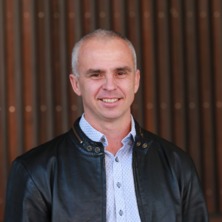
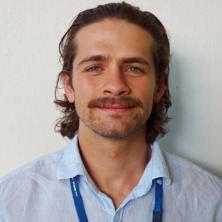
Associate Professor Spurling works at The University of Queensland General Practice Clinical Unit (0.4 FTE) and at the Southern Queensland Centre of Excellence in Aboriginal and Torres Strait Islander primary health care (Inala COE – 0.6 FTE). He has research interests in social determinants of health and access to primary health care, especially where his research skills can be of service to Aboriginal and Torres Strait Islander peoples. His other research interests are quality use of medicines and respiratory infections, with particular methodological interests in systematic reviews and mixed-methods research in general practice. His most recent research interest concerns access to opioid dependence treatment in general practice.
He completed medical training at the University of Queensland, did his junior doctor years in regional Queensland and completed a Diploma of Tropical Medicine and Hygiene in London in 1998. In 2001, he spent 12 months working on a project in Central America with Médecins Sans Frontières. He completed general practice specialty training with the RACGP in 2004, which included an academic registrar term. In 2004, he was fortunate to meet Professor Noel Hayman, one of Queensland’s first Aboriginal medical graduates and Clinical Director of the Inala COE, who offered him a GP position in 2004. He has shared his full-time work as a GP academic at the Inala COE and UQ GPCU ever since.
Associate Professor Spurling has developed clinical interests in serving the Aboriginal and Torres Strait Islander community in Inala, serving Spanish-speaking refugees, diabetic retinopathy, and, most recently, addiction medicine. He has been mentoring GP registrars and medical students at the Inala COE since 2004. As a member of the UQ GPCU academic staff, he regularly takes tutorial groups and lectures in cardiovascular medicine, respiratory infections, Aboriginal and Torres Strait Islander health and social determinants of health for medical students doing their general practice rotation.
Associate Professor Spurling supervises five postgraduate students (PhD students). He has been awarded over A$18M in research grants and has published over 80 peer-reviewed papers.
Faculty of Health, Medicine and Behavioural Sciences
Availability:
Available for supervision
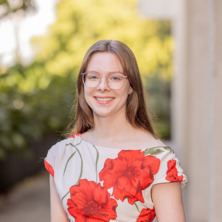
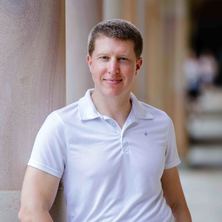
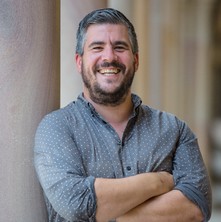
Dr Kitty St Pierre is a Lecturer within the School of Pharmacy and Pharmaceutical Sciences, and a Senior Research Pharmacist with Queensland Health. Her research interests include clinical pharmacy and medication management, particularly in the fields of kidney disease and stroke.
Faculty of Health, Medicine and Behavioural Sciences
Availability:
Available for supervision
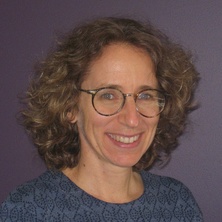
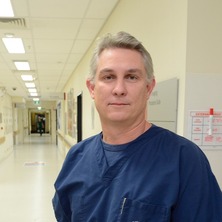
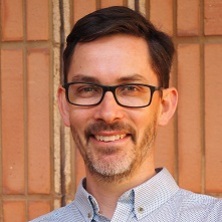
Christine graduated with a Bachelor of Pharmacy degree (honours class 1) from the University of Queensland in 1996.
She registered as a pharmacist in Australia in 1997 and in the United Kingdom in 2003 and has worked at the Redlands, Princess Alexandra and Wesley Hospitals in Brisbane and the Western Infirmary in Glasgow. In 2002 she was awarded a PhD from the University of Queensland, with a thesis focusing on improving usage of the immunosuppressant agent tacrolimus in solid organ transplant recipients.
In 2004 she was the recipient of a National Health and Medical Research Council (NHMRC) Neil Hamilton Fairley fellowship. This award enabled her to training overseas in the field of Pharmacometrics within the Department of Medicine and Therapeutics at the University of Glasgow (Scotland) and the Department of Pharmaceutical Biosciences at Uppsala University (Sweden).
On her return to Brisbane, Christine was the recipient of a Lions Medical Research Fellowship and was the chief investigator on a three year NHMRC Project Grant. She has also been a team member on an Amgen-Transplant Society of Australia and New Zealand Research Grant and a Cellcept Australia Research Grant. Over her research career Christine has attracted grants and awards totaling more than 2 million AUD from various funding agencies.
Research Interests
Christine has a wide range of interests in the fields of Quality Use of Medicine and Pharmacometrics. Her work to date has primarily been directed towards optimising usage of immunosuppressant drugs in solid organ transplant recipients and antibiotics in patients with life-threatening infections.
Christine has published over 120 peer reviewed papers and 150 conference abstracts on these topics. Her publications have been cited on more than 8200 occasions.
Christine has successfully supervised to completion fourteen higher research degree students and enjoys helping students meet their career goals.
Christine’s current projects include:
Individualising immunosuppressant therapy in autoimmune disease to improve patient outcomes
Comparing the efficacy and safety of continuous versus intermittent administration of beta-lactams in critically ill patients
Examining the relationship between immunosuppression and non-melanoma skin cancer in renal transplant recipients
Improving individualisation of immunosuppressant therapy in adult kidney transplant recipients
Improving gentamycin dosing in paediatric oncology patients
Examining tobramycin monitoring in cystic fibrosis patients in Australia and the United Kingdom
Investigating the relationship between prednisolone exposure and drug-related toxicity in paediatric and adult kidney transplant recipients
Comparing different therapeutic drug monitoring methods for dosage adjustment of once daily intravenous tobramycin treatment in children with cystic fibrosis
Projects currently available for interested research higher degree students include:
Dose optimisation of busulfan in paediatric bone marrow transplant recipients
Investigating the relationship between immunosupressant exposure and drug-related toxicity in transplant recipients
Examining Bayesian forecasting methods to predict immunosuppressant exposure
Examining the international use of immunosuppressant and anti-rheumatic drugs
Examining the influence of plasma exchange on immunosuppressant drug exposure
Christine invites potential honours and post-graduate students to contact her via email to discuss research opportunities.
Teaching interests
Co-ordinates:
PHRM3052- Biological Fate of Drugs
PHRM2500- Pharmacokinetics and Medicines Management
PHRM7001- Quality Use of Medicines, Drug Pharmacokinetics and Drug Pharmacodynamics
Faculty of Engineering, Architecture and Information Technology
Professor
School of Mathematics and Physics
Faculty of Science
Availability:
Available for supervision
Media expert
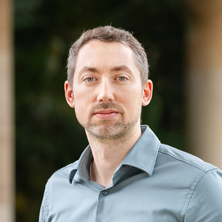
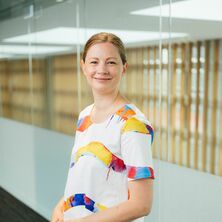
Professor Stace completed his PhD at the Cavendish Lab, University of Cambridge in the UK on quantum computing, followed by postdoctoral research at the Department of Applied Mathematics and Theoretical Physics, also at Cambridge, and Queens' College, Cambridge. Since 2006, he has held various ARC research fellowships, most recently a Future Fellowship (2015-2019).
His research topics include device physics for quantum computing solid-state and atomic systems, quantum error correction, and quantum measurement and precision sensing.
Professor Stace is the Deputy Director of the ARC Centre of Excellence in Engineered Quantum Systems (equs.org).
Director of Research of School of Chemistry and Molecular Biosciences
School of Chemistry and Molecular Biosciences
Faculty of Science
Professor
School of Chemistry and Molecular Biosciences
Faculty of Science
Availability:
Available for supervision
My work focusses on activation of innate immune cells by pathogen products. Following my PhD at UQ on transcriptional regulation in macrophages I went in 1996 to the University of Cambridge on a CJ Martin Fellowship to work in a molecular parasitology laboratory. I returned to the the University of Queensland in where I focussed on immune cell responses to foreign DNA. I was awarded an ARC Future Fellowship in 2009 to move to the School of Chemistry and Molecular Bioscience, where I also lecture in immunology.
Dr Jonathan Staggs is an entrepreneurship and innovation scholar who has been published in top-tier journals such as the Administrative Science Quarterly, Organization Studies, and the Cambridge Journal of Economics. Jonathan holds a BA (Hons) in Political Science/international Relations, an MBA, and PhD in Business.
Jonathan’s research has examined entrepreneurship within institutional settings and has explored the role of place in innovation processes. His post-doctoral research in the energy and health sector as well as craft and family business focusses on the actors and institutions that support and sustain entrepreneurial ecosystems.
Jonathan’s teaching practice has a strong focus on case study research that highlight the importance of stakeholder engagement in strategy. Jonathan has strong postgraduate business program leadership experience, developing teaching teams, and designing courses that are based on strong ethical foundations and processes to inform strategic practice.
Prior to his academic career, Jonathan worked in senior positions with Gaba Corporation- a Japanese education company. His roles included corporate training, recruitment, and quality management. This experience demonstrates Jonathan's business knowledge and capacity to manage and lead in diverse workplaces.
Affiliate of Centre for Digital Cultures & Societies
Centre for Digital Cultures & Societies
Faculty of Humanities, Arts and Social Sciences
Associate Professor
School of Education
Faculty of Humanities, Arts and Social Sciences
Availability:
Not available for supervision
Media expert
Associate Professor Stahl's research interests focus on the relationship between education and society, socio-cultural studies of education, student identities, equity/inequality, and social change. Currently, his research projects and publications encompass theoretical and empirical studies of youth, sociology of schooling in a neoliberal age, gendered subjectivities, equity and difference as well as educational reform.
To date his scholarship has focused upon:
· Social and educational inequalities
· Learner Identities
· Student mobilities
· Masculinities
· Widening participation
He holds a PhD in Education (University of Cambridge), a Masters degree in International Education (New York University) and a Bachelors Degree in Secondary Education and English (Indiana University). He is a member and former SIG Convener for the Australian Association of Researchers in Education (AARE) and the American Educational Research Association (AERA).
Associate Professor Stahl was awarded a Discovery Early Career Researcher Award (DECRA) from the Australian Research Council (2017-2019) where he researched the relationship between extreme disadvantage, masculinities and widening participation (DE170100510). In 2019, he was ranked by The Australian newspaper as one of the top 40 researchers in Australia who were less than 10 years into their career. Dr. Stahl is particularly interested in qualitative research methods, visual research methods and ethnography. At the University of Queensland, Dr. Stahl's teaches at the Undergraduate, Masters and PhD levels.
Recently, he was awarded two ARC Discovery projects: Including the voice of boys and young men in their health and well-being education (DP250102623) and Investigating how boys and young men experience their digital lives (DP250104014).
His research has been published in a range of international journals, including the Pedagogy, Culture and Society, the Journal of Educational Policy and Gender and Education. His books include Identity, neoliberalism and aspiration: educating white working-class boys (2015, Routledge), Ethnography of a neoliberal school: building cultures of success (2018, Routledge), Working-class masculinities in Australian higher education: policies, pathways and progress (2021, Routledge) and Gendering the First-in-Family Experience: Transitions, Liminality, Performativity (2022, Routledge) co-authored with Sarah McDonald.
He has held leadership positions in the American Educational Research Association (AERA) and the Australian Association for Research in Education (AARE).
Prior to working as a researcher, Stahl taught in secondary schools in the United Kingdom and the United States.
Faculty of Health, Medicine and Behavioural Sciences
Availability:
Available for supervision
Assoc Prof Andrew Staib is an internationally recognised academic leader in emergency medicine. He has led multiple large scale research and transformational projects including the analysis of over 16M episodes of emergency care, the digital transformation of emergency workflows in Queensland hospitals and the development of tools to predict emergency wait times. His work has been published in international journals and he is regularly asked to present at national and global meetings. He has established large and enduring systems to improve emergency care such as dashboards display metrics for monitoring emergency care, systems for virtual emergency care across Queensland, clincial immersion programs for UQ medical students and the application of emerging technologies such as artificial intelligence to emergency care. Assoc Prof Staib is the recipient of several national awards including the national iaward for innovation for his work in emergency care data. Assoc Prof Staib is skilled at creating and maintaining high performing teams as is evidenced by his roles as Senior Director of Emergency Care for Metro South Health and Chair of the Queensland Emergency Department Advisory Panel.
Zoe Staines (she/her) is Senior Lecturer and Director of Research in the School of Social Science at The University of Queensland. Her deeply interdisciplinary research spans social policy, sociology, and criminology, examining gender and work, care, welfare conditionality, and (de)coloniality with particular attention to structural injustice. She has published four books (including with leading publishers, Routledge and Policy Press) and dozens of journal articles, 85% of which are in Q1 journals and 21% of which are in journals ranked well within the top 10% globally (e.g., Policy Studies–top 2%, Sociology–top 4%). Her research has received multiple prizes and awards, including an ARC DECRA (2020-2023), the Australian and New Zealand Society of Criminology's 'best book in criminology' prize (2025), the John Mayer best article in Aus Journal of Political Science prize (2022), a Whitlam Institute Research Fellowship (2023), and UQ's competitive Foundation Research Excellence Award (2023).
Zoe is an elected board member for Australia's national Council for Humanities, Arts, and Social Sciences (CHASS), Chair of the Organising Committee for the 2026 Australian Social Policy Conference, Deputy Chair of the Australian Basic Income Lab, and an invited mentor for the International Association for Feminist Economics where she works with a group of eight mentees from across the Asia-Pacific region. She also served as Associate Editor and then Co-Editor of the Australian Journal of Social Issues (Q1) between 2019-2025. Before entering academia, Zoe held senior research and policy roles in government and the non-profit sector, and she remains committed to research with translational impact on policy and practice.
Zoe is recipient of a 2024 Australian Award for University Teaching (AAUT) and a 2023 UQ Citation for Outstanding Contributions to Student Learning, for 'co-creating imaginative, innovative, and engaging new resources for social science students to become effective social change agents'. She teaches into UQ's Bachelor of Social Science, Bachelor of Arts, and Bachelor of Criminology and Criminal Justice, while also sitting on the Bachelor of Social Science Program Committee. Zoe also currently supervises nine PhD students undertaking projects that span welfare conditionality, social policy, social housing, gender and work, work platformisation, artificial intelligence and future of work, and international human rights and law. She has been twice nominated for a UQ School of Social Science Excellence in Research Mentorship award.
Faculty of Health, Medicine and Behavioural Sciences
Availability:
Not available for supervision
Janet Stajic is a Yidinji–Jirrbal woman of Far North Queensland who grew up in Brisbane. With 17 years’ experience in Aboriginal and Torres Strait Islander health, Janet has worked as an Aboriginal Health Worker, in program management, policy, and research across the Aboriginal community-controlled, public, non-profit, and university sectors. With over a decade of research experience, Janet has contributed to projects spanning chronic disease, blood borne viruses, health services research, program evaluation, and workforce. Her doctoral research explored the racialisation of the Aboriginal and Torres Strait Islander Health Worker and Practitioner workforce, its positioning within the health system, their conceptualisations of care, and the limitations of the health system in supporting this workforce. Janet currently works for the University of Queensland Poche Centre for Indigenous Health as a Research Fellow and is a Professional Ambassador for the National Association of Aboriginal and/or Torres Strait Islander Health Workers and Practitioners.
I'm a quantitative community ecologist with broad experience across terrestrial and marine systems, modern and geological time, local and global scales with both theoretical and practical focus. I'm driven by discovery, interested in myriad topics on how communities form and function, but particularly how we measure and make comparisons between communities.
Translating anomaly detection to ecology: In a world experiencing climate change, biodiversity loss and other human impacts, detecting anomalous ecological systems accurately and early potentially offers vast benefits to conservation and ecosystem management. Anomaly detection is a fast-moving area of research applied in fields as varied as banking fraud detection, cybersecurity and cancer diagnosis. These fields deal with data as complex and incomplete as ecology, but we haven't plumbed this expertise for benefits to ecology. This is the primary focus of my DECRA.
Grounding ecological novelty for practical use: Ecologists have been talking about novel systems for twenty years, and related topics (such as "no-analog systems") for even longer. Despite well-cited work on how "novel" can be a useful label for ecological restoration, there's a mismatch between management frameworks, which often use ad-hoc qualitative criteria, and quantitative novelty research, which has been mostly performed at global scales. Understanding how to measure novelty, how analytic choices affect measurements, and how to downscale our inferences to be practicable, has been a focus for me and my colleagues.
The linguistic evolution of programming languages: The use of scientific programming languages like R, Python and Julia are becoming not only popular, but mandatory skills for researchers. The utility of these languages has been improved by new versions and a plethora of community-created addon packages. This approximates features of natural language evolution, where lexicon changes over time. Understanding the speed and direction of how programming languages evolve can give us a unique insight into how humans learn and alter languages, and how we might ensure they remain understandable into the future. I am currently using GitHub as a vast repository of time-stamped programming “texts”, ripe for linguistic analysis.
Community ecology through the lens of functional traits: It doesn’t matter who you are, it matters what you do. That applies to organisms too. Despite decades of research into how physiology and life history strategy, often proxied through easy-to-measure “functional traits”, functional ecology is still more niche than it should be. Currently my colleagues and I are exploring how a functional lens alters ecological novelty, but I am always thinking about ecology in the light of how organisms live.
School of Political Science and International Studies
Faculty of Humanities, Arts and Social Sciences
Availability:
Available for supervision
Alastair is a public policy scholar, a crisis management expert and has an ongoing interest in the institutionalization of participatory modes of governance. His current policy research examines the role that institutional amnesia plays in the policy process, his crisis management research has been focused upon the relationship between public inquiries and lesson-learning, and in relation to participatory governance, he is currently examining the validity of different forms of deliberative democracy in the context of Australian environmental policy. Alastair has published widely in high-ranking international journals and is the recipient of the Mayer Prize (best paper in the Australian Journal of Political Science) and the Lasswell Prize (best paper in Policy Sciences). He has authored three books, won three large-scale Australian Research Council Discovery grants and is always looking for outstanding students who may be interested in completing PhDs in relation to the topics outlined above.
Faculty of Health, Medicine and Behavioural Sciences
Associate Professor and NHMRC Emerging Leadership Fellow
Frazer Institute
Faculty of Health, Medicine and Behavioural Sciences
Availability:
Available for supervision
Media expert
Associate Professor Mitchell Stark is a molecular biologist and Group Leader (Principal Research Fellow) from the Dermatology Research Centre (DRC) based at the Frazer Institute, The University of Queensland (UQ; Brisbane, Australia). He leads the pre-melanoma genomics program at the Frazer Institute and his group has extensive experience in the use of next-generation sequencing, spatial transcriptomics, bioinformatics, and functional analysis for a variety of applications. The Stark Lab’s major research streams include: miRNA biomarkers for melanoma progression and the development a Genomics Atlas of pre-skin cancer lesions, which aim to provide to greater understand melanoma progression from naevi and early invasive melanoma, with a goal to discover novel predictive biomarkers that offer increased precision to the clinical management of patients.
He has been engaged in melanoma and nevus research for 25+ years and over this time he has been working towards understanding the aetiology of melanoma, studying gene dysregulation during tumor progression along with predisposition to melanoma in families with high risk for melanoma development. Dr Stark has a total of 102 career publications including 1 book chapter, 88 journal articles, 12 reviews/perspectives and 1 patent (WO/2016/029260) which have been cited a total of 7,053/10,208 times (Scopus/Google; h-index: 38/44) and has published in respected journals such as Nature, Nature Genetics, Cancer Research, and Journal of Investigative Dermatology. He has been awarded a career total of ~$10M as an Investigator (PI/co-PI/co-Investigator) including a prestigious NHMRC Peter Doherty Early Career Research Fellowship (2016-2019) and a recent NHMRC Investigator award (2025-2029), along with several research grants as Principal Investigator (e.g., Advance QLD Innovation Partnership, Department of Defence CDMRP – Melanoma Research Program).
Affiliate of Centre for Innovation in Pain and Health Research (CIPHeR)
Centre for Innovation in Pain and Health Research
Faculty of Health, Medicine and Behavioural Sciences
Availability:
Available for supervision
Dr Hana Starobova is a pharmacist and NHMRC Investigator Fellow at the Institute for Molecular Bioscience, The University of Queensland. Her research addresses a critical challenge in cancer survivorship: how to prevent the pain, nerve damage and other lasting neurological complications of cancer treatment, particularly in children.
Working within the Sensory Neuropharmacology Group alongside Professor Irina Vetter, Dr Starobova leads a research program investigating how age, immune responses and treatment regimens influence neurological injury and recovery. Her work connects neuroimmune mechanisms with the development of therapies that protect the nervous system while preserving anticancer efficacy. A central focus is understanding why some patients recover after treatment while others experience persistent sensory, cognitive and motor difficulties.
Since completing her PhD at UQ in 2020, Dr Starobova has established experimental models of single and combination chemotherapy and radiotherapy across developmental stages, supported by advanced imaging, transcriptomic analysis and functional assessments. Her research integrates mechanistic discovery with pharmacological intervention and collaborations spanning cancer biology, clinical care and consumer involvement.
Previously a Children’s Hospital Foundation Fellow (2021–2023), she now holds an NHMRC Investigator Fellowship (2024–2029). Her overarching goal is to ensure that surviving cancer also means living well, with effective strategies to prevent long-term neurological disability.
Affiliate Associate Professor of Queensland Brain Institute
Queensland Brain Institute
Faculty of Health, Medicine and Behavioural Sciences
ARC Mid-Career Industry Fellow
Child Health Research Centre
Faculty of Health, Medicine and Behavioural Sciences
Affiliate of ARC COE for Children and Families Over the Lifecourse
ARC COE for Children and Families Over the Lifecourse
Faculty of Humanities, Arts and Social Sciences
Availability:
Available for supervision
Media expert
Associate Professor Sally Staton is an applied developmental scientist whose research focuses on how early life experiences, environments, and the systems that support children shape lifelong learning, development, brain health, and wellbeing. As an ARC Mid-Career Industry Fellow and Leader of the Brain Health and Early Development Research Group at The University of Queensland's Child Health Research Centre, she works at the intersection of developmental science, policy, and practice to generate and translate evidence to support children, families, and communities.
Her research examines how early experiences and the physical and social environments in which children and families live, learn, and grow influence health and development across the life course. A major focus of her work is understanding how early childhood education and care (ECEC) environments, sleep, and the design of physical and interactional spaces support children's development. She currently leads the ARC-funded Building Futures project, which is generating evidence to inform the design of early childhood learning environments, and recently completed the STARs study, a landmark longitudinal investigation of sleep development in children aged 1–5 years.
Working closely with governments, educators, non-government organisations, communities, and philanthropic partners, Sally co-designs and translates research to inform policy, practice, and systems change. She also leads the Brain Builders Initiative, a major research and translation program focused on applying contemporary knowledge of brain development across the systems and workforces that support children and families.
Sally has authored more than 200 publications and research outputs. Her work has informed national and international policy and practice, including reforms to Australian early childhood legislation and contributions to policy recommendations from organisations including the OECD and WHO. In recognition of her research impact and science communication, she was named one of Australia's Young Tall Poppy Scientists and invited to participate in the United Nations Science Summit on Brain Health. Her overarching goal is to ensure that research is translated into practical action that helps children, families, and communities thrive.