Faculty of Health, Medicine and Behavioural Sciences
Availability:
Available for supervision
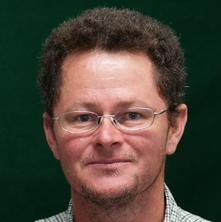
Karl Winckel is a conjoint pharmacist working between the School of Pharmacy and Pharmaceutical Sciences Unversity of Queensland and the Princess Alexandra Hospital. Karl is an Advanced Practice credentialed pharmacist (stage 3) with clinical pharmacy experience in a wide range of clinical areas including cardiology, general medicine and care of the elderly. However Karl's main interest lies in education and training. Karl has coordinated and continues to coordinate training for doctors, pharmacists and nurses at the Princess Alexandra Hospital, and teaches into undergraduate and postgraduate clinical pharmacy courses at the University of Queensland. Karl co-coordinates 25-28 undergraduate student research project placements per year at the Princess Alexandra Hospital pharmacy department. Karl has co-authored 19 journal article and 1 book chapter in the last 5 years. Karl is also heavily involved in clinical education and training seminars with Advanced Pharmacy Australia (AdPha) , also known as the Society of Hospital Pharmacists Australia (SHPA). Karl's research interests lie primarily in the clinical use of clozapine, and anticoagulants.
Faculty of Health, Medicine and Behavioural Sciences
Availability:
Not available for supervision
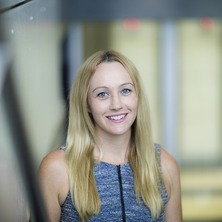
Dr Kate Wingrove is a Research Fellow with a PhD in Public Health Nutrition. Kate works collaboratively to inform policies and practices that promote food security, health and wellbeing, particularly in regional and remote communities.
Faculty of Health, Medicine and Behavioural Sciences
Availability:
Available for supervision
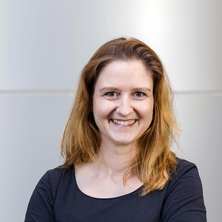
Associate Professor Ingrid Winkler is a Senior Research Fellow and head of the Stem Cells and Cancer group at Mater Research Institute - the University of Queensland, Brisbane, Australia.
A/Prof Winkler’s research focuse is understanding how micro-environments in the body protect and control normal and/or malignant stem Cells. Her innovative stem cell niche research has been recognised as among ten of the best research projects in Australia (by National Health and Medical Research Council) with patents and clinical translation.
A/Prof Winker's current research explores how stem cell niches change with ageing, inflammation, cancer therapy or radiation damage, with view to identify key detrimental niche components involved. This knowledge may be used to develop novel treatment strategies to improve cancer therapy outcomes, alleviate adverse cancer therapy side-effects that currently affect up tp 80% of Australian cancer therapy patientts plus facilitate healthier old age.
Beck Wise teaches and researches in professional, technical and academic writing, with specialisations in the rhetoric of science, multimodal writing, writing in digital environments, and feminist rhetorics.
Interim Director, Gas & Energy Transition Research Centre
Faculty of Engineering, Architecture and Information Technology
Affiliate of UQ Centre for Natural Gas
UQ Gas & Energy Transition Research Centre
Faculty of Engineering, Architecture and Information Technology
Availability:
Available for supervision
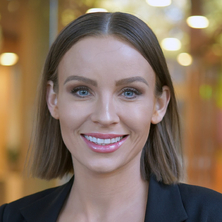
Dr Kathy Witt is an internationally-recognised senior social science researcher and currently an Advance Queensland Fellow at the UQ Centre for Natural Gas. Previously working in the areas of environmental and community change for the Queensland Government, Kathy went on to receive her PhD in 2013 before joining UQ-CNG’s Social Performance research team in 2014. Kathy specialises in the social dimensions of land use, natural resource management and energy technologies and transition, particularly in relation to sustainable regional development.
With degrees in Environmental Management (Natural and Rural Systems Management)/ Sociology from UQ's Gatton and St Lucia campuses, she is an inter-disciplinary researcher fluent in both environmental and social sciences. She applies ‘socio-ecological systems’ approaches to her research.
Leading the UQ-CNG Social Performance team, Kathy currently studies the cumulative social and economic effects of energy development for local communities, and non-technical risks. Her recent work focusses on social acceptance and ‘social licence’ across a range of industries and technologies, including the cattle industries, future fuels, hydrogen, carbon capture, use & storage and utility-scale renewable energy. Through her work Kathy has fostered mutually trusting and enduring relationships with different stakeholders including in the agricultural and energy sectors. She has collated and analysed longitudinal data on town and regional social and economic indicators alongside community members’ own interpretations of lived experience.
While currently in a research-focussed position, Kathy has previously lectured in Effective Stakeholder Engagement, Environment and Community, Global Challenges in Agriculture, Non-Technical Risks and Sustainable Energy.
Kathy’s excellent understanding of participatory research methods and ability to apply approaches from different academic specialisations, is combined with an ability to engage with diverse stakeholder groups.
Having started in animation in the 80s Bradd made the move to science with his studies at The University of Queensland. After completing his PhD Bradd worked as a Post-Doctoral Research Fellow. He has been employed at The University of Queensland since 2000.
His research interests are in agriculture and sustainability with a focus on how industry engages with changing societal expectations.
Faculty of Health, Medicine and Behavioural Sciences
Availability:
Available for supervision
Kate is a mental health academic and practitioner with particular interests in women's wellbeing and neurodiversity. Her recent research activities have focused on exploring the lived experiences of women with an adult diagnosis of ADHD, and she is currently engaged in a number of projects exploring various facets of those experiences, including the impact of hormones, the interplay between ADHD and trauma, and therapeutic approaches that are well-suited to supporting women with ADHD.
Affiliate of Centre for Extracellular Vesicle Nanomedicine
Centre for Extracellular Vesicle Nanomedicine
Faculty of Health, Medicine and Behavioural Sciences
Senior Research Fellow
Frazer Institute
Faculty of Health, Medicine and Behavioural Sciences
Availability:
Available for supervision
Media expert
Dr Julie Wixey is a Senior Research Fellow at the Perinatal Research Centre and Group Leader in perinatal brain development research at The Frazer Institute, The University of Queensland. She currently holds an NHMRC Investigator grant. Her research focusses on mechanisms, detection, and treatment of brain injury in fetal growth restricted babies.
Fetal growth restriction (FGR), where a fetus fails to grow normally in utero, is a leading cause of death and long-term disability with around 32 million babies born FGR globally each year. The fetal brain is particularly vulnerable to FGR conditions, and adverse outcomes cause life-long difficulties ranging from schooling and behavioural issues to cerebral palsy. These disabilities occur in up to 50% of FGR infants and have significant impacts on their lives. There is no treatment to protect the FGR newborn brain.
Dr Wixey is investigating how inflammation is associated with brain injury in the growth restricted newborn. She is examining novel detection methods of brain injury and applying different treatments to the clinically relevant growth restriction animal model, targeting both inflammation and blood brain barrier integrity to protect the vulnerable newborn brain.
Research Projects
• Mechanisms of brain injury in growth restriction
• Novel detection methods of brain injury in the growth restricted newborn using blood biomarkers
• Treatments to protect the growth restricted newborn from adverse brain outcomes
Dr Juliane Wolf is a microalgae specialist and manages the Centre for Solar Biotechnology (CSB) Pilot Plant since 2020. Her research focus is on the development of high-efficiency microalgae production systems and automated robotic screening systems. Her work has played an integral role in the establishment of the Centre for Solar Biotechnology (CSB) for which she provides scientific expertise in bioprocess engineering (bioreactor scale up and operation, process design and development), biology (bio-prospecting, optimisation of culturing and production conditions, physiology) and biochemistry. Her research drives the development of high-throughput screening assays for the optimisation of nutrients, light and temperature which are critical to up-scaling the production of photosynthetic microorganisms. Her projects focus on the integration of microalgae biotechnologies into industries that support a circular bioeconomy by building comprehensive techno-economic and life-cycle analysis platforms. Another focus area is the design of SMART process automation strategies for microalgae production concepts, leading interdisciplinary teams to drive the development of data-driven models (incl. machine learning techniques) to optimise process design and control to build digital twins.
Dr Juliane Wolf obtained her Bachelor degree in Biotechnology/Bioprocess Engineering (Anhalt University of Applied Science, Germany, 2008) and completed her Master degree in Biotechnology (Westaehlische Wilhelms Universitaet Muenster, Germany, 2010), followed by a PhD at the Institute for Molecular Bioscience (The University of Queensland, Australia, 2015). She continued as a postdoctoral researcher at the Centre for Solar Biotechnology (UQ) with a focus on industry-led projects. From 2018-20 she took a researcher career break to look after her children and work as an international industry consultant.
Affiliate of Centre for Motor Neuron Disease Research
Centre for Motor Neuron Disease Research
Faculty of Health, Medicine and Behavioural Sciences
Affiliate of Centre for Cardiovascular Health and Research
Centre for Cardiovascular Health and Research
Faculty of Health, Medicine and Behavioural Sciences
Affiliate of Centre for Extracellular Vesicle Nanomedicine
Centre for Extracellular Vesicle Nanomedicine
Faculty of Health, Medicine and Behavioural Sciences
Principal Research Fellow
School of Chemical Engineering
Faculty of Engineering, Architecture and Information Technology
Group Leader
Australian Institute for Bioengineering and Nanotechnology
Availability:
Available for supervision
Media expert
Associate Professor Joy Wolfram leads an extracellular vesicle research program (24,600+ citations) with the goal of developing innovative approaches that bring the next generation of medicines directly to the clinic to alter the trajectory of life-threatening diseases, improve patient outcomes, and prolong healthy lifespans. Wolfram has joint appointments in the School of Chemical Engineering and the Australian Institute for Bioengineering and Nanotechnology at The University of Queensland, Australia (ranked 43rd globally by U.S. News & World Report). She also serves as the Research Director of the Herston Biofabrication Institute, a partnership with Metro North Health, the largest and most diverse hospital and health service in Queensland.
MISSION
1) Develop a new paradigm of therapeutics (using nanotechnology and cell products) to treat life-threatening diseases that are major causes of death globally, including cardiovascular disease, kidney disease, and breast cancer
2) Save lives by manufacturing at scale, by delivering national manufacturing innovation and a skilled workforce
3) Work with a multidisciplinary team and industry partners to position Australia as a global leader in extracellular vesicle medicine
Extracellular vesicles are small biomolecular packages that are crucial for intercellular communication (locally and systemically). Extracellular vesicles have promising potential to be leveraged and engineered to provide a new paradigm of therapeutics that outperform conventional pharmaceuticals due to versatile bioactive cargo. The Wolfram Laboratory is leveraging innovations in manufacturing, biological mechanisms, and drug loading of extracellular vesicles to develop therapeutics.
FOCUS AREAS
1) Developing improved methods for extracellular vesicle isolation from human biofluids
2) Designing hybrid drug delivery systems with extracellular vesicle and synthetic components for a ‘best-of-both-worlds’ approach to treat cardiovascular disease and aging kidney disease
3) Understanding the role of extracellular vesicles in cancer immunoevasion and metastasis
The research program has resulted in more than 100 publications in journals, such as, Nature Nanotechnology, Materials Today, and Nature Reviews Materials. The Wolfram Laboratory has collaborated with 160 universities and industry partners across 45 countries (Scopus). The research program has also been featured in more than 100 invited and keynote talks.
Wolfram is actively involved in community outreach and education, including in her previous roles as the Chair of an education and outreach working group of the National Institutes of Health in the United States and the Associate Program Director of the PhD Program in Regenerative Sciences at Mayo Clinic (ranked 1st globally by Newsweek). As a TED speaker, she strives to bring science to a wide audience.
She has received 49 awards from nine countries, including the 2016 Amgen Scholars Ten to Watch List (best and brightest up-and-comers in science and medicine across 42 countries), the 2019 Forbes 30 under 30 list in Health Care in the United States/Canada, the 2019 shortlist for the Nature Research Award for Inspiring Science (one of ten worldwide), and the 2021 Finnish Expatriate of the Year (past recipients include Nobel Memorial Prize winners, Millennium Technology Prize winners, and Formula 1 drivers). In the past five years, she is ranked in the top 1 percent of researchers in fields such as, extracellular vesicles, cancer, drug delivery, biology/biochemistry, and pharmacology/toxicology (Essential Science Indicators SciVal and Scholar GPS).
Faculty of Health, Medicine and Behavioural Sciences
Senior Group Leader
Australian Institute for Bioengineering and Nanotechnology
Availability:
Available for supervision
Media expert
Professor Wolvetang is an international leader in the area of pluripotent stem cell biology and human functional genomics. he initiated and leads Cell Reprogramming Australia, a collaborative framework that facilitates induced pluripotent stem cell research in Australa and is co-director of the UQ Centre in Stem Cell Ageing and Regenerative Engineering (StemCARE). He has extensive expertise in reprogramming somatic cells, differentiation and tissue engineering with adult, embryonic and induced pluripotent stem cells, genome manipulation with CRISPR, molecular biology, transcriptome analysis, high content image analysis, development and use of microfluidic devices for cell analysis, nanoparticle and scaffold design and delivery, and stem cell and cell-free regenerative medicine approaches.Professor Wolvetang has been instrumental in establishing and enabling the technology for derivation of induced pluripotent stem cells across Australia. Professor Wolvetang made the strategic decision to focus on the generation of induced pluripotent stem from patients with neurological and cardiac disorders because live human cells from such patients can usually not be obtained whereas induced pluripotent stem cells have the ability to generate every cell type of the human brain in unlimited amounts and can recapitulate the disease in the dish. Induced pluripotent stem cells combined with emerging technologies such as CRISPR-based genome editing offers a unique opportunity to study the role of individual genes and combinatorial gene regulatory pathways in the eatiology of monogenic and complex brain disorders. Indeed, combined with RNA-seq and organoid generation we are now for the first time able to gain insight into gene regulatory pathways operational in individual brain cell types of healthy and diseased individuals, investigate the connectivity and function of cells, as well as pinpoint where and when during early development such deregulated pathways lead to pathological changes. Induced pluripotent stem cells further not only provide insight into the underlying pathogenesis of neurological disorders but also constitute a valuable drugscreening platform and, following CRISPR-based gene correction, can form the basis of patient specific cellular therapies for currently incurable diseases.
Professor Wolvetang received his PhD in 1992 from the Department of Biochemistry, University of Amsterdam for his original work on peroxisomal disease (6 papers). He undertook postdoctoral studies at the Department of Biochemistry and the Institute for Reproduction and Development of Monash University, investigating apoptosis, Down syndrome and Ets transcription factors, respectively, obtaining the first evidence for an intra-chromosomal regulatory loop on chromosome 21 involving Ets2 (3 papers), and revealing the role of p53 in immune-suppression in Down syndrome (Hum Mol. Genetics). He then joined Prof Martin Pera in the Australian Stem Cell Centre in 2003 to pioneer human embryonic stem cell research in Australia, resulting in a first author Nature Biotechnology paper in 2006 identifying CD30 as a marker for genetically abnormal hESC (72 cites). He was appointed group leader of the Basic human stem cell biology laboratory in the ASCC research laboratory and senior lecturer in the Department of Anatomy and Cell biology until he accepted his current position as an independent group leader at the AIBN and Professor in stem cell biology at the University of Queensland in 2008. There he started to generate integration-free induced pluripotent stem cells from human neurological diseases such as ataxia-telangiectasia (Stem cells translational medicine). In recognition of his leadership role in this area of research he was appointed leader of the “Reprogramming and Induction of pluripotency” Collaborative Stream of the Australian Stem Cell Centre until the end of that initiative in 2011, coordinating collaborative research between eight stem cell laboratories across Australia. He subsequently initiated and is now the president of Cell Reprogramming Australia, a collaborative framework aiming to facilitate and accelerate iPS cell research in Australia and the Asia pacific region and inform the general public about reprogramming technology. His research continues to combine cell reprogramming technology, genome editing/analysis tools and microfluidic/nanoparticle based detection/ delivery technologies with the aim of creating human in vitro models of disease, unravel the underlying gene regulatory networks and enable novel cell- and delivery-based therapeutics, respectively. He further co-direct the UQ-Centre for stem cell ageing and regenerative engineering (UQ-StemCARE).
Wing-Fai is a multidisciplinary scholar with a PhD in History. He holds academic qualifications and professional skills in computer engineering, electronic commerce, built environment and design. Originally, he was an information technology professional with a strong interest in Chinese metaphysics practised in Australia. While working in IT in various universities he continued to undertake research on Chinese geomancy (fengshui 風水) and chronomancy (zeri 擇日) in the everyday lives of Chinese Australasians. His research interest is in the ritual revolution of Chinese metaphysical culture due to the influence of cross-cultural interaction. At present he is an Honorary Fellow in the School of Historical and Philosophical Inquiry. His current research focuses on cross-cultural influences in the metaphysical contents of the Dunhuang manuscripts.