Faculty of Health, Medicine and Behavioural Sciences
Availability:
Not available for supervision
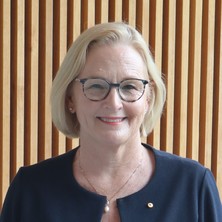
Judith Greer is an immunologist with a strong interest in the nervous system and autoimmune diseases affecting the nervous system.
She is a graduate of the University of Queensland, having completed her PhD on cancer immunology. She then undertook postdoctoral training at Harvard Medical School in the USA, during which time her interests shifted towards immune responses and interactions within the nervous system (neuroimmunology), an area in which she has worked ever since. She isa Principal Research Fellow at the UQ Centre for Clinical Research, located at the Royal Brisbane & Women's Hospital.
Her research is directly particularly towards trying to identify brain components that are targetted by the immune system in people with a variety of disorders, particularly multiple sclerosis (MS), which is traditionally thought to be an autoimmune disease, but also in psychosis, where we are now starting to understand that autoimmune targetting of the brain can play a role in some patients. She is interested in how the specificity of autoimmune responses within the nervous system relates to the symptoms experienced by patients, and in developing new ways to specifically turn off the damaging immune responses in the brain. Another focus of her research is to improve on pre-clinical models of MS, so as to enhance the translation of new therapeutic approaches for MS to the clinic.
Judith is also interested in research training, and held leadership positions in this area in the School of Medicine and the Faculty of Medicine at UQ from 2000 - 2023. She is also committed to improving the field of neuroimmunology, and has been a member of the International Advisory Board of the International Society for Neuroimmunology and is the Asia-Pacific representative for the Global Schools of Neuroimmunology. Judith co-founded a society, Neuroimmunology Australia, to better support those working in this field, and was Convenor and Chair of the 14th International Congress of Neuroimmunology, which was held in Brisbane in 2018 (the only time this congress has been held outside of the Northern Hemisphere).
Conjoint Head, Mater Clinical Unit and Principal Specialty Supervisor, Medicine and Director of Infe
Medical School (Greater Brisbane Clinical School)
Faculty of Health, Medicine and Behavioural Sciences
Availability:
Available for supervision
Media expert
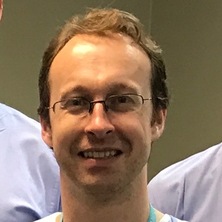
Associate Professor Paul Griffin is the Director of Infectious Diseases at Mater Health Services in Brisbane and Associate Professor of Medicine at the University of Queensland Medical School. He has fellowships in Infectious Diseases from the Royal Australasian College of Physicians, in Clinical Microbiology from the Royal College of Pathologists of Australasia and from the Australasian College of Tropical Medicine.
Paul is the Principal Investigator and Medical Director at Nucleus Network, a specialized contract research organisation specializing in early and late phase trials in infectious diseases where he has been the principal investigator on in excess of 125 clinical trials, predominantly in Infectious Diseases including novel vaccines and Malaria human challenge studies. This includes 8 vaccines for COVID-19 and a number of COVID-19 therapies.
As a Clinical Microbiologist, he maintains an active interest in diagnostic microbiology with a focus on clinical applications of faecal microbiome metagenomic sequencing.
In addition to a teaching role at the University of Queensland, Paul is also the chair of the Advanced Training Committee in Infectious Diseases with the Royal Australasian College of Physicians, the committee that oversees the training of Infectious Diseases specialists in Australia.
Finally, as a director and scientific advisory board member of the immunisation coalition, Paul has an active interest in vaccine education and advocacy and has become a trusted media authority and spokesperson across the nation during the COVID-19 pandemic.
Faculty of Engineering, Architecture and Information Technology
Research Fellow
Australian Institute for Bioengineering and Nanotechnology
Availability:
Available for supervision
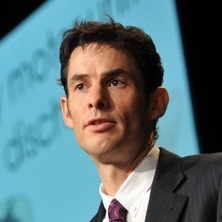
Dr. Wenyi Gu’s early education was conducted in China which include his undergraduate and master’s degrees in veterinary medicine. In 1996, he migrated to Australia and pursued his PhD study in biochemistry & molecular biology at the Australian National University (ANU). After a short period of work at John Curtin Medical School ANU as a junior scientist, he moved to Brisbane in 2001 for his post-doc at the University of Queensland and currently a post-doctoral research fellow at AIBN. He held a Peter Doherty Fellowship (2006-2009) and was further supported by NHMRC to spend 7 months at Harvard University as a visiting fellow in 2008. Since his post-doctoral research he has been working in the area of using RNAi to treat viral diseases and cancers. He also has a strong background in immunology and vaccine development.
Research Fellow: Microbial Genomics and Bioinformatics
Frazer Institute
Faculty of Health, Medicine and Behavioural Sciences
Availability:
Available for supervision
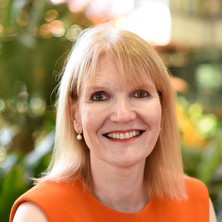
I am a bioinformatician developing computational methods and open-source software that make pathogen genome sequencing faster, cheaper, and more clinically useful. My research applies long-read (Oxford Nanopore) and short-read whole-genome sequencing to detect antimicrobial resistance, reconstruct microbial genomes, and trace how infections spread.
A core part of my work is building widely used, open-source bioinformatics tools and reproducible analysis pipelines that researchers and laboratories around the world rely on. I also contributed to the World Health Organization catalogue of tuberculosis drug-resistance mutations, a global reference for genome-based diagnosis.
Working closely with clinical and public-health laboratories, I help translate these methods out of research and into real diagnostic and outbreak-response settings — including sequencing pathogens directly from patient samples, without the delays of laboratory culture.
My areas of expertise include:
- Pathogen genomics and genomic epidemiology
- Antimicrobial resistance and drug-resistance prediction
- Long-read sequencing, genome assembly, and metagenomics
- Culture-free, direct-from-sample diagnostics
- Open-source scientific software development (Rust and Python)
You can explore my open-source tools on my GitHub profile (https://github.com/mbhall88).
Affiliate of Centre for the Business and Economics of Health
Centre for the Business and Economics of Health
Faculty of Business, Economics and Law
Professor
School of Public Health
Faculty of Health, Medicine and Behavioural Sciences
Availability:
Not available for supervision
Prof Lisa Hall is Professor in Epidemiology at the University of Queensland in Brisbane, Australia.
Teaching: Lisa has experience lecturing at both undergraduate and postgraduate levels, in a range of public health and research methods courses. She is a Senior Fellow of the Higher Education Academy. At UQ she was the Director of Teaching and Learning within the School of Public Health from 2021-2024.
Research: Lisa is an active health services researcher with expertise in epidemiology, implementation science and economic evaluation. Lisa’s work examines not only the effectiveness, but also the cost-effectiveness, feasibility and sustainability of health services. Her current research focuses on the interface between evidence, policy and implementation to improve the surveillance and prevention of healthcare associated infections.
Prof Hall’s research is pragmatic and “Real world”. It is multidisciplinary and collaborative, with an emphasis on translation. She has established active multidisciplinary collaborations with a wide range of leading researchers, policymakers and clinicians. Since 2013, A/Prof Hall has been named as a Chief Investigator on grants and consultancies worth over $19 million. Key grants include:
Researching Effective Approaches to Cleaning in Hospitals (REACH): A national stepped wedge trial of examining the cost-effectiveness of an environmental cleaning bundle. This NHMRC Partnership Grant project with the Wesley Medical Research Institute used an implementation science framework to improve uptake of best practice cleaning approaches by environmental services staff.
National Centre for Infections in Cancer – This NHMRC Centre of Research Excellence, has now received Synergy grant funding. Based at the Peter MacCallum Cancer Centre in Melbourne, it aims at improving infection surveillance and prevention in cancer patients. This is novel work examining what clinical guidelines, therapeutics and surveillance approaches should be implemented to improve monitoring and survival in this vulnerable patient population.
“There's no place like home”: national scale up of the paediatric low risk febrile neutropenia program - National collaborative project based out of Murdoch Children’s Research Institute – MRFF funded
General Practitioner Antimicrobial Stewardship Programme Study (GAPS Trial). A cluster randomised trial examining the economic and clinical effectiveness of a multi-modal intervention to reduce antibiotic prescribing in primary care. Collaboration between UQ, QUT and Bond with Commonwealth Department of Health funding.
Development of the Monitoring and Evaluation Framework for the National Antimicrobial Resistance Strategy - Commonwealth Department of Health funding
Policy Experience: Lisa has significant policy experience at statewide and national levels. Prior to returning to academia in 2013, Lisa was a senior manager at the state health department of Queensland - responsible for the design, implementation and evaluation of infection prevention programs and policy. She was a technical expert on the Australian Commission of Safety and Quality in Healthcare (ACSQHC) Healthcare Associated Infection Advisory Committee, a role she has held continuously from 2009 to 2024.
Affiliate of National Centre for Youth Substance Use Research
National Centre for Youth Substance Use Research
Faculty of Health, Medicine and Behavioural Sciences
Emeritus Professor
Faculty of Health, Medicine and Behavioural Sciences
Availability:
Not available for supervision
Media expert
Wayne Hall is Emeritus Professor at the National Centre for Youth Substance Use Research (NCYSUR) at the University of Queensland (January 2021-). He was a Visiting Professor at the National Addiction Centre, Kings College London (2009-2019), the London School of Hygiene and Tropical Medicine (2010-2021); and the National Drug and Alcohol Research Centre, UNSW (since 2001).
Wayne was formerly Professorial Fellow (2017-2020) in and Director of the National Centre for Youth Substance Abuse Research (2014-2016), an NHMRC Australia Fellow in addiction neuroethics at the University of Queensland Centre for Clinical Research and the Queensland Brain Institute, UQ (2009-2015); Professor of Public Health Policy in the School of Population Health (2005-2010); Director of the Office of Public Policy and Ethics at the Institute for Molecular Bioscience (2001-2005) at the University of Queensland; and Director of the National Drug and Alcohol Research Centre, UNSW (1994-2001).
In 2016 Wayne was made a Fellow of the Academy of Health and Medical Sciences. Wayne has advised the World Health Organization on: the health effects of cannabis use; the effectiveness of drug substitution treatment; the scientific quality of the Swiss heroin trials; the contribution of illicit drug use to the global burden of disease; and the ethical implications of genetic and neuroscience research on addiction.
Faculty of Health, Medicine and Behavioural Sciences
Availability:
Available for supervision
Associate Professor Meredith Harris is a researcher in the field of mental health services research and evaluation. She is a Principal Research Fellow with the School of Public Health at the University of Queensland, based at the Queensland Centre for Mental Health Research.
Meredith holds qualifications in psychology, policy and applied social research, and public health. She has over 25 years of experience in the management and administration of research projects, including systematic literature reviews, cross-sectional and longitudinal studies, studies based on epidemiological survey data, and evaluations of health programs and interventions using observational, quasi-experimental and experimental research designs.
Meredith's current role is with the Analysis and Reporting Component of the Australian Mental Health Outcomes and Classification Network (AMHOCN), which leads the design, analysis and reporting of the National Outcomes and Casemix Collection (http://www.amhocn.org/). In this role, she is leading a range of projects designed to improve the measurement of patient- and service-level outcomes in Australia's specialised public sector mental health services.
Faculty of Health, Medicine and Behavioural Sciences
Availability:
Available for supervision
Media expert
Carmel Hawley MBBS, FRACP, M.Med.Sci, is a Senior Staff Specialist and Director of Haemodialysis Services at Princess Alexandra Hospital. In addition, she is an Associate Professor (A/P) of Medicine at the School of Medicine, University of Queensland and current (inaugural) Chair for the Australasian Kidney Trials network (AKTN) formed in 2005. Under A/P Hawley’s stewardship, AKTN’s research output is now recognised internationally for its quality and impact. This has driven major advances in the evidence base, that directly informs care and outcomes for people living with chronic kidney disease. A/P Hawley also holds a Master’s degree in Biostatistics, has expertise in trial management, methodology, design and conduct. She is currently involved in numerous industry-led and/or investigator initiated international and national clinical trials as either a Principal or Associate Investigator, providing leadership and direction to emerging early and mid-career researchers.
Affiliate of Centre for the Business and Economics of Health
Centre for the Business and Economics of Health
Faculty of Business, Economics and Law
Senior Research Fellow
School of Business
Faculty of Business, Economics and Law
Affiliate of Centre for Online Health
Centre for Online Health
Faculty of Health, Medicine and Behavioural Sciences
Availability:
Available for supervision
Media expert
Dr Helen Haydon is a Senior Research Fellow and Registered Psychologist at the University of Queensland. She has national standing, and an emerging international reputation, as a digital health researcher with a focus on aged and palliative care, psycho-oncology and carer wellbeing. She has led 3 applied nationwide digital health research programs: 1/ Palliative Care ECHO that connects services and upskills health professionals across Australia in palliative care; 2/ Elder ECHO, a telementoring program to support the National Aboriginal Community Controlled Health Organisation’s (NACCHO) Elder Care Support workforce in the delivery of Culturally safe aged care and; 3/ Caring for the Carer, an online intervention for carers of people with brain tumour. http://caringforthecarer.org.au/
Other research includes: evaluation of telepalliative care services (e.g. patient/ carer outcomes and perceptions and staff perceptions); voluntary assisted dying; technology supported grief and bereavement support and; digital mental health.
She is a Registered Psychologist with clinical experience working with a range of issues and diverse populations and has over ten years’ experience teaching and facilitating workshops on psychology and health communication.
Faculty of Health, Medicine and Behavioural Sciences
Affiliate of Centre for Research on Exercise, Physical Activity and Health
Centre for Research on Exercise, Physical Activity and Health
Faculty of Health, Medicine and Behavioural Sciences
Availability:
Available for supervision
A/Prof Ingrid Hickman is a Principal Research Fellow in Implementation Science with the UQ ULTRA team (Clinical Trial Capability) located within the Centre for Clinical Research in Herston. A/Prof Ingrid Hickman is an implementation scientist and has over 20 years experience in health services clinical research. Her career has focused on research excellence, strategic leadership and translating scientific evidence into improved clinical care for people with complex chronic conditions. From randomised controlled trials and mechanisms of disease progression through to patient centred co-design of health services, her collaborative approach to research aims to find solutions to health care problems. Prior to taking up the role with the ULTRA team, A/Prof Hickman led the Metabolic Obesity Research Group and the Nutrition Research Program at the Princess Alexandra Hospital in Brisbane for over 12 years. Within this role she has been a passionate advocate for embedding implementation science and methodologies into clinical trials and health services research and has been recognised internationally for her investment in implementation science and clinical workforce capacity building in research translation.
Louise Hickson, AM, is an Emeritus Professor of Audiology in the Faculty of Health, Medicine and Behavioural Sciences at The University of Queensland. She has published over 300 research articles, books and book chapters with her main focus on the effects of hearing loss on people's everyday lives and the development of strategies and interventions that improve the uptake and outcomes of hearing rehabilitation. Louise is Chair of the Phonak Expert Circle on Family-Centred Hearing Care, is on the Executive Board of the International Society or Audiology and is a Fellow and Life Member of Audiology Australia. She has received numerous awards recognising her contributions to audiology, including the international research award from the American Academy of Audiology, The University of Queensland Leadership Award, a Lifetime Achievement Award from Hearing Australia and a Life Member of Audiology Australia. She is an Editor of the International Journal of Audiology amd in 2021 Emeritus Professor Hickson was Australia's Leading Researcher in the field of Audiology and Speech and Language Pathology. In 2022 she became a Member of the Order of Australia for significant service to tertiary education and audiology associations. She is a sought after speaker and regularly presents at conferences and meetings around the world. Louise also provides advice to hearing service providers both in Australia and overseas and is committed to improving services for people with hearing difficulties.
Faculty of Health, Medicine and Behavioural Sciences
Availability:
Available for supervision
Media expert
Paul W. Hodges DSc MedDr PhD BPhty(Hons) FAA FACP APAM(Hon) is an National Health and Medical Research Council (NHMRC) Leadership Fellow (Level 3), Professor and Director of the Centre for Innovation in Pain and Health Research (CIPHeR) at The University of Queensland (UQ). He is lead chief investigator on an NHMRC Synergy Grant that includes colleagues from the Universities of Queensland, Adelaide and South Australia, and the South Australian Health and Medical Research Institute. Paul is a Fellow of the Australian Academy of Science, which is a Fellowship of the nation’s most distinguished scientists, elected by their peers for outstanding research that has pushed back the frontiers of knowledge. He is also a Fellow of the Australian College of Physiotherapists, the Australian Academy of Health and Medical Science, and was made an Honoured member of the Australian Physiotherapy Association, their highest honour.
Paul is a recognised world leader in movement control, pain and rehabilitation. His unique comprehensive research approach from molecular biology to brain physiology and human function has led to discoveries that have transformed understanding of why people move differently in pain. His innovative research has also led to discoveries of changes in neuromuscular function across a diverse range of conditions from incontinence to breathing disorders. These observations have been translated into effective treatments that have been tested and implemented internationally.
Paul has received numerous national and international research awards that span basic and clinical science. These include the premier international award for spine research (ISSLS Prize) on five occasions; three times in Basic Science (2006, 2011, 2019) and twice in Clinical Science (2018, 2021). International awards in basic science include the SusanneKlein-Vogelbach Award (2010) and the Delsys Prize for Innovation in Electromyography (2009). National medical research awards include the NHMRC Achievement Award (2011). He has also received national community-based leadership awards including the Young Australian of the Year Award in Science and Technology (1997), Future Summit Australian Leadership Award (2010), and Emerging Leader Award (Next 100 Awards, 2009).
Paul is the Chair of the Terminology Task Force for the International Association for the Study of Pain, Chair of the Consensus for Experimental Design in Electromypgraphy for the International Society for Electrophysiology and Kinesiology and has been the Chair/Co-Chair for several major international conferences. He has led major international consortia to bring together leaders from multiple disciplines to understand pain.
Faculty of Health, Medicine and Behavioural Sciences
Availability:
Available for supervision
Media expert
Melanie Hoyle is a Lecturer in Occupational Therapy at The University of Queensland. She completed her PhD is 2022 and Masters in Occupational Therapy Studies in 2004. These degrees were on the back of previously completed studies in science, psychology, health management and health promotion. Melanie has practiced in a broad range of clinical areas, with diverse population groups. She is passionate about partnering with people to support participation in occupations and improve life satisfaction regardless of health condition. Presently her research interests are concentrated on factors that impact on people’s participation in the community and her PhD focused on exploring these influences with people who have experience stroke. She also has research interests in the impact of the NDIS on consumer and clincians experiences in service provision, assistive technology and home-modifications and their influence on participation outcomes, and facilitating leisure opportunities for people with disabilities.
Faculty of Health, Medicine and Behavioural Sciences
Availability:
Not available for supervision
Media expert
Professor Ruth E. Hubbard is the leading frailty expert in Australia, with dual clinical and research leadership roles.
As the Director of General and Geriatric Medicine & Consultant Geriatrician at the Princess Alexandra Hospital in Brisbane, Queensland, she has led the establishment of frailty-focused models of care including a peri-operative geriatric medicine service, geriatrician-led care in the Emergency Department and specialised dementia care wards for people with challenging behaviours.
As Masonic Chair of Geriatric Medicine at The University of Queensland, she created the Australian Frailty Network, a national partnership of researchers, clinicians, professional associations and consumers, with the vision of delivering a national response to frailty that enables frailty-informed care for all older Australians.
Prof Hubbard has generated $43mill funding, more than 200 publications, 100 conference appearances, eight book chapters and Consensus Statements supporting national and international policy.
She qualified from St. Mary’s Hospital, London and trained in Cardiff, Wales, completing an MSc in Medical Education and an MD on frailty pathophysiology before undertaking a post-doctoral fellowship in Dalhousie University, Nova Scotia.