Faculty of Health, Medicine and Behavioural Sciences
Availability:
Available for supervision
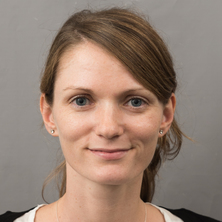
Dr Odette Leiter is a postdoctoral research fellow in the research group of Dr Tara Walker, investigating systemic brain rejuvenation. She was awarded a PhD in Neuroscience in 2018 by the Technische Universität Dresden in Germany. Her research focus lies on the regulation of adult hippocampal neurogenesis by physical exercise, a process critically involved in learning and memory.
To support her research at the Queensland Brain Institute, Dr Odette Leiter has received two postdoctoral fellowships, a postdoctoral fellowship from the German Academic Exchange Service, followed by a Walter Benjamin Fellowship awarded by the German Research Foundation, allowing her to investigate the role of platelets in mediating neurogenesis-related learning and memory, and the capacity of platelet-released factors to restore cognitive function in ageing. More recently, Dr Leiter has been awarded a Discovery Early Career Researcher Award (DECRA) to investigate the precise mechanisms through which platelets interact with adult hippocampal neural stem cells following exercise.
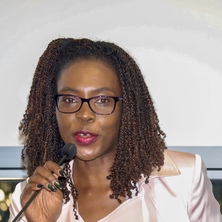
Dr. Lord leads the Spectroscopy Lab at the School of the Environment, the University of Queensland. Her interdisciplinary research is focused on
1. Modified diets for mass rearing of insects including Wolbachia, SIT and gene drive technologies
2. Monitoring and evaluation tools for vector control tools using infrared light and artificial intelligence.
3. Climate change and its impact on vector-borne diseases
As a Chief Investigator, Dr. Lord has secured research funding from several funding bodies including the Bill & Melinda Gates Foundation, USAID, NHMRC, AQIRF, and Grand Challenges Canada to develop rapid tools for large-scale disease surveillance. With her recent funding from the National Health and Medical Research Council, she is developing a smart trap for Ross River virus surveillance in partnership with Queensland Health.
Dr. Lord has published over 60 research works, and presented her findings at over 30 international conferences. Her groundbreaking research has been featured in hundreds of media outlets worldwide. Her contributions to global health have earned her numerous academic accolades, including being named a Fellow of the American Society of Tropical Medicine and Hygiene in 2024.
Beyond research, Dr. Lord leads the STEM Spotlight program, a STEM mentorship initiative that provides a safe and engaging space for students from culturally and linguistically diverse (CALD) communities. The program encourages students from underrepresented backgrounds to pursue careers in STEM while providing them the opportunity to be part of the STEM community in a safe space. In recognition of this work, she was awarded the Diversity and Inclusion Champion Award (2023) by the Department of Multicultural Affairs. Dr Lord has served/serves on numerous committees including the Australian of the year selection Committee (2023), the American Society of Tropical Medicine and Hygiene Scientific Committee, Young investigator award committee (ASTMH), Equity, Diversity and Inclusion committee (UQ).Between 2021-2024 she served as the vice president of African Professionals of Australia (QLD).
Current Research interests and PhD projects:
Techniques to enhance mass rearing of mosquitoes to support next generation vector control interventions
Faculty of Health, Medicine and Behavioural Sciences
Availability:
Available for supervision
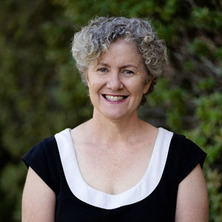
Prof Karen Moritz is internationally renowned for her work in understanding how early life perturbations contribute to an increased risk of developing cardiovascular, renal and metabolic disease in adulthood. Over the last 5-7 years, her research has focused on determining how prenatal alcohol can result in “developmental programming” of disease. Her research has identified critical windows of susceptibility to alcohol, including the period around conception and prior to implantation. In addition, her work has identified the placenta as playing a key role in the sex-specific offspring outcomes following maternal perturbations. Her research spans both preclinical and clinical domains, highlighted by her appointment as the Director of the Child Health Research Centre in 2016.
Current projects are:
Periconceptional alcohol exposure: Programming long-term health in offspring (with Dr Lisa Akison and Dr James Cuffe)
Emerging therapies for diabetes and complications: Effects on metabolic, cardiovascular and renal function (with Dr Linda Gallo)
Effect of prenatal insults on the developing placenta (with Dr Marloes Nitert Dekker, Prof Vicki Clifton [Mater], Dr David Simmons and Dr James Cuffe)
Effect of prenatal insults on the developing kidney and implications for adult disease (with Dr Peter Trnka [QLD Children's Hospital])
Impact of maternal cannabis and alcohol around conception on development and long-term health of offspring (with Dr David Simmons and Dr Lisa Akison)
Prof Moritz maintains a strong commitment to teaching of students, including lectures and research student supervision in undergraduate programs, supervision of Honours students and supervision of higher degree research students.
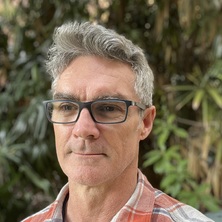
Michael Noad graduated with a Bachelor of Veterinary Science from UQ in 1990. After working primarily as a small animal vet in Queensland and the UK, Mike returned to Australia to undertake a PhD in humpback whale acoustic behaviour at the University of Sydney in 1995. In 2002, after finishing his PhD, Mike became a postdoctoral fellow in the School of Integraitve Biology at UQ. In 2003 he was employed as a lecturer in the School of Veterinary Science. He is currently a professor at UQ, dividing his time between veterinary science, where he teaches anatomy, and marine science, the focus of his research. In 2019 he became the Academic Director of the Moreton Bay Research Station, and in 2022 the Director of the Centre for Marine Science while still retaining a substantive apointment in the School of Veterinary Science.
Research:
The key areas of Mike's research are the effects of anthopogenic underwater noise on whales, the evolution and function of humpback whale song, social learning and culture in animals, and marine mammal population ecology. With regards to the effects of anthropogenic underwater noise on whales, there is currently a great deal of concern about how anthropogenic noise such as military sonar, oil and gas exploration activity and commercial shipping traffic, may adversely affect marine mammals. Mike has been involved in several large collaborative projects in this area, the largest being BRAHSS where the team studied the behavioural changes of humpback whales in response to powerful seismic airguns. His work on the evolution and function of humpback whale song is focused on how the animals themselves use sound to communicate. The songs of these whales is one of the most complex acoustic displays of any animal known. The songs are not static, but constantly change, and although the songs are almost certainly used as a sexual signal, the changing nature of the song makes understanding how this works challenging. His work on social learning and culture in animals also involves humpback whale songs, but focuses on how the whales learn the songs from each other, both within and between populations. As the patterns are usually unique to a population but can be transmitted over time to other populations, humpback song is the most extreme example of a vocal cultural trait in any species as well as an excellent model for studying social learning, the process whereby the whales perceive and learn new songs. Mike's last research area is marine mammal population ecology, and the primary project is the population ecology of the east Australian humpback whales. This population was almost completely extirpated in the early 1960s through hunting, but has since undergone a rapid recovery. Its long term trajectory, however, is uncertain due to a number of factors including possibly overshooting the natural carrying capacity of the population, and climate change.
Affiliate Professor of School of Chemistry and Molecular Biosciences
School of Chemistry and Molecular Biosciences
Faculty of Science
Affiliate of ARC COE for Innovations in Peptide and Protein Science
ARC COE for Innovations in Peptide and Protein Science
Institute for Molecular Bioscience
Professorial Research Fellow and Group Leader
Australian Institute for Bioengineering and Nanotechnology
Availability:
Available for supervision
Media expert
Megan O’Mara is a Professor and Group Leader at the Australian Institute for Bioengineering and Nanotechnology (AIBN), UQ. Her group uses multiscale modelling techniques to understand how changes in the biochemical environment of the cell membranes alters membrane properties and modulates the function of membrane proteins. She has research interests in multidrug resistance, computational drug design and delivery, biopolymers, and personalized medicine. Megan completed her PhD in biophysics at the Australian National University in 2005 before moving to the University of Calgary, Canada, to take up a Canadian Institutes of Health Research Postdoctoral Fellowship. In 2009, she returned to Australia to join University of Queensland’s School of Chemistry and Molecular Biosciences as a UQ Postdoctoral Fellow, before commencing an ARC DECRA in 2012 where she continued her computational work on membrane protein dynamics. In 2015, Megan joined the Research School of Chemistry, Australian National University in 2015 as Rita Cornforth Fellow and Senior Lecturer. In 2019 she was promoted to Associate Professor and was Associate Director (Education) of the Research School of Chemistry ANU in 2019-2021. In April 2022 she relocated to AIBN.
Dr. Melanie Oey is currently Research Officer at the Institute for Molecular Bioscience in the Group of Prof. Ben Hankamer. She was born in Berlin, Germany, and went to the University of Potsdam to study Biochemistry. During her studies she worked at the Max-Planck Institute of Molecular Plant Physiology in Golm, Germany, where she also received her Ph.D. in 2009 for her work on the production of lysin antibiotics in tobacco plants. In the same year she came to Australia to work at the University of Queensland, and has since then developed new technologies which are base for the newly launched "Breakthrough Science Program in Algal Biomedicine" at the Institute for Molecular Bioscience.
Her research interestes are:
- High value product production (e.g. vaccines, antibiotics, pain killer) in Algae via chloroplast and nuclear transformation
- Improvement of bio-hydrogen production from microalgae
- Development of new molecular tools for microalgae
Her work has been funded by the Australian Research Council (ARC), the National Health and Medical Research Council (NHMRC) and the German Academic Exchange Service (DAAD).
Dr Taylor Pini is a lecturer in veterinary reproduction within the School of Veterinary Science and leads the Molecular Animal Reproductive Biology Lab (MARBL). Taylor's research focuses on understanding fundamental reproductive biology across species, in order to improve the outcomes of assisted reproductive technologies (ARTs) like artificial insemination for livestock and wildlife. Some recent examples of her research work include:
Exploring sperm formation and function in kangaroos
How cooling and freezing sperm impacts cellular 'clean up' machinery
Why frozen ram semen fails to get ewes pregnant
How the cellular makeup of sperm differs across the kingdom of life
Taylor graduated with a Bachelor of Animal and Veterinary Bioscience (Hons) and a PhD in reproductive biology from The University of Sydney. After her PhD, Taylor undertook postdocs at the Colorado Center for Reproductive Medicine (USA), and with the Gametic Epigenetics Consortium against Obesity (GECKO) at The University of Sydney, before beginning at UQ in 2021. Taylor has worked across many aspects of reproduction (from pregnancy detection to sperm freezing) in a range of species, including mice, humans, sheep, horses, koalas, kangaroos, parrots and echidnas.
Taylor is a co-host and producer of the science communication podcast Repro Radio.
Looking for a research project? Taylor is currently on parental leave, but will be taking on Summer and Winter Scholarship Students (undergraduate), Science Honours Students, Masters and PhD students in 2027.
Affiliate of ARC Training Centre for Bioplastics and Biocomposites
ARC Training Centre for Bioplastics and Biocomposites
Faculty of Engineering, Architecture and Information Technology
Centre Manager – ARC Industrial Transformation Training Centre for Bioplastics and Biocomposites
School of Chemical Engineering
Faculty of Engineering, Architecture and Information Technology
Availability:
Not available for supervision
I have a strong interest in applied research, using information to improve policy. I have a broad interest in applying population genetics to the management of wild populations, particularly through a better understanding of dispersal.
Affiliate of Centre for Innovation in Pain and Health Research (CIPHeR)
Centre for Innovation in Pain and Health Research
Faculty of Health, Medicine and Behavioural Sciences
Associate Professor
School of Biomedical Sciences
Faculty of Health, Medicine and Behavioural Sciences
Availability:
Available for supervision
Dr Rash completed his Honours (1996) and PhD (2001) on the pharmacological activity of spider venoms at the Department of Pharmacology, Monash University in the group of Professor Wayne Hodgson. After 18 months as an Assistant Lecturer at Monash Pharmacology, he was awarded an INSERM/NH&MRC Post-doctoral Fellowship to work in the group of Prof. Michel Lazdunski at the Institute of Molecular and Cellular Pharmacology in Antibes, France. It was here that he became involved in discovery and characterisation of venom peptides that act on acid-sensing ion channels, voltage-gated sodium channels and other pain related channels. Upon returning to Australia to the Institute for Molecular Bioscience (The University of Queensland), he established an ASIC research program and was awarded an NH&MRC project grant as CIA to investigate the molecular basis of the interaction of PcTx1 and APETx2 with ASIC1a and ASIC3 respectively. Dr Rash was appointed as senior lecturer in Pharmacology in the School of Biomedical Sciences in early 2016 where he continues his research on identifying novel bioactive peptides from animal venoms, unravelling the molecular basis for their specific channel interactions and their use as research tools and potential therapeutic lead molecules.
Faculty of Health, Medicine and Behavioural Sciences
Availability:
Available for supervision
Media expert
I received my Bachelor's in Biology (2001) from Yarmouk University in Jordan, followed by postgraduate degrees from the University of Houston in Houston-Texas (2002-2007). My studies are integrative in nature, joining the best of both the Neuroscience world and Circadian Biology (the study of biological clocks). In the laboratory of Prof. Arnold Eskin, I investigated how processes as complex as learning and memory are modulated by biological clocks i.e. the circadian (about 24 hours) system, using Aplysia californica as the experimental model. After completing my Master's in Science in 2005, my research focused on the mechanism by which biological clocks modulate learning and memory. This work was performed in the laboratories of Prof. Gregg Cahill and Prof. Greg Roman, experts in chronobiology and behavioral neuroscience, respectively. Using Zebrafish as a model system, I investigated the role of melatonin, a night-time restricted hormonal signal, in modulating long-term memory consolidation. My findings, published in Science in 2007, shows that the circadian system via the cyclic night-time confined synthesis/release of melatonin “the hormone of darkness” functions as a modulator, shaping daily variations in the efficiency by which memories are processed. After receiving my Ph.D. in 2007, I joined as a postdoctoral fellow the laboratory of the pharmacologist and melatonin researcher Prof. Margarita Dubocovich. My postdoctoral work engaged in elucidating the role of melatonin in circadian physiology and pharmacology during development and ageing in rodents (Mus musculus) and non-human primates (Macaca mulatta) at the Feinberg School of Medicine (Northwestern University-Chicago) and the State University of New York (SUNY). From 2010-2015, I held a teaching/research position in the Dr. Senckenbergische Anatomy and the Dept. of Neurology at the Goethe University in Frankfurt-Germany. During this time, I was involved in teaching gross human anatomy while continuing my endeavor in understanding the mechanistics involved in shaping memory processes (acquisition, consolidation and retrieval) by the circadian system.
Deputy Director of Centre for Biodiversity and Conservation Science of Centre for Biodiversity and C
Centre for Biodiversity and Conservation Science
Faculty of Science
Affiliate of Centre for Biodiversity and Conservation Science
Centre for Biodiversity and Conservation Science
Faculty of Science
Senior Lecturer in AgroEcology
School of Agriculture and Food Sustainability
Faculty of Science
Senior Lecturer in AgroEcology
School of the Environment
Faculty of Science
Availability:
Available for supervision
Media expert
April Reside is a senior lecturer in the School of the Environment and School of Agriculture and Food Sustainability, affiliated with the Centre for Biodiversity and Conservation Science.
Dr Reside's research encompasses ecology, conservation, and policy; investigating refuges and refugia; and recovery actions and their costs for Australia’s threatened species. April also works on conservation of woodland bird communities, the impact of climate change on biodiversity, and strategies for climate change adaptation. This work has involved applying conservation planning frameworks to identify spatial priorities for climate change adaptation for biodiversity and carbon sequestration.
April has a particular fascination of flying vertebrates, and has worked on bats on three continents and nine countries. She worked as a field ecologist for non-government organisations before her PhD on understanding potential impacts of climate change on Australian tropical savanna birds. She adapted species distribution modelling techniques to account for temporal and spatial variability in the distributions of highly vagile bird species. These dynamic species distribution models take into account species’ responses to fluctuations in weather and short-term climatic conditions rather than long-term climate averages. In her first postdoctoral position, Dr Reside modelled the distribution of c.1700 vertebrates across Australia at a fine resolution, and located the future location of suitable climate for all these species for each decade until 2085. From this, she identified hotspots across Australia where species were moving to in order to track their suitable climate, informing the IUCN SSC Guidelines for Assessing Species’ Vulnerability to Climate Change by the IUCN Species Survival Commission.
April has been involved in conservation of the Black-throated Finch for over 12 years, and is Chair of the Black-throated Finch Recovery Team. She has served on Birdlife Australia's Research and Conservation Committee and Threatened Species Committee; and the Science Committee for the Invasive Species Council.
Affiliate of Centre for Biodiversity and Conservation Science
Centre for Biodiversity and Conservation Science
Faculty of Science
Associate Professor
School of the Environment
Faculty of Science
Availability:
Available for supervision
Media expert
Research interest: Monitoring ecosystem health of coral reefs and seagrass habitats, integrating field and remote sensing image datasets, and the developing applied cost-effective mapping and monitoring approaches. Developed approaches have been adopted as standard practice globally, making a difference in conservation of these valuable habitats. The long term monitoring studies at Heron and Moreton Bay formed the basis for the development of mapping and monitoring over time and space at local to global scale. See here major research impact
Major projects:
Long term monitoring of benthic composition at Heron Reef (2002-ongoing).
Long term monitoring of seagrass composition and abundance in Moreton bay Marine Park (2000-ongoing).
Smart Sat CRC Hyperspectral Remote Sensing of Seagrass and Coral Reefs 2023-2027.
Developement of Underwater Field Spectrometry and Benthic Photo Collection and Analysis
3D GBR Habitat Mapping Project 2015 - ongoing:
Global habitat mapping project 2019-2023 Allen Coral Atlas .
Current position: Associate Professior in Marine Remote Sensing leading the Marine Ecosystem Monitoring Lab. . Academic Director Heron Island Research Station and affiliated researchers with Centre for Marine Science and Centre for Biodiversity and Conservation Science
Capacity Building and Citizen Science: Capacity: under/post graduate courses; Msc/PhD supervision, workshops/courses; Remote Sensing Educational Toolkit, and online courses (e.g. TNC).Strong supporter of citizen science based projects, as trainer, organiser and advisor for Reef Check Australia, CoralWatch, Great Reef Census and UniDive.
Queensland Alliance for Agriculture and Food Innovation
Availability:
Available for supervision
Media expert
Professor Eugeni Roura is a nutritionist with interests in digestive physiology and gut health, chemosensory science (including taste and smell) and transgenerational mechanisms relevant to chickens, pigs and humans. Eugeni holds a Veterinary and PhD degrees from the Autonomous University of Barcelona and a MPhil and post-doctoral appointments at the University of California (Davis). He developed a sixteen-year career in the feed and food industries before joining The University of Queensland (2010) where he currently leads the Nutrition & Chemosensory Science Group. The main current research areas in animal science include appetite modulation in chickens and pigs, nutrition interventions to boost embryonic/foetal development (including “in ovo”), and strategies to improve sustainability of chicken meat, egg and pork production. In human nutrition the focus is around food allergies and appendicitis. In 2011, Eugeni joined the UQ School of Biomedical Sciences as an Affiliated Lecturer. Since 2010 he has graduated 20 PhD students in Australia, published more than 100 peer-reviewed publications, and has been invited as keynote speaker to more than 50 national and international scientific meetings. He is currently serving as President of the World’s Poultry Science Association (Australia branch), Director of the AgriFutures Chicken Meat Consortium, and member of the National Committee for Nutrition (Australian Academy of Sciences), R&D and Education Committees of the Australasian Pork Research Institute Ltd., and the Federation of Oceania Nutrition Societies. He was the recipient of the Nutrition Society of Australia 2024 Medal award.
Faculty of Health, Medicine and Behavioural Sciences
Availability:
Not available for supervision
Media expert
Professor Pankaj Sah is Director of the Queensland Brain Institute (QBI) at The University of Queensland (UQ). He is renowned for his work in understanding the neural circuitry of the amygdala, an area of the brain that plays a central role in learning and memory formation. Dysfunction of the amygdala leads to a host of anxiety-related disorders. His laboratory uses a combination of molecular tools, electrophysiology, anatomical reconstruction, calcium imaging and behavioural studies to examine the electrophysiological signatures of different brain regions and their impact on disease. Recently, his laboratory has been working with patients undergoing electrode implantation for deep brain stimulation, which is used to treat a variety of disorders such as Parkinson's disease, Tourette's syndrome and essential tremor. Professor Sah trained in medicine at The University of New South Wales and, after completing his internship, gained a PhD from the Australian National University. Following postdoctoral work at the University of California, San Francisco, and UQ, he established his own laboratory at the University of Newcastle in 1994. He then joined the John Curtin School of Medical Research at the Australian National University as a group leader in 1997. He was recruited to QBI as a founding member in 2003, and has been Director since July 2015. Professor Sah has published over 110 papers in international peer-reviewed journals. He is also the Editor-in-Chief of the Nature Partner Journal npj Science of Learning, the first journal to bring together the findings of neuroscientists, psychologists, and education researchers to understand how the brain learns.
Affiliate of Centre for Neurorehabilitation, Ageing and Balance Research
Centre for Neurorehabilitation, Ageing and Balance Research
Faculty of Health, Medicine and Behavioural Sciences
Associate Professor in Physio
School of Health and Rehabilitation Sciences
Faculty of Health, Medicine and Behavioural Sciences
Availability:
Available for supervision
Media expert
Martin is an Associate Professor of Physiotherapy within the School of Health and Rehabilitation Science. He teaches into both the undergraduate and graduate entry masters programs. In addition, Martin coordinates the clinical placements across both programs.
Martin has a passion for supporting physiotherapy students throughout their journey, from preclinical studies to clinical placements. He has developed a series of strategies to help support the diverse cohort in thriving as student physiotherapists and gaining a sense of belonging to the profession. Martin has been involved in several curriculum reviews that have focussed on enhancing the student experience, and has initiated strategies that have proactively and reactively supported students (such as student mentoring, early observational placements and student-staff activities). He has a particular passion for supporting students from a culturally and linguistically diverse background.
In research, Martin leads a laboratory investigating neuroplasticity. The human nervous system is no longer thought of has hard-wired, and is in fact capable of rapid change throughout life. This plasticity is important for learning, memory and recovery from brain injury. Martin is interested in using emerging brain stimulation and imaging techniques to "artificially" induce plasticity in the human brain, to ultimately improve the treatment outcomes for various neurological conditions, particularly stroke. These stimulation techniques include transcranial magnetic stimulation (TMS) and transcranial direct current stimulation (tDCS). A key current focus of Martin's research is investigating the link between sleep and neuroplasticity, and whether the beneficial aspects of sleep (for promoting neuroplasticity) can be artificially induced with brain stimulation.
He completed a BSc in 1994 and received a First Class Honours in Physiology in 1995 from the University of Adelaide. He then completed a Bachelor of Physiotherapy Degree at the University of South Australia. Returning to research in 2005, he undertook a PhD at the University of Adelaide, which he completed in 2009. He was named "Young Scientist of the Year" in 2007 as a result of his PhD research. He was awarded a University of Queensland Postdoctoral Fellowship in 2010, and then a NHMRC Postdoctoral Research Fellowship in 2011 to investigate more intensely how the brains of stroke patients rewire. He has been awarded ~$4M in funding, principally from the NHMRC and US Department of Defence.
Centre Director of Centre for Motor Neuron Disease Research
Centre for Motor Neuron Disease Research
Faculty of Health, Medicine and Behavioural Sciences
Associate Professor
School of Biomedical Sciences
Faculty of Health, Medicine and Behavioural Sciences
Availability:
Available for supervision
Media expert
Associate Professor Steyn is a leading expert in neurodegenerative disease research, specializing in the metabolic and physiological aspects of Motor Neurone Disease (MND). He currently directs a comprehensive translational research program at the University of Queensland, focusing on the interplay between metabolism and disease progression in MND, and leads key projects investigating the impact of metabolic dysfunction, appetite dysregulation, and hypermetabolism on patient outcomes. His work prioritizes the integration of pre-clinical models, clinical studies, and innovative digital health technologies to advance understanding of the heterogeneity in MND, patient care and therapeutic development.
Associate Professor Steyn’s career began with detailed investigations into the hypothalamic regulation of energy homeostasis, growth, and reproduction. He developed industry-standard methodologies for evaluating hormone release patterns in rodent models, particularly concerning growth hormone regulation. In 2015, he transitioned to focus on neurodegenerative diseases, establishing a research platform at UQ that has significantly advanced the analysis of metabolic phenotypes in MND.
His current research projects include the MEND-MND study, which explores how altered energy metabolism influences disease progression, and the EATT4MND study, which examines the consequences of appetite loss and impaired body weight regulation on disease outcomes. Through collaboration with industry partners, he is also developing novel therapeutic strategies and refining wearable digital health technologies for precise, real-time monitoring of disease progression, including the validation of actigraphy-based measures as clinical trial biomarkers.
Faculty of Health, Medicine and Behavioural Sciences
Affiliate Senior Research Fellow of Queensland Brain Institute
Queensland Brain Institute
Faculty of Health, Medicine and Behavioural Sciences
Availability:
Available for supervision
Media expert
I am a biologist interested in the general question of how changes in developmental processes can lead to evolutionary variation and origin of complex traits (such as neural circuits). I study development and evolution of the brain of mammals. My doctoral thesis studied brain regions involved in olfactory and pheromonal communication in mammals. I discovered several events of parallel co-variation of sensory pathways in distantly related species sharing similar ecological niches, as cases of ontogenetic and phylogenetic plasticity. Currently, I study development and evolution of neocortical circuits by following two main lines of research: one aims to determine how early neuronal activity emerges during development and help shape brain connections, and the other one aims to understand what developmental processes led to evolutionary innovations in the mammalian brain. My research combines molecular development (electroporation, CRISPR), transcriptomics, sensory manipulations, neuroanatomy mapping (MRI, stereotaxic tracer injections, confocal and image analysis), optogenetics, and in vivo calcium imaging (multiphoton and widefield) in rodent pups and marsupial joeys.