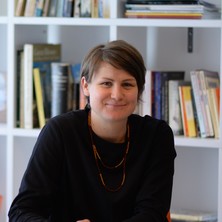
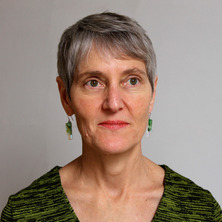
Caiti D'Gluyas is a Lecturer in Archaeology at the University of Queensland and a researcher in archaeology, cultural heritage and history. In Australia her work examines the impacts and outcomes of British colonisation on people in the eighteenth and nineteenth centuries, particularly encompassing convictism and expressions of capitalism and ideology at different scales, from individuals to landscapes. Caiti has recently also been contributing to research on Bronze Age cultural and environmental change on the Arabian Peninsula in southwest Asia. She is also interested in environmental history, Indigenous experiences of the colonial world, landscape archaeology, historical studies of young people, more-than-human approaches, archaeological archives and data management, archaeological theory and methods, spatial analysis, Georgian period artefacts, and archaeological applications of GIS.
With more than 12 years practical experience on archaeological investigations, Caiti has worked on a variety of archaeological projects across Australia and further afield in the United Arab Emirates and Norfolk Island, in both research and industry settings. She worked for a decade in cultural heritage management and commercial archaeology, bringing key skills in project management, technical report writing and excavation to her current work. She maintains connections to the heritage management sector, in particular, through the synthesis of archaeological legacy projects from across colonial Australia. Caiti has prior experience teaching practical field skills, artefact analysis and introductory archaeology courses and currently teaches ARCS2050 Historical Archaeology and ARCS3118 Managing Cultural Heritage.
School of Electrical Engineering and Computer Science
Faculty of Engineering, Architecture and Information Technology
Availability:
Available for supervision
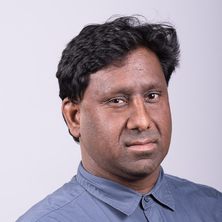
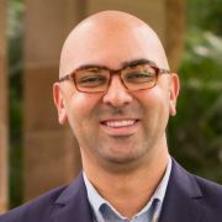
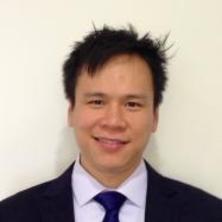
Dr. Matthew D'Souza is a Lecturer with the School of ITEE, The University of Queensland. He has worked as a Postdoctoral Research Fellow and Visiting Research Scientist with the CSIRO Autonomous Systems Laboratory and the Australian E-Health Research Centre in Brisbane, Australia. His research interests include Pervasive and Ubiquitous Computing, Wireless Communications, Wireless Sensor Networks, Embedded Systems, Biomedical Engineering, Mobile Computing and Cyber Physical Systems.
Australian Centre for Water and Environmental Biotechnology
Faculty of Engineering, Architecture and Information Technology
Availability:
Available for supervision
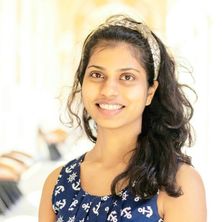
Sahar Daer is a Postdoctoral Research Fellow in the Australian Centre for Water and Environmental Biotechnology. Sahar Daer obtained her PhD in Civil and Environmental Engineering at Iowa State University. She also holds a Masters by Research in Water and Environmental Engineering from Masdar Institute (now Khalifa University, UAE) and a Masters in Environment and Sustainability from The University of Western Ontario (Canada).
During her PhD, Sahar investigated the potential development of microbial resistance against frequent exposure to disinfectants within potable water reuse. Sahar also was involved in the optimization and development of novel polymeric membranes for application in forward osmosis for seawater desalination in the United Arab Emirates.
Sahar’s current research interests include polyfluoroalkyl substances (PFAS) removal from contaminated water sources, advanced oxidation processes for water treatment, as well as efficient potable water reuse strategies. Her other research interests include environmental microbiology and water disinfection.
Faculty of Engineering, Architecture and Information Technology
Availability:
Available for supervision
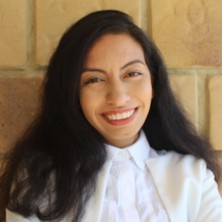
Dr. Yuchen Dai has extensive experience in computational fluid dynamics (CFD) simulations on complex flows including swirling, multiphase, and reacting flows. He is also good at asymptotically solving non-linear dynamic systems. Dr. Dai's current research interests span heat & mass transfer, fluid mechanics, analytical methods, and microfluidics.
Dr. Yuchen Dai received his Ph.D. in 2021 from the School of Mechanical and Mining Engineering, the University of Queensland (UQ), Brisbane, Australia. After that, he joined Griffith University as a research assistant and continued as a research fellow with the Queensland Micro&Nanotechnology Centre (QMNC) until 2023. Currently, he is working as a postdoctoral research fellow at the School of Chemical Engineering, the University of Queensland.
Faculty of Health, Medicine and Behavioural Sciences
Availability:
Available for supervision
Professor Dai is the Director of Ophthalmology at Children’s Health Queensland Hospital and Health Services and the Queensland Children’s Hospital in Brisbane, Australia. He currently serves as the Chair of the Royal Australian and New Zealand Strabismus Society. Additionally, he is the Pediatrics and Strabismus Section Editor for the RANZCO journal, Clinical and Experimental Ophthalmology. Professor Dai is an active member of the American Academy of Ophthalmology, the American Association for Pediatric Ophthalmology and Strabismus, and a Council Member of the Asia Pacific Strabismus and Pediatric Ophthalmology Society. He specializes in Pediatric Ophthalmology and Adult Strabismus and is widely recognized for his expertise in Pediatric Neuro-Ophthalmology, Strabismus, Pediatric Low Vision, and Retinopathy of Prematurity (ROP) Telemedicine. He plays a key role in shaping government health policies related to pediatric eye care, collaborating with various healthcare professionals. He is also deeply involved in clinical education and research. Professor Dai’s research focuses on ROP, ROP Telemedicine, and Pediatric Ophthalmology and Strabismus Surgery. To date, he has authored over 100 peer-reviewed journal articles and has delivered more than 80 presentations as a keynote, invited, and contributing speaker at national and international conferences.
Affiliate of Centre for Social Responsibility in Mining
Centre for Social Responsibility in Mining
Faculty of Engineering, Architecture and Information Technology
Research Fellow
Sustainable Minerals Institute
Faculty of Engineering, Architecture and Information Technology
Availability:
Available for supervision
Media expert
I have extensive research and teaching experience in the social aspects of mining and energy, focusing on social impact assessments, mine closure, community relations, and benefit-sharing mechanisms. My research interests also include socio-political developments in Mongolia. I hold a PhD from Hokkaido University in Japan and have worked in Mongolia, Japan, and Australia.
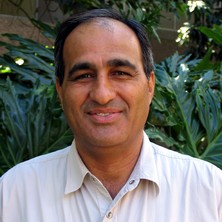
Professor Ram Dalal is a Professor in the School of Agriculture and Food Science at the University of Queensland, Brisbane, Australia. He has contributed significantly to create awareness in the farming, scientific and general community to the seriousness and insidious nature of soil degradation. As a consequence, restorative practices for sustainable land management were developed and promoted. The international nature of the program was demonstrated by the fact that it was part of the Tropical Soil Biology and Fertility Program. It is now nationally recognized by policy makers and politicians that land degradation and sustainable land management are the national and international priorities. These projects have made significant contribution towards these issues.
In the last 30 years Dr Dalal has worked towards sustainable land management systems, nitrogen management and soil carbon dynamics. He was the co-leader of soil carbon program in the CRC for Greenhouse Accounting (199-2006), leader of soil carbon changes following land clearing funded by the Australian Greenhouse Office (1998-2002), reviewer for the IPCC Good Practice Guidance (2006) for the land sector, and leader of the National Soil Carbon Program (2012-2015) and Soil Constraints Initiative - Management of Sodic, Magnesic or Dispersive Soils (2015). He has been a consultant and project research contributor to the International Atomic Energy Agency (2004-2009). Recently, he has led a number of projects on estimating soil carbon stock following land use change from native vegetation to croplands, grazing lands, and management of croplands and grazing lands and rangelands (2009-2015) funded by the Department of Environment and Heritage, Department of Agriculture, Fisheries and Forestry and Department of Agriculture, Commonwealth of Australia. In addition, he has also been involved in estimating nitrous oxide and methane emissions/ uptake from different ecosystems including agriculture, grassland, plantation forestry and estuarine/ mangrove systems (2000 – 2015). He led the National Soil Carbon Program from 2012 to 2015.
Greg is a Lecturer at the TC Beirne School of Law. Greg's research interests include proceeds of crime legislation, law and emotions, and law and literature. His doctorate peered beneath the conventional rationales lawmakers and authorities give to justify proceeds of crime legislation, and instead demonstrated how the state appeals to the public's emotions when it seizes and forfeits crime-related property. This intersects with Greg's teaching interests of both real and personal property at the undergraduate level.
Greg holds a Bachelor of Laws (Hons) and Bachelor of Commerce from Griffith University and a PhD from Monash University. He is admitted to practice as a lawyer in the Supreme Court of Queensland, in the Supreme Court of New South Wales and in the High Court of Australia.
Gloria Dall'Alba is an Honorary Associate Professor in the School of Education at the University of Queensland and higher education consultant at GD Higher Ed Consulting. Her research focuses on learning and teaching in higher education and the workplace, with a particular interest in educating for the professions and the philosophy of higher education. After completing a PhD at Monash University in Australia and Postdoctoral Fellowship at Gothenburg University in Sweden, she has held positions at the University of Queensland, the University of Melbourne and RMIT University, as well as at Karolinska Institute and a secondment to Chalmers University of Technology in Sweden. She has published widely on a range of issues relating to higher education, workplace learning and research inquiry. A strong strand of her research is interdisciplinary. She has collaborated with researchers from Australia, New Zealand, Denmark, Ireland, Sweden and the USA from the fields of higher education, pharmacy, business, dentistry, engineering, forensic science, medicine, nursing, philosophy and physics.
For further details on publications: https://orcid.org/0000-0001-8337-0530
Faculty of Health, Medicine and Behavioural Sciences
Availability:
Not available for supervision
Dr Andrew Dalley is a Postdoctoral Research Scientist within Dr Peter Simpson’s stream of the Molecular Pathology Research Programme at UQCCR. He is currently contributing to a clinician-lead research project that aims to validate diagnostic techniques for mediastinal lymph node dissemination of lung cancer.
Andrew is a practical molecular cell biologist with a strong focus towards clinically translatable research within the hospital setting. His academic experience spans adult and children’s burns research and adult cancer research. He has researched aberrant pharmacokinetics in burnt patients, post-burn hypertrophic scar development, cancer stem cell involvement in Head and Neck cancer development, and diagnostic techniques to define surgical borders for intra-oral cancer excision.
Andrew’s range of practical techniques includes: small molecule tissue sampling and analysis using microdialysis, HPLC and LC/MS; tissue imaging by fluorescence and confocal microscopy; cellular analysis by flow cytometry, live cell imaging, histology and real-time PCR; and patient sample molecular analysis by microarray and Next Generation Sequencing.
Andrew was recently Scientific Support Coordinator for the Cancer Programme at the Diamantina Institute, and prior to this he was Laboratory Studies Coordinator for Professor Camile Farah’s Oral Cancer Research Programme at UQCCR where he investigated the potential involvement of epithelial stem cells in pre-malignant oral dysplasia. Before this Andrew was part of the Burns Trauma & Critical Care Research Centre (BTCCRC) where he evaluated antibiotic distribution in extensively burned patients during surgery.
Formerly based in the UK, Andrew studied BSc Pharmacology and completed his PhD at The University of Sheffield under supervision from Professor Sheila MacNeil. Andrew’s PhD used 3-dimensional cultures to investigate regulation of normal and scar derived fibroblasts by dermal matrix and epithelial cells. Subsequently, he used in-vitro techniques to monitor the uptake of drugs across the gut mucosa and skin.
Andrew’s research interests include clinical diagnostic techniques, phenotypic and genotypic changes in pre-malignant dysplasia, extracellular matrix biology and its involvement in the pathophysiology of burn wound healing, epithelial / mesenchymal interaction across the basement membrane during the healing of cutaneous wounds, and drug distribution in critical patients.
Faculty of Health, Medicine and Behavioural Sciences
Availability:
Available for supervision
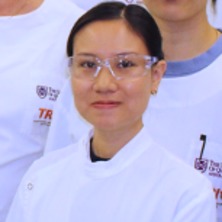
Dr. Trinh Dang is a Postdoctoral Research Fellow in Prof. Brandon Wainwright’s laboratory at the Frazer Institute, where her research focuses on the development of innovative cancer immunotherapies, with an emphasis on mRNA- and peptide-based approaches for brain cancers.
Dr. Dang received formal training in biochemistry and microbiology and transitioned into immunology during her doctoral research. Throughout her PhD, she developed skill sets in molecular biology, immunological assays, in vivo mouse models, and computational analyses, enabling her to integrate mechanistic biology with translational research.
She completed her Bachelor’s degree in Biochemistry with Class I Honours, followed by a Master’s degree in Biomedical Science. Dr. Dang undertook her PhD at the Frazer Institute, The University of Queensland, under the supervision of Emeritus Professor Ian Frazer (co-inventor of the Gardasil cervical cancer vaccine). Her doctoral work investigated the role of IL34 in HPV-induced skin cancer and inflammatory skin disease, combining functional immunology with lentiviral engineering, sequencing technologies, and bioinformatics analyses.
Dr. Dang then joined Prof. Wainwright’s group to advance next-generation immunotherapeutic strategies for cancer. Her current research aims to evaluate mRNA- and peptide-based immunotherapies for brain tumours.
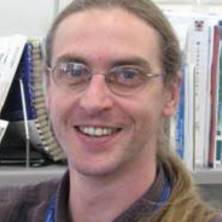
I joined UQ in September 2014 as Senior Lecturer in Mathematics and Director of the Master of Financial Mathematics (MFinMath) Program. Through strategic and effective leadership, I've overseen the Program's transformation into one of Australia's largest. My commitment to enhancing teaching methodologies, fostering a vibrant student and alumni community, and emphasising industry relevance and collaboration, has significantly contributed to this growth. Additionally, I've had the privilege of supervising well over 100 MFinMath graduates and several PhD candidates, many of whom are making significant contributions in corporations worldwide. My commitment to academic rigour, industry relevance and collaboration ensures our graduates are well-prepared for their careers.
My research focuses on the development of reliable numerical methods for stochastic control problems in finance. In particular, I have worked on complex mathematical challenges such as Defined Contribution superannuation and valuation adjustments, which stem from governance issues and broader societal needs. My robust collaboration with key sectors including FinTech, Superannuation, Energy, Investment, Banking & Finance, Information Technology, and Commercial, reinforces the practical relevance of my academic endeavors and strengthens the bridge between academia and industry.
My ongoing commitment is focused on fostering an enriching educational environment, promoting impactful research, and strengthening industry-academia collaborations at UQ.
Beyond my professional commitments, I find balance through a range of personal interests. I am a blackbelt in Judo and an enthusiastic CrossFit practitioner.
Furthermore, I have a deep appreciation for music, particularly piano compositions. My daughter, now an advanced pianist, has been a source of both inspiration and amusement for me. Despite enduring her initial stages of piano practice, filled with the typical off-key notes and stumbles that come with learning an instrument, I've been rewarded with the joy of her progress. Her dedication to mastering the piano serves as a continual source of motivation and a reminder of the beauty found in commitment and growth.
I hold a PhD in Computer Science from the University of Toronto, Canada.
Associate Professor Yash Dang is Principal Research Fellow at The University of Queensland possess extensive experience in soil and nutrient management. He is currently leading a national project on low cost carbon stock estimation using proximal and remote sensing. He is also leading the northern grains region in national GRDC projects to identify and manage soil constraints, conservation agriculture, strategic tillage and sustainable land management practices. While his research spans in the areas of crop production, much of his research focuses on soil constraints. He has also coordinated soil carbon and soil quality projects in Queensland cropping soils. Yash has great faith in engagement with the farmers to develop collaborative, participatory research project to address soil health issues. He also has strong interest in proximal and remote sensing to identify constraints at farm and national scales for site-specific soil and nutrient management.
Queensland Alliance for Agriculture and Food Innovation
Availability:
Not available for supervision
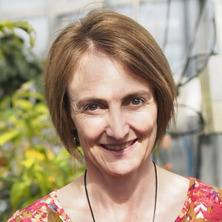
Dr Elizabeth (Liz) Dann is an applied research plant pathologist and worked with UQ QAAFI’s Centre for Horticultural Science from 2010 to 2024, and was based at the Ecosciences Precinct at Dutton Park. Her research aims to increase the productivity and quality of tropical and sub-tropical crops through improved management of diseases. Since 2024, she has held an Honorary position, allowing her to dedicate time to her private research and consultancy business.
She obtained her PhD in 1995 from the University of Sydney, and undertook post doctoral research at Michigan State University, USA and at the University of Sydney, prior to joining the Plant Pathology (Horticulture) research team within the Queensland Government in 2002.
RESEARCH INTERESTS
Dr Dann has broad expertise in the discipline of plant pathology. Her diverse area of research includes investigation of natural defence mechanisms in plants, plant disease epidemiology and diagnostics. Her research is very focused on delivering improved quality and productivity to horticultural industries through optimised disease management.
She is recognised internationally for her work on systemic induced resistance in plants and its practical implementation. A large component of her research is focused on assessing non-traditional products or treatments that may be valuable in disease management, such as compounds which activate disease resistance pathways. Such products are becoming more popular given concerns over pesticides in the environment and residues in fruit, and the drive towards more sustainable production of our food.
Dr Dann is no longer available for HDR supervision.
Current active areas of research include: management of Phytophthora cinnamomi through optimising phosphonate or other treatments, understanding diversity of Colletotrichum species causing anthracnose disease in avocado, fungicide resistance, evaluation of treatments for managing postharvest diseases in tropical and subtropical fruit crops.