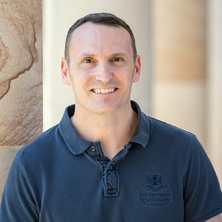
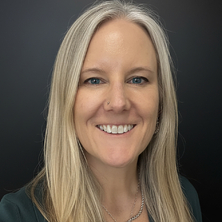
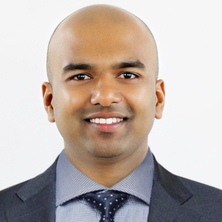
I am a molecular biologist and cancer researcher at the Institute for Molecular Bioscience (IMB), University of Queensland, investigating Inflammation and its link to metabolism as well therapeutic strategies against metastatic pancreatic ductal adenocarcinoma (PDAC) one of the most treatment-resistant and lethal cancers.
My work combines cell biology and immunology to understand how pancreatic tumours build protective barriers, evade the immune system, and spread to distant organs. I focus on dismantling these mechanisms to identify new therapeutic vulnerabilities.
Current research areas include:
PAR2 signalling, tumour immunometabolism, and desmoplastic remodelling
Cyclic peptide design, intracellular delivery, and fluorescence-based uptake characterisation
Protease-driven epithelial signalling and stromal-immune crosstalk
I work within Professor David Fairlie's group, using confocal microscopy, flow cytometry, and metabolic tracing to bridge molecular mechanism with drug design. My broader interests span cancer-associated fibrosis, metabolic reprogramming, and the development of multi-targeted compounds for cancers with high unmet clinical need.
Affiliate Research Fellow of Queensland Brain Institute
Queensland Brain Institute
Faculty of Health, Medicine and Behavioural Sciences
Postdoctoral Scientist
Institute for Molecular Bioscience
Availability:
Available for supervision
Media expert
Cells are the unit of life.
From the highly elongated neurons to the resilient and all enwrapping epithelial cells my work unravels a cell's structural building blocks, their repair tools and anti-infective arsenal.
My research aims at understanding the fundamental mechanisms by which cells maintain their integrity, fight infection and regulate their interface with the outside world, the plasma membrane membrane.
To study these elements I use a tiny roundworm called C. elegans as a model system and use precision gene editing, molecular biology, state-of-the-art microscopy and classical genetics.
I am currently developing this work as a Postdoctoral Researcher in the Parton laboratory at the Institute for Molecular Bioscience.
Faculty of Health, Medicine and Behavioural Sciences
Availability:
Available for supervision
I am a Senior Research Fellow, NHMRC Emerging Leader Fellow, and Group Leader at UQ Frazer Institute. I was awarded my PhD in late 2017 by Biomedicine Discovery Institute, Monash University. Under the UQ Health Research Accelerator (HERA) program, I lead a team to investigate T and B cell responses that profoundly regulate vaccine responses, viral clearance, and anti-tumour immunity.
My research program employs combinatorial methodologies of Biochemistry and Immunology to uncover new molecular mechanisms controlling T-cell-mediated immunity:
1. The action of T cells is required in antibody responses for suppressing viral infection or tumour growth and to confer protection upon vaccination. In particular, follicular helper T (Tfh) cells, a specialised subset of CD4+ T cells, essentially instruct the B cells to produce long-lived antibody protection. The knowledge of Tfh cells has fundamentally enabled vaccine development and therapy design for autoimmune diseases.
2. T-cell-derived cytokines play pivotal roles in both humoral and cellular immunity. Particularly, interleukin-21 (IL-21) is essential for supporting germinal centre (GC) reaction, where the B cell memory and long-lived antibody responses are generated. Besides, IL-21 is also the only known cytokine to maintain the functionalities of CD8+ T cells in the context of chronic infections or cancers by preventing a loss-of-function program termed 'exhaustion'.
This research program has generated multiple cutting-edge discoveries in the field, producing publications as 1st or joint 1st authors in top-tier journals including Nature Immunology, Science Immunology, and Nature Communications.
Postdoctoral Research Fellow, Materials Science and Sustainable Nanotechnology
Australian Institute for Bioengineering and Nanotechnology
Availability:
Available for supervision
Silvia Chowdhury is a Postdoctoral Research Fellow at the Australian Institute for Bioengineering and Nanotechnology (AIBN), The University of Queensland (UQ), Australia. She received her PhD in Materials Science from AIBN, UQ in May 2025. Prior to that, she earned a Master of Science (by Research) in Mechatronics Engineering from the International Islamic University Malaysia (IIUM), and a Bachelor of Science in Electrical and Electronics Engineering from the American International University-Bangladesh (AIUB). Her current research focuses on the design and fabrication of metal-organic frameworks with precisely tailored composition and morphology to optimise their performance in gas sensing and biosensing applications.
Affiliate of Centre for Cardiovascular Health and Research
Centre for Cardiovascular Health and Research
Faculty of Health, Medicine and Behavioural Sciences
Affiliate of Centre for Extracellular Vesicle Nanomedicine
Centre for Extracellular Vesicle Nanomedicine
Faculty of Health, Medicine and Behavioural Sciences
Professor and Director of UQ Advanced Cell Therapy Manufacturing Initiative
School of Chemical Engineering
Faculty of Engineering, Architecture and Information Technology
Availability:
Available for supervision
Professor Simon Cool is Professor of Bioengineering and Director of the UQ Advanced Cell Therapy Manufacturing Initiative in the School of Chemical Engineering at the University of Queensland.
Professor Cool began his scientific career at the University of Queensland more than 20 years ago. He received his BSc (hons) and PhD degrees from the University of Queensland, where he subsequently held a faculty position in the School of Biomedical Sciences. His areas of studies have included age-related changes in the structure of bone and teeth and the extracellular matrix compartment of skeletal tissue that guide stem cell behaviour and wound repair. Professor Cool was invited to join the Institute of Molecular and Cell Biology (IMCB), A*STAR, Singapore in 2003 as a Principal Investigator. He then joined A*STAR’s Institute of Medical Biology (IMB) in 2008, shortly after its inception, to further his research in regenerative medicine, serving as Senior Principal Investigator of the Glycotherapeutics Group. In October 2020, Professor Cool re-joined the Institute of Molecular and Cell Biology (IMCB) as a Research Director, Glycotherapeutics, where he focused on developing novel glycosaminoglycan biomolecules that enhance wound repair and control adult human mesenchymal stem cell activity.
Professor Cool has 117 patent applications across 26 families with 51 granted in the fields of glycosaminoglycan biochemistry, regenerative medicine and stem cell science. He has more than 150 publications and continues to foster strong strategic collaborations both nationally and internationally with academic and industry groups. He has a strong biomanufacturing and translational focus with experience in taking glycosaminoglycan-based devices through discovery RnD on to pre-clinical and clinical testing. Professor Cool also has an entrepreneurial and licensing background having successfully spun-off some of his technology to a US-based regenerative medicine start-up company, SMC Biotechnology Ltd. Professor Cool holds a Visiting Professor appointment at the Institute of Molecular and Cell Biology (IMCB), A*STAR, Singapore and an Adjunct Professor (Research) appointment in the Orthopaedic Department at the National University of Singapore (NUS). Prior to his move back to UQ, he previously held the position of Treasurer, Tissue Engineering and Regenerative Medicine International Society, Asia Pacific Chapter (TERMIS-AP) and Treasurer, Stem Cell Society Singapore (SCSS). He also held senior leadership positions in several Singapore-based R&D programmes, notably as Director, Allogeneic Stem Cell Manufacturing (ASTEM) and Theme Leader in Advanced Manufacturing for Biological Materials (AMBM). Prof Cool currently serves on the Editorial Board of the journals Biomaterials, Tissue Engineering and Regenerative Medicine, and is Asia-Pacific Regional Editor for Stem Cells and Development.
Faculty of Engineering, Architecture and Information Technology
Research Fellow
Australian Institute for Bioengineering and Nanotechnology
Availability:
Available for supervision
Dr. Wenyi Gu’s early education was conducted in China which include his undergraduate and master’s degrees in veterinary medicine. In 1996, he migrated to Australia and pursued his PhD study in biochemistry & molecular biology at the Australian National University (ANU). After a short period of work at John Curtin Medical School ANU as a junior scientist, he moved to Brisbane in 2001 for his post-doc at the University of Queensland and currently a post-doctoral research fellow at AIBN. He held a Peter Doherty Fellowship (2006-2009) and was further supported by NHMRC to spend 7 months at Harvard University as a visiting fellow in 2008. Since his post-doctoral research he has been working in the area of using RNAi to treat viral diseases and cancers. He also has a strong background in immunology and vaccine development.
Affiliate of Centre for Extracellular Vesicle Nanomedicine
Centre for Extracellular Vesicle Nanomedicine
Faculty of Health, Medicine and Behavioural Sciences
Principal Research Fellow
Frazer Institute
Faculty of Health, Medicine and Behavioural Sciences
Availability:
Available for supervision
Media expert
As Director of IMPACT (Immunocellular Manufacturing Platform for Advanced Cell Therapies), a MRFF-NCRI initiative, I lead a research program with extensive expertise in immunology, particularly in natural killer (NK) cells, focused on developing innovative approaches for treating hard-to-cure diseases like metastatic cancers. Our mission is to improve patient outcomes and extend lives. Recognized as an international leader in my field, I've been instrumental in identifying novel regulators of our immune functions, and developing NK cell-based immunotherapies.
My dedication to my field has been recognized through numerous peer-reviewed grants as sole-CI or CIA/Principal Investigator, including a NHMRC ECF Peter Doherty Fellowship, an NHMRC Project Grant, a US DoD grant, and a MRFF EMCR, among others. Since 2009, I've amassed a portfolio of >130 publications in renowned journals like JEM, Molecular Therapy, Nat Comms, and Nat Immunol. My body of work and contributions have been acknowledged with awards such as the 2019 Researcher of the Year by Cure Cancer Australia, 2020 QLD Young Tall Poppy Science, 2020 UQ Frazer Institute's Rising Star, 2022 Frazer Institute's Mentor of the Year, 2023 TRI – Connecting with the Clinic, and the 2025 Dr. Jian Zhou Foundation Award for Translational Medicine, among others. In addition, I currently serve as Deputy Editor of Immunology and Cell Biology.
Since 2024 I have served as Chair of Research and Non-Executive Director of Cure Cancer Australia, the national peak body for early- and mid-career cancer research funding, where I chair the research committee and oversee grant assessment panels. I also Co-Chair the Frazer Institute's Industry Engagement and Commercialisation Committee, shaping the Institute's approach to IP management, spin-out governance, and industry partnerships. Committed to translating fundamental discoveries into real-world therapies, I co-founded the venture-backed biotechnology company Sicario Tx, focused on advancing NK cell-based immunotherapies. I have also served as a scientific consultant and collaborator for national and international biotech companies, including Biotheus (now part of BioNTech's oncology pipeline), Prescient Therapeutics, and Microba Life Sciences, contributing to their development programs.
At present, I am a Group Leader / Principal Research Fellow & Associate Professor with the University of Queensland's Frazer Institute, where I direct IMPACT — UQ's cell therapy manufacturing and translational platform, operating as an academic CRO for academic and industry partners, from cell engineering and manufacturing through to trial-enabling preclinical studies. My research group is based at the Translational Research Institute (TRI). Here, I lead a high-performing research team with a keen focus on developing and innovating immunotherapy approaches for a spectrum of diseases.
Faculty of Health, Medicine and Behavioural Sciences
Availability:
Not available for supervision
Media expert
Dr. Vaibhavi Joshi is a postdoctoral research fellow at The University of Queensland Centre for Clinical Research. She is part of the Molecular Breast Pathology Lab alongside Prof. Sunil Lakhani, A/Prof Amy McCart Reed, and A/Prof Peter Simpson. Currently, she is working with with A/Prof Peter Simpson to investigate the molecular basis of breast cancer in young women, focusing on identifying novel biomarkers and potential targets to improve outcomes for this high-risk group.
Her research explores the hallmarks of metastasis, including tumor invasion,colonisation, and the tumor microenvironment. Dr. Joshi employs advanced molecular biology techniques to study cancer progression and uncover clinically relevant targets.
Dr. Joshi welcomes students and collaborators interested in cancer biology, metastasis, and innovative therapeutic strategies to join her in exploring cutting-edge projects.
Director of Research of School of Biomedical Sciences
School of Biomedical Sciences
Faculty of Health, Medicine and Behavioural Sciences
Affiliate of Centre for Motor Neuron Disease Research
Centre for Motor Neuron Disease Research
Faculty of Health, Medicine and Behavioural Sciences
Affiliate of Centre for Cardiovascular Health and Research
Centre for Cardiovascular Health and Research
Faculty of Health, Medicine and Behavioural Sciences
Associate Professor
School of Biomedical Sciences
Faculty of Health, Medicine and Behavioural Sciences
Availability:
Available for supervision
I am an Associate Professor in the School of Biomedical Sciences (SBMS) at The University of Queensland, where I teach physiology and lead research that explores how cells respond to stress, injury and disease. My work aims to better understand the molecular and cellular processes that influence health and disease, with a particular focus on areas relevant to cancer, heart disease, neurological conditions and emerging cell-based therapies.
I completed my doctorate at the University of Western Australia in Biochemistry and Cell Biology, where I studied how heart cells respond to signals that can drive abnormal tissue growth. I then undertook postdoctoral training in Singapore at the Institute of Molecular and Cell Biology, part of A*STAR, where my research expanded into understanding how the cytoskeleton, internal structures of cells, help control development and disease.
After returning to Australia, I was supported by national fellowships from the NHMRC and ARC, which enabled me to establish an internationally connected research program. My research brings together cell biology, imaging, computational approaches and emerging technologies to uncover how cells make critical decisions, including whether to survive or die under stress.
Alongside my research and teaching, I contribute to leadership within SBMS as Director of Research and support major research infrastructure initiatives across the Faculty of Health, Medicine and Behavioural Sciences (HMBS) as Academic Director of Research Infrastructure. I also serve on steering committees for UQ’s Viral Vector Core (VVC) and the Centre for Cardiovascular Health and Research (CCVHR), helping to strengthen the platforms and partnerships that support biomedical discovery and translation.
Faculty of Health, Medicine and Behavioural Sciences
Availability:
Available for supervision
Media expert
I am a neuroscientist investigating how cellular signalling and neuron–glia interactions shape brain development, neural circuit function and myelination across the lifespan, and how disruption of these processes contributes to neurodevelopmental and neurodegenerative disorders. My research focuses on neural progenitor cells, oligodendrocyte biology, myelination and neural circuit function, with the broader goal of understanding disease mechanisms and identifying therapeutic targets that can improve the treatment of neurological disorders.
I completed my PhD at the University of Tasmania, investigating ion channel signalling in oligodendrocyte progenitor cells and its role in cell survival, neural circuit function and myelination. I subsequently undertook postdoctoral research at The University of Queensland, including at the Queensland Brain Institute, where I investigated neural progenitor function, neuronal migration and cortical development in models of neurodevelopmental disorders. At Mater Research–UQ, my research has focused on oligodendrocyte dysfunction, myelination and cellular signalling in neurological disease, including multiple sclerosis-like pathology.
Across these research programs, I have developed expertise in developmental and cellular neuroscience, neural progenitor biology, neuron–glia interactions, oligodendrocyte biology, myelination and neural circuit function, using molecular and cellular approaches, advanced microscopy, electrophysiology, animal models and behavioural neuroscience. My broader research direction is to understand how dysfunction across different neural cell populations contributes to disease progression and how this knowledge can be translated into new approaches to prevent, treat or modify neurological disease.
Alongside my research, I contribute to tertiary teaching, student supervision and scientific communication across neuroscience, psychology and biomedical sciences. I am particularly interested in research-informed education and in developing the next generation of scientists by sharing scientific knowledge, technical expertise and practical research skills.
Faculty of Health, Medicine and Behavioural Sciences
Centre Director of Centre for Extracellular Vesicle Nanomedicine
Centre for Extracellular Vesicle Nanomedicine
Faculty of Health, Medicine and Behavioural Sciences
Availability:
Available for supervision
Media expert
I am Professor, NHMRC Investigator Fellow (EL2) and group leader (Exosome Biology Laboratory) at UQ Centre for Clinical Research. I am nationally and internationally (>20 invitations to international meetings in the last 5 years) acknowledged key opinion leader on Extracellular Vesicle (rated 3th worldwide (Top 0.015%) and 1st in Australia in expertise for “Extracellular Vesicles and Exosomes” on Expertscape) and biomarker discovery (140 publications, and >8000 citations in the last 7 year). I have made a major conceptual contribution to EV biology with diagnostic and therapeutic implications. In the last 8 years, my primary research and commercialisation activities have focused on the identification and validation of biomarkers, and development of In Vitro Multivariate Index Assays for clinically relevant complications (including ovarian cancers, and obstetrical syndromes) and their translation into clinical applications. In Academia, I have pursued these objectives through the development and leadership of clinical translation research teams and facilities, both in Australia and overseas. For example, I had a leadership role in established the Centre for Clinical Diagnostics (CCD). Within the UQCCR, I established an exosome research team to evaluate the clinical utility of extracellular vesicles as liquid biopsies, IVDs and therapeutics. Much of our effort in this field of endeavour has involved optimising isolation methods for extracellular vesicles and their analytical analysis - including the use of protein solution array (e.g. Luminex), mass spectrometry profiling (using MS/MS SWATH) and more recently miRNA analysis.
Australian Institute for Bioengineering and Nanotechnology
Availability:
Available for supervision
Dr Anuj Sehgal completed his at the Roslin Institute, University of Edinburgh (UK) (2013-2017), where he developed a long-term research passion for investigating the development and function of the immune system. In 2018, Dr Sehgal joined the Mater Research Institute as a Research Officer. Some key highlights of Anuj's work has identified unique associations between macrophages and stem cell niches across the body, including intestinal stem cells (Sehgal et al., 2018, Nat. Comms) and HSC-niches in the bone marrow and peripheral lymphoid organs (Kaur*, Sehgal* et al. 2021 J. Hem. Onco). In 2022, Anuj diverted from academic research to contract clinical trials at the Wesley Research Institute. More recently, Anuj has rejoined UQ as a Flow Cytometry research fellow in the Chappell Lab under the ViceBio team, working on cell mediated immune responses in RSV preclinical and clinical trials.
Faculty of Health, Medicine and Behavioural Sciences
Availability:
Available for supervision
Media expert
Dr Abbas Shafiee is leading a multidisciplinary program in Regenerative Dermatology and Biofabrication. His research integrates stem cell biology, organoid technology, and bioengineering to develop advanced human models and regenerative therapies for skin repair and disease.
Dr Shafiee completed his PhD in stem cell biology, discovering a previously unknown vascular stem cell population, termed the Meso-Endothelial Bipotent Progenitor, and mapping its molecular signatures (Stem Cell Reports 2018). This seminal discovery advanced the understanding of human vascular development and regeneration.
He subsequently joined Distinguished Professor Dietmar Hutmacher’s group, where he developed humanised tissue-engineered bone and tumour models that mimic cancer metastasis and tumor–stroma interactions. These models (International Journal of Cancer (2018), Biomaterials (2018, 2020), and Bone Research (2019), Acta Biomaterialia (2020), Bone (2022)) provided unprecedented insights into human-specific cancer biology and preclinical drug testing.
Dr Shafiee joined Metro North Health (MNH) in 2020 to lead a research program and develop, implement, and evaluate the applications of 3D printing, scanning, cell therapies, and biofabrication technologies in skin wound settings, and dermatology research. His team has developed vascularised and immune-integrated skin organoids and 3D-printed bioengineered grafts that accelerate wound closure with minimal scarring (Biomaterials 2021; Advanced Healthcare Materials (2022; 2025); Small 2024; Burns & Trauma 2025). These breakthroughs underpin new patient-specific skin disease models, and drug screening platforms (Acta Biomaterialia 2025). He is the lead inventor on an international patent protecting an Optimized Method for Generating Human Skin Organoids (WO/2025/097221), which forms the foundation for emerging commercial and translational partnerships. This body of work led to the establishment of the International Consortium for Organoid Research in Dermatology, a global network accelerating discovery and translation in skin biology, rare genetic skin diseases, and regenerative dermatology.
Dr Shafiee has secured >AUD $2.4M as Chief Investigator (>AUD $1.1M as CIA) in competitive research funding from national, international, philanthropic, and industry-supported schemes. Dr Shafiee has supervised more than ten PhD, Masters, honours students and contributed to multiple professional, editorial, and scientific leadership roles. He has authored over 88 peer-reviewed publications (>5,500 citations, h-index 40) and delivered more than 50 invited, keynote, and plenary presentations internationally. He serves on multiple professional and editorial boards, including Australian Wound & Tissue Repair Society (AWTRS), Burns & Trauma, and Engineered Regeneration. In recognition of his pioneering contributions to regenerative medicine and science communication, he has received multiple honours, including the 2024 Frazer Institute Rising Star Award, the 2025 AWTRS EMCR Award, and the 2025 Queensland Young Tall Poppy Science Award, and selection as a 2026 TEDx speaker, recognising his leadership in translating complex science to global audiences.
He actively engages with the media, schools, and community programs to inspire future scientists and raise public awareness of regenerative medicine and organoid technologies. His outreach has reached millions nationwide through major media coverage (e.g., The Australian, 7NEWS, ABC NEWS) .
Research areas:
Human iPSC-derived skin organoids and skin-on-chip models
Vascularization and immune integration in skin tissue engineering
Rare genetic skin diseases and personalized regenerative therapies
Translational biofabrication and wound healing technologies
Organoid-based preclinical drug discovery platforms
Honours, Masters, and PhD opportunities are available for motivated students interested in regenerative dermatology, biofabrication, and organoid biology.
Affiliate of Centre for Cardiovascular Health and Research
Centre for Cardiovascular Health and Research
Faculty of Health, Medicine and Behavioural Sciences
Affiliate Senior Research Fellow of School of Biomedical Sciences
School of Biomedical Sciences
Faculty of Health, Medicine and Behavioural Sciences
Affiliate of The Centre for Cell Biology of Chronic Disease
Centre for Cell Biology of Chronic Disease
Institute for Molecular Bioscience
Availability:
Available for supervision
Dr Melanie White heads the Dynamics of Morphogenesis Lab at the Institute for Molecular Bioscience (IMB), University of Queensland and is an ARC Future Fellow. She completed a PhD in Neuroscience at University College London followed by postdoctoral research at The University of Edinburgh. During this time Mel engineered viruses to modulate gene expression in the brain to investigate neuronal function and as a therapeutic approach for neurodegenerative disease. Her work was published in Neuron and PNAS, featured in Nature Reviews Neuroscience and received extensive international media coverage (including the BBC and The Guardian).
In 2012 Mel switched fields to apply quantitative imaging in developmental biology. Her work revealed key mechanisms driving the earliest morphogenetic events in mammalian embryogenesis and was published in Cell, Science, Nature Cell Biology, Developmental Cell and Nature Protocols. Her research was featured on the cover of multiple journals including Cell and she was awarded the inaugural American Society for Cell Biology Porter Prize for Research Excellence (2018).
In 2020, Mel joined the IMB where she will combine her passion for neuroscience and developmental biology to investigate the dynamics of neural tube morphogenesis.
Research overview
The brain and the spinal cord control most of the functions of the body and the mind, yet the dynamics of how they first form is poorly understood. Both structures arise from a common precursor, the neural tube, which forms very early in embryonic development. To generate the forces that sculpt and shape the neural tube, changes in cellular architecture must be tightly coordinated in space and time. These morphological rearrangements occur concurrently with biochemical signalling pathways that specify early neural cell fates.
Our research aims to understand how cellular properties and transcriptional regulators interact with mechanical forces in real time to direct vertebrate neural tube formation and neural cell fate specification. We study the dynamics of neural tube formation by applying advanced imaging technologies in transgenic avian models and human stem cell models.
Faculty of Health, Medicine and Behavioural Sciences
Availability:
Not available for supervision
Dr. Akila Wijerathna-Yapa is an interdisciplinary Biotechnology scientist and Postdoctoral Research Fellow at the Frazer Institute, University of Queensland, with over 12 years of expertise spanning Biochemistry, Molecular Biology, and Bioinformatics. Holding a PhD in Biochemistry from The University of Western Australia, an MSc in Molecular Biology from The Hebrew University of Jerusalem, an MBA from the University of Staffordshire, and B.Sc. (Hons.) Sp. Biotechnology from The Wayamba University of Sri Lanka, he brings a rare combination of deep scientific expertise and strategic project management insight to the life sciences.
Dr. Wijerathna-Yapa's research is defined by his ability to integrate advanced technologies—including mass spectrometry-based proteomics, peptidomics, metabolomics, lipidomics, NMR spectroscopy, and transcriptomics—to unravel molecular complexities and translate multi-omics data into actionable insights. His work spans molecular biology, cell culture bioprocess optimisation, clinical biomarker discovery, and spatial biology, with postdoctoral experience at The University of Queensland and Dalhousie University, and collaborative partnerships with leading research institutions across Sri Lanka, China, Israel, Australia, and Canada.
With a strong foundation in advanced statistical data analysis and a proven track record in project management and scientific communication, Dr. Wijerathna-Yapa bridges the gap between scientific discovery and practical innovation. He has authored over 25 peer-reviewed publications and has been recognised with prestigious international awards including the Australian Government Global Talent Independent visa and fellowships from the Higher Education Academy (FHEA, UKPSF). He is passionate about leveraging interdisciplinary knowledge to drive transformative advancements in biotechnology and life sciences.