Affiliate Associate Professor of Humanities and Social Sciences of Faculty of Humanities and Social
Faculty of Humanities, Arts and Social Sciences
Affiliate Associate Professor of School of Education
School of Education
Faculty of Humanities, Arts and Social Sciences
Associate Professor
Institute for Teaching and Learning Innovation
Availability:
Available for supervision
Media expert
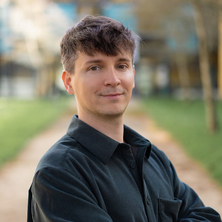
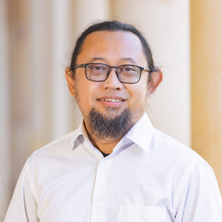
Dr Hassan Khosravi is an Associate Professor in Data Science and Learning Analytics at The University of Queensland. As a computer scientist by training, he is passionate about the role of artificial intelligence in the future of education. In his research, he draws on theoretical insights driven from the learning sciences and exemplary techniques from the fields of human-centred AI and crowdsourcing to build technological solutions that enhance student learning and experience. His past research and publications have addressed a number of diverse topics such as learning graphical models, statistical-relational learning, social network analysis, cybersecurity and game theory.
Hassan's teaching career includes coordinating 30 different offerings with class sizes ranging from 50 to 700, in 10 distinct courses to a total of approximately 7000 students at three top-ranked institutions: Simon Fraser University (SFU) and The University of British Columbia (UBC) in Canada, and The University of Queensland (UQ) in Australia. He has taught a range of courses including introductory programming courses, data structures and algorithms, artificial intelligence, database management systems as well as graduate-level data science courses. he also leads and teaches into a variety of formal and programs that mentor and foster the next generation of great teachers. These programs cover a wide variety of topics, including student-centred learning, active learning tools and strategies, supporting assessment design and delivery at scale, and enhancing teaching with learning analytics.
Hassan holds a Senior Fellowship with the Higher Education Academy, which has been awarded in recognition of his contributions to effective approaches to teaching and learning as well as successful coordination, support, supervision, management and mentoring of others in relation to learning and teaching.
Faculty of Health, Medicine and Behavioural Sciences
Affiliate of Dermatology Research Centre
Dermatology Research Centre
Faculty of Health, Medicine and Behavioural Sciences
Availability:
Available for supervision
Media expert
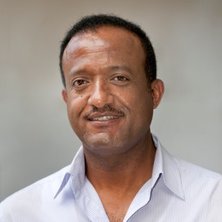
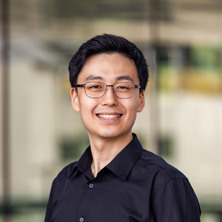
Professor Khosrotehrani is a clinical scientist, dircetor of the Frazer institute, the university of Queensalnd, sharing his passion for academic medicine and translation of science discorveries into real world solutions for patients. Prof Khosrotehrani is a dermatologist, interested in skin biology, regenerative medicine and skin cancer. He leads the Experimental Dermatology Group at the University of Queensland Frazer Institute within the Translational Research Institute in Brisbane, Australia. Dr Khosrotehrani obtained his MD from the Cochin-Port Royal School of Medicine at René Descartes University, Paris, France, where he specialized in Dermatology. He is a former graduate of the Ecole Normale Supérieure and the Institut Pasteur of Paris (Université Paris VI, Pierre et Marie Curie) where he obtained a PhD in Physiology and Physiopathology. He is a fellow of the Australian College of Dermatologists and a practising dermatologist at the Princess Alexandra Hospital, Prince Charles Hospital and the Skin and Cancer Foundation’s Queensland Institute of Dermatology.
As the inaugural St Baker-Soyer chair of Dermatology at the University of Queensland, Professor Khosrotehrani is a national leader in the discipline of Dermatology. He is a board director at the Australasian College of Dermatologists and the Queensland Skin and Cancer Foundation and the director of the Dermatology Department at the Princess Alexandra Hospital. He has held multiple leadership roles as past-President of the Australasian Society for Dermatology Research, Editor in chief of the Australasian Journal of Dermatology and board member of the International Society of investigative Dermatology.
During his post-doctoral training at Tufts-New England Medical Center, Boston, USA, Dr. Khosrotehrani helped establish the contribution of fetal stem cells to tissue repair by demonstrating their multipotent capacity with a specific potency towards the endothelial lineage. The originality of this work was acknowledged by the NHMRC through an achievement award (2011) and an NHMRC excellence award (2016). The main focus of his laboratory is on regenerative medicine and stem cell biology in particular in injury response in skin wounds and skin cancer and how these responses contribute to cancer initiation and progression. Translating his laboratory findings, Dr Khosrotehrani is leading innovative clinical trials in wound healing, keratinocyte cancers and melanoma.
Alexander Khromykh has PhD degree in Molecular Virology. He worked as Postdoctoral Fellow at the University of Ottawa in Canada. He then joined Sir Albert Sakzewski Virus Research Centre in Brisbane and became a laboratory Head in 2001. He moved his laboratory to St Luica campus in 2005 to take an appointment with the School of Chemistry and Molecular Biosciences (SCMB). He was the founding Director of the SCMB’s Centre for Infectious Disease Research and is currently the Deputy Director of the Australian Infectious Diseases Research Centre. He is also the Director of Centre of Excellence and a member of COVID-19 and Zika virus Task Forces in the Global Virus Network.
Faculty of Health, Medicine and Behavioural Sciences
Availability:
Available for supervision
Media expert
Dr. Behzad Kiani is a dedicated researcher specialising in spatial epidemiology of infectious diseases and human health, with a keen interest in advancing methodologies and applications within the field. Dr Kiani is currently a Research Fellow within UQ's ODeSI team. Previously, he was a Postdoctoral Researcher at the University of Montreal, Canada and before that an Assistant Professor at Mashhad University of Medical Science in Iran.
Dr. Kiani's research expertise is geoinformatics using spatial regression models and spatial cluster analysis. He has a PhD in medical informatics and a Master's degree in computer science. His work has informed global public policy and making, including urban planning and health, health resource allocation and identifying high-risk areas for different diseases at specific locations over time to implement more efficient and effective health interventions. He is a member of the executive of the International Society of Geospatial Health and is an associate editor of the Geospatial Health Journal. Dr Kiani has over 70 scientific publications in high-impact journals, including seminal work related to identify high-risk spatiotemporal patterns of cutaneous leishmaniasis in Iran and gentrification, neighborhood socioeconomic factors and urban vegetation inequities in Canada". He is an accomplished and passionate teacher, as well as supervisor and dedicated to nurturing the next generation of spatial epidemiologists and instilling in them a deep understanding of the field's principles and applications to improve global health.
Faculty of Health, Medicine and Behavioural Sciences
Availability:
Available for supervision
I am a Teaching Focussed academic and have been teaching in various disciplines of biomedical sciences since 2004. I feel most rewarded when I'm in the classroom engaged in direct mentorship of students' learning and development, acheived through collaborative peer and mentor activities and dialogue. Within the very large 1st and 2nd year courses I oversee, I am also invested in the development of our invaluable tutors as effective and high-quality mentors themselves, for every student.
My research interests are largely focused on students’ mastery of science communication and thinking skills, a highly complex and nuanced process. My research therefore focuses on supporting their acquisition of the conventions in science writing, critical thinking and science literacy, particularly in their early academic years, and better understanding the strategies they employ to facilitate this development. Feedback is an important component of this growth, so I am also interested in how students use and apply feedback, as well as developing tutors’ skills in the construction and delivery of rich feedback that is transferrable throughout students' progression.
I place a high value on feedback from students as well, consistently using this insight to inform our own practices in teaching and enhance the student experience. I am currently focusing on expanding my activities in this area through active collaboration with students as partners in the co-creation, review, design and evaluation of courses in biomedical science.
Faculty of Health, Medicine and Behavioural Sciences
Availability:
Available for supervision
I have received my PhD in organic electronics from the University of Bordeaux, France, in 2016. Since then, I have been working as postdoctoral research fellow at Queensland Brain Institute, the University of Queensland in Australia, carrying out research in organic electronics, experimental physics, materials science, optics and neuroscience.
My main research project is focused on applying organic electronics to neuroscience, particularly to optogenetic studies involving light manipulation of neurons. Within this framework, I published, inter alia, 3 research articles demonstrating successful detection and stimulation of neuronal activity using organic photodetectors (OPDs) and organic light-emitting diodes (OLEDs), and currently work on implantable organic neural probes. On a more fundamental level, I have pioneered the discovery of a novel method of light detection in OPDs, as well as contributed to the development of ultra-efficient infrared OPDs, reflected in many high-impact research articles.
My other areas of research also covers the development of smart wearable sensors for optimization of therapy in patients with Parkinson's Disease and other neurological movement disorders.
Faculty of Health, Medicine and Behavioural Sciences
Availability:
Available for supervision
I am a passionate biomedical research scientist leading a multidisciplinary research program focused on advancing wound healing. My work spans the full translational spectrum from uncovering fundamental biological mechanisms to developing clinically relevant prototypes to improve outcomes across the healing continuum, from initial bleeding control to tissue regeneration.
My research draws on expertise in materials science, cell biology and signalling to investigate the dynamic reciprocity between cells and the extracellular matrix and how biophysical cues and biochemical signals together instruct cellular responses. This includes studying both the fundamental biology of wound healing and the complex signalling cascades that govern tissue regeneration with the goal of identifying and developing novel therapeutic agents.
By employing reductionist model systems, we dissect key biological processes to enable the rational design of effective therapeutic prototypes to address unmet clinical needs.
A central focus of the wound healing research program is the control, development and application of fibrin-based biomaterials, which serve as the body’s provisional healing scaffold. Serving as proregenerative, resorbable delivery scaffolds. The formulation with innovative active pharmaceutical ingredients, including next-generation RNA therapeutics and bioactive compounds derived from nature, such as venom-based molecules, repurposing natures innovation for therapeutic use to develop targeted prototypes.
Faculty of Health, Medicine and Behavioural Sciences
Availability:
Available for supervision
Catherine is an academic, midwife, registered nurse and neonatal nurse with over 30 years clinical experience. Along with her continued clinical work Catherine has contributed to project, policy and advisory roles in Queensland Health.
Catherine joined the NMSW/UQ in as a lecturer 2015 after completing her PhD. She is the past Honours Co-ordinator for both Nursing and Midwiferyand has led the Masters of Midwifery program; researching health promotion and health care. Catherine is an active member of the Statewide Maternity and Neonatal Clinical Network.
In 2019 Catherine was awarded a Fellowship of the Higher Education Academy (FHEA) as international recognition to her committment to teaching and learning in higher education. Catherine teaches both undergraduate and postgraduate students in nursing, midwifery, counselling and social work in the School.
Catherine continues to share the findings from her research at conferences in Australia and internationally and in peer reviewed publications. Her goal is to continue to promote maternal health with a focus on health service delivery.
Dr Adhitya Marendra Kiloes is a Postdoctoral Research Fellow specialising in agribusiness, food systems, agricultural value chains, and systems thinking. His work examines how markets, policies, institutions, technologies, and stakeholder relationships can be better coordinated to support more inclusive, resilient, and sustainable agrifood systems. His research focuses on how agricultural value chains are organised and strengthened to improve market access, value creation, competitiveness, and smallholder participation. He applies systems thinking, system dynamics, and participatory approaches to understand complex relationships, feedback processes, trade-offs, and interdependencies, helping identify leverage points and support more effective decision-making. His expertise also includes agricultural policy and governance, consumer behaviour, agricultural marketing, rural enterprise development, and Gender Equality, Disability and Social Inclusion (GEDSI). Adhitya has worked across Indonesia, Australia, and Southeast Asia on research and capacity-development programs covering horticulture, rice, food security, peri-urban food systems, climate-smart agriculture, and sustainable supply chains. His broader experience includes community-based agricultural genetic resources management, Life Cycle Assessment, agricultural technology management, agronomy, and remote sensing. He is particularly interested in research that connects evidence, stakeholder knowledge, and practical action to support food-system transformation.
Faculty of Health, Medicine and Behavioural Sciences
Availability:
Available for supervision
Dr Seung Jae Kim is a Postdoctoral Research Fellow in the School of Biomedical Sciences at UQ. Dr Kim completed his PhD in neuroscience at the University of Sydney in 2019, where he used in vivo electrophysiology to study neuronal pathways driving cardiorespiratory complications (Kim et al. 2018, J Physiol; Kim et al. 2016, J Pharmacol Ther). In 2020, he joined the Monash University Discovery Program where he revealed that hypothalamic AgRP neurons regulate meal size to improve insulin sensitivity (Dodd et al. 2021, Sci Adv *co-first). Since joining the Vukovic laboratory in 2022, he is investigating how the brain communicates with the immune system during steady-state or dyshomeostasis. Specifically, he leads two independent lines of research that aim to (1) identify the anatomical region and physiological processes involved in peripheral immune cell migration into the central nervous system, and (2) understand the benefits of cytokine signalling in preventing ischemia-reperfusion injury following stroke.
Faculty of Health, Medicine and Behavioural Sciences
Higher Degree by Research Scholar
School of Dentistry
Faculty of Health, Medicine and Behavioural Sciences
Availability:
Not available for supervision
Dr Thomas Kim is a clinical associate lecturer at The University of Queensland. He was awarded a Bachelor of Dental Science (Honours) degree in 2020 and was further awarded a Postgraduate certificate in Dental Studies in 2024. Thomas was admitted as a member to the Royal Australasian College of Dental Surgeons and has been serving as a lecturer and course coordinator for the Doctor of Dental Medicine program at The University of Sydney and Bachelor of Dental Science (Honours) program at The University of Queensland.
Dr. Byungki Kim joined the UQ Business School in 2018 after completing his PhD at KAIST (Korea Advanced Instituted of Science and Technology) in South Korea. He is an empirical archival researcher in financial accounting, focusing on topics such as capital markets, corporate governance, corporate disclosure, and corporate social responsibility.
His research has been published in leading academic journals (FT50 | ABDC A*), including Contemporary Accounting Research and Journal of Business Ethics and presented at prestigious international conferences such as the American Accounting Association Annual Meeting, Academy of Management Annual Meeting, Hawaiian Accounting Research Conference, BYU Accounting Research Symposium, AFAANZ Annual Conference, Korea Accounting Association Annual International Conference, and Korean Securities Association Conference.
He also regularly serves as a referee for esteemed journals such as Journal of Business Finance & Accounting, British Accounting Review, Accounting & Finance, Journal of Contemporary Accounting & Economics, Asia Pacific Journal of Accounting & Economics, Australian Accounting Review, and Meditari Accountancy Research.
Faculty of Engineering, Architecture and Information Technology
Associate Professor
School of Electrical Engineering and Computer Science
Faculty of Engineering, Architecture and Information Technology
Availability:
Available for supervision
Prospective Students
Please visit the link (https://sites.google.com/view/dsteam/pros-students).
Short Biography
Dr. Dan Dongseong Kim is Deputy Director of UQ Cybersecurity and an Associate Professor (Reader in the commonwealth system) (continuing appointment) in Cyber Security at The University of Queensland (UQ), Brisbane, Australia. Before UQ, he was a faculty member (permanent academic staff; Senior Lecturer 2015-2018, Lecturer 2011-2014) in Cyber Security in the Department of Computer Science and Software Engineering at The University of Canterbury (UC), Christchurch, New Zealand from 2011 to 2018. From 2008 to 2011, he was a postdoc at Duke University, Durham, North Carolina in the US. He was a visiting scholar at the University of Maryland, College Park, Maryland in the US in 2007. His research interests are in Cyber Security and Dependability for various systems and networks. Please visit his research team webpage: https://sites.google.com/view/dsteam/
Publications
Google Scholars (7900+ citations, h-index: 46, i10-index: 134): https://scholar.google.com/citations?user=dIIYVQkAAAAJ&hl=en
Adversarial Machine Learning for Network Intrusion Detection Systems: A Comprehensive Survey, IEEE Communications Surveys & Tutorials [Impact factor in 2021: 33.84]
Toward Proactive, Adaptive Defense: A Survey on Moving Target Defense, IEEE Communications Surveys & Tutorials 2020 [Impact Factor 2018-19: 22.973]
A Survey on Threat Situation Awareness Systems: Framework, Techniques, and Insights, ACM Computing Surveys, 2022 [Impact Factor 2021-22: 10.282, ranked 4/137 in Computer Science Theory & Methods]
Evaluating the effectiveness of shuffle and redundancy MTD techniques in the cloud. Computers & Security (2021) [Impact factor: 4.438]
Threat-Specific Security Risk Evaluation in the Cloud. IEEE Trans. Cloud Comput. 9(2): 793-806 (2021) [Impact factor: 4.714]
Dynamic Security Metrics for Measuring the Effectiveness of Moving Target Defense Techniques, Computers & Security, Elsevier, 2018 [Impact factor: 4.438]
Assessing the Effectiveness of Moving Target Defenses using Security Models. IEEE Transactions on Dependable and Secure Computing (IEEE TDSC), 2016. [CORE Rank A, Impact factor: 6.404]
Recovery from software failures caused by Mandelbugs. IEEE Transactions on Reliability, 2016. [CORE Rank A, Impact factor: 2.79]
Scalable Security Models for Assessing Effectiveness of Moving Target Defenses, IEEE/IFIP DSN 2014 [CORE Rank A*]
Sensitivity Analysis of Server Virtualized System Availability. IEEE Transactions on Reliability, 61(4): 994-1006, 2012. [CORE Rank A, Impact factor: 2.293]
Scalable Optimal Countermeasure Selection using Implicit Enumeration on Attack Countermeasure Trees, IEEE/IFIP DSN 2012 [CORE Rank A*]
Research Sponsors (past and current)
NSF (US), IBM T.J. Watson (US), US Army Research Lab./DEVCOM-Pacific (US), NEC (Japan), Tait Comm. (NZ), MBIE (NZ), NPRP (Qatar), ADD (Republic of Korea), NRF (Republic of Korea), etc.
Ph.D. graduates (selected)
1. Ke He (Ph.D., University of Auckland, May 2024, co-supervisor): Adversarial Attacks, Defences and Visualisation for AI-based NIDS. (Lecturer at The University of Canterbury, New Zealanad).
2. Kok Onn Chee (Ph.D., University of Queensland, Jan 2024: Principal Advisor): Security Modelling and Analysis of Internet of Things against Evolving Attacks.
3. Minjune Kim (Ph.D., University of Queensland, 2023: Principal Advisor): Security and performance evaluation of software defined networking adopting moving target defenses (Senior Research Engineer at CSRIO's Data61, Australia).
4. Dilli P. Sharma (Ph.D., University of Canterbury, 2020; senior supervisor at UC, -> co-supervisor at UQ): Software-defined networking based moving target defenses. (Postdoc at U. of New Brunswick, Canada -> Postdoc at the University of Toronto, Canada -> Postdoc, York U., Canada).
5. Taehoon Eom (Ph.D., 2020, KAU, Korea, co-supervisor): Security modeling and analysis for performance enhancement in software defined network (Researcher at KAU-> Research Professor at KAU -> Artificial Intelligence Industry Cluster Agency (AICA), South Korea).
6. Hooman Alavizadeh (Ph.D., Massey University, NZ, 2019, co-supervisor): Effective Security Analysis for Combinations of MTD Techniques on Cloud Computing (a Postdoc, Massey University -> Postdoc at UNSW Canberra->Lecturer at U of Sydney-> Lecturer (continuing academic staff), La Trobe University, Australia).
7. Kieran Morris (Ph.D., ECE, University of Canterbury, NZ, 2019, co-supervisor): Reliability and resilience evaluation of distribution automation (first employment: Tait communications, NZ-> Noted Ltd -> Transpower, NZ).
8. Simon (Enochson) Yusuf (Ph.D., Computer Science, NZ, University of Canterbury, Dec 2018, senior supervisor): Dynamic Cyber Security Modeling and Analysis (Postdoc at UQ-> Lecturer (continuing academic staff) at Federal University Kashere (FUK), Gombe, Nigeria -> Lecturer at Whitecliffe College, New Zealand. )
9. Mengmeng Ge (Ph.D., Computer Science, University of Canterbury, 2018; senior supervisor): Graphical security modeling and assessment for the Internet of things (Senior Lecturer, Monash University, Australia).
10. Iman Elmir (Ph.D., Hassan 1st Univ. Morocco, 2017, co-supervisor): Security Modeling and Analysis of Intrusion Tolerant Data Centers
11. Jin B. Hong (Ph.D., Computer Science, University of Canterbury, April 2015, senior supervisor): Scalable and Adaptable Security Modeling and Analysis. (First employment: Postdoc, UC, NZ -> Lecturer, then Senior Lecturer in Cybersecurity at U of Western Australia)
12. Nguyen Tuan Anh (Ph.D., August 2015, KAU, co-supervisor): Availability Modeling and Analysis of Data Center Systems using Stochastic Reward Nets. (Postdoc, Kunkuk University, South Korea -> an Academic Research Professor, Kunkuk University, South Korea -> Viettel Group, Vietnam -> Director of Robot Software and Control, VinDynamics)
Cyber Security Research Experience
Dan Dongseong Kim has been working on various topics in computer and network security since 2001. Dan started his research with crypto algorithms design, implementation, and testing for hardware devices such as FPGA/ASICs. Then, he worked on machine learning/data mining approaches for (host-based, network-based) intrusion detection from 2001 onward. His master's thesis was a machine learning (ML)-based network intrusion detection. He worked on various computer and network security topics such as an intelligent SIEM (it was called enterprise security management at that time), authentication protocols for RFID systems, security and privacy for Wireless Sensor Networks (WSNs), etc. His Ph.D. topics were security and privacy for WSNs. He spent one year as a visiting scholar at The University of Maryland (UMD), College Park, Maryland in the US in 2007 under the supervision of Prof. Virgil D. Gligor.
He started working on dependability more seriously in addition to Cyber Security in 2008 when he started his postdoc research at Duke University under the supervision of the Hudson Chaired Professor Kishor S. Trivedi. He worked on research projects funded by the US NSF, NEC Japan, and IBM T.J. Watson in the area of dependability (availability/performance) of data centers/cloud computing and cybersecurity modeling & analysis.
Since he became a faculty member at The University of Canterbury, New Zealand in August 2011, he explored deeply the area of graphical models for cybersecurity, metrics, measurement, and efficient evaluation methods for automated cybersecurity modeling and analysis and applied those key ideas to Cloud computing, Internet of Things (IoT), Moving Target Defenses (MTD), cyber deception, and automated cyber-attacks generation. He has focused more on practical adversarial machine learning attacks and robust defence in network intrusion detection systems for IoT and autonomous vehicles since he joined the UQ in 2019. He worked with diverse groups of people from various countries including Australia, Bangladesh, Brazil, China, Germany, Hong Kong, India, Iran, Italy, Japan, Saudi Arabia, South Korea, Mongolia, Morocco, Malaysia, Nepal, New Zealand, Nigeria, Pakistan, Qatar, USA, UK, and Vietnam.
Academic Genealogy
As for his academic genealogy, his Ph.D. thesis advisor was
Jong Sou Park (Pennsylvania State University, Ph.D., 1994); his one was
Paul Thomas Hulina (Pennsylvania State University, Ph.D., 1969); then it runs back through
Jon Gustav Bredeson (Northwestern University, Ph.D., 1967),
Seifollah Louis Hakimi (The University of Illinois at Urbana-Champaign (UIUC), Ph.D., 1959),
Mac Van Valkenburg (Stanford University, Ph.D., 1952),
Oswald Garrison Villard, Jr. (Stanford University, Ph.D., 1949),
Frederick Emmons Terman (widely credited as being the father of Silicon Valley) (Massachusetts Institute of Technology (MIT), 1924, Sc.D.) and
Vannevar Bush (Jointly Harvard/MIT, D. Eng., 1916) to
Arthur Edwin Kennelly (Professor at Harvard/MIT) (who was working in Thomas Edison's West Orange Laboratory from December 1887 to March 1894) and Dugald C. Jackson.
His postdoc advisor is Professor Kishor S. Trivedi (UIUC, Ph.D., 1974) who is a Life Fellow of IEEE and the Hudson Distinguished Professor of Electrical and Computer Engineering at Duke University, USA. Please visit the academic tree from Duglad C. Jackson up to the ancestors at the academic tree (link).
Director of HDR Students of School of Civil Engineering
School of Civil Engineering
Faculty of Engineering, Architecture and Information Technology
Associate Professor
School of Civil Engineering
Faculty of Engineering, Architecture and Information Technology
Availability:
Available for supervision
Jiwon Kim is an Associate Professor in Transport Engineering and the Director of Higher Degree by Research in the School of Civil Engineering at the University of Queensland. She was a DECRA Fellow (2019-2022) sponsored by the Australian Research Council. She joined UQ in 2014 after completing her PhD research at Northwestern University. Prior to joining Northwestern, she worked at Samsung C&T (Engineering & Construction Group). She received Bachelor’s and Master’s degrees in civil engineering from Korea University.
Her research interests broadly encompass the application of Artificial Intelligence and Machine Learning (AI/ML) to enhance prediction, automation, and insight generation in transportation and urban mobility. She is passionate about developing intelligent autonomous systems that facilitate real-time traffic management and control, mobility service optimization, and traveller support. Her current research explores the potential of deep learning, reinforcement learning, and other cutting-edge AI/ML approaches to achieve these objectives.