School of Electrical Engineering and Computer Science
Faculty of Engineering, Architecture and Information Technology
Affiliate of Centre for Enterprise AI
Centre for Enterprise AI
Faculty of Engineering, Architecture and Information Technology
Professor of Artificial Intelligence of Queensland Digital Health Centre
Queensland Digital Health Centre
Faculty of Health, Medicine and Behavioural Sciences
Availability:
Not available for supervision
Media expert
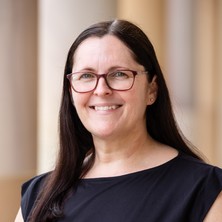
I am a Professor of Artificial Intelligence in the School of Electrical Engineering and Computer Science at The University of Queensland, Meaanjin/Brisbane, Australia.
My research draws on machine learning, reinforcement learning, AI planning, interaction design, and cognitive science, to help people to make better decisions. I have done work on areas including explainable AI, human-AI planning, and human-centered decision support.
Prior to my appointment at The University of Queensland, Tim was a Professor of Computer Science in the School of Computing and Information Systems at The University of Melbourne, where I was founding co-director of The Centre for AI and Digital Ethics. I am an honorary professor at the University of Melbourne.
If you are an organisation applying artificial intelligence or looking to apply artificial intelligence, especially in south-east Queensland, please reach out. I am always interested to hear what organisations are currently doing, the opportunities and barriers in this space, and how the University of Queensland can help.
If you are prospective PhD student interested in studying for a PhD under my supervisor, see here.
Dr Carmen Mills is an Associate Professor in Teaching, Learning and Classroom Pedagogy in the School of Education at The University of Queensland, where she is the Director of Teaching and Learning. Her research interests are informed broadly by the sociology of education. She has an international reputation for significant research contributions in the areas of social justice in education, schooling in disadvantaged communities and teacher education for the development of socially just dispositions. As a socially critical researcher, informed by the work of Pierre Bourdieu and others, she is concerned to explore questions related to whose interests are served by the social arrangements evident in educational contexts and how these arrangements might be structured more equitably. She is experienced in undertaking empirical research with others from a range of disciplinary backgrounds, bringing her particular experience in interviewing and observation, her empirical interest in equity and social justice, as well as her understanding of Bourdieuian theoretical concepts, to these research teams.
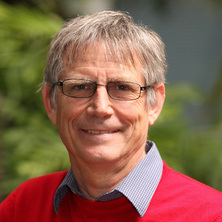
Professor Martin Mills's research interests include the sociology of education, social justice in education, alternative schooling, gender and education, school reform and new pedagogies. Martin’s work in these areas has been significant in contributing to international and national debates on these topics. His recent co-authored books include Re-engaging young people in education: learning from alternative schools and Boys and schooling: Beyond Structural Reform.
He is a Fellow of Academy of the Social Sciences in Australia (ASSA), the immediate Past President of the Australian Association for Research in Education (AARE), holds a Visiting Professorship at Kings College London and is a Life Member of Clare Hall Cambridge University. Martin has also been on a number of government advisory committees, for example, the Equity Advisory Group to the Queensland Studies Authority. Substantial policy advice has also been provided through the numerous government reports that he has co-authored, the most recent of which are a report to the Australian Capital Territory government on the alternative provision of schooling in that Territory and a report to the Queensland Department of Education, Training and Employment on disengagement in Queensland Schools.
Affiliate of Centre for Innovation in Pain and Health Research (CIPHeR)
Centre for Innovation in Pain and Health Research
Faculty of Health, Medicine and Behavioural Sciences
Affiliate of Centre for Marine Science
Centre for Marine Science
Faculty of Science
Professor
School of Veterinary Science
Faculty of Science
Availability:
Available for supervision
Media expert
Veterinary pharmacology and therapeutics, with special interest in transdermal drug delivery, pulmonary therapeutics and the control of inflammation. An additional interest includes wildlife ecology and therapeutics.
Paul Mills graduated from UQ School of Veterinary Science in 1987 and, after a period in clinical practice, completed a PhD investigating pharmacological control of inflammation in racing animals. He undertook a 3 year postdoctoral position at The Animal health Trust in the United Kingdom and established the Oxidative Stress research group. He was also the team veterinarian on a study of heat and humidity in horses towards the Atlanta Olympic Games. He returned to Australia and undertook positions as a NHMRC Senior Research Officer at the Princess Alexandria Hospital and as a Senior Government Veterinary Officer with Racing Queensland.
A/Prof Mills re-joined the School of Veterinary Science in 2001 and established the Pharmacology Research Unit to focus research into veterinary pharmacology. He was also a co-founder of Veterinary Marine Animal Research, Teaching and Investigation (Vet-MARTI; http://www.uq.edu.au/vetschool/vet-marti) in 2008. He has attracted over $2 million in research funding during this time and is the author on more than 100 peer-reviewed scientific publications. A/Prof Mills is a member (by examination) of the Australian College of Veterinary Scientists for Veterinary Pharmacology and an external reviewer for the Australian Pesticides and Veterinary Medicines Authority. He currently teaches veterinary pharmacology and anatomy, receiving UQ and ALTC awards and funding for teaching innovations.
Faculty of Health, Medicine and Behavioural Sciences
Availability:
Not available for supervision
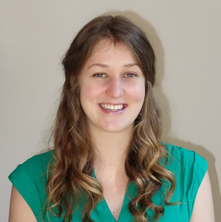
Kiara is a social psychology researcher at the Poche Centre for Indigenous Health at The University of Queensland as a research fellow. She is currently focused on strengths based approaches to sexual health and relationships and sexuality education for young Aboriginal and Torres Strait Islander people. She received her doctorate from the University of Queensland in July 2021 for her PhD research project, The role of idealising jealousy in inhibiting the identification of and response to non-physical intimate partner violence: a schema theory approach. She has since completed a post-doctoral research fellowship on sexual consent in Australia.
Kiara has a passion for applying quality research techniques to identify practical strategies for real improvements across a range of social issues. Kiara is experienced in quantitative and qualitative research methods, and holds a strong commitment to research transparency, methodological rigour, and collaborative research as the foundation of positive social change. She is also dedicated to research communication and has previously written and edited a blog page for social change research.
Faculty of Engineering, Architecture and Information Technology
Availability:
Available for supervision
Media expert
Dr Mehrnoosh Mirzaei is an interdisciplinary designer, design researcher, and educator. She is a Lecturer in Design at the School of Architecture, Design and Planning, The University of Queensland (UQ). She holds a Bachelor’s and Master’s degree in Industrial Design from the University of Tehran, specialising in Product Design, and completed her PhD at the Queensland University of Technology (QUT) in 2023. Her doctoral research explored the potential of experiential learning and embodiment within disaster risk reduction (DRR) education for children, using Research-through-Design and participatory methods. The study produced a three-step design model for creating child-centred, inclusive, and practitioner-friendly DRR learning frameworks. Her research is interdisciplinary, addressing complex social and environmental challenges through design-led approaches that bridge education, community resilience, and health. Mehrnoosh’s work focuses on enhancing climate adaptation, risk perception, and well-being through participatory and embodied design methods. She leads and collaborates on projects such as the Tropical Bus Stop (TAP) project and Resilient by Design, which connect design research with real-world impact across communities, local governments, and industry.
Beyond academia, Mehrnoosh has extensive professional experience as an industrial designer, with a portfolio spanning the automotive, homeware, and toy industries, and she received the Bronze A’ Design Award (2017) for her work “Escher.” She also partners with government and health organisations to develop co-design frameworks and user engagement tools, including design-driven risk awareness programs for children and healthcare system design improvements. Mehrnoosh integrates these experiences into her teaching, advancing interdisciplinary and user-centred design practice to prepare the next generation of designers for complex societal challenges.
Faculty of Engineering, Architecture and Information Technology
Availability:
Available for supervision
Dr. Partha Narayan Mishra obtained his PhD in Geotechnical Engineering from the University of Queensland, Australia in 2020 with the Dean’s Award for Outstanding HDR theses. He was conferred with the Institute Gold and Institute Silver Medals from National Institute of Technology Rourkela, India during his graduation with a dual degree (B.Tech. Hons. In Civil Engineering and M.Tech. in Geotechnical Engineering) in 2015.
Research
Partha is a Geotechnical Engineer and researcher with research interests in the arenas of improvement of soft soils, behaviour of unsaturated soils, electromagnetic characterisation and monitoring of soil processes, biomediated geotechnical engineering and clay barrier systems in hazardous waste disposal facilities. Outcomes of his research have been summarised in 30+ technical articles in top tier international journals, conferences, and book chapters. In academic and research space, Partha has worked as a summer research fellow at IIT Guwahati, India (2013) and at IIT Madras, India (2014), research scholar at IIT Madras, India (2015-2016), casual academic/research assistant in Civil Engineering at UQ, Australia (2016-2020), adjunct lecturer in Civil Engineering at UQ, Australia (2020-cont.) and at UCSI university, Malaysia (2020-2021).
Industry
As a practicing engineer, he has worked on several projects pertaining to tailings storage facilities (TSFs) in Australia and overseas. His industry experience comprises of working as a consulting geotechnical engineer with Klohn Crippen Berger (KCB Australia) (2020- 2021) and as an owner’s engineer with Rio Tinto Aluminium (2021-2022). Through these roles he has developed an intimate understanding of the challenges encountered in engineering, operation, and management of TSFs, some of which he aims to address through his research.
Teaching
Partha has co-supervised 1 PhD, 1 masters, 2 bachelors and 3 summer research thesis to completion at UQ. He currently advises 2 PhD and 5 masters students. He has co-delivered Advanced Soil Mechanics (CIVL4230) at UQ in 2021. He has also tutored Fundamentals of Soil Mechanics (CIVL2210) and Geotechnical Engineering (CIVL3210) at UQ from 2016 - 2020. In 2020, Partha initiated the ‘Lecture Series on Advancements in Geotechnical Engineering: from Research to Practice’ (AGERP) in collaboration with Professor Sarat Das. The AGERP lecture series is a pro-bono attempt towards disseminating the coupled learnings from academia and industry on several key topics in Geotechnical Engineering. The AGERP lecture series has reached to participants (academics, practicing engineers and students) from over 125 countries. More on the AGERP initiative is here: https://www.age-rp.com/. Partha was conferred with fellowship (2021) and associate fellowship (2019) from the Higher Education Academy, UK for his teaching portfolio benchmarked against UK Professional Standards Framework (UKPSF) for teaching and supporting learning in higher education.
Service
Partha is a member of the Australian Geomechanics Society (AGS), the International Society of Soil Mechanics and Geotechnical Engineering (ISSMGE), the Indian Geotechnical Society (IGS) and an associate member of the American Society of Civil Engineers (ASCE). He regularly reviews technical articles (50+ so far) for top tier international journals in the discipline such as Geotechnical Testing Journal, Acta Geotechnica, Journal of Materials in Civil Engineering etc. Partha was the President of UQU association of postgraduate students (2016-2017) and chair of the annual conference of the EAIT faculty of UQ (2017-2018). He has also sat in the UQ library advisory committee (2018) and student experience committee of UQ academic board (2017).
Centre Director of Australian Women and Girls' Health Research Centre
Australian Women and Girls' Health Research Centre
Faculty of Health, Medicine and Behavioural Sciences
NHMRC Leadership Fellow
School of Public Health
Faculty of Health, Medicine and Behavioural Sciences
Availability:
Available for supervision
Gita Mishra AO is Professor of Life Course Epidemiology at the University of Queensland (UQ) and is internationally recognised for her research on women’s reproductive health and chronic conditions across life. She is the founding Director of the Australian Women and Girls’ Health Research (AWaGHR) Centre at UQ with a 40-strong multidisciplinary team, including 12 PhD students, that has arisen out of her leadership of the NHMRC Centre of Research Excellence in Women and Non-Communicable Diseases (2019-2025). Professor Mishra is currently an NHMRC Leadership Fellow (Level 3; 2022-2031), having previously been awarded with an ARC Future Fellowship (2013-2017) and an NHMRC Principal Research Fellowship (2017-2021).
Within the AWaGHR Centre, she is Director of the Australian Longitudinal Study on Women’s Health (ALSWH), a national flagship study since 1996 with data on over 57,000 women in four age cohorts. She leads a series of NHMRC and MRFF funded studies, including on endometriosis, menstrual disorders, and perimenopause and menopause, that place strong emphasis on the life course and the inclusion of women from First Nations’ communities and from culturally and linguistically diverse backgrounds. The Centre also hosts InterLACE, the International collaboration for a Life course Approach to reproductive health and Chronic disease Events which Professor Mishra has developed and led since 2012. InterLACE now combines data from more than 1.2M women in 35 studies in 19 countries and has become a leading resource for robust evidence on women’s health. As a result, she regularly presents findings from InterLACE and from the AWaGHR Centre at international policy meetings, including as an expert contributor at the UN Commission for the Status of Women in New York and at the WHO in Geneva.
Over her career, Professor Mishra has authored over 500 scientific papers, invited reviews, book chapters, and evidence reports. She is lead editor of “A Life Course Approach to Women’s Health”, a key text that presents the latest research in the field and is part of the ground-breaking Life Course Series from Oxford University Press. She works extensively with governments, especially with Australian Department of Health and Aged Care. She led the 2018 evidence review for the inform the National Women’s Health Strategy 2020-2030, which prioritised a life course approach. In 2023, she was scientific advisor to Queensland Health for the Queensland Women and Girls’ Health Strategy 2023-2032.
In her current role in supporting health policy implementation and research priorities, she is a founding member of the National Women's Health Advisory Council established by the Australian Government and is on the Strategic Advisory Committee for the Queensland Women and Girls’ Health Promotion Program. From 2023-2025 she was co-president of the 16th World Endometriosis Congress in Sydney and is currently Chair of the Queensland branch of the Heart Foundation.
In 2017, Professor Mishra became a Fellow of the Australian Academy of Health and Medical Sciences and in 2025 she was appointed as President-elect for the World Endometriosis Society (2025-2027). She has received prestigious awards for her contribution to research and education, including the 2022 RANZCOG Award for Excellence in Women’s Health. In 2025, she was honoured with the title of Officer of the Order of Australia (AO) and awarded an Honorary Doctorate from Stockholm University.
I am an ARC Future Fellow at UQ with interdisciplinary research interests spanning social and biological sciences. My work examines how environmental and societal structures shape skeletal growth, metabolism, and health, drawing on technical expertise in skeletal histology applied across bioarchaeology, biology, biomedicine, forensics, and palaeontology. I have attracted ~$1.7M in competitive funding as PI (>$3.3M including collaborative grants), including an ARC DECRA and Future Fellowship.
I currently serve as Editor‑in‑Chief of Anthropological Review, Editorial Board Member of Annals of Human Biology, and Vice‑President of the Australasian Society for Human Biology. In 2024, I received the Linnean Society of London’s Trail‑Crisp Medal for contributions to microscopy in natural history.
My career spans academic, government, and industry roles in Australia, the UK, and the Netherlands, including positions at Naturalis Biodiversity Center, the Australian Government, ANU, Imperial College London, and the University of Kent, where I completed my BSc (Hons), PhD, and PGCHE. My previous service includes Treasurer of the Australasian Society for Human Biology and editorial roles with The Proceedings of the Royal Society of Queensland, Scientific Reports, and Anthropological Review.
My current research focuses on using satellite optical data to map and monitor increasing woody vegetation in NSW. A robust method is sought that will complement existing State Government reporting on the extent of land clearing. My other research interests include the use of multi-sensor Earth Observation data for progressive burnt area mapping and post-fire recovery monitoring.
Faculty of Health, Medicine and Behavioural Sciences
Associate Professor in Nursing
School of Nursing, Midwifery and Social Work
Faculty of Health, Medicine and Behavioural Sciences
Availability:
Not available for supervision
Amy is an Associate Professor in the School of Nursing, Midwifery and Social Work and affiliate of the Parenting and Family Support Centre at UQ. She is the recipient of consecutive Children's Hospital Foundation Early Career Fellowships (2018-2021, 2021-2022). Amy is a paediatric nurse and completed her PhD (Health) in 2011, for which she received the Executive Dean's Commendation for Higher Degree Research. Amy's productive program of interdisciplinary research draws on health and behavioural science methodologies to understand the role of parents and parenting in child health and development, identify targets for intervention, and develop and test evidence-based parenting support interventions to improve children’s health and developmental outcomes. Current areas of focus include the use of evidence-based parenting support to improve outcomes for children with chronic health conditions (e.g., asthma, eczema, type 1 diabetes, PKU) and neurodevelopmental differences (e.g., autism), supporting families to develop healthy habits from early childhood (e.g., oral health, nutrition, screen use), and supporting parents in the transition to parenthood (e.g., perinatal mental health, breastfeeding). Amy is also the Program Lead for the Master of Nursing (Graduate Entry) and a Fellow of the Higher Education Academy (HEA).
Affiliate of University of Queensland Centre for Hearing Research (CHEAR)
Centre for Hearing Research
Faculty of Health, Medicine and Behavioural Sciences
Affiliate of Centre for Health Outcomes, Innovation and Clinical Education (CHOICE)
Centre for Health Outcomes, Innovation and Clinical Education
Faculty of Health, Medicine and Behavioural Sciences
Senior Lecturer Clinical Psych
School of Psychology
Faculty of Health, Medicine and Behavioural Sciences
Availability:
Available for supervision
Dr Mitchell is a Clinical Psychologist and Clinical Neuropsychologist who currently holds a Senior Lecturer (Clinical Psychology) position within the School of Psychology at The University of Queensland (UQ). Teaching and learning occurs within the postgraduate psychology space and her role also incorporates that of the Clinical Academic at the UQ Psychology Clinic where she oversees the practical training of provisional psychologists. Dr Mitchell maintains her clinical practice skills via locum roles, consulting in aged care facilities, & private practice. She also supervises psychologists who are completing their studies, as well as those looking for ongoing development, particularly in the areas of working with older adults and assessment across the lifespan.
Dr Mitchell's research is primarily focused on clinical areas, including carers of people living with dementia, management of BPSD, financial capacity, and more recently, it has turned to anxiety in Parkinson's disease and in dementia. Her PhD considered the topic of wisdom and ageing within a successful ageing framework and her more recent areas of interest include working with animals within the clinical space (including in relation to coping with the loss of animals) and the role of engagement with nature on mental health and wellbeing (further emphasising her more overarching research theme of improved wellbeing). Her particular area of interest more broadly is geropsychology & she sees her skills as both a Clinical Neuropsychologist & Clinical Psychologist being well-suited to research and clinical work in this area. Dr Mitchell is also interested in curriculum (including interprofessional contexts), teaching, & supervision issues within the field of psychology. Her overall clinical focus in research, supervision, and in practice, is formed within strengths-based frameworks.
Dr Mitchell is a Fellow of the Australian Psychological Society (APS) and is a committee member of the APS Psychology and Ageing Interest Group. She presents at conferences, psychology meetings, & community group meetings throughout the year. An ad hoc reviewer for a number of ageing-related journals (including International Psychogeriatrics; Journals of Gerontology: Psychological Sciences; & the Australasian Journal on Ageing), she also reviews theses & manuscripts on topics related to ageing in particular. Her expertise has also seen her gain roles within advisory groups (Australian Department of Health) looking at reablement in older adults (both in the community and in aged care). She has also represented mental health in older adults on expert panels linked with the Australian Government, APS, the Australian Association of Gerontology, and Dementia Training Australia.
Affiliate Associate Professor of Queensland Alliance for Agriculture and Food Innovation
Queensland Alliance for Agriculture and Food Innovation
Discipline Lead - Crop Science of School of Agriculture and Food Sustainability
School of Agriculture and Food Sustainability
Faculty of Science
Professor
School of Agriculture and Food Sustainability
Faculty of Science
Availability:
Available for supervision
Media expert
Professor Jaquie Mitchell's activities are focused around two core themes.Jaquie has worked on various Research for Development (R4D) projects based in South-East Asia with the aim of improving productivity and livelihoods of smallholder farmers. Currently she leads two R4D projects one focused on developing an integrated weed management package for mechanised and broadcast lowland crop production systems in Laos and Cambodia. While the other is a first of its kind, public private partnership between ACIAR and a private agribusiness company, aiming to establish a highly productive, sustainable, traceable, quality-assured value chain for rice in the Mekong Delta, Vietnam, benefiting rice-farming households and meeting the market requirements of SunRice’s established global customers.
The second research theme includes examining genetic variation for resistance to abiotic stress, such as high and low-temperature tolerance at the reproductive stage in rice, the advantage of reduced-tillering gene in wheat grown under terminal drought, the effect of salinity and water-deficit on production of volatile compounds in aromatic rice. In close collaboration with the Australian rice industry, Jaquie currently leads two AgriFutures funded pre-breeding projects aimed to improve lodging resistance, cold tolerance and aerobic adaptation for high water productivity rice. In addition to exploring genetic variation in physiological traits and genomic regions of importance to improved water productivity, genomic tools are under development to improve breeding efficiency for the Riverina. Based at The University of Queensland, School of Agriculture and Food Sustainability, Jaquie provides specialist guidance and assistance to undergraduate and postgraduate research students within crop physiology and agronomy with extensive experience conducting research projects focused on abiotic stress, pre-breeding and rice cropping systems research.
Faculty of Engineering, Architecture and Information Technology
Lecturer
School of Mechanical and Mining Engineering
Faculty of Engineering, Architecture and Information Technology
Availability:
Available for supervision
Media expert
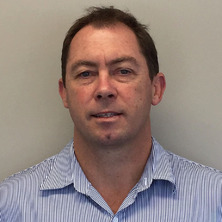
Dr. Travis Mitchell is a Lecturer within the School of Mechanical and Mining Engineering at The University of Queensland (UQ). Travis completed his PhD in multiphase computational fluid dynamics at UQ, as well as a dual degree including a BE(Hons) in mechanical engineering and BSc in Mathematics. During his PhD, he interned at the Helmholtz Institue for Renewable Energy Production in Nuremberg (Germany), presented invited talks at the Warsaw University of Technology, Massachusetts Institutte of Technology, and stayed with collaborators at the University of Pennsylvania. His doctoral research focused on the development of a simulation methodology for capturing liquid-gas interactions, which he applied in the context of resource extraction.
Dr Mitchell's research is focused on the development, implementation, and application of numerical models to study complex fluid flows, with a particular interest in porous media, multiphase, and multiphysics problems. Travis was recognised at the 18th International Conference for Mesoscopic Methods in Engineering and Science with the ICMMES-CSRC Award for his work in multiphase lattice Boltzmann methods. His current research applications include the development of gas diffusion electrodes for CO2 electrolysis, bubble-particle interaction in hydrogen formation for methane pyrolysis, particle propagation in the upper respiratory system, and multiphase transport in fractured media.
Within the School of Mechanical and Mining Engineering, Dr. Mitchell coordinates the second year course on Computational Engineering and Data Analysis (MECH2700) and lectures into Computational Mechanics (MECH3780) and Computational Fluid Dynamics (MECH6480). Travis is an Associate Fellow of the Higher Education Academy and received an EAIT Citation for Excellence in Student Learning in 2023.
Faculty of Health, Medicine and Behavioural Sciences
Availability:
Available for supervision
Dr María Patricia Hernández Mitre (Patty Mitre) is Postdoctoral Research Fellow in the Antimicrobial Optimisation Group led by Professor Jason Roberts and a member of the CRE-RESPOND (Centre of Research Excellence - REduce the burden of antimicrobial reSistance through oPtimal persONalised Dosing) team at the University of Queensland Centre for Clinical Research, located on the Royal Brisbane and Women's Hospital campus at Herston in Brisbane, Queensland, Australia.
She is certified in non-compartmental analysis (NCA) using Phoenix® WinNonlin™ and conducts NCA for Phase 1 clinical trials under NATA ISO 17025-accredited processes, preparing regulatory reports for submission to agencies such as the FDA. In addition, she develops and validates population pharmacokinetic models using Monolix®, Pmetrics™, and NONMEM® to optimise drug therapy and support therapeutic drug monitoring.
Dr Hernández Mitre is leading the individual pharmacokinetic analyses of antifungal therapies from the Screening Anti-Fungal Exposure in Intensive Care Units (SAFE-ICU) study. She also mentors students and clinicians, delivers training in pharmacokinetic modelling, and participates actively in university committees. She is experienced in clinical trial monitoring, regulatory writing, and electronic research data management.
I am a Lecturer in Japanese at the School of Languages and Cultures at UQ.
I work in the area of second language processing, which explores the cognitive mechanisms that underlie second language parsing and learning.
More specifically, I am interested in prediction-driven models in morphosyntactic processing. In language use, we anticipate what we will encounter next even before we receive the actual input. Existing work has shown the ability to predict what comes next is a key to efficiency and robustness in comprehension in native languages. My work examines to what extent such a process is operative in a nonnative language, and various factors that mediates that process.
To address these questions, I use behavioral research methods (e.g., reaction times, eye-tracking, comprehension and production tasks) and corpus-linguistic techniques.
I received my BA in English language and literature from Waseda University, Japan, MA and Ph.D in Second Language Acquisition from Carnegie Mellon University, USA. Prior to joining UQ, I worked at the University of Kansas, USA.