Faculty of Health, Medicine and Behavioural Sciences
Availability:
Available for supervision
Media expert
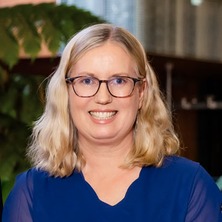
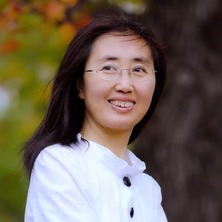
Professor Emma Hamilton-Williams’ career focuses on understanding how immune tolerance is disrupted leading to the development of the autoimmune disease type 1 diabetes. She received her PhD from the Australian National University in 2001, followed by postdoctoral training in Germany and the Scripps Research Institute in the USA.
In 2012, she started a laboratory at the Frazer Institute, University of Queensland where she investigates the gut microbiota as a potential trigger or therapy target for type 1 diabetes, as well as developing an immunotherapy for type 1 diabetes. The overall aim of her research is to find new ways to prevent or treat the underlying immune dysfunction causing autoimmunity.
She is Chief Scientific Officer for an Australia-wide pregnancy-birth cohort study of children at increased risk of type 1 diabetes, which aims to uncover the environmental drivers of this disease. Her laboratory uses big-data approaches including proteomics, metabolomics and metagenomics to understand the function of the gut microbiota linked to disease.
She recently conducted a clinical trial of a microbiome-targeting biotherapy aimed at restoring a healthy microbiome and immune tolerance, with an ultimate aim of preventing type 1 diabetes.
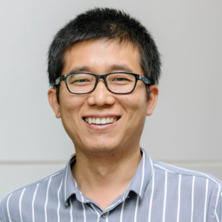
Jianying Han (PhD) is an Early Career Research Fellow and Natural Product Chemist at the Institute for Molecular Bioscience, specialising in the discovery of structurally novel and biologically active small molecules from unique microbial resources. His research focuses on unlocking the chemical diversity of underexplored microorganisms, particularly rare Actinobacteria and other environmentally derived microbes. Dr Han integrates microbial cultivation strategies, genome-guided discovery, and advanced chemical analysis to activate silent biosynthetic pathways and reveal new classes of natural products. His work employs innovative approaches including high-throughput cultivation matrices, co-cultivation, precursor-directed biosynthesis, and microbial biotransformation to expand the chemical space accessible from microbial metabolites. Through these strategies, He aims to identify new bioactive compounds with potential applications in agriculture, biotechnology, and pharmaceutical discovery, while contributing to the development of Australia’s microbial resources and bioeconomy.
Faculty of Health, Medicine and Behavioural Sciences
Affiliate of Centre for Extracellular Vesicle Nanomedicine
Centre for Extracellular Vesicle Nanomedicine
Faculty of Health, Medicine and Behavioural Sciences
Affiliate of Centre for Orofacial Regeneration, Reconstruction and Rehabilitation (COR3)
Centre for Orofacial Regeneration, Reconstruction and Rehabilitation
Faculty of Health, Medicine and Behavioural Sciences
Availability:
Available for supervision
Media expert
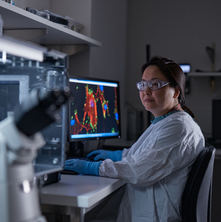
Dr Pingping Han currently leads the Epigenetic Nanodiagnostics and Therapeutics Group within the Centre for Orofacial Regeneration, Reconstruction and Rehabilitation (COR3) at the UQ School of Dentistry. She received her PhD in Biomedical Engineering from the Queensland University of Technology (QUT) in 2014.
Dr Han’s current research focuses on three main areas: (a) salivary diagnostics for periodontal disease and (b) “cell-free” regenerative therapies for periodontal tissue engineering.
Faculty of Health, Medicine and Behavioural Sciences
Affiliate Research Fellow of School of Pharmacy and Pharmaceutical Sciences
School of Pharmacy and Pharmaceutical Sciences
Faculty of Health, Medicine and Behavioural Sciences
Research Fellow
School of Health and Rehabilitation Sciences
Faculty of Health, Medicine and Behavioural Sciences
Affiliate of Centre for Innovation in Pain and Health Research (CIPHeR)
Centre for Innovation in Pain and Health Research
Faculty of Health, Medicine and Behavioural Sciences
Availability:
Available for supervision
Media expert
I am a Research Fellow and Leader in Pain Relief Innovation at AIBN, UQ. My research interests sit at the interface of drug delivery and the pain field. My overarching research goal is to improve the quality of day to day life of patients suffering from chronic pain, by applying nanotechnology to the development of novel highly effective pain-killer products for improving chronic pain management. I am looking for highly motivated postgraduate students.
I also enjoy volunteering within the academic community, most notably as Head of the SBMS ECR Committee and Treasurer for The Queensland Chinese Association of Scientists and Engineers (QCASE). I am currently serving as guest editor of Pain Research and Management.and JoVE Methods Collection.
Research Interests
My research is focusing on nano-based drug formulation and development to improve chronic pain management. I have a broad and unique background in both pharmacology and drug delivery systems, with specific expertise in the development of novel drug products and testing their analgesic efficacy and safety including pharmacokinetic and pharmacodynamic studies. To date, I have established five different techniques to produce painkiller–loaded nanoparticles and nanofibers aimed at improving pain relief for patients where currently available pain-killers either lack efficacy or produce dose-limiting side-effects. For example, there is a small and very potent peptide that has been on the market as a chemical for over 10 years but which cannot be used as a therapeutic due to its short half-life and poor oral bioavailability. In the form of my nanoparticles, that peptide has the potential to become an oral treatment for improving pain management in patients whose pain is currently poorly alleviated by clinically used pain-killers. I have significant expertise in the use of rodent pain models to assess novel analgesics, and I have received excellent training in conducting research in accordance with the stringent requirements of the Quality Management System (quality accreditations (GLP and ISO17025) from NATA). Together, my knowledge, skills and experience will facilitate the efficient translation of my research from the bench to the clinic.
The current focus of the lab is on the development of drug-products to solve one of the largest unmet medical needs in the pain field through use of sustainable materials. 1) We are developing multifunctional sutures including biodegradable pain relief sutures. 2) We are developing my innovative novel nanoparticles, which deliver innate-immune targeting peptides for the treatment of cancer and cancer-related pain. We are establishing a platform for the development of safe, effective delivery for other small molecule peptide drugs in general to pave their way to clinical trials. 3) Our research also investigates the role of C5a and C3a, estrogen, etc. in the pathogenesis of chronic pain including neuropathic pain, cancer-related pain, low back pain and OA pain.
We work in collaboration with other leading Australian and international researchers to stay at the forefront of the drug delivery systems field and the pain field. We also provide preclinical evaluation of novel compounds and formulations.
Queensland Alliance for Agriculture and Food Innovation
Availability:
Not available for supervision
Media expert
I undertake multi-disciplinary collaborative research developing mathematical, computational and visualisation approaches and techniques that facilitate the research and education in animal and plant systems.
My major research theme is development of mathematical, computer graphics and simulation approaches and techniques that facilitate the study of genetics, physiology, morphogenesis and ecology at the scale of cells, individual plants and insects and their components. These developments in computational biology are being used to increase our understanding of the dynamics of morphogenesis, and as a tool in applied research and education.
Faculty of Health, Medicine and Behavioural Sciences
Availability:
Available for supervision
Dr. Jonathan Hand specializes in infectious diseases at Ochsner Health. He earned his medical degree from Louisiana State University School of Medicine, New Orleans and completed his internship, residency and infectious diseases fellowship at the Icahn School of Medicine at Mount Sinai in New York. He is currently an associate professor of medicine at The University of Queensland School of Medicine Ochsner Clinical School. Dr. Hand specializes in the treatment of infections in immunocompromised patients who anticipate or undergo solid organ or hematopoietic stem cell transplantation as well as patients treated with other immunosuppressive therapies. He is a Fellow of the American Society of Transplantation and has served on the executive committee of the Infectious Diseases community of practice. He is also a member of The Transplantation Society, International Society for Heart and Lung Transplantation and Fellow of The Infectious Diseases Society of America. Dr. Hand is the Section Head of Transplant Infectious Diseases and the Medical Director of the Antimicrobial Stewardship Program at Ochsner Medical Center. He also serves as co-chair of the Louisiana Organ Procurement Agency's Advisory Board and Associate Medical Director providing guidance on infectious diseases-related concerns in organ donors and recipients. Dr. Hand leads clinical trials as Associate Research Medical Director of Infectious Diseases for Ochsner Health. His practice and research interests include infectious complications of transplant donors and recipients, vaccine and antimicrobial clinical trials and antimicrobial stewardship.
Centre Director of Centre for Chemistry and Drug Discovery
Centre for Chemistry and Drug Discovery
Institute for Molecular Bioscience
Affiliate of Centre for Marine Science
Centre for Marine Science
Faculty of Science
Affiliate of Centre for Chemistry and Drug Discovery
Centre for Chemistry and Drug Discovery
Institute for Molecular Bioscience
Availability:
Available for supervision
Media expert
Centre for Solar Biotechnology: Prof Ben Hankamer is the founding director of the Solar Biofuels Consortium (2007) and Centre for Solar Biotechnology (2016) which is focused on developing next generation microalgae systems. These systems are designed to tap into the huge energy resource of the sun (>2300x global energy demand) and capture CO2 to produce a wide-range of products. These include solar fuels (e.g. H2 from water, oil, methane and ethanol), foods (e.g. health foods) and high value products (e.g. vaccines produced in algae). Microalgae systems also support important eco-services such as water purification and CO2 sequestration. The Centre is being launched in 2016/2017 and includes approximately 30 teams with skills ranging from genome sequencing through to demonstration systems optimsation and accompanying techno-economis and life cycle analysis. The Centre teams have worked extensively with industry.
Structural Biology: The photosynthetic machinery is the biological interface of microalgae that taps into the huge energy resource of the sun, powers the biosphere and produces the atmospheric oxygen that supports life on Earth. My team uses high resolution single particle analysis and electron tomography to solve the intricate 3D architecture of the photosynthetic machinery to enable structure guided design of high efficiency microalgae cell lines and advanced artificial solar fuel systems.
Scott Hanna is Principal / Senior Environmental Advisor of Roberschan Environmental based out of Brisbane, Australia, a role he assumed after retiring from a 34 year career with Hatch Ltd. Until his retirement from Hatch, Scott was Director Australia-Asia, and before this, Director North America, for Hatch's Environmental Services Group. As a senior environmental advisor, Scott has been responsible for providing strategic direction and management on projects requiring environmental and social impact assessments; environmental permits, approvals and licenses; sustainable design in development; community stakeholder and indigenous peoples consultation; and climate-change strategies.
Scott is a Senior Environmental Specialist with over 40 years experience in environmental and socioeconomic due diligence assessment, environmental and social impact assessment, natural resource and environmental management, regulatory management, strategic planning, and environmental auditing and training, in the transportation, energy and mining sectors. He has provided senior level environmental advisory services to various levels of government, as well as to the World Bank, Asian Development Bank, and European Bank for Reconstruction and Development, and environmental and regulatory management advice to private sector developers.
Scott has completed environmental assignments in Albania, Australia, Azerbaijan, Bosnia Herzegovina, Canada, China, Estonia, Ghana, Indonesia, Kyrgyzstan, Laos PDR, Nepal, Pakistan, Russia, Samoa, Solomon Islands and Zambia. He is a qualified ISO9001 and ISO14001 Lead Auditor, former Chair of the Transportation Association of Canada's (TAC) Environment Council, former member of TAC's Education and Human Resources Development Council, and a former Adjunct Professor in Simon Fraser University's School of Resource and Environmental Management.
He has a bachelor of science degree in biology (ecology) from the University of Victoria (Canada), and a master of natural resource and environmental management degree from Simon Fraser University (Canada). He is also a Registered Professional Biologist (British Columbia), Professional Biologist (Alberta), certified Environmental Professional (Canada), member of the Environment Institute of Australia and New Zealand and a Certified Environmental Practitioner (Impact Assessment Specialist).
Scott joins the University of Queensland as an Adjunct Professor in joint collaboration with the School of Earth and Environmental Sciences, and the School of Business.
The continuing interest underpinning my research is that of the self-presentation of the non-native speaker, in different genres. This has led me to work on: culturally determined practices; cross-cultural comparisons; and on intercultural behaviour, how this is conceptualized and how, in practice, encounters between different expectations of appropriate behaviour play out.
One focus of my attention has been the proliferation of new intercultural encounters which are made possible by online technologies. In particular, Juliana de Nooy and I undertook a project examining discussion fora on media websites, culminating in our 2009 book. The pedagogical implications of this work, and my own teaching practices have allowed me to develop expertise in language learning and technology which I have extended through other collaborations (e.g. Cowley & Hanna, 2013 on Wikipedia; a forthcoming chapter based on a cross institutional project on AI in languages teaching) research supervisions and publications which derive from it (Gao & Hanna, 2016, on instructional software; work with Khosravi, Gyamfit et al on technology mediated peer-review; and a paper with Aljohani on online oral discussion).
I have also undertaken research on Study Abroad experiences, and particularly looking at the ‘selves’ which testimonials from returnees hold up as exemplary (see Hanna 2016 on food; also Hanna & de Nooy 2003 b; 2006). What, the student reader of these testimonials might ask, will I feel like? How will I change? What counts as successful life as a Study Abroad student? How can I be successful too? In order to tackle these questions, I draw on theories of learner motivation and imaginary or ideal selves. This work influences my current teaching in COMU3060 and COMU3065, Learning from the International Experience, taken by International Studies studies during and after their semester abroad.
This interest in self-presentation underpins a current project on employability and language students (SLC funded project, undertaken with Alicia Toohey; work with Peter Cowley on employability and French).
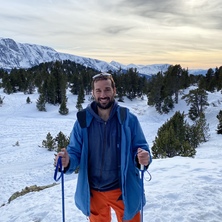
Dr Amy Hanna’s research expertise includes functional characterization of skeletal and cardiac muscle, and investigation of the mechanisms underlying muscle function in health and disease. Amy is a Research Fellow in the laboratory of Assoc Prof Nathan Palpant at the University of Queensland's Institute for Molecular Bioscience. Amy obtained her PhD in 2014 at the John Curtin School of Medical Research under the supervision of Assoc Prof Nicole Beard and Professor Angela Dulhunty, investigating mechanisms of anthracycline-mediated cardiotoxicity using a combination of electrophysiology and calcium imaging in isolated cardiomyocytes. In 2014 Amy was awarded the Frank Fenner medal for most outstanding PhD thesis at JCSMR. Following completion of her PhD, Amy relocated to the United States to complete postdoctoral studies with Professor Susan Hamilton at Baylor College of Medicine. At BCM, Amy developed a strong interest in muscle diseases linked to calcium mishandling and protein quality control, including congenital myopathy and dilated cardiomyopathy. Amy has been an invited speaker at national and international conferences, and was co-chair of the 2019 Gordon Research Seminar of Muscle EC Coupling. Amy is currently funded by the Muscular Dystrophy Association and the Australian Functional Genomics Network.
School of Political Science and International Studies
Faculty of Humanities, Arts and Social Sciences
Availability:
Available for supervision
Adam is a public policy scholar and teacher, an expert in health policy and recent recipient of an Australian Research Council Discovery Early Career Researcher Award (DECRA). He is also the Program Director of the Master of Governance and Public Policy, one of Australia's leading postgraduate qualifications for public servants and policy practitioners.
His research primarily concerns how governments draw on ideas and knowledge and negotiate capacity constraints in the policy process. His recent research has addressed policy responses to health crisis, such vaccine hesitancy and anti-microbial resistance, and the role of ignorance and non-knowledge in generating policy failure, such as regarding the Robodebt scandal. He has published in a range of high-ranking international journals, such as Nature, Public Administration, Policy Sciences and Policy and Society.
Adam's DECRA project is entitled Health workforce crisis: understanding political capacity for policy change, and addresses the political factors that constrain and enable health workforce policymaking in Australia, Canada, England and New Zealand.
Adam is available for PhD supervision and is keen to work with students who are interested in the following topics:
Major issues in health policy, such as workforce shortages, access issues, vaccine hesitancy.
The politics of health policymaking.
The role of ideas and knowledge in health and social/welfare policy.
Policy capacity challenges.
Non-knowledge, ignorance and misinformation in public policy.
School of Political Science and International Studies
Faculty of Humanities, Arts and Social Sciences
Availability:
Available for supervision
Media expert
Reader in International Relations, Director, Rotary Centre for International Studies in Peace and Conflict Resolution
Background:
Dr Hanson was a Stipendiary Lecturer in Politics at Magdalen College, Oxford University before she joined the University of Queensland in 1995. She has been a Visiting Scholar at the Liu Centre for the Study of Global Issues, Department of International Relations at the University of British Columbia, a Visiting Fellow at the Department of International Politics, University of Wales, Aberystwyth and a Visiting Scholar at Sciences Po in Paris.
Research Interests:
International security - especially from a critical security studies perspective, and focussing on the role of law, institutions and norms in shaping security policies; European security - the role of institutions such as NATO and the Organisation for Security and Cooperation in Europe (OSCE); Arms control and disarmament - particularly the debate on the elimination of nuclear weapons and the efforts to delegitimise the use or possession of weapons of mass destruction: human rights - both within Australia and at the global level, and with a strong focus on the creation of legal institutions (such as the International Criminal Court) designed to uphold human rights; humanitarian intervention - the theory and practice of humanitarian interventions and the implications of these for issues such as state sovereignty, human rights and global justice; normative International Relations theory and the role of ethics in world politics - the evolution of a series of norms and other constraints affecting world politics, and which includes an emphasis on concepts such as good international citizenship and human security. The 'English School' of thought in International Relations theory - the theoretical framework most closely associated with Hedley Bull, John Vincent and others focussing on the construction and operation of an 'international society'. Dr Hanson is currently working on a book titled 'Humanitarianism and nuclear weapons: building a global prohibition regime without the great powers' which examines the growth of norms and legal constraints on the possession and use of nuclear weapons.