
Overview
Background
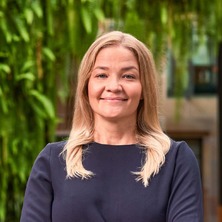
I received my PhD (with distinction) in 2014 from the Institute of Biotechnology at the University of Helsinki, Finland, where I studied membrane trafficking using advanced imaging techniques. In 2015, I relocated to the Queensland Brain Institute (QBI) at The University of Queensland (UQ), Brisbane, Australia, for postdoctoral training, shifting my research focus from fundamental cell biology towards neuroscience and super-resolution imaging. I was awarded a three-year Academy of Finland Postdoctoral Fellowship in 2016 and an ARC Discovery Early Career Researcher Award (DECRA) in 2019 to investigate the role of lipid-modifying enzymes in neuronal function. In 2022, I became a UQ Amplify Fellow and established my independent research group at the Australian Institute for Bioengineering and Nanotechnology (AIBN), UQ.
I now lead a laboratory that combines advanced imaging, cell biology, human induced pluripotent stem cell (iPSC) and organoid models, and preclinical disease modelling to understand mechanisms of nervous system health and disease. Our research addresses two interconnected biological questions: i) how lipid metabolism supports neuronal energy metabolism, synaptic function, cognition, learning and memory, and how modulation of neuronal lipid pathways can be harnessed therapeutically in neurological disease; and ii) how genetic and environmental perturbations disrupt cellular homeostasis in rare neurological and neurodevelopmental disorders, and how patient-derived iPSC and organoid models can be used to uncover human-specific disease mechanisms and develop and evaluate new therapeutic strategies.
More broadly, we investigate how fundamental cellular processes, including membrane trafficking, lipid metabolism and organelle function, are exploited or disrupted across inherited neurological disorders, neuroparalytic diseases caused by bacterial toxins, and infectious diseases caused by neurotropic and respiratory viruses. By integrating mechanistic discovery with human disease modelling and therapeutic development, our goal is to identify convergent disease mechanisms and translate them into new opportunities for intervention.
Availability
- Dr Merja Joensuu is:
- Available for supervision
- Media expert
Fields of research
Qualifications
- Doctor of Philosophy, University of Helsinki*
Research interests
-
Neuronal Fatty Acid Energy Metabolism
Neuronal fatty acid metabolism and lipid-derived energy pathways in brain function and disease. My research investigates how fatty acids support neuronal energy production and function. I discovered a Ddhd2-regulated pathway that supplies saturated fatty acids for mitochondrial ATP generation, challenging the glucose-centric view of brain metabolism. My work integrates human iPSC and organoid models, advanced imaging, lipidomics, and metabolic profiling to define lipid-energy coupling in neurons and identify therapeutic strategies for neurodegenerative and genetic neurological disorders.
-
Protein Lipidation in Neuronal Function and Disease
Neuronal protein lipidation and membrane targeting mechanisms in brain function and disease. My research examines how protein lipidation regulates neuronal membrane association, trafficking, and homestasis. I study co- and post-translational lipid modifications such as N-myristoylation and S-palmitoylation pathways, and their roles in membrane trafficking, synaptic function and neurodegeneration. Using human iPSC and organoid models, advanced imaging and quantitative analysis, my work defines how dysregulated protein lipidation contributes to neurological diseases and reveals new opportunities for therapeutic intervention.
-
Virus–host interactions and host-directed antiviral strategies in neurological and respiratory infections
My research investigates how viruses hijack host lipid metabolism and membrane trafficking pathways to enable replication and spread. I focus on defining host lipidation and metabolic pathways required for viral infection, particularly in respiratory and neuronal systems. Using human iPSC and organoid models, advanced imaging, multi-omics, and functional assays, my work aims to identify host-directed antiviral targets that reduce viral replication and limit infection-associated tissue damage.
Research impacts
A major focus of my laboratory is understanding how lipid metabolism supports neuronal energy production and brain function. Our research has challenged the long-standing view that neurons depend predominantly on glucose for energy by demonstrating that neurons can mobilise and use fatty acids to generate energy. We are now translating these discoveries towards new metabolic treatment strategies for rare inherited neurological disorders, including hereditary spastic paraplegias.
My team also uses patient-derived induced pluripotent stem cells (iPSCs) and human organoid models to recreate features of rare neurological diseases in the laboratory. These models provide a human-relevant platform for identifying disease mechanisms and evaluating potential treatments, including gene and metabolic therapies, while contributing to efforts to reduce reliance on animal models in preclinical research.
Our research into how viruses and bacterial neurotoxins exploit cellular pathways has also identified potential new therapeutic targets. This includes developing host-directed antiviral strategies that target cellular lipid-modifying enzymes rather than individual viruses, providing a potential route towards broad-spectrum antiviral therapies.
By combining advanced imaging, human stem cell and organoid technologies, disease modelling and therapeutic development, my laboratory seeks to convert fundamental discoveries about how human cells function into new opportunities to diagnose, prevent and treat neurological and infectious diseases.
Works
Search Professor Merja Joensuu’s works on UQ eSpace
Featured
2026
Journal Article
Inhibition of host N-myristoylation compromises the infectivity of SARS-CoV-2 due to Golgi-bypassing egress
Saber, Saber H., Yak, Nyakuoy, Dolski, Konstantin, Mäki, Sanna, Levanov, Lev, Willenbrink, Levina A., Sng, Julian D. J., Shaker, Mohammed R., Morrison, Sean D., Zheng, Huiwen, Pars, Selin, Pietrogrande, Giovanni, Bong, Yih Tyng, Vane-Tempest, Tania, Smura, Teemu, Strandin, Tomas, Ojha, Ravi, Kant, Ravi, Ruuska, Janika, Topi, Francesco, Vaskiv, Diana, Kareinen, Lauri, Binder, Tobias, Lu, Siyuan, Floetenmeyer, Matthias, Al-mhanawi, Bahaa, Zhu, Yanshan, Sironen, Tarja, Talbo, Gert Hoy ... Joensuu, Merja (2026). Inhibition of host N-myristoylation compromises the infectivity of SARS-CoV-2 due to Golgi-bypassing egress. Nature Communications, 17 (1) 7055, 1-25. doi: 10.1038/s41467-026-72938-z
Featured
2025
Journal Article
DDHD2 provides a flux of saturated fatty acids for neuronal energy and function
Saber, Saber H., Yak, Nyakuoy, Yong, Xuan Ling Hilary, Bong, Yih Tyng, Leeson, Hannah, Dai, Chuan-Yang, Binder, Tobias, Lu, Siyuan, Purushothaman, Reshinthine, Lenaerts, An-Sofie, Almeida-Souza, Leonardo, Koludarova, Lidiia, Er, Safak, Hlushchuk, Irena, Gaudin, Arnaud, Singh, Sachin, Nyman, Tuula A., Harmer, Jeffrey R., Zuryn, Steven, Wolvetang, Ernst, Talbo, Gert Hoy, Airavaara, Mikko, Battersby, Brendan J., van Waardenberg, Ashley J., Anggono, Victor, Balistreri, Giuseppe and Joensuu, Merja (2025). DDHD2 provides a flux of saturated fatty acids for neuronal energy and function. Nature Metabolism, 7 (10), 2117-2141. doi: 10.1038/s42255-025-01367-x
2024
Journal Article
Dynamin independent endocytosis is an alternative cell entry mechanism for multiple animal viruses
Ojha, Ravi, Jiang, Anmin, Mantylae, Elina, Quirin, Tania, Modhira, Naphak, Witte, Robert, Gaudin, Arnaud, De Zanetti, Lisa, Gormal, Rachel Sarah, Vihinen-Ranta, Maija, Mercer, Jason, Suomalainen, Maarit, Greber, Urs F., Yamauchi, Yohei, Lozach, Pierre-Yves, Helenius, Ari, Vapalahti, Olli, Young, Paul, Watterson, Daniel, Meunier, Frederic A., Joensuu, Merja and Balistreri, Giuseppe (2024). Dynamin independent endocytosis is an alternative cell entry mechanism for multiple animal viruses. PLoS Pathogens, 20 (11) e1012690, e1012690. doi: 10.1371/journal.ppat.1012690
Featured
2024
Journal Article
Dynamin1 long- and short-tail isoforms exploit distinct recruitment and spatial patterns to form endocytic nanoclusters
Jiang, Anmin, Kudo, Kye, Gormal, Rachel S., Ellis, Sevannah, Guo, Sikao, Wallis, Tristan P., Longfield, Shanley F., Robinson, Phillip J., Johnson, Margaret E., Joensuu, Merja and Meunier, Frédéric A. (2024). Dynamin1 long- and short-tail isoforms exploit distinct recruitment and spatial patterns to form endocytic nanoclusters. Nature Communications, 15 (1) 4060, 1-21. doi: 10.1038/s41467-024-47677-8
Featured
2024
Journal Article
The DDHD2-STXBP1 interaction mediates long-term memory via generation of saturated free fatty acids
Akefe, Isaac O, Saber, Saber H., Matthews, Benjamin, Venkatesh, Bharat G., Gormal, Rachel S., Blackmore, Daniel G., Alexander, Suzy, Sieriecki, Emma, Gambin, Yann, Bertran-Gonzalez, Jesus, Vitale, Nicolas, Humeau, Yann, Gaudin, Arnaud, Ellis, Sevannah A., Michaels, Alysee A., Xue, Mingshan, Cravatt, Benjamin, Joensuu, Merja, Wallis, Tristan P. and Meunier, Frédéric A. (2024). The DDHD2-STXBP1 interaction mediates long-term memory via generation of saturated free fatty acids. The EMBO Journal, 43 (4) 4, 533-567. doi: 10.1038/s44318-024-00030-7
Featured
2023
Journal Article
Presynaptic targeting of botulinum neurotoxin type A requires a tripartite PSG‐Syt1 ‐ SV2 plasma membrane nanocluster for synaptic vesicle entry
Joensuu, Merja, Syed, Parnayan, Saber, Saber H., Lanoue, Vanessa, Wallis, Tristan P., Rae, James, Blum, Ailisa, Gormal, Rachel S., Small, Christopher, Sanders, Shanley, Jiang, Anmin, Mahrhold, Stefan, Krez, Nadja, Cousin, Michael A., Cooper‐White, Ruby, Cooper‐White, Justin J., Collins, Brett M., Parton, Robert G., Balistreri, Giuseppe, Rummel, Andreas and Meunier, Frédéric A. (2023). Presynaptic targeting of botulinum neurotoxin type A requires a tripartite PSG‐Syt1 ‐ SV2 plasma membrane nanocluster for synaptic vesicle entry. The EMBO Journal, 42 (13) e112095, e112095. doi: 10.15252/embj.2022112095
Featured
2020
Journal Article
Neuropilin-1 facilitates SARS-CoV-2 cell entry and infectivity
Cantuti-Castelvetri, Ludovico, Ojha, Ravi, Pedro, Liliana D., Djannatian, Minou, Franz, Jonas, Kuivanen, Suvi, van der Meer, Franziska, Kallio, Katri, Kaya, Tuğberk, Anastasina, Maria, Smura, Teemu, Levanov, Lev, Szirovicza, Leonora, Tobi, Allan, Kallio-Kokko, Hannimari, Österlund, Pamela, Joensuu, Merja, Meunier, Frédéric A., Butcher, Sarah J., Winkler, Martin Sebastian, Mollenhauer, Brit, Helenius, Ari, Gokce, Ozgun, Teesalu, Tambet, Hepojoki, Jussi, Vapalahti, Olli, Stadelmann, Christine, Balistreri, Giuseppe and Simons, Mikael (2020). Neuropilin-1 facilitates SARS-CoV-2 cell entry and infectivity. Science, 370 (6518) abd2985, 856-860. doi: 10.1126/science.abd2985
Featured
2017
Journal Article
Visualizing endocytic recycling and trafficking in live neurons by subdiffractional tracking of internalized molecules
Joensuu, Merja, Martinez-Marmol, Ramon, Padmanabhan, Pranesh, Glass, Nick R., Durisic, Nela, Pelekanos, Matthew, Mollazade, Mahdie, Balistreri, Giuseppe, Amor, Rumelo, Cooper-White, Justin J., Goodhill, Geoffrey J. and Meunier, Frederic A. (2017). Visualizing endocytic recycling and trafficking in live neurons by subdiffractional tracking of internalized molecules. Nature Protocols, 12 (12), 2590-2622. doi: 10.1038/nprot.2017.116
Featured
2016
Journal Article
Subdiffractional tracking of internalized molecules reveals heterogeneous motion states of synaptic vesicles
Joensuu, Merja, Padmanabhan, Pranesh, Durisic, Nela, Bademosi, Adekunle T. D., Cooper-Williams, Elizabeth, Morrow, Isabel C., Harper, Callista B., Jung, WooRam, Parton, Robert G., Goodhill, Geoffrey J., Papadopulos, Andreas and Meunier, Frederic A. (2016). Subdiffractional tracking of internalized molecules reveals heterogeneous motion states of synaptic vesicles. Journal of Cell Biology, 215 (2), 277-292. doi: 10.1083/jcb.201604001
2026
Journal Article
Mitochondria across the globe: diverse voices, shared energy
Castro-Sepúlveda, Mauricio, Hevener, Andrea L., Joensuu, Merja, Qiu, Jian, Ryan, Dylan G. and Yardeni, Tal (2026). Mitochondria across the globe: diverse voices, shared energy. Trends in Endocrinology and Metabolism, 37 (6), 483-486. doi: 10.1016/j.tem.2026.04.006
2026
Journal Article
A versatile nanobody platform for live and super-resolution imaging of synaptic vesicle dynamics and plasticity in rodent and human neurons
Goel, Rashi, Jevdokimenko, Kristina, Rehm, Ronja, Hentze, Jannik, Agui-Gonzalez, Paola, Ninov, Momchil, Maier, Erik, Wu, Yin, Lange, Felix, Witkowska, Agata, Bolz, Svenja, Pennacchietti, Francesca, Damenti, Martina, Kaempf, Natalie, Khayenko, Vladimir, Calatayud, Carles, Malviya, Viveka Nand, Chanaday, Natali L., Hutchinson, Emma Scaletti, Liu, Hao, Weyand, Kirsten, Schwarze, Valentin, Ivanova, Daniela, Wallis, Tristan P., Small, Christopher, Maric, Hans M., Joensuu, Merja, Cousin, Michael A., Meunier, Frederic A. ... Fornasiero, Eugenio F. (2026). A versatile nanobody platform for live and super-resolution imaging of synaptic vesicle dynamics and plasticity in rodent and human neurons. Journal of Nanobiotechnology, 24 (1) 443. doi: 10.1186/s12951-026-04489-w
2025
Journal Article
SARS-CoV-2 infection in hiPSC-derived neurons is cathepsin-dependent and causes differential accumulation of HIF1ɑ and phosphorylated tau
Pinja, Kettunen, Janika, Ruuska, Tania, Quirin, Ravi, Ojha, Saber, Saber H., Sng, Julian D.J., Morrison, Sean, Al-Mhanawi, Bahaa, Shaker, Mohammed R., De Neck, Simon, Kipar, Anja, Paavolainen, Lassi, Wolvetang, Ernst, Joensuu, Merja, Jari, Koistinaho, Giuseppe, Balistreri and Taisia, Rolova (2025). SARS-CoV-2 infection in hiPSC-derived neurons is cathepsin-dependent and causes differential accumulation of HIF1ɑ and phosphorylated tau. Molecular Therapy Nucleic Acids, 36 (4) 102726, 1-20. doi: 10.1016/j.omtn.2025.102726
2025
Other Outputs
Raw files for Fig 1-8 for Saber et al., "DDHD2 provides a flux of saturated fatty acids for neuronal energy and function" Nature Metabolism publication
Joensuu, Merja (2025). Raw files for Fig 1-8 for Saber et al., "DDHD2 provides a flux of saturated fatty acids for neuronal energy and function" Nature Metabolism publication. The University of Queensland. (Dataset) doi: 10.48610/0908106
2024
Journal Article
SV2A controls the surface nanoclustering and endocytic recruitment of Syt1 during synaptic vesicle recycling
Small, Christopher, Harper, Callista, Jiang, Anmin, Kontaxi, Christiana, Pronot, Marie, Yak, Nyakuoy, Malapaka, Anusha, Davenport, Elizabeth C., Wallis, Tristan P., Gormal, Rachel S., Joensuu, Merja, Martínez‐Mármol, Ramón, Cousin, Michael A. and Meunier, Frédéric A. (2024). SV2A controls the surface nanoclustering and endocytic recruitment of Syt1 during synaptic vesicle recycling. Journal of Neurochemistry, 168 (9), 3188-3208. doi: 10.1111/jnc.16186
2024
Journal Article
Synapsin 2a tetramerisation selectively controls the presynaptic nanoscale organisation of reserve synaptic vesicles
Longfield, Shanley F., Gormal, Rachel S., Feller, Matis, Parutto, Pierre, Reingruber, Jürgen, Wallis, Tristan P., Joensuu, Merja, Augustine, George J., Martínez-Mármol, Ramón, Holcman, David and Meunier, Frédéric A. (2024). Synapsin 2a tetramerisation selectively controls the presynaptic nanoscale organisation of reserve synaptic vesicles. Nature Communications, 15 (1) 2217, 1-18. doi: 10.1038/s41467-024-46256-1
2023
Other Outputs
Quantified behavioural and lipidomic data in response to memory acquisition in mice
Meunier, F A, Akefe, I O, Saber, S H, Matthews, B, Venkatesh, B V, Gormal, R S, Blackmore, D G, Alexander, S, Sieriecki, E, Gambin, Y, Bertran-Gonzalez, J, Vitale, N, Humeau, Y, Gaudin, A, Ellis, S A, Michaels, A A, Xue, M, Cravatt, B, Joensuu, M and Wallis, T P (2023). Quantified behavioural and lipidomic data in response to memory acquisition in mice. The University of Queensland. (Dataset) doi: 10.48610/4a44503
2023
Conference Publication
Dissection of alpha‐synuclein specific synaptic functions by gene editing
Madhivanan, Kayalvizhi, Parra‐Rivas, Leonardo A., Joensuu, Merja, Sanders, Shanley, Caballero‐Florán, René, Bingham, Dominic, Sharma, Rohan, Jenkins, Paul M., Leterrier, Christophe, Meunier, Frederic A. and Roy, Subhojit (2023). Dissection of alpha‐synuclein specific synaptic functions by gene editing. Alzheimer’s Association International Conference AAIC 2023, Amsterdam, Netherlands, 16-20 July 2023. Hoboken, NJ United States: John Wiley & Sons. doi: 10.1002/alz.082510
2023
Journal Article
Tau forms synaptic nano-biomolecular condensates controlling the dynamic clustering of recycling synaptic vesicles
Longfield, Shanley F., Mollazade, Mahdie, Wallis, Tristan P., Gormal, Rachel S., Joensuu, Merja, Wark, Jesse R., van Waardenberg, Ashley J., Small, Christopher, Graham, Mark E., Meunier, Frédéric A. and Martínez-Mármol, Ramón (2023). Tau forms synaptic nano-biomolecular condensates controlling the dynamic clustering of recycling synaptic vesicles. Nature Communications, 14 (1) 7277, 1-20. doi: 10.1038/s41467-023-43130-4
2023
Conference Publication
Tau - A master regulator of recycling synaptic vesicle clustering at the presynapse
Sanders, Shanley F., Mollazade, Mahdie, Wallis, Tristan P., Gormal, Rachel S., Joensuu, Merja, Wark, Jesse R., Waardenberg, Ashley J., Small, Christopher, Graham, Mark E., Martinez-Marmol, Ramon and Meunier, Frederic A. (2023). Tau - A master regulator of recycling synaptic vesicle clustering at the presynapse. ISN-ESN 2023 Meeting, Porto, Portugal, 8 - 11 August 2023. Chichester, West Sussex, United Kingdom: Wiley-Blackwell Publishing. doi: 10.1111/jnc.15897
2023
Journal Article
Super-resolved trajectory-derived nanoclustering analysis using spatiotemporal indexing
Wallis, Tristan P., Jiang, Anmin, Young, Kyle, Hou, Huiyi, Kudo, Kye, McCann, Alex J., Durisic, Nela, Joensuu, Merja, Oelz, Dietmar, Nguyen, Hien, Gormal, Rachel S. and Meunier, Frédéric A. (2023). Super-resolved trajectory-derived nanoclustering analysis using spatiotemporal indexing. Nature Communications, 14 (1) 3353, 1-16. doi: 10.1038/s41467-023-38866-y
Funding
Current funding
Past funding
Supervision
Availability
- Dr Merja Joensuu is:
- Available for supervision
Looking for a supervisor? Read our advice on how to choose a supervisor.
Supervision history
Current supervision
-
Doctor Philosophy
Lipid metabolism regulates neuronal energy homeostasis, protein N-myristoylation and membrane trafficking
Principal Advisor
Other advisors: Dr Hannah Leeson
-
Doctor Philosophy
Identifying the mechanism of regeneration in early brain development
Associate Advisor
Other advisors: Dr Selin Pars, Dr Giovanni Pietrogrande
-
Doctor Philosophy
Mechanisms of RGD-Functionalized Nanomaterials in Tumor Cell Biology
Associate Advisor
Other advisors: Dr Wenyi Gu, Professor Michael Monteiro
Completed supervision
-
2024
Doctor Philosophy
Bidirectional modulation of cellular saturated fatty acids as potential therapeutics for neurological conditions and viral infections
Principal Advisor
-
2022
Doctor Philosophy
Identifying Key Changes in Brain Free Fatty Acids Associated with Memory in Health, Ageing and Disease: A Mechanistic Study
Associate Advisor
Other advisors: Dr Tristan Wallis, Professor Frederic Meunier
-
2022
Doctor Philosophy
Characterization and role of lateral trapping and nanocluster organization of the endocytic machinery
Associate Advisor
Other advisors: Professor Frederic Meunier
Media
Enquiries
Contact Dr Merja Joensuu directly for media enquiries about:
- Neuronal energy metabolism
Need help?
For help with finding experts, story ideas and media enquiries, contact our Media team: