Affiliate of Centre for Cardiovascular Health and Research
Centre for Cardiovascular Health and Research
Faculty of Health, Medicine and Behavioural Sciences
Affiliate Senior Research Fellow of School of Biomedical Sciences
School of Biomedical Sciences
Faculty of Health, Medicine and Behavioural Sciences
Senior Principal Research Fellow
Institute for Molecular Bioscience
Availability:
Available for supervision
Media expert
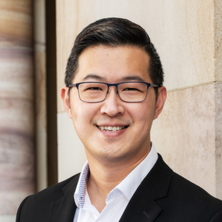
Critical Care Medicine focuses on supporting patients, often with one or multiple organ failures. Based at the largest Australian cardiac hospital, our research investigates better ways to support patients with heart and/or lung failure. We explore technological, pharmacological and engineering advances that could help our patients to live longer and better. Our group is world-renowned for clinically relevant large animal models, including heart failure, respiratory failure (ARDS), heart transplantation, sepsis, cardiogenic shock, and more. All our studies use hospital-grade equipment and follow the same clinical guideline to maximise translation. We actively take on honours, MPhil and PhD students from multi-disciplinary backgrounds (science, engineering, medicine, allied health), with a successful track record in supporting our students to secure their own grants and funding. Students are expected to contribute to other studies of the group. For more information about the group, please visit ccrg.org.au, and email if you are interested to join us.
Faculty of Health, Medicine and Behavioural Sciences
Affiliate of Centre for Cardiovascular Health and Research
Centre for Cardiovascular Health and Research
Faculty of Health, Medicine and Behavioural Sciences
Professorial Research Fellow
Queensland Brain Institute
Faculty of Health, Medicine and Behavioural Sciences
Availability:
Available for supervision
Media expert
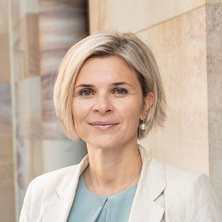
The Vukovic laboratory investigates how brain function is sculpted and influenced by the immune system. Specifically, we examine the role of brain’s main resident immune cell population (i.e. microglia), as well as various peripheral immune cells, on learning and memory in mice. We are interested in defining the contribution of immune cells to such higher cognitive tasks, including for neuroinflammatory conditions where learning and memory deficits can occur, e.g. following traumatic brain injury, cancer treatment, and ageing. We have established an array of genetic and pharmacological tools alongside robust behavioural assays to directly probe the function of these immune cells in both the healthy and diseased brain. The ultimate goal of our work is to link cellular and molecular events to altered behaviour, and to harness the brain’s intrinsic regenerative potential for stimulating optimal cognitive function.
A neuroimmunologist, Dr Vukovic received her PhD in 2008 from The University of Western Australia after working on the repair of injured nerve cell connections. She joined QBI in 2009 to work in Professor Perry Bartlett’s laboratory as a Postdoctoral Research Fellow, before being awarded a Queensland Government Smart Futures Fellowship to continue her research into the importance of adult neurogenesis for behaviour and how microglia influence this process in ageing. Dr Vukovic demonstrated that microglia can exert a dual and opposing influence over adult neurogenesis (the birth of new neurons) in the hippocampus under different physiological conditions, namely exercise and ageing, and that signalling through the chemokine receptor, CX3CR1, critically contributes towards this (Vukovic et al., 2012, J Neurosci). Dr Vukovic also generated novel evidence that ongoing neurogenesis in the adult hippocampus is critical for new learning but does not play a role in memory recall (Vukovic et al., 2013, J Neurosci).
Dr Vukovic was awarded an ARC Discovery Early Career Researcher Award (2015-2018) and was jointly appointed as a group leader by the UQ School of Biomedical Sciences (SBMS) and QBI in 2015. She heads the Neuroimmunology and Cognition team investigating the interactions between the brain and the immune system in health and disease.
Currently, the group is working on three main projects:
Identification of microglia-derived molecules that support neuronal survival and stimulate neural stem/progenitor cell expansion
Characterisation of immune cell contribution to changes in neuronal connectivity
Immune cell responses to cancer treatment, and their effect on learning and memory
Faculty of Health, Medicine and Behavioural Sciences
Availability:
Available for supervision
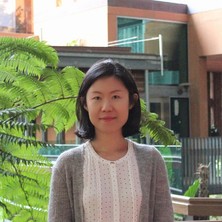
Dr Ran Wang graduated with her PhD in 2015, and after undertaking a postdoc position in Scripps Research, USA returned to Australia in 2017. She is now a Senior Postdoctoral Researcher supported by the prestigious Bushell Postdoctoral Research Fellowship from the Gastroenterology Society of Australia. Dr Wang is interested to understand the nature of inflammation in gut and lung and investigate the local and systemic impacts of chronic gut inflammation. In addition to a growing track-record in the mucosal immunology field, she is also building an inter-disciplinary research profile in material science and nanotechnology for drug delivery and immune modulation. She is the Associate Editor of Frontier of Cellular and Infection Microbiology Journal since 2018.
Faculty of Health, Medicine and Behavioural Sciences
Availability:
Available for supervision
Media expert
Dr. Ayaho Yamamoto is the Group Leader of Laboratory Science at the Children's Health and Environmental Program and is a research fellow in the field of Biomedical Science. Her research focuses on understanding the mechanistic links between environmental exposures and adverse respiratory outcomes. In particular, she focuses on the cellular responses following air pollution exposure and/or viral infection on human respiratory epithelium, and the age differences in immune defence mechanisms. Investigate on early intervention strategies with dietary antioxidants to improve respiratory health and reduce the risk of long-term chronic diseases.
Dr. Yamamoto has a Bachelor of Science in Environmental Health and Public Health; her research focused on childhood asthma. She has a Master of Science in Biomedical Science and Pharmacology; the research focus was to understand the mechanisms and to test new drugs for osteoporosis and chondrosarcomas metastasis. She has worked in a Uni-based start-up company for drug development.