Faculty of Health, Medicine and Behavioural Sciences
Availability:
Available for supervision
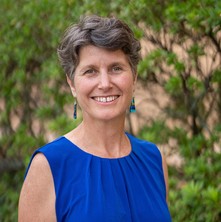
Associate Professor Julie Hennegan’s research aims to improve the menstrual and reproductive health of the two billion women and adolescent girls who menstruate around the world. She is a mixed-methods researcher and disciplinary hybrid, blending expertise in social and behavioural science, epidemiology, and the design and evaluation of complex interventions.
Associate Professor Hennegan is a Principal Research Fellow and NHMRC Emerging Leadership Fellow (2022-2026). She joined the Australian Women and Girls’ Health Research (AWaGHR) Centre in 2025. She leads the Centre’s thematic pillar on Health Equity, and brings expertise in global women’s and adolescent health.
Her research impact has included developing a consensus definition of menstrual health, mid-level theory through the integrated model of menstrual experience and developing core measures used menstrual health research and global monitoring efforts. She leads the Adolescent Menstrual Experiences and Health Cohort (AMEHC) Study in Bangladesh, following 2,000 adolescent girls’ journeys to understand their changing needs and model the effect of menstrual health needs on life outcomes. She also undertakes research to advance monitoring and evaluation for menstrual health interventions across East Africa, East Asia, and the Pacific, along with studies to understand menstrual health needs among diverse groups in Australia and the role of new technologies such as reusable menstrual products.
She holds a DPhil and MSc in Evidence Based Social Intervention from the University of Oxford, following undergraduate training in psychology and social science at the University of Queensland.
Faculty of Health, Medicine and Behavioural Sciences
Affiliate of Australian Women's and Girls' Health Research Centre
Australian Women and Girls' Health Research Centre
Faculty of Health, Medicine and Behavioural Sciences
Affiliate of Centre for Research on Exercise, Physical Activity and Health
Centre for Research on Exercise, Physical Activity and Health
Faculty of Health, Medicine and Behavioural Sciences
NHMRC Emerging Leadership Fellow
School of Public Health
Faculty of Health, Medicine and Behavioural Sciences
Availability:
Available for supervision
Media expert
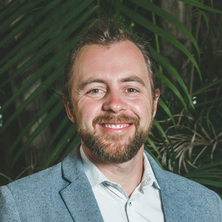
Gregore is a behavioural epidemiologist and Principal Investigator of the HABITAT Study, an ongoing cohort focused on urban environments, physical activity, inequalities, and healthy ageing. His research explores how physical activity and sedentary behaviour change over time, from early childhood to older age, particularly during major life transitions, and how these patterns relate to health outcomes and inequalities.
He has a strong interest in improving the measurement of physical activity in population surveys and in applying life-course perspectives to better understand behavioural trajectories and inform strategies to reduce health disparities. Gregore has published more than 160 peer-reviewed papers, secured $4 million in competitive research funding (including>$1 million as Chief Investigator), and actively contributes to national and international initiatives to strengthen physical activity surveillance and public health policy.
Gregore is a Teaching and Research academic at the School of Public Health, where he leads a multidisciplinary research group with PhD and Master’s students working on physical activity epidemiology and life course research projects. He is also an NHMRC Emerging Leadership Fellow (EL1; 2022–2026) and serves as Deputy Editor for the Journal of Physical Activity and Health.
Faculty of Health, Medicine and Behavioural Sciences
Affiliate of Australian Women's and Girls' Health Research Centre
Australian Women and Girls' Health Research Centre
Faculty of Health, Medicine and Behavioural Sciences
Availability:
Available for supervision
Dr Jordan is a medically trained cancer epidemiologist who is currently Professor of Epidemiology at the School of Public Health. Before starting her PhD, she worked in rural and urban general practice for over 10 years and brings that clinical experience to her research. She is currently a NHMRC Leadership Fellow and leads projects on ovarian and thyroid cancers, examining aetiology, patterns of care and survival. Her research employs a broad range of methods including individual patient and clinician surveys, molecular epidemiology and pooling of consortia data, but she has particular expertise in large-scale data linkage.
Faculty of Health, Medicine and Behavioural Sciences
Availability:
Available for supervision
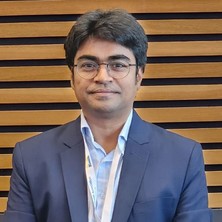
Dr Md Arifuzzaman Khan is a public health researcher and epidemiologist with over 15 years of experience focusing on disease prevention through immunisation and health promotion. His expertise spans infectious disease epidemiology, impact evaluation (including vaccines and health promotion), and advanced data analysis. He currently works as an Advanced Epidemiologist at the Wide Bay Public Health Unit, Queensland Health, and holds an Honorary Senior Lecturer appointment at UQ's School of Public Health.
His PhD research, which evaluated the “10,000 Lives” smoking cessation initiative in Central Queensland, demonstrated that leveraging local knowledge and champions is crucial for designing and effectively implementing health promotion programs. Building on this, Dr Khan is keen to explore how harnessing local knowledge can increase the uptake of immunisation and health promotion programs, particularly in regional, rural and marginalised populations.
Before relocating to Australia, Dr Khan spent over eight years at the internationally renowned public health institute (icddr,b) based in Bangladesh, where his work on large-scale vaccine studies significantly influenced global immunisation policies. His research has contributed to World Health Organization (WHO) recommendations for cholera and typhoid vaccines. Dr Khan has authored over 48 peer-reviewed articles in high-impact journals, including The Lancet and the New England Journal of Medicine.
Faculty of Health, Medicine and Behavioural Sciences
Availability:
Available for supervision
Erika is a demographer and social epidemiologist experienced in research and evaluation in the health and social services sector. Her experience bridges a number of health settings including primary health care, rural and regional health, community-controlled organisations, addiction services, and social enterprises. Erika is experienced in designing and leading strategic reviews, research projects, and evidence synthesis to inform policy development and reform. Her experience includes the development and evaluation of health system indicators; mapping, modelling, and simulating health systems; the evaluation and synthesis of health measures and interventions; the conceptualisation, development and operationalisation of health and service measures; and the analysis of large administrative and service data sets.
Erika is an English Australian who has worked on Indigenous-led projects relating to health, education, community development and systems integration. These include evaluations of government support services for Indigenous students, capacity building programs for staff and schools working with Indigenous students, the suitability of administrative data for Indigenous research, and the provision of integrated team care by a primary health network. She has published on the validity of Western health measures for Indigenous youth, health screening in primary health settings, the integration of health services, and a range of systematic reviews relating to health and education.
Affiliate of UQ Poche Centre for Indigenous Health
UQ Poche Centre for Indigenous Health
Faculty of Health, Medicine and Behavioural Sciences
Affiliate of Centre of Architecture, Theory, Culture, and History
Centre of Architecture, Theory, Culture and History
Faculty of Engineering, Architecture and Information Technology
Associate Professor
School of Public Health
Faculty of Health, Medicine and Behavioural Sciences
Availability:
Available for supervision
Media expert
Associate Professor Nina Lansbury (also published as Nina Hall) is an environmental public health research and teaching academic at The University of Queensland’s School of Public Health. Her current research at UQ examines environmental health aspects that support the health and wellbeing of remote Indigenous community residents (as a non-Indigenous Australian) on both mainland Australia and in the Torres Strait in terms of housing, water and sanitation, and women's health. She also investigates the impacts of climate change on human health; at a global level, this involves a role as Coordinating Lead Author on the Intergovernmental Panel on Climate Change (IPCC AR7 WG II Ch 9, and formerly as a Lead Author in AR6) as well as a focus on remote Indigenous communities in Australia. In her teaching of undergraduate and postgraduate health students, she covers wicked health problems, integrative and interdisciplinary thinking in health, environmental health, and climate change impacts on health. Within the research sector, she was a senior research scientist at CSIRO, manager of the Sustainable Water program at The University of Queensland, and senior research consultant at the Institute for Sustainable Futures, UTS. Within the non-government sector, she was the director of the Climate Action Network Australia and research coordinator at the Mineral Policy Institute.
Faculty of Health, Medicine and Behavioural Sciences
Availability:
Available for supervision
Media expert
Amanda Lee is Emeritus Professor in the School of Public Health (SPH) within the Faculty of Medicine. Amanda has expertise in preventative health, public health nutrition, health policy, food systems and Indigenous nutrition and health. Her major area of research is the development, implementation and evaluation of public health policy actions to prevent and help manage non-communicable disease (NCD), with a focus on regulatory policy responses targeting obesity, poor diet and food insecurity, in both developed and low- and middle-income countries. Most recently her work has focussed on improving economic access to healthy food. Amanda was previously Head of the Division of Health Promotion and Equity at SPH and co-ordinated the SPH mentoring program. Her work takes a strong systems focus, underscored by the three pillars of health and wellbeing; equity; and environmental sustainability.
Amanda’s leadership skills are exemplified by appointments such as: Chair of the National Health and Medical Research Council’s (NHMRC) Dietary Guidelines Working Committee and Infant Feeding Guidelines Sub-Committee (2008-2013); Senior Advisor for The Australian Prevention Partnership Centre at The Sax Institute; Member of the NHMRC's Nutrient Reference Values Steering Group Advisory Committee (2012-21); Member of the Australian Academy of Science's Nutrition Committee (2014-21); Chair of Food Standards Australia and New Zealand’s Consumer and Public Health Dialogue (2014-19); Member of the interim Board of Health and Wellbeing Queensland (2019-20); and member of advisory groups for the National Nutrition and Physical Activity Surveys (2009-11; 2020-22) and the two most recent Australian Burden of Disease studies. At the invitation of the CSIRO and two Australian Government Departments, she presented on health aspects at three national dialogues for the UN Food Security Summit in 2021.
Amanda has worked in government, not-for profit, Aboriginal community-controlled and consultancy, as well as academic, sectors. She worked for the people of Minjilang who, in the 1980s, demonstrated using objective biomedical indicators that rapid and sustained improvements in diet, nutrition and health are possible. Among more recent projects Amanda: led scoping of a new National Nutrition Policy; conducted two systematic reviews of discretionary foods and another on fats and oils for the NHMRC; finalised the national Healthy Weight Website; conducted a rapid review of portion sizes for the Healthy Food Partnership; and assessed evidence to help prioritize obesity and nutrition policy actions in two state jurisdictions. On invitation, she consults to several Indigenous health organisations, with relationships on the Anangu Pitjantjatjara Yunkuntjatjara Lands (APY) Lands spanning four decades. She developed the Healthy Diets ASAP (Australian Standardised Affordability and Pricing) methods which are providing insights into ecomomic assess to healthy diets, and, globally, led the food price and affordability domain of the International Network for Food and Obesity/Non-communicable Diseases Research, Monitoring and Action Support (INFORMAS). Globally, she has conducted several nutrition and health policy workshops, contributed to three scoping reviews on dietary patterns and health for the World Health Oranization, is a member of the Scientific and Technical Advisory Network of World Obesity, Policy and Prevention, and an expert advisor to Canada, PR China and other countries on dietary guidance and health.
Since joining UQ in 2018, Amanda has been a Chief Investigator (CI) on research programs totaling over $A22 Million, including as CIA on two MRFF funded project to improve food security on the APY Lands, and as CI on the NHMRC Centre of Research Excellence in Food Retail Environments for Health (RE-FRESH); the NHMRC Special call: Giving Aboriginal and Torres STRait Islander children the best start in life: improving healthy food availability and food security in remote Australia; and the NHMRC Partnership Centres for Better Health-The Partnership Centre on Systems Perspectives on Preventing Lifestyle-Related Chronic Health Problems, also known as The Australian Prevention Partnership Centre (TAPPC). She has recently completed two other MRFF funded projects as CIA- one on Diet and chronic disease prevention: supporting implementation of priority actions in the food and nutrition system, and another on Improving Aboriginal Food Security with remote and urban communities.
Amanda has published over 100 scholarly articles in quality, high profile peer reviewed journals and has written numerous reports and blogs and been interviewed for several podcasts and television programs. She maintains active social media accounts followed by several key decision makers.
Faculty of Health, Medicine and Behavioural Sciences
NHMRC Leadership Fellow
UQ Poche Centre for Indigenous Health
Faculty of Health, Medicine and Behavioural Sciences
Affiliate of ARC COE for Children and Families Over the Lifecourse
ARC COE for Children and Families Over the Lifecourse
Faculty of Humanities, Arts and Social Sciences
Availability:
Available for supervision
Media expert
Associate Professor Mamun is an internationally recognised leader in the areas of life course epidemiology and intergenerational perspectives. An approach that situates the individual risk factors and their interaction within a context that determines health outcomes has been the underlying basis of his research. He is one of the Principal Investigator’s of the Mater-University of Queensland Study of Pregnancy (MUSP) cohort. Over the past 14 years, he has been leading the respiratory and cardiovascular epidemiology research in the MUSP that included 30 years follow-up of the MUSP offspring cohort (Gen 2) and the first follow-up of the children-of-the-offspring cohort (Gen 3). In recent years, he expanded his research in the low & middle income countries focusing on the rapid socio-economic development and the demographic and epidemiological transitions.
Mamun has made significant contributions to understand the critical stages of life and early life determinants of health. From the life course perspective, some of his papers are influential while thinking about the early development of health and well-being. For instance, his research confirmed that parents, especially mothers, are the role model for offspring health and well-being development from early life to adolescence and then to young adulthood. His research shows that weight management and prevention of obesity should start as early as possible even before or during pregnancy. He is interested to contribute new knowledge about the extent that socioeconomic, family and environmental factors track from generation to generation and how this impacts on health and well-being of the future generations.
Mamun has received several national (e.g. ARC, NHMRC, and NHF) and international competitive grants. He was awarded several highly competitive fellowships (e.g. NHMRC CDF Level 2, 2012-2016, NHMRC CDF Level 1, 2008-2011) and awards (UQ Foundation Research Excellence Awards, 2009 and NHF Grants-in-Aid 2008). He has more than 200 peer-reviewed publications, most of which are published in high impact journals. He has an outstanding track-record of supervising RHD students. For instance, in the last five years, he has supervised 16 PhD students- 10 as Primary Advisor, who have been awarded their degrees.
Research Interests:
Respiratory and cardiovascular health- development and early prevention
Maternal and child health- early life environment and critical windows
Social, structural and environmental basis of health and well-being
Methodological innovation in longitudinal studies, administrative data and meta-analysis
Faculty of Health, Medicine and Behavioural Sciences
Availability:
Available for supervision
Joemer’s main research area is on adolescent health epidemiology and program evaluation.
Joemer focuses on pragmatic approaches in epidemiology to identify social determinants and mental health risks in adolescents including young mothers. Apart from applications of modelling techniques on cross-sectional and panel data, he has expertise in conducting evidence synthesis including meta-analytic methodologies.
Joemer also has an extensive experience in monitoring and evaluation of health and social programs. He previously worked as a research fellow and health systems consultant in government agencies and international NGOs focused on adolescent health and reproductive health services at local and national contexts. Now, he is involved with evaluation of programs targeting young people with complex mental health issues and those who are victims of domestic and family violence.
Joemer has strong research interests on contextualizing adolescent reproductive health through mental health risks, and mental health integration in primary care in low resource settings.
Faculty of Health, Medicine and Behavioural Sciences
Availability:
Available for supervision
My research focuses on the engagement of stakeholders and the development of interventions to improve the health outcomes of cancer patients, Aboriginal and Torres Strait Islander people, and patients with chronic pain. These projects involved co-designing and delivering training programs for healthcare providers and consumers and assessing the clinical and public health outcomes.
Faculty of Health, Medicine and Behavioural Sciences
Availability:
Available for supervision
Dr Kylie Matthews-Rensch is an Advanced Accredited Practising Dietitian (AdvAPD). She holds qualifications in Biomedical Science, a Masters of Dietetics, and a PhD from UQ examining dietetic practice in refeeding syndrome.
Dr Matthews-Rensch's current research focuses on clinical dietetics, refeeding syndrome, eating disorders, and mental health service delivery. She has supervised two PhD students, an MPhil student, and multiple Masters and Honours level students.
Faculty of Health, Medicine and Behavioural Sciences
Availability:
Not available for supervision
Media expert
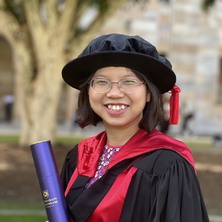
Dr Lisa McHugh is a perinatal and infectious diseases epidemiologist at the UQ School of Public Health (SPH). A Level C Senior Research Fellow and NHMRC Emerging Leader (EL1) Investigator Grant recipient, Lisa leads her own small team of researchers through her 5-year program ‘VaxiMums’, which is evaluating the uptake, effectiveness and equity of maternal vaccinations and respiratory infections.
Lisa is a CI on a national study evaluating RSV hospitalisations in children <5yrs of age, and a CI on a Qld Health project looking at the acceptability of new RSV strategies among parents.
Lisa is currently leading a pilot study investigating pregnancy loss after receiving influenza and COVID-19 vaccinations in early pregnancy-the first of its kind in Australia, and one of only a few internationally. Lisa’s extensive collaborations involve Primary Health Care Networks, First Nations midwives, maternal and child health nurse immunisers, consumers, Queensland Health, and national and international experts in the field.
Lisa has supervised 3 MEpi students to completion-all with the highest GPA of 7. She is currently the primary advisor of 2 PhD students, 2 MEpi students and a MBiostats student.
Projects currently being investigated by her and her students include:
Effectiveness of influenza, pertussis & COVID vaccinations in pregnancy against adverse maternal-infant outcomes
RSV hospitalisations among First Nations children aged <2yrs (Lisa is leading this collaboration with UQCCR)
Adverse birth outcomes among NT mother-infant pairs after maternal vaccinations
Pertussis vaccine effectiveness among preterm infants
Vaccine failures after influenza + pertussis vaccination in pregnancy
Lisa is the Academic Integrity Officer for SPH, and mentors 2 academics in the SPH Mentoring Program. Her research expertise and interests include clinical midwifery, First Nations health, infectious diseases, pregnancy and birth outcomes, and maternal vaccination. She has been a member of the Public Health Association of Australia since 2014, and Immunisation Special Interest Group working group member, contributing to the latest Immunisation Policy Review (2026).
Lisa is also member of the Australasian Epidemiological Association and Editor for the Aust and New Zealand Journal of Public Health.
She reviews for NHMRC grant applications.
When not working Lisa can be found (or not found) trail running, hiking in the middle of nowhere and swimming.
Centre Director of Australian Women and Girls' Health Research Centre
Australian Women and Girls' Health Research Centre
Faculty of Health, Medicine and Behavioural Sciences
NHMRC Leadership Fellow
School of Public Health
Faculty of Health, Medicine and Behavioural Sciences
Availability:
Not available for supervision
Gita Mishra AO is Professor of Life Course Epidemiology at the University of Queensland (UQ) and is internationally recognised for her research on women’s reproductive health and chronic conditions across life. She is the founding Director of the Australian Women and Girls’ Health Research (AWaGHR) Centre at UQ with a 40-strong multidisciplinary team, including 12 PhD students, that has arisen out of her leadership of the NHMRC Centre of Research Excellence in Women and Non-Communicable Diseases (2019-2025). Professor Mishra is currently an NHMRC Leadership Fellow (Level 3; 2022-2031), having previously been awarded with an ARC Future Fellowship (2013-2017) and an NHMRC Principal Research Fellowship (2017-2021).
Within the AWaGHR Centre, she is Director of the Australian Longitudinal Study on Women’s Health (ALSWH), a national flagship study since 1996 with data on over 57,000 women in four age cohorts. She leads a series of NHMRC and MRFF funded studies, including on endometriosis, menstrual disorders, and perimenopause and menopause, that place strong emphasis on the life course and the inclusion of women from First Nations’ communities and from culturally and linguistically diverse backgrounds. The Centre also hosts InterLACE, the International collaboration for a Life course Approach to reproductive health and Chronic disease Events which Professor Mishra has developed and led since 2012. InterLACE now combines data from more than 1.2M women in 35 studies in 19 countries and has become a leading resource for robust evidence on women’s health. As a result, she regularly presents findings from InterLACE and from the AWaGHR Centre at international policy meetings, including as an expert contributor at the UN Commission for the Status of Women in New York and at the WHO in Geneva.
Over her career, Professor Mishra has authored over 500 scientific papers, invited reviews, book chapters, and evidence reports. She is lead editor of “A Life Course Approach to Women’s Health”, a key text that presents the latest research in the field and is part of the ground-breaking Life Course Series from Oxford University Press. She works extensively with governments, especially with Australian Department of Health and Aged Care. She led the 2018 evidence review for the inform the National Women’s Health Strategy 2020-2030, which prioritised a life course approach. In 2023, she was scientific advisor to Queensland Health for the Queensland Women and Girls’ Health Strategy 2023-2032.
In her current role in supporting health policy implementation and research priorities, she is a founding member of the National Women's Health Advisory Council established by the Australian Government and is on the Strategic Advisory Committee for the Queensland Women and Girls’ Health Promotion Program. From 2023-2025 she was co-president of the 16th World Endometriosis Congress in Sydney and is currently Chair of the Queensland branch of the Heart Foundation.
In 2017, Professor Mishra became a Fellow of the Australian Academy of Health and Medical Sciences and in 2025 she was appointed as President-elect for the World Endometriosis Society (2025-2027). She has received prestigious awards for her contribution to research and education, including the 2022 RANZCOG Award for Excellence in Women’s Health. In 2025, she was honoured with the title of Officer of the Order of Australia (AO) and awarded an Honorary Doctorate from Stockholm University.