Faculty of Health, Medicine and Behavioural Sciences
Availability:
Available for supervision
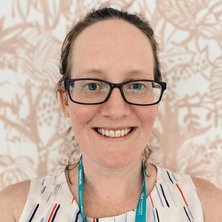
I am a health psychologist and researcher with a strong focus on health psychology and mental health, particularly within First Nations and culturally and linguistically diverse (CALD) communities. My research expertise lies in the development and evaluation of health and wellbeing programs, and cultural adaptations to programs and research methods to more effectively measure mental health and wellness. I have extensive clinical and industry experience, including roles in program design, evaluation, and advocacy within First Nations health, chronic disease management and chronic pain.
Currently, my work spans several projects, including evaluating mental health services for First Nations Australians and investigating the needs of First Nations carers for loved ones with mental health concerns. I also have a keen interest in cultural correlates and expressions of mental disorder, in empowering people to make health behaviour changes, and to engage more effectively with healthcare services through individual, group and health promotion interventions.
Faculty of Health, Medicine and Behavioural Sciences
Availability:
Available for supervision
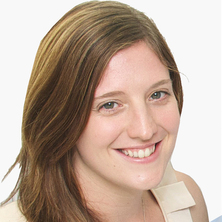
Dr Lizzie Beadle is a clinical psychologist, neuropsychologist, and researcher. Her research is focused on neuropsychological rehabilitation, changes to self-awareness and identity after brain injury, and use of technology in rehabilitation. She has practiced as a psychologist from acute through to community services. She is experienced in translation of research in to clinical practice. She is passionate about supporting a lifelong love of learning in students and clinicians. She is also passionate about supporting greater medical and lifestyle choice and control for individuals with disabilities.
Director, Queensland Centre for Olympic and Paralympic Studies
School of Human Movement and Nutrition Sciences
Faculty of Health, Medicine and Behavioural Sciences
Director of Teaching and Learning of School of Human Movement and Nutrition Sciences
School of Human Movement and Nutrition Sciences
Faculty of Health, Medicine and Behavioural Sciences
Associate Professor
School of Human Movement and Nutrition Sciences
Faculty of Health, Medicine and Behavioural Sciences
Availability:
Available for supervision
Media expert
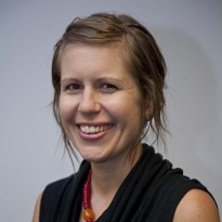
Dr Emma Beckman is a Teaching and Research academic at the University of Queensland. Emma is passionate about engaging in research to improve the lives of people with a disability through sports, physical activity, and exercise. Following a master’s degree in Adapted physical activity, Emma completed her PhD in strength assessment for classification in Para Sport. She is currently a co-investigator in the UQ IPC Classification Research Partnership, and an internationally accredited classifier in Para Athletics.
Through her Para Sport research, Dr Beckman has seen the power of collaborative care and is committed to research that uses collaborative care models to improve health outcomes. She has undertaken projects to evaluate the impact of interprofessional education and practice on students, educators and clients and has adapted this work for different populations, including people with disabilities and university students with mental health issues.
Faculty of Health, Medicine and Behavioural Sciences
Availability:
Available for supervision
Media expert
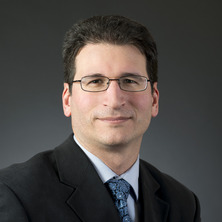
Associate Professor Jakob Begun is the IBD Group leader in the Immunity, Infection, and Inflammation Program at Mater Research University of Queensalnd, and has a basic and translational laboratory at the Translational Research Institute in Brisbane. He is an Associate Professor in the University of Queensland Faculty of Medicine. After completing his Bachelor of Science at Cornell University Jakob attended Cambridge University where he completed an MPhil in Biochemistry. He then moved on to Harvard Medical School where he completed his MD and PhD in genetics studying the host pathogen interaction using C. elegans as a model system. He completed his clinical training in internal medicine at Brigham and Women’s hospital and went on to complete general gastroenterology training at Massachusetts General Hospital (MGH) as well as advanced training in the treatment of Inflammatory Bowel Disease (IBD).
Dr Begun first joined Mater Research - University of Queensland in 2014, and at the same time received a clinical staff appointment in Gastroenterology at the Mater Hospital Brisbane. His clinical activities are focussed on the treatment and mangement of patients with IBD. He is the director of the IBD unit at the Mater Hospital Brisbane and at the Mater Young Adult Health Centre Brisbane .In January 2015 he was awarded the University of Queensland Reginald Ferguson Fellowship in Gastroenterology to support his research activity. He leads a basic and translational laboratory at the Translational Research Institute investigating the interaction between the innate immune system and the gut microbiome, as well as genetic contributions to disease. He also performs clinical research examining predictors of response to therapy, minimising barriers of care for adolescents and young adults with IBD, improving outcomes in pregnancy and IBD, and the use of intestinal ultrasound in IBD. He is the chair of the Gastroenterology Society of Australia-IBD Faculty and of the president of the Gastroenterology Network of Intestinal Ultrasound (GENIUS).
Faculty of Health, Medicine and Behavioural Sciences
Availability:
Available for supervision
Dr Kath Benfer is a Post-Doctoral Research Fellow with the Queensland Cerebral Palsy and Rehabilitation Research Centre, The University of Queensland. Her Post-Doctoral work focuses on community-based early detection and intervention for infants at high risk of cerebral palsy in low-resource countries (India and Bangladesh). She was awarded the prestigious Endeavour Queen Elizabeth II Diamond Jubilee Scholarship through the Australian Commonwealth Government to conduct the study. Kath’s PhD explored oropharyngeal dysphagia, gross motor function, growth and nutrition in preschool children with cerebral palsy, in both Australia and Bangladesh. Her work arising from her doctoral studies has been published in 10 peer-reviewed publications and presented widely at international conferences. Dr Benfer has over 12 years of experience as a speech pathologist within paediatric disability, with community-based child and family support services. Kath also has an interest in cross-cultural issues in child health, having worked in Bangladesh for over 2 years both as an AusAid volunteer teaching on the country’s first Bachelor of Speech Therapy degree, as well as conducting research in this context. She has completed her Master of Public Health at La Trobe University in Melbourne within the research and international health streams.
Affiliate of Centre for Innovation in Pain and Health Research (CIPHeR)
Centre for Innovation in Pain and Health Research
Faculty of Health, Medicine and Behavioural Sciences
Dr of School of Biomedical Sciences
School of Biomedical Sciences
Faculty of Health, Medicine and Behavioural Sciences
Research Fellow
School of Health and Rehabilitation Sciences
Faculty of Health, Medicine and Behavioural Sciences
Availability:
Available for supervision
Dr. Manuela Besomi is a Research Fellow within the Centre for Innovation in Pain and Health Research (CIPHeR) in the School of Health and Rehabilitation Sciences at The University of Queensland. She also holds an honorary position in the Physiotherapy Department at Universidad del Desarrollo (Chile), where she leads a clinical team focused on running injury management and prevention research. Manuela obtained her master's degree in Clinical Epidemiology from Universidad de La Frontera, Chile, in 2016, followed by a Ph.D. in Rehabilitation Sciences at The University of Queensland in 2021. As a passionate physiotherapist and early career researcher, she brings expertise in epidemiology, musculoskeletal rehabilitation, and sports science, particularly in the context of running. Her research spans fundamental and applied areas, from leveraging innovative technologies to investigate tissue mechanics to enhancing care management through implementation research.
Manuela is currently the Project Coordinator of an NIH-funded research project, the largest human project at UQ across 8 universities and 5 hospitals in 3 countries, examining the bio-psycho-social mechanisms underlying low back pain flares. She is also the Research Coordinator for the Consensus for Experimental Design in Electromyography (CEDE) project, supported and endorsed by the International Society of Electrophysiology and Kinesiology (ISEK). In recognition of her contributions, she was honoured with the prestigious 2022 Carlo J. DeLuca Award.
Beyond her research endeavours, Manuela is dedicated to translating knowledge into practice and actively engages with the community. She is a speaker and collaborator at The Running Clinic and a co-founder of the SeRUN® project (@serun.chile), both initiatives aimed at bridging the gap between research and clinical practice. She is passionate about promoting STEM for young girls—having collaborated in the evaluation of a nationwide program to boost girls' engagement in STEM, BRInC. Currently, she is part of the research team and mentor for the 2024 BRInC version. More information about BRInC can be found at https://www.canberra.edu.au/about-uc/faculties/health/brinc.
Dr. Besomi remains committed to advancing knowledge and making a positive impact in the fields of physiotherapy, rehabilitation and sports science.
Dr. Bialasiewicz worked at the Royal Children's Hospital and the Children's Health Queensland HHS for over 18 years conducting translational research and clinical support centering on infectious disease (primarily viral and bacterial) molecular diagnostics, general microbiology and molecular epidemiology. In 2019, he became a group leader at The University of Queensland's Australian Centre for Ecogenomics, expanding on a growing interest in the microbial ecology of the human body, it's role in health and disease, and ways to manipulated to achieve desirable outcomes. One Health microbial ecology, where human health is interconnected with the health of animals (both livestock and wildlife), and the broader environment is also an area of active interest. His background in virology has influenced the work he does, meaning a key focus of his microbial ecology works centres around the interactions between all types of microorgansims (bacteria, archaea, viruses, fungi, and micro-eukaryotes).
Ongoing work includes:
- Leveraging of emerging technologies to explore the hidden microbial diversity and their interactions in the human body.
- Using the technology to develop microbial (e.g. phage)-based treatments or preventatives to complex diseases (e.g. Otitis Media, Chronic Rhinosinusitis, GvHD).
- Understanding the genetics of antibiotic resistance spread.
Faculty of Health, Medicine and Behavioural Sciences
Availability:
Available for supervision
Tamara is an early career researcher (7 years post-doc) and a trained respiratory scientist with over 10 years’ experience in measuring the lung function of children aged between 3-18 years across a range of disease modalities including asthma, bronchiectasis, cystic fibrosis (CF). Her PhD validated the use of normal healthy reference values for two lung function tests (spirometry and fractional exhaled nitric oxide) for children who identify as Aboriginal and/or Torres Strait Islander. She is experienced in performing a wide range of clinically available lung function tests as well as several new emerging techniques including oscillometry and multiple breath washout. These techniques are attractive additions to clinical practice due to improved sensitivity to early lung disease progression. She has a particular interest in childhood respiratory illnesses such as cystic fibrosis and asthma, emerging clinical measurement techniques, as well as Australian First Nations respiratory health. Her current research aims to i) better understand the mechanisms of early lung disease including asthma, CF, preterm and neuromusccular conditions, ii) to improve current clinical outcome measures to aid in appropriate management, and iii) to establish the clinical utility of new techniques for use in both teritary and home-based settings.
Faculty of Health, Medicine and Behavioural Sciences
Availability:
Available for supervision
Fiona Bogossian is currently Professor of Practice Education in Health at the University of the Sunshine Coast.
Fiona is a Registered Nurse and Midwife with clinical, policy, education and research experience in midwifery and neonatal nursing. She has professional qualifications in education, public health and epidemiology, and a strong track record in teaching and research academic mentorship. Fiona is a Churchill Fellow, a Fellow of the Australian College of Midwives and a Senior Fellow of the Higher Education Academy.
As a foundation academic in the UQ School of Nursing & Midwifery (2005-2018), Fiona held leadership roles including Program Director, Director of Research and Director of Research Higher Degrees. Teaching highlights include implementation of the ground-breaking UQ Bachelor of Nursing curriculum, pioneering the first Bachelor of Midwifery program in Queensland and design and implementation of UQ's first practice based electronic portfolio system. Fiona held strategic responsibility for the School research direction, training and performance contributing to Above World Class Ranking of 5 for the field of research ‘nursing’ in 2012 and 2015.
Fiona’s research addresses better perinatal health outcomes and workforce education & development. She has expertise in clinical, health services and education research in particular epidemiology, longitudinal cohort studies, randomised trials, qualitative approaches and mixed methods. She has been Chief and Associate Investigator on $2.9 million of Cat 1 and Cat 4 grants since 2009, and has over 90 peer reviewed publications.
Fiona’s disciplinary research and education leadership is demonstrated at local, state, national and international levels through a long history of ministerial appointments, membership of research foundation grants committees, chairing program accreditation panels, as Sub-Editor for Women & Birth, and more recently as a panel member for the ERA Impact and Engagement Pilot (2107), and the discipline representative on the Universitas 21 Health Sciences Group Executive (2013-2016).
Faculty of Health, Medicine and Behavioural Sciences
Availability:
Available for supervision
Media expert
Dr. Borg is a translational scientist with a career spanning both Germany and Australia. She has amassed extensive expertise in cellular biology in regenerative therapies, as well as molecular biology, biochemical, and preclinical methodology in diabetes research. Her leadership in coordinating the newest Queensland longitudinal birth cohort has honed her skills in multidisciplinary teamwork, scientific communication, databank governance and epidemiological study design.
Passionate about innovation, Dr. Borg excels in leveraging communication, engagement, and partnerships to address persistent challenges in clinical research. As a Principal Research Fellow in the Women-Newborn-Children's Services at Gold Coast Hospital and Health Service, she is dedicated to workforce capacity building and integrating clinical expertise with academic knowledge. Her efforts are focused on enhancing research implementation and improving health service evaluation within cross-disciplinary teams, to prioritise healthcare improvement.
Faculty of Health, Medicine and Behavioural Sciences
Higher Degree by Research Scholar
School of Human Movement and Nutrition Sciences
Faculty of Health, Medicine and Behavioural Sciences
Availability:
Not available for supervision
Stella Boyd-Ford is a Post Doctoral Research Fellow with the First Nations Cancer and Wellbeing Research Program. Her research focus areas include food security, paediatric nutrition and Aboriginal and Torres Strait Islander health. She has expertise in qualitative methods and co-design in health. Her current research involves co-designing culturally safe healthcare services for Aboriginal and Torres Strait Islander communities.
Stella works at the intersection of community health, clinical nutrition and research, with extensive experience in outreach roles and collaborating with diverse communities. She also has a background as an Accredited Practicing Dietitian.
Faculty of Health, Medicine and Behavioural Sciences
Affiliate Associate Professor
Mater Research Institute-UQ
Faculty of Health, Medicine and Behavioural Sciences
Research Social Scientist
Institute for Social Science Research
Faculty of Humanities, Arts and Social Sciences
Availability:
Available for supervision
Media expert
Assoc Prof Fran Boyle is a social scientist and health services researcher at the Institute for Social Sciences Research. Fran's background is in psychology and public health and her research focuses on people’s lived experiences of health, health services and the health system. Fran's research expertise is in the application of social sciences methods (including the integration quantitative and qualitative approaches) and health systems thinking to guide policy and practice.
Fran is a Principal Investigator with the Australian Centre of Research Excellence in Stillbirth where she co-leads the Care after Stillbirth program. Her research addresses the psychosocial impacts of perinatal loss and is committed to improving outcomes for women and families through the implementation and evaluation of best practice parent-centred perinatal bereavement care in hospital and community settings.
Faculty of Health, Medicine and Behavioural Sciences
Availability:
Available for supervision
Dr Clare Bradley is a non-Indigenous woman living and working on the lands of the Peramangk and Kaurna peoples. She is a Senior Research Fellow within the Trauma & Injury group at Flinders University’s College of Medicine and Public Health and an Honorary SRF with the University of Queensland's Poche Centre for Indigenous Health. With over two decades in health and aged care services research, Clare’s work has focused on injury and infectious disease surveillance, health services research and Big Data infrastructures.
Following over a decade's work in injury epidemiolology and aged care services research, Bradley’s First Nations health research experience was advanced by roles at the South Australian Health and Medical Research Institute and UQ Poche. Here she supported Professor James Ward’s sexual health and infectious diseases research program and established the ATLAS Indigenous Primary Care Surveillance Network—Australia’s leading Indigenous health research data infrastructure (2017–2024). Working directly with ACCHOs nationally, Clare led the development of ATLAS’s data extraction, linkage and analysis pipeline and collaboration with stakeholders to embed use of the surveillance data in Continuous Quality Improvement activities, national infectious disease surveillance reporting, and research. Her MRFF 2020 Primary Health Care Research Data Infrastructure Grant (PHRDI000054, CI-A) contributed substantially to the success of this work.
Now back at Flinders University, Clare's role as Study Coordinator with Associate Professor Courtney Ryder's Transforming HEalth and Wellbeing Outcomes from Injury for Aboriginal and Torres Strait IsLander Children (HEAL) Cohort Study brings together her expertise in developing research infrastructures using person-linked data, injury epidemiology and outcomes research, and her strong advocacy for health equity, culturally safe research, and Indigenous Data Sovereignty.
Faculty of Health, Medicine and Behavioural Sciences
Centre Director of Centre for Neurorehabilitation, Ageing and Balance Research
Centre for Neurorehabilitation, Ageing and Balance Research
Faculty of Health, Medicine and Behavioural Sciences
Professor
School of Health and Rehabilitation Sciences
Faculty of Health, Medicine and Behavioural Sciences
Availability:
Available for supervision
Media expert
Research to improve balance and gait in older adults and those with Neurological Disorders.
Impaired postural control, or poor balance, can have devastating effects on the lives of individuals, resulting in falls, dependence, and reduced quality of life. Prof Brauer leads a number of studies to better understand the underlying motor control mechanisms contributing to altered postural control, particularly in populations with neurological disorders or advanced age, and use this information to better develop physiotherapy assessment techniques and rehabilitation strategies. This research has subsequently developed to encompass prevention strategies and the investigation of the cost-effectiveness of intervention, to better facilitate the translation of research evidence into clinical practice.
Current research themes include:
Improving physical activity after stroke
Training dual tasking when walking in people with Parkinson’s Disease.
Community mobility in older adults, particularly in people with Parkinson’s Disease and stroke.
Retraining reaching following stroke, using the SMART Arm device.
The prevention of falls, particularly in hospitals.
Faculty of Health, Medicine and Behavioural Sciences
Availability:
Available for supervision
Katie a health and disability researcher and the Research Lead at the Queensland Centre for Excellence in Intellectual Disability and Autism Health (QCEIDAH). Katie leads research to improve experiences and outcomes for people with intellectual disability and autistic people in the health system.
Katie’s research spans preventive care, primary care, and hospital settings. Katie’s work uses co-design and has strong consumer input across all stages of her research. Katie is driving a research program to transform primary and preventive health. She is currently driving a transformative research program in primary care and preventive health.
Faculty of Health, Medicine and Behavioural Sciences
Availability:
Available for supervision
Dr Riley Brown is an Accredited Exercise Physiologist and Lecturer in Clinical Exercise Physiology at the School of Human Movement and Nutrition Sciences, The University of Queensland.
Riley holds qualifications in clinical exercise physiology [BExSS (CEP) (Hon-1)] and received his PhD from The University of Queensland in January 2024. His research interests include assessing the feasibility, effectiveness and uptake of digital health physical activity/exercise interventions for people living with complex chronic diseases. He also has a keen interest in investigating the influence of digital health exercise interventions for improving exercise adherence and clinical outcomes in chronic disease (sustainable exercise practice), and optimising monitoring tools for exercise interventions.
Riley course coordinates two foundation exercise science/exercise physiology courses: EXMD2382 (Exercise Science Technical Skills) and EXMD3741 (Exercise prescription and programming for cancer, mental health and older adults). He has an avid interest in scholarship of teaching projects.
Affiliate Research Fellow of School of Human Movement and Nutrition Sciences
School of Human Movement and Nutrition Sciences
Faculty of Health, Medicine and Behavioural Sciences
Honorary Fellow
PA Southside Clinical Unit
Faculty of Health, Medicine and Behavioural Sciences
Availability:
Available for supervision
Dr Claudia Bull is a Research Fellow in psychiatric epidemiology at the Queensland Centre for Mental Health Research (QCMHR), University of Queensland. She holds a Bachelor of Nutrition with First Class Honours (2017) and a PhD in Health Services Research from the Griffith University School of Nursing and Midwifery (2022). Claudia's research largely focusses on undertaking complex data analysis using large, linked, population-based administrative datasets to understand equity, patterns of health service use, and outcomes in vulnerable Australian populations. She is particularly interested in the intergenerational and lifetime effects of child abuse and neglect in Australia, as well as understanding how health services can better support Child Protection efforts.
Claudia is also well-versed in the development, psychometric evaluation and implementation of PROMs and PREMs for health systems performance measurement. She is internationally recognised for her research related to PROMs and PREMs, having published several seminal and highly cited papers, as well as pioneering methods for consumer engagement in deciding what questions are relevant and important in PROMs and PREMs. Claudia is an inaugural member of the South Australian Commission on Excellence and Innovation in Health's Generic PROM Selection Subcommittee, and is currently collaborating internationally with researchers in The Netherlands, Iran, France and Spain to cross-culturally validate an Emergency Department PREM.
Claudia's expertise in population-based linked administrative health data analysis, as well as PROMs and PREMs, positions her as a well-rounded and capable researcher. Claudia's international collaborations underscore her ability to work across cultural and geographical boundaries, enriching her research with a global perspective. Moreover, her track record of published research, practical involvement in healthcare initiatives, and ongoing projects reflect a proactive and influential presence in the field.
Faculty of Health, Medicine and Behavioural Sciences
Availability:
Not available for supervision
Professor Philip Burgess is a researcher in the field of mental health services research and evaluation. He is a Professor with the School of Public Health at the University of Queensland, based at the Queensland Centre for Mental Health Research.
Philip holds qualifications in clinical psychology and has over 30 years of experience in the design, analysis and reporting of research projects, including systematic literature reviews, cross-sectional and longitudinal studies, studies based on routinely collected administrative health and mental health data, epidemiological survey data, and evaluations of health programs and interventions using observational and quasi-experimental research designs.
Philip’s current role is with the Analysis and Reporting Component of the Australian Mental Health Outcomes and Classification Network (AMHOCN), which leads the design, analysis and reporting of the National Outcomes and Casemix Collection (http://www.amhocn.org/). In this role, he is leading a range of projects designed to improve the measurement of patient- and service-level outcomes in Australia's specialised public sector mental health services.