Affiliate of W.H. Bryan Mining and Geology Research Centre
WH Bryan Mining Geology Research Centre
Faculty of Engineering, Architecture and Information Technology
Theme Leader, Analytical Methods
School of Chemical Engineering
Faculty of Engineering, Architecture and Information Technology
Availability:
Available for supervision
Media expert
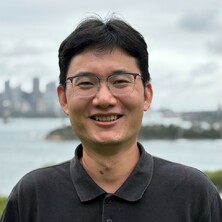
Jeff Chen is a pyrometallurgist with strong expertise in high-temperature phase equilibria and gas/solid reaction kinetics. He has over 15 years of research experience in extractive metallurgy, focusing on metals such as Cu, Pb, Ni, PGM, and Fe, through ongoing research collaborations with major mining and metal producers worldwide. Jeff has successfully secured over 10 million dollars in research funds from the Australian government and industry, primarily through funding schemes like ARC linkage and Trailblazer. His contributions to the field include the publication of over 60 papers in leading journals and major conferences in metallurgy, and he was awarded the Best Paper Award from TMS in 2021.
In addition, Jeff is a recognised expert in various quantitative microanalysis techniques, including electron microprobe (WDS) and laser ablation ICP-MS. His specialization lies in the application of quantitative microanalysis in the field of extractive metallurgy. He played a pioneering role in implementing LA-ICP-MS for trace element analysis in metallurgical materials and has consistently contributed to the development of new standard reference materials for sulfides and alloys. From 2018 to 2021, he served as the state representative for the Australian Capital Territory (ACT) in the Australian Microbeam Analysis Society.
Furthermore, Jeff has been actively involved in university teaching, covering subjects such as chemical thermodynamics, pyrometallurgy, and metal production and recycling
Faculty of Engineering, Architecture and Information Technology
Availability:
Available for supervision
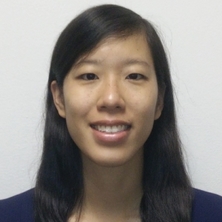
Dr. Guoliang Chen is a Postdoctoral Research Fellow at the ARC Centre of Excellence for Green Electrochemical Transformation of Carbon Dioxide (GETCO2) and the School of Chemical Engineering at The University of Queensland. He is also an Adjunct Research Fellow in the Centre for Future Materials at the University of Southern Queensland. He completed his Ph.D. in 2025 at the University of Southern Queensland. His research focuses on developing flow-through gas diffusion electrodes for the electrochemical reduction of CO2. His current main research interests include engineering advanced gas-diffusion electrodes, high-rate gas-phase product reduction, and electrochemical catalysis. To date, he has published over 21 peer-reviewed papers in top-tier journals, including Advanced Materials, Matter, Applied Catalysis B, etc.
School of Electrical Engineering and Computer Science
Faculty of Engineering, Architecture and Information Technology
Availability:
Available for supervision
Media expert
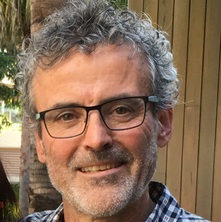
Jen Jen Chung is an Associate Professor in Mechatronics within the School of Electrical Engineering and Computer Science at The University of Queensland. Her current research interests include perception, planning and learning for robotic mobile manipulation, algorithms for robot navigation through human crowds, informative path planning and adaptive sampling. Prior to working at UQ, Jen Jen was a Senior Researcher in the Autonomous Systems Lab (ASL) at ETH Zürich from 2018-2022 and was a Postdoctoral Scholar at Oregon State University researching multiagent learning methods from 2014-2017. She completed her Ph.D. on information-based exploration-exploitation strategies for autonomous soaring platforms at the Australian Centre for Field Robotics in the University of Sydney. She received her Ph.D. (2014) and B.E. (2010) from the University of Sydney.
Affiliate of ARC Training Centre for Bioplastics and Biocomposites
ARC Training Centre for Bioplastics and Biocomposites
Faculty of Engineering, Architecture and Information Technology
Professor
School of Civil Engineering
Faculty of Engineering, Architecture and Information Technology
Availability:
Available for supervision
Media expert
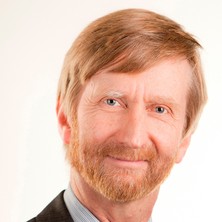
Prof Bill Clarke (Schools of Civil and Chemical Engineering) has an extensive publication record in methods for accelerating the solubilisation and digestion of solid organic waste, measuring landfill emissions and the ingress of O2 and subsequent composting of waste in landfills, the utilisation of waste as a carbon source for H2S production in the mineral processing industry, on-site digestion of combined wastewater and solid organic waste and the fate of pathogens, heavy metals and POPs in organic treatment processes. He was an Associate Editor of Waste Management (2008-13) and is on the Managing Board of the International Waste Working Group.
Affiliate of Minerals Industry Safety and Health Centre
Minerals Industry Safety and Health Centre
Faculty of Engineering, Architecture and Information Technology
Emeritus Professor
Sustainable Minerals Institute
Faculty of Engineering, Architecture and Information Technology
Availability:
Not available for supervision
Media expert
David Cliff was Professor of Occupational Health and Safety in Mining and Director of MISHC from 2011 to 2016. In January 2017 he was appointed Professor of Risk and Knowledge Transfer, reverting to Professor of Occupational Health and Safety in Mining in 2018. He retired in 2026 and was appointed Emeritus Professor of OHS in MIning. His primary role is providing education, applied research and consulting in health and safety in the mining and minerals processing industry. He has been with MISHC over twenty five years.
Previously David was the Safety and Health Adviser to the Queensland Mining Council, and prior to that Manager of Mining Research at the Safety In Mines Testing and Research Station. In these capacities he has provided expert assistance in the areas of health and safety to the mining industry for over twenty three years. He has particular expertise in emergency preparedness, gas analysis, spontaneous combustion, fires and explosions, including providing expert testimony to the Moura No.2 Warden’s inquiry, the Hazelwood Mine Fire Inquiry and the Pike River Royal Commission. In recent times he has also devoted a lot of energy to fitness for duty issues particularly fatigue management. He has been a member of the organising committee for the level one emergency exercises in Queensland underground coal mines since their inception in 1998 till 2023. He has also attended or provided assistance in over 40 incidents at mines. He has developed expertise in the development of Trigger Action Response Plans, critical controls and principal hazard management plans.
David has also extensive experience in providing training and education in OHS in mining to in many countries.
He has published widely in the area of occupational health and safety in mining including not just the physical hazards but also on the processes for the effective management of these issues. Examples of this include reviews of the annual safety performance report for the Queensland Department of Natural Resources and Mines and assistance to the Mine Safety Advisory Council of NSW in developing Health Management Plans (HMP) and key performance indicators for HMP.
In recent years he has collaborated closely with Nikky LaBranche researching respirable dust particularly coal dust and silica.
Faculty of Health, Medicine and Behavioural Sciences
Affiliate of Queensland Cerebral Palsy Rehabilitation and Research Centre
Queensland Cerebral Palsy Rehabilitation and Research Centre
Faculty of Health, Medicine and Behavioural Sciences
Availability:
Available for supervision
Media expert
Emeritus Professor Paul Colditz has qualifications in paediatrics, biomedical engineering and medical research.
His research focuses on clinically important perinatal health problems and translation to clinical practice. It includes investigations relating to brain injury and neuroprotection, seizure identification and treatment, neural plasticity and pathways to improving neurodevelopmental outcomes. He is an international leader in the development of the preterm connectome using MRI and of brain networks using dEEG.
Current research projects include (i) clinical cohort studies of high risk infants using MRI, dEEG, genetics and biomarker discovery, and (ii) preclinical research in a piglet model to study neuroprotectants, including progressing a patent he holds of a combined stem cell preparation.
He has key past and current roles in professional bodies, and medical not-for-profit organisations. His experience in knowledge application includes commercialization and the application of research knowledge to clinical practice and health policy.
Faculty of Health, Medicine and Behavioural Sciences
Availability:
Available for supervision
Media expert
I am a motivated and enthusiastic Accredited Practising Dietitian and Accredited Sports Dietitian. I am interested in building sustainable foodservices worldwide, sports nutrition for recreational runners and seperate entrepreneurial ventures. I have a passion for clinical research and quality improvement projects in hospital dietetic services. Currently I want to help build sustainable foodservice systems for public/private entities that consider the future of human and planetary health. I am an ambitious individual who loves networking and who is eager to collaborate, please reach out.
My PhD research has focussed on the measurement and management of food waste in hospital foodservices through aggregate food waste audit activities and diverting food waste from landfill.
Affiliate of Centre for Cardiovascular Health and Research
Centre for Cardiovascular Health and Research
Faculty of Health, Medicine and Behavioural Sciences
Affiliate of Centre for Extracellular Vesicle Nanomedicine
Centre for Extracellular Vesicle Nanomedicine
Faculty of Health, Medicine and Behavioural Sciences
Professor and Director of UQ Advanced Cell Therapy Manufacturing Initiative
School of Chemical Engineering
Faculty of Engineering, Architecture and Information Technology
Availability:
Available for supervision
Professor Simon Cool is Professor of Bioengineering and Director of the UQ Advanced Cell Therapy Manufacturing Initiative in the School of Chemical Engineering at the University of Queensland.
Professor Cool began his scientific career at the University of Queensland more than 20 years ago. He received his BSc (hons) and PhD degrees from the University of Queensland, where he subsequently held a faculty position in the School of Biomedical Sciences. His areas of studies have included age-related changes in the structure of bone and teeth and the extracellular matrix compartment of skeletal tissue that guide stem cell behaviour and wound repair. Professor Cool was invited to join the Institute of Molecular and Cell Biology (IMCB), A*STAR, Singapore in 2003 as a Principal Investigator. He then joined A*STAR’s Institute of Medical Biology (IMB) in 2008, shortly after its inception, to further his research in regenerative medicine, serving as Senior Principal Investigator of the Glycotherapeutics Group. In October 2020, Professor Cool re-joined the Institute of Molecular and Cell Biology (IMCB) as a Research Director, Glycotherapeutics, where he focused on developing novel glycosaminoglycan biomolecules that enhance wound repair and control adult human mesenchymal stem cell activity.
Professor Cool has 117 patent applications across 26 families with 51 granted in the fields of glycosaminoglycan biochemistry, regenerative medicine and stem cell science. He has more than 150 publications and continues to foster strong strategic collaborations both nationally and internationally with academic and industry groups. He has a strong biomanufacturing and translational focus with experience in taking glycosaminoglycan-based devices through discovery RnD on to pre-clinical and clinical testing. Professor Cool also has an entrepreneurial and licensing background having successfully spun-off some of his technology to a US-based regenerative medicine start-up company, SMC Biotechnology Ltd. Professor Cool holds a Visiting Professor appointment at the Institute of Molecular and Cell Biology (IMCB), A*STAR, Singapore and an Adjunct Professor (Research) appointment in the Orthopaedic Department at the National University of Singapore (NUS). Prior to his move back to UQ, he previously held the position of Treasurer, Tissue Engineering and Regenerative Medicine International Society, Asia Pacific Chapter (TERMIS-AP) and Treasurer, Stem Cell Society Singapore (SCSS). He also held senior leadership positions in several Singapore-based R&D programmes, notably as Director, Allogeneic Stem Cell Manufacturing (ASTEM) and Theme Leader in Advanced Manufacturing for Biological Materials (AMBM). Prof Cool currently serves on the Editorial Board of the journals Biomaterials, Tissue Engineering and Regenerative Medicine, and is Asia-Pacific Regional Editor for Stem Cells and Development.
Affiliate of Centre for Cardiovascular Health and Research
Centre for Cardiovascular Health and Research
Faculty of Health, Medicine and Behavioural Sciences
Affiliate of Centre for Extracellular Vesicle Nanomedicine
Centre for Extracellular Vesicle Nanomedicine
Faculty of Health, Medicine and Behavioural Sciences
Head of School, Chemical Engineering
Faculty of Engineering, Architecture and Information Technology
Availability:
Available for supervision
Media expert
Professor Justin Cooper-White is a global leader in using engineering to solve problems in biology. In addition to holding the position of Head of School and Professor of Bioengineering in the School of Chemical Engineering, he is Affiliate Professor in the AIBN, Director of the Australian National Fabrication Facility-Queensland Node, Research Director of the Herston Biofabrication Institute (a partnership between UQ and MNHHS) and co-Director of the Australian Organoid Facility at UQ. Professor Cooper-White is a past President of both the Australasian Society for Biomaterials and Tissue Engineering and the Australian Society of Rheology and held the position of CSIRO Office of the Chief Executive (OCE) Science Leader. He has previously held a Visiting Professor Fellowships at ETH Zurich (2007) and Politecnico di Milano (2012-2013). Professor Cooper-White is the Australian representative and Past President of the Asian Biomaterials Federation; an elected Fellow of and Australian representative on the International Union of Societies for Biomaterials Science and Engineering (IUSBE), and an elected Fellow and past vice President of the Queensland Academy of Arts and Sciences.
Professor Cooper-White has many past and currently active international collaborations with world leading research groups at MIT (US); Stanford (USA); ETH (Switzerland); EPFL (Switzerland); SNU (Korea); University Of Grenoble (France); Politecnico di Milano (Italy); UCL (UK); and the Max Planck Institute (Germany). He has performed contract research and consultancy work for many multinational companies, including Unilever in the UK; Nestle International, Switzerland; Rhodia, US; Inion, Finland, Syngenta, UK; and NuFarm, AU since 2001.
He is the Editor-in-Chief of APL Bioengineering (American Institute of Physics Publishing); serves or has served on the editorial boards of Rheological Acta, Soft Materials, Biomicrofluidics and the Open Biomedical Engineering Journal; and is a reviewer of major international journals, including Nature Materials, Nature Methods, Advanced Materials, Lab on a Chip, Stem Cells, Stem Cells and Development, Biomacromolecules, Tissue Engineering, Langmuir, Biomaterials and Journal of Non-Newtonian Fluid Mechanics.
Faculty of Engineering, Architecture and Information Technology
Availability:
Available for supervision
Media expert
Remo has over 15 years of research experience in water engineering and joined the School of Civil Engineering in February 2016. Remo’s research projects span over a range of topics such as marine renewable energy, hydrodynamics in coastal areas, sediment transport processes, seafloor mapping and environmental engineering.
Remo started his professional career as a Research Associate at the Franzius-Institute for Hydraulic, Waterways and Coastal Engineering at Hannover University, Germany. Remo did his PhD on the hydrodynamics of oceanic gravity and turbidity currents under the influence of Coriolis forces in the Earth Sciences Department, University of Toronto, Canada. He continued his work in Canada as a Postdoctoral Fellow in the Department of Physical and Environmental Sciences at the University of Toronto where he focused on turbulence in coastal boundary layers and sediment transport processes in density currents. Before joining UQ, Remo was working as a Lecturer and Postdoctoral Fellow at the Australian Maritime College (AMC) at the University of Tasmania where he worked on projects in Tasmanian coastal waters (renewable energy, analysis of tidal currents, pipeline surveys) and limnological processes (Lake Ohau, New Zealand). A career highlight was a research trip with a team of sea-ice experts funded by NZARI to Antarctica (Cape Evans, McMurdo Sound) to analyze characteristics of the sea-ice ocean boundary layer using an autonomous underwater vehicle (UBC Gavia AUV).
Remo’s research over the last years has created advances in renewable energy site exploration methods that aims to fill a critical knowledge gap in understanding the suitability of candidate sites and linking local conditions (hydrodynamics, geotechnical aspects) with device design. Remo is involved as a lead researcher on several projects, for instance, the AUSTEn project for tidal energy exploration in Australian coastal waters (http://austen.org.au/) and the recently funded Blue Economy CRC (https://blueeconomycrc.com.au/).
Faculty of Engineering, Architecture and Information Technology
Availability:
Available for supervision
Media expert
my research interests are in the design of diagnostic medical devices and new applications for those devices
Prof Crozier is the director of Biomedical Engineering at UQ. He holds a higher doctorate in engineering for his work in improving the technology of imaging equipment. Stuart was elelcted as a fellow of the institute of physics (UK) in 2004 and hold many national and international grants relating to medical imaging and medical devices.
Faculty of Engineering, Architecture and Information Technology
Senior Lecturer
School of Electrical Engineering and Computer Science
Faculty of Engineering, Architecture and Information Technology
Availability:
Available for supervision
Yi Cui received his B. Eng. and M.Eng. degrees from Southwest Jiaotong University, Chengdu, China, in 2009 and 2012, respectively, and received the Ph.D. degree in Electrical Engineering at University of Queensland, Brisbane, Australia, in 2016.
Dr Cui has been a Research Associate in the Department of Electrical Engineering and Computer Science, University of Tennessee, Knoxville, USA since 2016. Currently, he is a Senior Lecturer in the School of Electrical Engineering and Computer Science, University of Queensland, Australia. His research interests include wide-area monitoring and control, data analytics and cyber-security of smart grids, condition assessment and fault diagnosis of power transformers.
Faculty of Engineering, Architecture and Information Technology
Affiliate of Centre for Social Responsibility in Mining
Centre for Social Responsibility in Mining
Faculty of Engineering, Architecture and Information Technology
Associate Professor
School of Civil Engineering
Faculty of Engineering, Architecture and Information Technology
Availability:
Available for supervision
Media expert
Qualifications:
PhD (Civil Engineering), The University of Queensland, Australia.
M.Eng (Civil Engineering), The University of Queensland, Australia.
Graduate Certificate in Higher Education, The University of Queensland, Australia.
B.Eng (Civil Engineering), The University of Danang, Vietnam.
Vinh Dao is an Associate Professor in the School of Civil Engineering at The University of Queensland, where he has been since 2009. He is currently the UQ-IITD Research Academy Theme Lead for Advanced materials and manufacturing. He was the School Director of Teaching and Learning (2020-2021), School Deputy Director of Research (2019) and Structures Discipline Lead (2022-2026).
He has been an elected National Councillor of the Concrete Institute of Australia (2013-2023, 2025-ongoing), responsible for "Concrete In Australia" Magazine (2013-2019) and "Technical & Publications" portfolio (2019-2023). He is currently also (i) Chair of the Organising Committee for Concrete2027 - the Concrete Institute of Australia’s 33rd Biennial National Conference, (ii) co-Vice-Chair of the 2nd International Conference on Engineering Structures (ICES2026), (iii) an Associate Editor of Australian Journal of Structural Engineering and (iv) the General Secretary of EASEC International Steering Committee. He was (i) the Vice-Chair of the 16th East Asia-Pacific Conference on Structural Engineering & Construction and (ii) an invited presenter of the National Seminar Series on “Early-age cracking in concrete structures” in capital cities around Australia, besides many state/industry seminars.
Vinh's research interests are in the broad areas of structural engineering and fundamental behaviour of concrete/structures. The focus of his research has been on connecting materials behaviour to structural response of concrete in order to address major issues facing construction industry; with current emphasis on (i) performance of concrete structures at early ages and at elevated temperatures and (ii) low carbon concretes.
In teaching, he has been lecturing in the areas of structural mechanics, reinforced and prestressed concrete design, concrete technology, and advanced structural engineering. He has received a few nominations for the most effective lecturer from UQ-EAIT Dean’s commendation students and was profiled in Learning@UQ for having contributed to high quality of the student experience at UQ.
Faculty of Engineering, Architecture and Information Technology
Affiliate of Centre for Advanced Materials Processing and Manufacturing (AMPAM)
Centre for Advanced Materials Processing and Manufacturing
Faculty of Engineering, Architecture and Information Technology
Professor
School of Mechanical and Mining Engineering
Faculty of Engineering, Architecture and Information Technology
Availability:
Available for supervision
Professor Dargusch is currently the the Associate Dean (Research) of UQ's Engineering, Architecture and Information Technolgy Faculty. He is the Chief Technology Officer of the Defence Materials Technology Centre (DMTC) and was the Director and lead CI of the ARC Research Hub for Advanced Manufacturing of Medical Devices. He was also a CI and Qld node lead in the ARC Research Hub for Transforming Australia’s Manufacturing Industry through High-Value Additive Manufacturing. He has mentored individuals across academia and industry, supervising over 40 postgraduate projects to completion. His former PhD students now hold senior industry roles, and others have become successful academics, including ARC DECRA and Future Fellows and Professors.
Prof. Dargusch completed his PhD in 1998 and in the same year he published his first journal paper which has been cited more than 1300 times. He has a strong background in working on industry-outcome focussed research. After completing his PhD, he worked in manufacturing and product development in industry before moving being appointed as Program Manager for both the Aerospace and Industry Best Practice Program Manager with the CAST CRC. During his time as program manager the best practice program received a number of awards from the Cooperative Research Centres Association for delivering industry outcomes.
Professor Dargusch is recognised as an international expert in materials and manufacturing with over 20 years of research leadership. He is currently an Editor of Progress in Materials Science (I.F. > 40) with two recent Science papers. He received a 2020 Citation for Outstanding Contributions to Student Learning at the Australian Awards for University Teaching, and he is currently the Associate Dean (Research) of UQ's EAIT Faculty.
The impact of Professor Dargusch’s work and contribution to the field of advanced manufacturing has been recognised with the Thatcher Brothers Prize from the Institute of Mechanical Engineers in the UK, The Anders Gustaf Ekberg Prize in 2019, the Technology Award from The Minerals, Metals and Materials Society in 2017, and two papers published in Science and leading manufacturing journals (Int J Mach Tools Manuf (2009) 49, 561-568 and Int J Mach Tools Manuf (2011) 51, 500-511), Additive Manufacturing (Addit Manuf (2022) 59, 103176 and Addit Manuf (2022) 55, 102887); Acta Biomaterialia and Electochemica Acta. He currently has 12 Highly Cited Papers, including one first-author paper in Advanced Science (Adv Sci (2020) 7:18, 2001362) and a corresponding author paper published in Advanced Materials (Impact Factor 32.09) (Adv Mat (2022) 34:41, 2204508), a paper in Progress in Materials Science (Impact Factor 48.16) (Prog Mater Sci (2021) 121, 100840). One of his highly cited papers is the second most cited article in Acta Materialia (Acta Mater (2019) 168, 261-274) published in that year. His high quality work in additive manufacturing has also been published in Nature Communications (Nat Comm (2022) 13:1, 4660) and as corresponding author of a highly cited article published in Science. The impact of his work in advanced manufacturing was recognised by the Star Award from the Cooperative Research Association in 2010 and the “Aerospace Australia Industry SME Innovation Award” in 2010.
CI Dargusch has more than 400 publications with a total citation count of 31384 and h-index of 89 (Google Scholar 7/2025). He has been recognised as one of Elsevier World’s Top 2% Scientists in 2020, 2023, and 2024. His publications have a Field-Weighted Citation Impact (FWCI) of 2.32 (SciVal, 11/2024). He has 12 Highly Cited Papers (papers in the top 1% citation percentile worldwide) (WoS 11/2024). 33% of his publications are in the top 10% citation percentile worldwide, and 55.7% of his publications are in the top 10% journals.
He consistently publishes in high-quality journals in fields directly relevant to the field of this application including Materials Science, Manufacturing, and Energy Materials. He has 50 high-quality publications in the field of metal additive manufacturing alone including 1 in Science (IF=47.73), 1 in Nature Communications (IF=14.7), and 10 in Additive Manufacturing (IF=10.3). He also has a strong track record in energy materials including another article published in Science, 2 in Energy and Environmental Science (IF=32.4), 4 in Advanced Materials (IF=27.4), 2 in Advanced Energy Materials (IF=27.8), 5 Nano Energy (IF=16.8), 1 in Progress in Materials Science (IF=33.6), and 1 in Advanced Science (IF=15.1). His strong background in all three fields provide a solid foundation for this project. Other prestigious journals where he has published include Adv Funct Mater, Acta Mater, Acta Biomater, Biomaterials, Int J Mach Tools Manuf, and Scr Mater.
Prof Dargusch has been successful in obtaining over $10 million in competitive and industry grant funding since 2018 and an additional $2.95 million through the Queensland Government’s Innovation Projects Fund since 2006. He is also a chief investigator on 6 x ARC LPs, 4 x ARC DPs, 2 x ARC ITRH and 7 x ARC LIEF grants and lead investigator on 1 DEST (now DIISR) International Science Linkages Program – Australia-China Special Fund Grant. He was awarded a Smart Future Fund RPP grant of $405,000 as lead investigator for a project focussed on the “Development of Next Generation Endovascular Grafts”(2012-2015). Most recently Professor Dargusch was successful as a CI on a $ 50 Million MRFF Artificial Heart Frontiers Program grant. He has a wide range of industry funded research projects with partners such as Cook Medical, Stryker, Airbus, Boeing and Baosteel.
Prof Dargusch’s ability to transfer research outcomes to industry is provided by the case study on titanium technology submitted by Prof Dargusch as lead investigator to the Excellence in Innovation for Australia trial in 2012. The submission was rated A for outstanding impacts in terms of reach and significance.
Prof. Dargusch’s primary research interests are associated with addressing the major technical challenges facing Australian metal manufacturers in order to assist them to participate more effectively in global supply chains and the development of improved medical devices. His aim is to use his research to impact the ability of Australian companies, to develop and integrate advanced manufacturing technologies particularly in the production of high value components for Aircraft, Maritime and Medical Device applications.
Faculty of Health, Medicine and Behavioural Sciences
Availability:
Available for supervision
Media expert
Eminent Staff Specialist in Neonatology (Consultant Neonatologist) - Grantley Stable Neonatal Unit, Royal Brisbane & Women’s Hospital
Associate Professor of Neonatology - Department of Paediatrics and Child Health, University of Queensland
Mark Davies is a medical graduate of the University of Queensland (MB,BS 1985). He trained in Paediatrics at the Royal Children's Hospital (Brisbane), with time at the Worcester Royal Infirmary, Doncaster Royal Infirmary and the Royal Hospital for Sick Children (Glasgow) in the UK.
Mark sub-specialised in Neonatology training at the Royal Women's Hospital (Brisbane), the Rosie Maternity Hospital (Cambridge) and the Glasgow Royal Maternity Hospital. His advanced training was conducted under the supervision of the Neonatal-Perinatal Specialist Advisory Committee of the Royal Australasian College of Physicians (RACP) and he became a Fellow of the RACP in 1997. He completed a two year fellowship training programme in Neonatology and Neonatal Ultrasound at the Royal Women's Hospital (Melbourne) in January 1999.
In July 2000, Mark was appointed to the joint position of Staff Neonatologist at the Royal Women's Hospital, Brisbane and Senior Lecturer in Neonatology at the University of Queensland. He is now an Eminent Staff Specialist in Neonatology and an Associate Professor of Neonatology.
Mark Davies’ research focused on neonatal ventilation. He did his PhD studies on partial liquid ventilation. He supervises projects in neonatology and neonatal intensive care.
Mark prepares and maintains a number of Cochrane systematic reviews in neonatology and intensive care. From 2002 to 2006 he served on the Cochrane Collaboration Steering Group, and was Co-Chair of the steering group from 2005 to 2006. He was a Director of The Cochrane Collaboration Trading Company from 2013 to 2017.
Paul Dennis leads an exciting research group that applies cutting-edge technologies to understand the roles of microorganisms and their responses to environmental change.
He is also a passionate educator and public speaker who advocates for the importance of biological diversity and evidence-based environmental awareness. He has talked about his research on ABC Radio and a range of other media outlets.
His teaching covers aspects of ecology, microbiology, plant and soil science, and climatology. He considers these topics to be of fundamental importance for the development of more sustainable societies and takes pride in helping others to obtain the knowledge and skills they need to build a better future.
Paul's research has taken him to Antarctica, the Amazon Rainforest, high mountains and oceans. The approaches used in his lab draw on a wide range of expertise in molecular biology, ecology, statistics, computer science, advanced imaging and soil science. He applies these skills to a wide-range of topics and systems including plant-microbe interactions, Antarctic marine and terrestrial ecology, biogeography, pollution and human health.
Originally from Ireland, Rebecca Dunlop completed her BSc (Honours) degree in Environmental Biology followed by her PhD in fish neuroethology, both from The Queen’s University of Belfast. She migrated Australia in 2004 to undertake a post-doc in humpback whale social communication at UQ. This research resulted in a number of highly cited papers, solidifying her international reputation as a leader and expert in large whale communication and social behaviour. She then began lecturing in the School of Veterinary Science in 2010, mainly in animal physiology and moved to the School of the Environment in 2021 to take up a lecturing position in animal behaviour and physiology.
Research
Rebecca's research interests are in animal physiology, behaviour, and communication. She mainly works on humpback whales, though has worked on bottlenose dolphins, beaked whales, pilot whales, and false killer whales. Her lab focuses on four main research areas: cetacean acoustic communication, hearing, and behaviour; the effects of noise on humpback communication, behaviour, and physiology; humpback whale social behaviour; and endocrine physiology in cetaceans. Her past and current PhD students and honours students all work within these core research areas.
She has been a P.I in several large collaborative projects aimed at determining the effects of noise on large whale behaviour and hearing in large whales. Understanding underwater noise impacts on marine mammals is a scientific area that is growing due to interest from the Navy, Oil and Gas companies, the vessel industry and from other ocean stakeholders such as whale watching companies. As part of this, she led the first humpback whale hearing experiments funded by the U.S Navy.
Her current work relates to offshore wind farm developments and their potential effects on recovering marine mammal populations, developing a reliable acoustic whale deterrent device for shark and fishing nets, and assessing, and mitigating for, the collision risk between migrating humpback whales and shipping.