Affiliate of ARC COE for Plant Success in Nature and Agriculture
ARC COE for Plant Success in Nature and Agriculture
Faculty of Science
Professorial Research Fellow
Queensland Alliance for Agriculture and Food Innovation
Availability:
Available for supervision
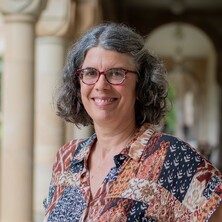
Karine Chenu is a Professor at the Queensland Alliance for Agriculture and Food Innovation (QAAFI), The University of Queensland, and Director of the ARC Research Hub for Engineering Plants to Replace Fossil Carbon. She is an internationally recognised expert in ecophysiology and crop modelling, with a strong focus on improving plant adaptation to climate change and enhancing their potential to produce sustainable bioproducts.
Her research integrates physiology, genetics, and modelling to advance crop design and breeding strategies. This includes uncovering the physiological and genetic basis of key adaptive traits, developing gene-to-phenotype modelling approaches, and exploring innovative combinations of genotypes, environments, and management practices to enhance productivity under changing climates.
Professor Chenu works closely with a wide network of plant breeders, geneticists, biochemists, modellers, and agronomists across national and international collaborations in both public and private sectors. She also represents UQ on the APSIM Initiative Reference Panel, contributing to the ongoing development of the globally adopted APSIM crop modelling platform.
Faculty of Health, Medicine and Behavioural Sciences
Availability:
Not available for supervision
Media expert
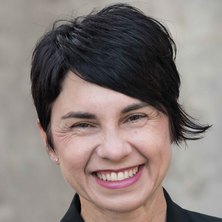
Julie Cichero, PhD is a clinician (SLP), is recognised nationally and internationally as a researcher and research professional with more than 30 years clinical and research experience into eating, drinking and swallowing problems (dysphagia). As Co-Founder of IDDSI (Global) Julie co-led development and international roll out of the IDDSI Framework, an initiative to reduce food-related choking risk in vulnerable populations. The IDDSI Framework has been translated into more than 30 languages and is used in more than 50 countries around the world. Julie is the Director of Eat Drink Swallow Safe https://eatdrinkswallowsafe.com.au/. Julie is a consultant to professional societies, government organisations, academia, boards and healthcare organisations. She has made significant contributions to the evidence base for standardised terminology for texture modified food and thick liquids, diagnostic use of swallow-respiratory sounds, characterisation of thick fluids and the complexities associated with medication management in dysphagia.
Faculty of Health, Medicine and Behavioural Sciences
Availability:
Available for supervision
Media expert
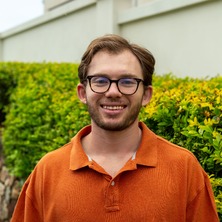
I am a motivated and enthusiastic Accredited Practising Dietitian and Accredited Sports Dietitian. I am interested in building sustainable foodservices worldwide, sports nutrition for recreational runners and seperate entrepreneurial ventures. I have a passion for clinical research and quality improvement projects in hospital dietetic services. Currently I want to help build sustainable foodservice systems for public/private entities that consider the future of human and planetary health. I am an ambitious individual who loves networking and who is eager to collaborate, please reach out.
My PhD research has focussed on the measurement and management of food waste in hospital foodservices through aggregate food waste audit activities and diverting food waste from landfill.
Rich is an Honorary Research Fellow with UQ School of the Environment and the Centre for Biodiversity and Conservation Science who focuses on how human food production systems affect our planet. His main research interests lie in the field of aquaculture – the farming of fish, seaweeds and aquatic invertebrates – and particularly how this rapidly growing food sector can evolve to sustainably provide a critical source of food and nutrition to a human population growing in number and affluence under global change.
Through data synthesis, spatial analysis, and ecological modelling, Rich’s research aims to understand the trajectory of aquaculture growth through three main approaches. The first focuses on the growth potential of aquaculture in response to demand given its need for space and inputs (e.g., feed). The second is understanding the environmental and social impacts of aquaculture’s current and projected growth. And the third is to understand how this picture changes amid a backdrop of meteorological and geopolitical shock events and sustained pressures of climate change.
He is currently developing decision-making tools for project partners in the aquaculture feed industry to minimise their environmental footprint at both global and local scales.
Australian Institute for Bioengineering and Nanotechnology
Availability:
Available for supervision
Media expert
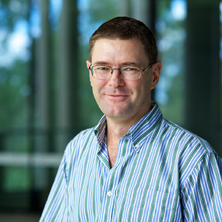
Dr Gary Cowin is the Facility Fellow for the Queensland Node of the National Imaging Facility (NIF) as part of the National Collaborative Research Infrastructure Scheme (NCRIS), based at the Centre for Advanced Imaging, The University of Queensland.
Dr Cowin's research projects are:
Ultrahigh field magnetic resonance microimaging
Simultaneous dynamic MRI and PET imaging
Multimodal MRI/PET/CT imaging
Development of magnetic resonance techniques for non-invasive determination of liver steatosis and fibrosis
Monitoring changing fat distribution in diabetes and exercise trials
Spinal cord imaging research
Prostate research
Application of ultrahigh field MRI microimaging for tissue analysis
Molecular imaging of novel contrast agents by MRI and PET
MRI zebrafish brain atlas
Lung imaging with hyperpolarized Helium in humans and animals
Investigation of the effect of gradient non-linearity on image quality
Queensland Alliance for Agriculture and Food Innovation
Availability:
Available for supervision
Media expert
Cozzolino is a Principal Research Fellow with the Queensland Alliance for Agriculture and Food Innovation (QAAFI), University of Queensland. He has worked in several positions including Associate Professor in Food Chemistry (RMIT University, Melbourne), Head of Agriculture (CQUniversity, Rockhampton), Senior Research Fellow Barley Breeding Program (University of Adelaide, Adelaide), Team Leader Rapid Analytical Group (The Australian Wine Research Institute, Adelaide), Head of Animal Nutrition (INIA La Estanzuela, Uruguay).
His research focusses on the application of chemometric, machine learning and spectroscopic methods (e.g. NIR, MIR, hyperspectral) in a wide range of fields (eg. food, waste products, agricultural commodities). He has published more than 500 peer-review articles and book chapters (h index 68).
He was presented in 2013 with the Hirschfeld Award by the International Council of Near Infrared Spectroscopy for his outstanding contributions on the field of NIR spectroscopy. He ranked 94 in Australia and 3665 in the world as best-Chemistry-Scientist 2023 (Research.com).
Affiliate of ARC COE for Plant Success in Nature and Agriculture
ARC COE for Plant Success in Nature and Agriculture
Faculty of Science
Availability:
Available for supervision
Dr Peter Crisp is an expert in crop genomics, epigenomics and molecular genetics. He is a Group Leader and Senior Lecturer in the School of Agriculture and Food Sustainability at The University of Queensland. Peter’s research program is focused on crop functional genomics, epigenetics and biotechnology, and has significantly advanced our understanding of the contribution of epigenetics to heritable phenotypic variation in plants.
His group has invented groundbreaking technologies for harnessing (epi)genetic variation and their discoveries have led to exciting new avenues for decoding genomes and for the rational engineering of gene regulation for trait improvement in plants. Having benefited immensely from brilliant mentors, Peter is passionate about training. He leads a budding group of talented students and researchers and is a Chief Investigator in the ARC Training Centre in Predictive Breeding and the International Research Training Group for Accelerating Crop Genetic Gain. Peter is also an affiliate of the Queensland Alliance for Agriculture and Food Innovation and the ARC Centre of Excellence for Plant Success in Nature and Agriculture. His research group seeks to understand the contribution of epigenetics to heritable phenotypic variation in crop plants, focusing on cereals including barley, sorghum, wheat and maize. This includes the development of methods to harness epigenetic variation for crop improvement; understanding the role of epigenetics in environmental responses and using innovative epigenomic approaches to distill large genomes down to the relatively small fraction of regions that are functionally important for trait variation. Research in the Crisp Lab spans both wet lab and computational biology providing a powerful platform to integrate genetic, genomic and biotechnological approaches.
Peter is a former recipient of an ARC DECRA Fellowship and a UQ Amplify Fellowship and an ASPS Goldacre awardee.
Check out the CrispLab website here
Follow Dr Crisp on Bluesky: @pete-crisp.bsky.social, and Twitter: @pete_crisp
Professor Ram Dalal is a Professor in the School of Agriculture and Food Science at the University of Queensland, Brisbane, Australia. He has contributed significantly to create awareness in the farming, scientific and general community to the seriousness and insidious nature of soil degradation. As a consequence, restorative practices for sustainable land management were developed and promoted. The international nature of the program was demonstrated by the fact that it was part of the Tropical Soil Biology and Fertility Program. It is now nationally recognized by policy makers and politicians that land degradation and sustainable land management are the national and international priorities. These projects have made significant contribution towards these issues.
In the last 30 years Dr Dalal has worked towards sustainable land management systems, nitrogen management and soil carbon dynamics. He was the co-leader of soil carbon program in the CRC for Greenhouse Accounting (199-2006), leader of soil carbon changes following land clearing funded by the Australian Greenhouse Office (1998-2002), reviewer for the IPCC Good Practice Guidance (2006) for the land sector, and leader of the National Soil Carbon Program (2012-2015) and Soil Constraints Initiative - Management of Sodic, Magnesic or Dispersive Soils (2015). He has been a consultant and project research contributor to the International Atomic Energy Agency (2004-2009). Recently, he has led a number of projects on estimating soil carbon stock following land use change from native vegetation to croplands, grazing lands, and management of croplands and grazing lands and rangelands (2009-2015) funded by the Department of Environment and Heritage, Department of Agriculture, Fisheries and Forestry and Department of Agriculture, Commonwealth of Australia. In addition, he has also been involved in estimating nitrous oxide and methane emissions/ uptake from different ecosystems including agriculture, grassland, plantation forestry and estuarine/ mangrove systems (2000 – 2015). He led the National Soil Carbon Program from 2012 to 2015.
Queensland Alliance for Agriculture and Food Innovation
Availability:
Not available for supervision
Dr Elizabeth (Liz) Dann is an applied research plant pathologist and worked with UQ QAAFI’s Centre for Horticultural Science from 2010 to 2024, and was based at the Ecosciences Precinct at Dutton Park. Her research aims to increase the productivity and quality of tropical and sub-tropical crops through improved management of diseases. Since 2024, she has held an Honorary position, allowing her to dedicate time to her private research and consultancy business.
She obtained her PhD in 1995 from the University of Sydney, and undertook post doctoral research at Michigan State University, USA and at the University of Sydney, prior to joining the Plant Pathology (Horticulture) research team within the Queensland Government in 2002.
RESEARCH INTERESTS
Dr Dann has broad expertise in the discipline of plant pathology. Her diverse area of research includes investigation of natural defence mechanisms in plants, plant disease epidemiology and diagnostics. Her research is very focused on delivering improved quality and productivity to horticultural industries through optimised disease management.
She is recognised internationally for her work on systemic induced resistance in plants and its practical implementation. A large component of her research is focused on assessing non-traditional products or treatments that may be valuable in disease management, such as compounds which activate disease resistance pathways. Such products are becoming more popular given concerns over pesticides in the environment and residues in fruit, and the drive towards more sustainable production of our food.
Dr Dann is no longer available for HDR supervision.
Current active areas of research include: management of Phytophthora cinnamomi through optimising phosphonate or other treatments, understanding diversity of Colletotrichum species causing anthracnose disease in avocado, fungicide resistance, evaluation of treatments for managing postharvest diseases in tropical and subtropical fruit crops.
Paul Dennis leads an exciting research group that applies cutting-edge technologies to understand the roles of microorganisms and their responses to environmental change.
He is also a passionate educator and public speaker who advocates for the importance of biological diversity and evidence-based environmental awareness. He has talked about his research on ABC Radio and a range of other media outlets.
His teaching covers aspects of ecology, microbiology, plant and soil science, and climatology. He considers these topics to be of fundamental importance for the development of more sustainable societies and takes pride in helping others to obtain the knowledge and skills they need to build a better future.
Paul's research has taken him to Antarctica, the Amazon Rainforest, high mountains and oceans. The approaches used in his lab draw on a wide range of expertise in molecular biology, ecology, statistics, computer science, advanced imaging and soil science. He applies these skills to a wide-range of topics and systems including plant-microbe interactions, Antarctic marine and terrestrial ecology, biogeography, pollution and human health.
Queensland Alliance for Agriculture and Food Innovation
Availability:
Not available for supervision
Media expert
Plant viruses and horticultural crop improvement
Dr Dietzgen is internationally recognised for his work on plant virus characterisation, detection and engineered resistance. Before joining UQ, Dr Dietzgen was a Science Leader in Agri-Science in the Queensland Department of Employment, Economic Development and Innovation. He previously held research positions at the University of Adelaide, University of California, Cornell University and University of Kentucky. Dr Dietzgen’s research interests are in molecular virus-plant-insect interactions, virus biodiversity and evolution, and disease resistance mechanisms. His focus is on the biology of RNA viruses in the family Rhabdoviridae and the molecular protein interactions of plant-adapted rhabdoviruses and tospoviruses. He has published extensively on plant virus characterisation and genetic variability, RNAi- mediated virus resistance and diagnostic technologies with 20 review articles and book chapters and over 65 peer-reviewed publications.
We are using the genetic model organism, C. elegans, do investigate the genetic basis of both normal and disordered behaviour. Our current interests are identifying the genes responsible for anxiety and depression as well as the genes for eating disoders and addiction. Using C. elegans as a model organism will also allow us to study gene function as it relates to behaviour.
Molecular mechanisms of phosphine resistance (other research)
Genetic mapping of oxidative stress resistance genes. The fumigant phosphine disrupts oxidative metabolism, resulting in the production of reactive oxygen intermediates. This causes the premature ageing and death of targeted pests. Insect pests of stored grain in Australia now exhibit resistance to phosphine at levels more than 200 times the normal lethal dose.
We have genetically mappedf and identified the genes responsible for phosphine resistance in tall major insect pests of stored grain. We are using a systems biology approach in the model organism C. elegans to understand the molecular basis of phosphine action. Our genetic studies have recently shown that resistance to phosphine is associated with an extension of lifespan
I am an entomologist with a research interest focused on studying host-pathogen interactions and discovering insect-specific viruses. I have investigated gene expression and the role of small non-coding RNAs in various host-pathogen models, particularly in crucial agricultural pests and medically significant vectors like the Aedes aegypti, responsible for transmitting dengue and Zika viruses. My previous project, aimed at exploring the function of Oryctes rhinoceros nudivirus in the biological control of the coconut rhinoceros beetle in the Pacific Islands, has substantially enhanced our comprehension of this invasive pest within the framework of an offshore biosecurity strategy. By establishing industry partnerships and securing funding to improve the Australian sugar industry, one of Australia's largest agricultural sectors, I have been able to focus on entomopathogenic viruses that affect root-feeding pests in sugarcane.
Discipline Lead - Plant Science of School of Agriculture and Food Sustainability
School of Agriculture and Food Sustainability
Faculty of Science
Affiliate of ARC COE for Plant Success in Nature and Agriculture
ARC COE for Plant Success in Nature and Agriculture
Faculty of Science
Affiliate of ARC COE for Innovations in Peptide and Protein Science
ARC COE for Innovations in Peptide and Protein Science
Institute for Molecular Bioscience
Professor
Queensland Alliance for Agriculture and Food Innovation
Professor
School of Agriculture and Food Sustainability
Faculty of Science
Availability:
Available for supervision
Media expert
Prof. Brett Ferguson’s research uses molecular genetics, genomics, genetic transformation and CRISPR genome editing to unravel the molecular mechanisms driving plant development. His primary focus is on legume crops, using biotechnology and bioinformatic approaches to identify key genes and signals that control traits of interest. This includes the agriculturally- and environmentally-important symbiosis between legume plants and beneficial nitrogen-fixing rhizobia bacteria. He also works with the legume tree, Pongamia pinnata, which can be used as a feedstock for the sustainable production of biofuel.
Prof. Brett Ferguson leads the Integrative Legume Research Group (ILRG) in the School of Agriculture and Food Sciences (SAFS) at the University of Queensland (UQ). He is an Affiliate of the Centre for Crop Science in the Queensland Alliance for Agriculture and Food Innovation (QAAFI), and an Affiliate of the ARC Centre of Excellence for Innovations in Peptide and Protein Science (CIPPS). Prof. Ferguson is also a Chief Investigator in the large, multi-national Hy-Gain for Smallholders Project primarily funded by the Bill & Melinda Gates Foundation.
The work of Prof. Ferguson has contributed to the discovery of many new genes and signals, such as novel microRNAs and peptide hormones, that have critical roles in controlling plant development. His research group identified the complete family of CLE peptide encoding genes of several legume species using an array of molecular and bioinformatic approaches. Additional discoveries of genes involved in legume nodule formation, nitrogen signalling and the regulation of root development, are also having an impact in the research field. Many of these factors could be useful in supporting translational studies and breeding programs that look to improve crop performance. His work also established a requirement for brassinosteroid hormones in legume nodulation and demonstrated a central role for gibberellins in nodule development. Moreover, he contributed to some of the initial work reporting a role of strigolatones in shoot branching, and demonstrated that plants can transport quantities of auxin far in excess of their endogenous levels.
Prof. Ferguson has also contributed to the developed of new tools and techniques, such as petiole feeding, precision feeding in growth pouches, stem girdling, pHairyRed for promoter-reporter fusions, new hairy-root transformation techniques, novel integrative vectors to enhance transformation efficiency, synthetic biology approaches to generate mature double stranded miRNA, etc.
Dr. Javier A. Fernandez is a Research Fellow at The University of Queensland. His research specializes in crop physiology, plant nutrition, corn production, and crop modelling reflected by over 30 articles (refereed journal publications, extension articles, conference proceedings, and others). He is currently engaged in the use of statistical, digital, and model technologies to assess crop growth and development, with the overall goal of enhancing production, resource use efficiency, and sustainability of agricultural systems in Australia. Javier received his BS in Agricultural Engineering from Universidad Nacional del Nordeste in Argentina, and his PhD in Agronomy from Kansas State University. He is recipient of several honours and awards from university, professional societies, and governmental organizations, including two Fulbright Commission scholarships.
Queensland Alliance for Agriculture and Food Innovation
Availability:
Available for supervision
Since joining the Centre for Nutrition and Food Science in 2004, my work has focussed on food structure and how it changes during digestion and fermentation. I use NMR spectroscopy and wet chemistry techniques, to characterise polysaccharides particularly: starch, plant cell walls, dietary fibre and cellulose. My research has resulted in the publication of 93 papers with over 6000 citations and a H-index of 39 (scopus). I regularly review papers for Food Hydrocolloids and Carbohydrate polymers. I have co-supervised eight PhDs to completion and am currently co-supervising four PhD students and am principal supervisor to one PhD and two masters students.
After graduating with a Bachelor of Science (Honours, 1997, UQ) and PhD in Inorganic Chemistry (2002, UQ) I worked with Prof David Fairlie (h-index 104, 42, 140 citations) to study peptide synthesis and high-field, multi-dimensional NMR.
I have practical experience with in vitro digestion and fermentation and work with our in-house batch fermentation system designed to compare the fermentability of a number of complex dietary fibres using human faecal inoculum. Using this methodology, I have studied how the chemistry and architecture of dietary fibres affects the digestion and fermentation of starches and dietary fibres. My Skills in NMR spectroscopy have enabled me to develop methods for quantifying starch molecular order and to quantify Short Chain Fatty acids and other fermentation metabolites.
Queensland Alliance for Agriculture and Food Innovation
Availability:
Not available for supervision
Professor Mary Fletcher is a natural product organic chemist, and led the Natural Toxin group within the Centre for Animal Science, Queensland Alliance for Agricultural and Food Innovation (QAAFI) 2010-2024,before being appointed Emeritus Professor in 2024. She previously worked as a research chemist at both The University Queensland and Queensland Primary Industries (Biosecurity Queensland), before joining the Queensland Alliance for Agricultural and Food Innovation in 2010. Prof Fletcher's current interest focuses on bioactives that reduce enteric methane and the application of slow release delivery systems appropriate to rangeland grazing systems. Prof Fletcher has an industry recognised expertise as an applied organic chemist with a specialist interest in the identification and analysis of natural toxins and other bioactives in a range of plants, fungi and agricultural products. Such toxins and bioactives can affect both human and animal health posing risks to livestock production, food safety and market access.
Prof Fletcher is also an Affiliate Professor in the School of Chemistry and Molecular Biosciences (http://www.scmb.uq.edu.au/index.html), and an Affiliated Scientist at the Biosciences eastern & central Africa-International Livestock Research Institute (BecA-ILRI) Hub in Nairobi, Kenya (http://hub.africabiosciences.org/).
Prof Fletcher is a Fellow of the Royal Australian Chemical Institute and in 2016 was elected President of the Queensland Branch of the Royal Australian Chemical Institute (http://www.raci.org.au/branches/qld-branch).