Faculty of Health, Medicine and Behavioural Sciences
Availability:
Available for supervision
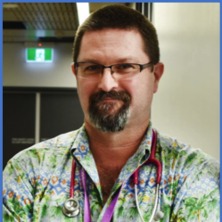
David is a Consultant Paediatrician, Metabolic Physician, Clinical Geneticist and clinician researcher. His area of expertise is the diagnosis and management of children with rare diseases. David is involved in multiple ongoing research projects aimed at novel disease discovery, improved diagnostic testing and treatments for children with inherited genetic disorders. He is director of a national clinic for Ataxia Telangiectasia brashat.org.au and has recently been awarded a $2.5 million NHMRC research grant for a phase 2/3 trial for treatment of this disorder.
Evolutionary and ecological genomics of marine invertebrate animals.
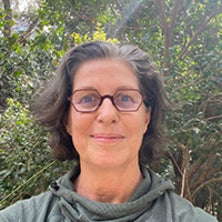
My lab's research is driven by a fascination with genomes that carry within them endless, brilliant solutions forged by evolution over millions of years in response to a constantly changing planet. We tap into this to learn how the genomes of coral reef invertebrates and their bacterial symbionts interact with each other, and with the environment, throughout their life cycle. We study these gene-environment interactions in evolutionary and ecological contexts, using genomic, molecular and cellular approaches combined with behavioural ecology in natural populations.
We work often with embryonic and larval life history stages of indirect developers, as these stages are crucial to the maintenance and evolution of marine populations. Our current focus is around larval settlement and metamorphosis in the holobiont of the coral reef demosponge Amphimedon queenslandica. In recent years, our work has extended to functional genomic approaches to identify noval ways to control the coral reef pest, the Crown-of-Thorns starfish.
When not immersed in the molecular or computer lab, we are lucky enough to be immersed in the ocean, often in beautiful places!
Affiliate Professor of School of Biomedical Sciences
School of Biomedical Sciences
Faculty of Health, Medicine and Behavioural Sciences
Affiliate of Centre for Cardiovascular Health and Research
Centre for Cardiovascular Health and Research
Faculty of Health, Medicine and Behavioural Sciences
Affiliate of The Centre for Cell Biology of Chronic Disease
Centre for Cell Biology of Chronic Disease
Institute for Molecular Bioscience
National Heart Foundation of Australia Future Leader Fellow - Group Leader
Institute for Molecular Bioscience
Availability:
Available for supervision
Media expert
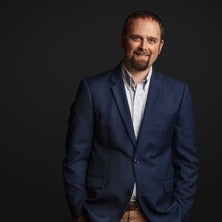
Professor Nathan Palpant is a cardiovascular scientist whose research integrates human genetics, computational genomics, stem-cell biology and drug discovery to understand the mechanisms of cardiovascular disease and translate these discoveries into new diagnostics and therapies.
His research focuses on why individuals differ in their susceptibility to heart disease, severity of myocardial injury and response to treatment. His laboratory studies inherited and environmental determinants of cardiovascular disease using population-scale genomics, human pluripotent stem-cell models and experimental models of cardiac injury. Major areas of research include myocardial infarction and cardioprotection, heart failure, inherited cardiovascular disease, cardiometabolic disease, complex-disease subtyping and precision medicine.
His research aims to connect fundamental discovery with clinical and commercial translation. His laboratory identified ASIC1a as a therapeutic target for myocardial injury, leading to first-in-class cardioprotective therapeutics now undergoing clinical development through Infensa Bioscience. He has also established Rosella Therapeutics to develop a new class of macrocyclic peptide therapeutics targeting cardiac muscle function to treat heart failure.
His broader research program develops genomic approaches for resolving biological subtypes of complex disease, functional genomics approaches for interpreting rare cardiovascular disease variants, and human stem-cell platforms for understanding genetic and environmental determinants of disease and drug response.
Affiliate of ARC COE for Plant Success in Nature and Agriculture
ARC COE for Plant Success in Nature and Agriculture
Faculty of Science
Associate Professor in Genetics
School of Chemistry and Molecular Biosciences
Faculty of Science
Availability:
Available for supervision
Media expert
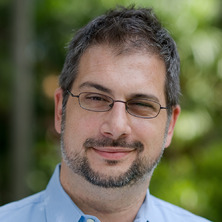
My research interests are at the intersection of plant developmental genetics, functional genomics, and molecular and systems biology, following my doctoral and postdoctoral training in the USA. The research effort in my group is focused on harnessing transformative genomics technology to understand the genetics of plant development, and to discover regulatory mechanisms coordinating plant growth and development. We utilize a variety of plant species in our research, from the model plant organism Arabidopsis to grain and horticultural crops like wheat, mango, avocado and macadamia. We employ a range of techniques based on high throughout DNA sequencing to explore gene expression, chromatin accessibility and chromatin modifications from single cell to whole plant levels, bioinformatics and computational biology tools to infer genetic components of gene regulatory networks, as well as gene editing technology to evaluate phenotypic consequences of perturbations in gene regulatory networks.