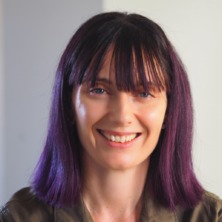
Dr Sasha Lynn is a registered clinical psychologist and Honorary Research Fellow at The University of Queensland. She specialises in child and adolescent development, with a particular focus on social and emotional learning (SEL), mental health, and wellbeing in educational settings. Her work spans psychology, education, and neuroscience, with an emphasis on research that is both applied and translational.
Dr Lynn’s research investigates how wellbeing and mental health influence developmental and educational outcomes, particularly in relation to emotion regulation, peer relationships, and classroom engagement. She is committed to embedding SEL meaningfully into the curriculum through developmentally informed, evidence-based strategies. A core feature of her work is the co-design of interventions with educators and students, ensuring student voice and agency are central to program design and implementation.
She has a particular interest in the use of gamification frameworks to increase engagement with SEL and mental health content, and her research spans both digital and face-to-face modes of delivery. Her work also explores how compassion-focused therapeutic approaches can be adapted to educational contexts to enhance both student and teacher wellbeing, classroom climate, and relational safety.
Dr Lynn is affiliated with the UQ Learning Lab and is a member of the Compassionate Mind Research Group. She has been involved in a number of large-scale projects across school and clinical settings, and brings nearly 20 years of direct experience in school-based clinical and mental health roles to her academic work. This practitioner perspective ensures her research remains grounded in the realities of education systems and responsive to the needs of schools.
She has contributed to the development and evaluation of interventions such as KooLKIDS and Mindfields HS, which have demonstrated promising early outcomes and attracted commercial interest. Dr Lynn’s broader goal is to support educators, families, and students by creating practical, evidence-informed approaches that foster resilience, emotional literacy, and a positive foundation for lifelong learning.
Faculty of Health, Medicine and Behavioural Sciences
Affiliate of ARC COE for Children and Families Over the Lifecourse
ARC COE for Children and Families Over the Lifecourse
Faculty of Humanities, Arts and Social Sciences
Affiliate of Parenting and Family Support Centre
Parenting and Family Support Centre
Faculty of Health, Medicine and Behavioural Sciences
Availability:
Available for supervision
Media expert
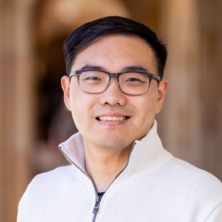
Tianyi Ma is a Research Fellow (Academic Level B) at The University of Queensland whose research seeks to understand why children differ in their developmental trajectories and responses to preventive interventions. His interdisciplinary research program integrates developmental psychology, parenting and family psychology, educational psychology, prevention science, and advanced quantitative methods to investigate developmental mechanisms, individual differences, and family-school processes that shape children's learning, mental health, and wellbeing. He has published 28 refereed journal articles (including 17 as first and/or corresponding author) and secured over AU$340,000 in competitive funding as a lead or contributing investigator. He leads an independent program of research involving a coordinated team of honours students and research assistants while contributing to large-scale interdisciplinary collaborations. Tianyi serves as Associate Editor for the Journal of Psychologists and Counsellors in Schools and Journal of Child and Family Studies, and sits on multiple editorial boards. His long-term goal is to develop a systems-contextual science of why children respond differently to developmental environments and preventive interventions, translating this knowledge into more personalised and effective supports across family, school, and community settings.
Faculty of Health, Medicine and Behavioural Sciences
Availability:
Available for supervision
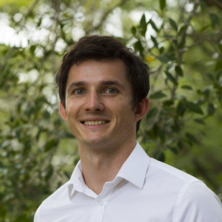
I'm a Lecturer in the School of Psychology at The University of Queensland, working at the intersection of cognitive, social and applied psychology. My research interests include how people develop expertise, visual attention and inattention, forensic decision-making, epistemic cognition and reasoning, with my current research focusing primarily on the psychology of misinformation and conspiracy beliefs.
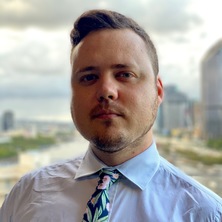
Dr Chase Sherwell is a Research Fellow at the UQ Learning Lab and the Principal Research Technician for the Compassionate Mind Research Group in the School of Psychology. His research combines neuroscientific, psychological, and educational perspectives to provide tools for enacting learning, well-being, and behavioural change in real-world contexts. With a focus on application, Dr Sherwell’s work aims to identify metrics of internal psychological mechanisms that can be easily interpreted and integrated by professionals and end-users to facilitate skill development and mental health in everyday life.
With a background in cognitive neuroscience, psychology, and education research, Dr Sherwell leads projects that aim to explain learning, development, and mental health across disciplinary lines: from the level of neural networks through to everyday experience. Integrating multi-modal techniques including digital interaction, biometrics, and neurophysiology, Dr Sherwell develops tools, user experiences, and analytics that provide actionable metrics and insights for professionals and researchers.
Dr Sherwell is a Research Fellow in the UQ Learning Lab: a team of multi-disciplinary researchers, educators, and industry partners who collaborate to transform learning, teaching, and training in diverse school and post-school environments through the science of learning. In this role, Dr Sherwell lends his expertise in cognitive neuroscience and psychology to develop projects aimed at understanding and measuring the barriers, facilitators, and mechanisms of self-regulation in professional contexts. He leads projects designing digital tools providing educators with real-time feedback on learner states and skill development integrating smartphone apps and biometrics from wearable devices.
Dr Sherwell is also the Principal Research Technician for the Compassionate Mind Research Group – the leading research hub for Compassion Science in Australia, based at the UQ School of Psychology. In this role, he oversees research design and development across projects investigating the mechanisms of prosocial behaviour in everyday life, barriers to clinical interventions, and the efficacy of online interventions for mental health.