Faculty of Health, Medicine and Behavioural Sciences
Director Teaching and Learning of School of Biomedical Sciences
School of Biomedical Sciences
Faculty of Health, Medicine and Behavioural Sciences
Associate Professor
School of Biomedical Sciences
Faculty of Health, Medicine and Behavioural Sciences
Availability:
Not available for supervision
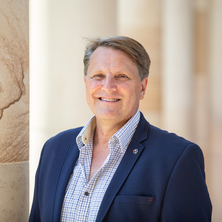
Stephen is a physiologist with expertise in endocrinology whose research examines how hormones regulate metabolism, growth, appetite, and reproduction. He works closely with animal nutritionists and veterinary clinicians on challenges in animal health and production, with current research focused on phosphorus deficiency in Australian cattle.
Alongside his scientific work, Stephen is a recognised educational leader with strengths in teaching strategy, curriculum renewal, and student success. As Director of Teaching and Learning in the School of Biomedical Sciences (2019–2024), he led the School’s response to COVID-19, receiving a UQ Service Excellence commendation and the Faculty of Medicine Academic Leader of the Year award. He has guided the renewal of the UQ Bachelor of Biomedical Science, shaping a future-focused program that strengthens student engagement, belonging, and graduate capability. His leadership has also influenced biomedical science education nationally and internationally through school–university pathways, curriculum reviews, science communication projects, and the development of physiology MOOCs. He was recently awarded a Senior Fellowship of the Higher Education Academy.
Stephen’s educational leadership is grounded in extensive teaching experience. He has taught physiology to more than 40,000 students across biomedical, health, animal, and veterinary programs, earning multiple teaching awards including a national ALTC Citation. His educational research focuses on how students learn complex concepts in physiology, particularly in contexts involving uncertainty and integration. Reappointed in 2025 as Director of Teaching and Learning in Biomedical Sciences, he also serves as interim Deputy Associate Dean (Academic) for Student Experience and Success in the Faculty of Health, Medicine and Behavioural Sciences.
Affiliate of Centre for Cardiovascular Health and Research
Centre for Cardiovascular Health and Research
Faculty of Health, Medicine and Behavioural Sciences
Senior Lecturer
School of Biomedical Sciences
Faculty of Health, Medicine and Behavioural Sciences
Availability:
Available for supervision
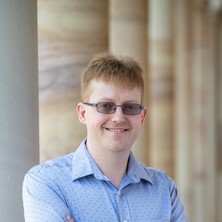
Dr Cuffe is a systems physiologist focused on understanding the complex changes to maternal physiology that occur during pregnancy and the impact of pregnancy dysfunction of programmed cardiovascular, metabolic and renal disease in offspring. Dr Cuffe has a particular focus on understanding the role of the placenta and its hormones in mediating both maternal and offspring disease. He is most recognised for his research investigating how maternal stress, thyroid dysfunction, hypoxia or altered nutrition affect placental development and program disease in the mother after pregnancy as well as her offspring. Dr Cuffe has an exceptional track record and is excited to take new honours and PhD students into his research laboratory.
Faculty of Health, Medicine and Behavioural Sciences
Research Fellow
School of Health and Rehabilitation Sciences
Faculty of Health, Medicine and Behavioural Sciences
Availability:
Available for supervision
Dr Jonathan Davies is a chronic pain researcher working to improve how pain is understood, assessed and treated. His research focuses on pain phenotyping, precision pain care, and the psychological, physiological and contextual factors that shape pain and treatment response.
At UQ’s Centre for Innovation in Pain and Health Research, he contributes to DISCERN, an NHMRC Synergy-funded multidisciplinary research program developing and validating new approaches to pain assessment. A major focus of his work is DECIPHER PAIN, a standardised, multimodal tool designed to characterise the relative contributions of nociceptive, neuropathic and nociplastic pain and support more personalised care.
His research integrates clinical assessment, quantitative sensory testing, experimental pain methods, psychophysiology, digital health and population data. He is particularly interested in how physiological signals, behaviour, language, psychosocial context and real-world health data can be combined to better understand individual differences in pain and treatment outcomes.
His broader expertise includes placebo and nocebo effects, mindfulness, mental health, quality of life, health outcome measurement and population health. His work aims to support more precise, scalable and patient-centred approaches to pain research and care.