Faculty of Health, Medicine and Behavioural Sciences
Director, UQ Poche Centre
Faculty of Health, Medicine and Behavioural Sciences
Affiliate of ARC COE for Indigenous Futures
ARC COE for Indigenous Futures
Faculty of Business, Economics and Law
Availability:
Available for supervision
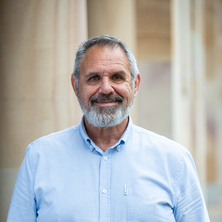
Professor James Ward is a Pitjantjatjara and Narungga man, and a national leader in Aboriginal and Torres Strait Islander research. He is currently the Director of the Poche Centre for Indigenous Health at the University of Queensland. As such he leads a research program focused on urban Aboriginal and Torres Strait Islander health and an infectious diseases research program and associated issues. Having held various roles in Aboriginal public health policy for both government and non-government organisations, in 2007 he was appointed as the Inaugural Program Head of the Aboriginal Program at the Kirby Institute, University of New South Wales. In 2012 he moved to Alice Springs to become Deputy Director of the Baker Institutes' Aboriginal Health Program, after which he joined the South Australian Health and Medical Research Institute. James has been awarded funding applications totalling $23M since 2013; including $7.14M as CIA on NHMRC funded grants and has authored 160 publications. He has led national research projects on health services research http://cre-ash.org.au/participating-sites/clinical-hubs/; in health promotion www.youngdeadlyfree.org.au; and methamphetamines https://wecandothis.com.au/ to name a few.
His work has influenced policy and practice significantly contributing to national guidelines, policy and practice. During 2020 he has contributed to the national COVID—19 response nationally through membership of the Communicable Diseases Network of Australia and the National Aboriginal and Torres Strait Islander COVID-19 Taskforce.
Centre Director of Centre for Healthy Ageing Innovation
Centre for Healthy Ageing Innovation
Faculty of Health, Medicine and Behavioural Sciences
UQ Amplify Professorial Research Fellow
Frazer Institute
Faculty of Health, Medicine and Behavioural Sciences
Availability:
Available for supervision
Media expert
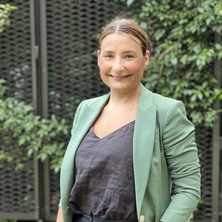
Professor Nadeeka Dissanayaka is a UQ Amplify Professorial Fellow, Centre Director of the UQ Centre for Healthy Ageing Innovation (CHAI), Co-Director of the UQ Ageing Mind Initiative, and Program Lead of the UQ Dementia-Friendly University Initiative. She is also the Founder and Director of the Dementia & Neuro Mental Health Research Unit at the Frazer Institute.
Professor Dissanayaka is an internationally recognised researcher with multidisciplinary expertise spanning both basic and clinical sciences. Her research background encompasses pharmacology, genetics, cognitive neuroscience, and neuroimaging, as well as psychology, psychiatry, neurology, clinical trials, and implementation science. This breadth of expertise enables her to bridge scientific discovery and clinical practice. Her programs focus on addressing critical unmet needs in the detection, treatment, and management of cognitive and emotional health across ageing populations.
Her research intersects fields of ageing, mental health, and neurodegenerative disorders, particularly dementia and Parkinson's disease. Through translational and interdisciplinary research, she aims to improve understanding of the biological, psychological, and cognitive and emotional wellbeing, while developing evidence-based interventions that enhance quality of life and care outcomes.
Professor Dissanayaka's major research themes include:
Behavioural and Psychological Symptoms of Dementia (BPSD): Evaluation and treatment of neuropsychiatric symptoms in dementia, with a particular focus on anxiety and depression.
Mental Health Benchmarking in Residential Aged Care: Development and implementation of industry-specific mental health benchmarking tools through the MHICare Project to improve mental health outcomes and quality of care in residential aged care settings.
Technology-Assisted Psychotherapeutic Interventions: Design and evaluation of innovative interventions incorporating artificial intelligence, virtual reality, telehealth, and biofeedback-guided systems to support mental health and wellbeing in older adults and individuals with cognitive impairment.
Neuropsychiatric Manifestations of Parkinson's Disease: Investigation of anxiety, depression, cognitive dysfunction, sleep disturbances, and impulse control disorders, with the aim of improving early identification and treatment.
Neurobiological Mechanisms of Cognitive and Emotional Impairment: Examination of the neural and biological underpinnings of cognitive and emotional changes in dementia and Parkinson's disease through advanced neuroimaging approaches, alongside the exploration of novel therapeutic strategies, including drug repurposing.
Through her leadership of large-scale research initiatives and collaborative programs, Professor Dissanayaka is advancing healthy ageing and driving innovative solutions to improve mental health, cognitive health, and quality of life for older adults and people living with age-related medical conditions.
Affiliate of Centre for Neurorehabilitation, Ageing and Balance Research
Centre for Neurorehabilitation, Ageing and Balance Research
Faculty of Health, Medicine and Behavioural Sciences
Professor in Occupational Therapy
School of Health and Rehabilitation Sciences
Faculty of Health, Medicine and Behavioural Sciences
Availability:
Not available for supervision
Media expert
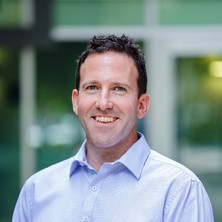
Dr Fleming is an occupational therapist and researcher in the field of brain injury rehabilitation. Her PhD completed in 1996 was on the topic of the development of self-awareness following traumatic brain injury. She has continued to pursue collaborative research on role of metacognitive factors in brain injury rehabilitation. Other research interests include prospective memory assessment and rehabilitation, community integration and the transition from hospital to the community, and psychosocial adjustment and outcomes following acquired brain injury, as well as lifetime care and support for people with complex neurological disability. She is Professor of Occupational Therapy at The University of Queensland, and is a Fellow of the Occupational Therapy Australia Research Academy, member of the American Occupational Therapy Research Academy, a Fellow of the Australasian Society for the Study of Brain Impairment, and Co-Editor of Brain Impairment.
Faculty of Health, Medicine and Behavioural Sciences
Affiliate of Health and Wellbeing Centre for Research Innovation
Health and Wellbeing Centre for Research Innovation
Faculty of Health, Medicine and Behavioural Sciences
Affiliate of Centre for Neurorehabilitation, Ageing and Balance Research
Centre for Neurorehabilitation, Ageing and Balance Research
Faculty of Health, Medicine and Behavioural Sciences
Principal Research Fellow
School of Human Movement and Nutrition Sciences
Faculty of Health, Medicine and Behavioural Sciences
Associate Professor
School of Health and Rehabilitation Sciences
Faculty of Health, Medicine and Behavioural Sciences
Availability:
Available for supervision
Media expert
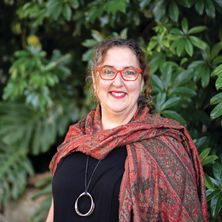
Associate Professor Sjaan Gomersall is Associate Director and Principal Research Fellow at the Health and Wellbeing Centre for Research Innovation at School of Human Movement and Nutrition Sciences and a Teaching and Research academic in Physiotherapy at the School of Health and Rehabilitation Sciences at The University of Queensland. Established in 2022, the Health and Wellbeing Centre for Research Innovation (HWCRI) is a collaborative, co-funded research centre by The University of Queensland and Health and Wellbeing Queensland. The HWCRI combines world class research expertise in physical activity, nutrition and health at The University of Queensland, with the reach and capacity of Health and Wellbeing Queensland to integrate, deliver and evaluate evidence-based programs that provide scalable, equitable access to improve the health and wellbeing of all Queenslanders (and beyond).
Associate Professor Gomersall is an expert in physical activity, sedentary behaviour and health. Her research has focused on understanding, measuring and influencing physical activity and sedentary behaviour using a variety of methods and with a range of populations, with a focus on adults, the prevention and management of chronic disease and physical activity promotion in healthcare settings. Sjaan has a strong track record for multi-disciplinary collaborations and industry partnerships, with specific expertise in partnering with healthcare organisations to build capacity in research and physical activity behaviour change, to evaluate the impact of healthcare services and to co-design and test innovative solutions to gaps in service delivery. Dr Gomersall is a nationally and internally recognised leader in physical activity and health. She is the President of the International Society for Physical Activity and Health, Co-Lead and co-founder of the Physical Activity in Healthcare Special Interest Group for the Asia-Pacific Society for Physical Activity, a Consultant for Physical Activity for the World Health Organisation and an Associate Editor for the Journal of Activity, Sedentary and Sleep Behaviours.
Faculty of Health, Medicine and Behavioural Sciences
Associate Professor
School of Human Movement and Nutrition Sciences
Faculty of Health, Medicine and Behavioural Sciences
Availability:
Available for supervision
Media expert
Dr. Steven Rynne is an Associate Professor in Sport Pedagogy and Coaching as well as the Director of Engagement and Partnerships with the School of Human Movement and Nutrition Sciences at The University of Queensland, Australia. The major theme that runs throughout Steven’s work is learning in sport. Within this broad theme he has worked and conducted research with a variety of peak domestic and international sporting bodies aimed at fostering high performance through learning (e.g. how elite coaches learn their craft) and understanding outcomes for sport participants (e.g. sport for reconciliation). Steven teaches undergraduate and graduate students, is a cycling coach and registered HPE teacher, and has been immersed in junior and community sport settings for more than two decades.
Centre Director of Centre of Research Excellence on Achieving the Tobacco Endgame
Centre of Research Excellence on Achieving the Tobacco Endgame
Faculty of Health, Medicine and Behavioural Sciences
Affiliate of Centre of Research Excellence on Achieving the Tobacco Endgame
Centre of Research Excellence on Achieving the Tobacco Endgame
Faculty of Health, Medicine and Behavioural Sciences
Professorial Research Fellow
School of Public Health
Faculty of Health, Medicine and Behavioural Sciences
Availability:
Available for supervision
Media expert
Professor Coral Gartner is an international expert in tobacco control policy and the world's leading expert on electronic nicotine delivery systems (or e-cigarettes). She is the Director of the NHMRC Centre of Research Excellence on Achieving the Tobacco Endgame (Tobacco Endgame CRE), an Australian Research Council Future Fellow, and the Chair of the Interdisciplinary Tobacco Endgame Research Network, the country lead Investigator for Australia with the International Tobacco Control Policy Evaluation Project (ITC Project), and a Co-Investigator with the SewAUs Wastewater Epidemiology Project. She is currently the Director of Research at the University of Queensland's School of Public Health, the Regional Editor for Australasia for the BMJ journal, Tobacco Control, after serving as a senior editor from 2012-2018. She is the immediate Past President of the Oceania Chapter of the Society for Research on Nicotine and Tobacco (SRNT-O).
She leads a multidisciplinary research team of international experts (located in Australia, New Zealand, Canada, the USA, England, and the Netherlands) to develop the evidence base for tobacco endgame strategies and to identify the most promising policies that could end the cigarette epidemic in Australia, and beyond. Her research program includes consideration of how these policies could be implemented, while mitigating potential unintended impacts and increasing equity. Her research methods span cohort studies, clinical trials, policy analyses, simulation modelling and mixed methods research.
Professor Gartner joined the University of Queensland in 2006. With undergraduate qualifications in environmental health and a PhD in environmental epidemiology, she completed a postdoctoral fellowship on tobacco control policy and held a NHMRC Career Development Fellowship (2014-2018). In 2019, she led the development of UQ’s flagship cross-faculty postgraduate programs in Environmental Health Sciences.
Professor Gartner has published over 300 academic works, including journal articles, book chapters, and submissions to government inquiries, and has served as an expert witness to a number of government inquiries and consultations. She has also authored articles on tobacco control topics for The Conversation.
Faculty of Engineering, Architecture and Information Technology
Availability:
Available for supervision
Media expert
Before joining the University of Queensland, Dave P. Callaghan held positions within industry including Parsons Brinckerhoff and Lawson and Treloar and research sector including Nederlands Instituut voor Ecologie and the University of Queensland. He is an observer of the Queensland Water Panel and active in the newly created Australian Hydraulic Modelling Association. He is the author of a book section and more than 50 other technical documents with applied and research applications. He is a consultant to private and government organisations. He has worked recently with private and government organisations to improve understanding of extreme coastal weather responses. He is recognised for leading edge research in coastal engineering including statistics of extremes, beach erosion from extreme events, physical and biological interactions of salt marshes and coral reefs, lagoon dynamics and wave propagation.
Centre Director of National Centre for Youth Substance Use Research
National Centre for Youth Substance Use Research
Faculty of Health, Medicine and Behavioural Sciences
Affiliate of Parenting and Family Support Centre
Parenting and Family Support Centre
Faculty of Health, Medicine and Behavioural Sciences
Director, NCYSUR
School of Psychology
Faculty of Health, Medicine and Behavioural Sciences
Availability:
Available for supervision
Jason Connor is a Professor of Clinical and Health Psychology in the School of Psychology and Founding Director of the National Centre for Youth Substance Use Research (2008 - 2014, 2017+) at The University of Queensland.
Professor Connor is ranked in the Top 1% of researchers in the field of Psychiatry/Psychology [1].
He is a clinical psychologist by training and a Fellow of the Australian Psychological Society (APS). He has specialist membership in the APS Health and Clinical Colleges. Since moving from full-time clinical practice to academia, he has successfully combined teaching responsibilities with research.
He has published over 350 peer-reviewed journal papers, books and book chapters. Professor Connor has received $25 million in research funding as Chief Investigator and currently leads $4.6 million in Category 1 external research grants.
Professor Connor's main area of research is Substance Use Disorders (SUDs). SUDs are the number #1 risk factor for death in young people. In Australia, collectively, they represent 15% of the total disease burden.
Professor Connor's research program commenced because there were few effective approaches to prevent and treat substance use. His research program has resulted in global, transformational impacts by changing how assessment, treatment and prevention occurs.
A unique aspect of Professor Connor's research is the integration of disciplines including neurobiology, genetics, psychology, psychometrics, pharmacotherapy, epidemiology and advanced statistics. This interdisciplinary approach is essential in addressing the complexity of addiction as a multifaceted disease.
Over half of his program of research directly solves real-world problems and contributes to global prosperity, as determined by the 2030 United Nations Sustainable Development Goals, applied in the Times Higher Education Impact Rankings [2].
The impact of his work can be reflected in 52 international and national clinical guidelines and policies that have used Professor Connor's work to develop new international standards in the management and prevention of SUDs [1].
Professor Connor has received awards for his research (NH&MRC Career Development Fellow; Australian Psychological Society Early Career Research Award) and service to the profession of psychology (Australian Psychological Society Health College Award of Distinction).
Professor Connor has also won an Australian award for excellence in university teaching.
In addition to his academic roles, he has an appointment with Queensland Health and continues to offer clinical services.
1 Altmetric, Scopus, ESI 2025
2. SciVal 2025
Examples of recent publications:
Connor, J.P., Stjepanović, D., Le Foll, B., Hoch, E., Budney A., Hall, W.D. (2021) Cannabis use and cannabis use disorders. NATURE REVIEWS: DISEASE PRIMERS, 25;7(1) 16.
Ahmed, F., Boogaerts, T., Bowes, D.A., van Nuijs, A.L.N., Covaci, A., Hall, W., Connor, J.P., Thomas, K.V. (2024). Enhanced estimation of the prevalence of treated mental health disorders by wastewater-based epidemiology, NATURE MENTAL HEALTH 2, 345–347.
Connor, J.P., Stjepanović, D., Budney A., Le Foll, B., Hall, W.D. (2022) Clinical Management of Cannabis Withdrawal. ADDICTION,117(7):2075-2095.
Symons, M., Feeney, G.F.X., Gallagher, M.R., Young, R.M., Connor, J.P. (2020). Predicting alcohol dependence treatment outcomes: a prospective comparative study of clinical psychologists versus 'trained' machine learning models. ADDICTION, 115(11) 2164-2175
Connor, J.P., Hall, W.D. (2018). Thresholds for safer alcohol use might need lowering. LANCET, 391(10129), 1460-1461.
Faculty of Health, Medicine and Behavioural Sciences
Availability:
Available for supervision
Associate Professor Judith Dean, a Registered Nurse/Midwife with over 25-years clinical and research experience in sexual and reproductive health (SRH), HIV and other BBV, is a Principal Research Fellow at the UQ Poche Centre for Indigenous Health. The overall aim of her program of research is to address inequities of access to sexual and reproductive health and rights education and services through innovative models of care and workforce development using mixed methods and longitudinal qualitative community-based participatory approaches.
She is currently working on research evaluating 'Birthing in our Community' models of care for Aboriginal and Torres Strait Islander women and their families, developing a program of preventative SRHR research including exploring access to culturally safe and responsive pregnancy options and abortion care and is working with community to develop a culturally safe and responsive 'Black and Proud' model of care for Aboriginal and Torres Strait Islander LGBTQAI+ Sister Girls and Brother Boys. She is also the Higher Degree Research Program Advisor for UQ Poche.
Before joining UQ Poche Centre in 2023, she was a research fellow at the School of Public Health (2015-2022) and was leading projects exploring innovative models of HIV Self-testing dissemination, access to peer-led Molecular point-of-care STI testing, transgender care, syphilis in pregnancy and access to pregnancy options, abortion and contraception. From 2016 to 2019, she was the co-ordinating investigator on the Queensland PrEP Demonstration Monitoring and Evaluation study. Her other projects and areas of interest include exploring the experiences of newly diagnosed PLHIV including implementation of a Peer Navigation program, access to SRH care for gender and sexually diverse young people and the sexual health literacy of CALD youth in Queensland. She has a strong background working in partnership with refugee and migrant / culturally and linguistically diverse (CALD) communities, sex worker organisations, gender and sexually diverse young people, and the LGBTQAI+ community.
During her time at UQSPH, she also taught into the Bachelor of Health Science (PUBH3002 Health Policy in Practice, PUBH3010 Global Health and Infectious Diseases) and the Master of Public Health (PUBH7101 Communicable Diseases Management and Control).
From 2002 to 2013 Judith held a joint appointment between Griffith University School of Nursing and Midwifery where she held the title of Griffith Graduate Sexual Health Program Convenor and Queensland Health where in her role as State Nurse Educator for Queensland Sexual Health and HIV Services she was responsible for state-wide coordination and development of clinical practice standards, policy and professional development programs for specialist advanced practice nurses working in SRH and HIV. She completed her Doctor of Philosophy in 2014 titled Sexual health knowledge, attitudes, and beliefs of Queensland Sudanese communities.
Judith has extensive educational and clinical expertise in SRH, HIV, women’s health and midwifery in a diverse range of national and international settings. Before moving into SRH and HIV education and research, she worked clinically as a midwife and SRH Nurse in a range of locations in Australia and overseas. This includes over 5 years working in the Northern Territory as a Midwife and remote area nurse along with two years with International Committee of Red Cross in settings such as South Sudan and Afghanistan developing midwifery training programs and models of care for women and their families experiencing conflict and displacement.
I am available to supervise PhD/MPhil students, Honours and Master of Public Health projects.
Affiliate of Centre for the Business and Economics of Health
Centre for the Business and Economics of Health
Faculty of Business, Economics and Law
Affiliate of Centre for Innovation in Pain and Health Research (CIPHeR)
Centre for Innovation in Pain and Health Research
Faculty of Health, Medicine and Behavioural Sciences
Affiliate of RECOVER Injury Research Centre
RECOVER Injury Research Centre
Faculty of Health, Medicine and Behavioural Sciences
Professor and Whiplash Program
School of Health and Rehabilitation Sciences
Faculty of Health, Medicine and Behavioural Sciences
Availability:
Available for supervision
Media expert
Michele Sterling is a NHMRC Leadership Fellow (leadership level 2), Professor in the Recover Injury Research Centre, Program Lead of the Musculoskeletal Injury research program and Director of the NHMRC Centre of Research Excellence (CRE) in Better Health Outcomes for Compensable Injury. She is a Musculoskeletal Physiotherapist and a Fellow of the Australian College of Physiotherapists. She is internationally recognised for her research on whiplash-associated disorders. Michele’s research focusses on the mechanisms underlying the development of chronic pain after injury, predictive algorithms for outcomes and developing effective interventions for musculoskeletal injury and pain. She has received over $50M in research funding from the NHMRC, MRFF, ARC and industry partners, including 7 NHMRC project grants, and 2 Centres of Research Excellence. Michele holds editorial roles with several leading journals and textbooks, including being a Section Editor of PAIN and co-editors of the 4th and 5th editions of the seminal physiotherapy textbook 'Grieve's Musculoskeletal Physiotherapy). Michele has published over 325 scientific works and has received numerous awards for her research including the Research Australia Research Translation award in 2023. Examples of recognition as a national and international leader in the field include:
2024- Secretary of the Executive Council - International Association for the Study of Pain (IASP)
2022-2024 Chair Scientific Program Committee World Pain Congress, Amsterdam 2024
2023-2027 NHMRC Leadership Fellow (Level 2) for research of road traffic injury.
2023 Research Australia Research Translation award
2016-2022 Council member International Association for the Study of Pain (IASP)
Faculty of Engineering, Architecture and Information Technology
Head of School of Civil Engineering
School of Civil Engineering
Faculty of Engineering, Architecture and Information Technology
Availability:
Not available for supervision
Media expert
Professor Tom Baldock, B.Eng, Ph.D (Lond), DIC, MIEAust.
Professor Baldock’s research is primarily in the field of Coastal and Ocean Engineering, but also encompasses renewable energy and higher education. He has published over 120 journal papers and over 80 conference papers, notably in top-rated journals for his discipline (Journal of Fluid Mechanics, Proceedings and Transactions of the Royal Society), and has been one of the most published authors in the journal Coastal Engineering over the past decade. He has 22 PhD graduated as Principal Advisor since 2007. His Ph.D. students have published over 100 journal papers since 2004. They have worked on field and laboratory experiments in the UK, Europe, the USA, in association with international researchers and government agencies. Prof Baldock received a UQ Award for “Excellence in HDR Supervision” in 2017. He has recently worked on a major project within the National Reef Restoration and Adaption Program (https://gbrrestoration.org/) focused on the Great Barier Reef and is a Chief Investigator on the recently awarded ARC Centre of Excellence "Our Future Oceans" (https://www.unsw.edu.au/research/our-future-oceans).
He has strong national and international collaboration on research on topical issues in coastal engineering and close links with Government and National agencies, which includes consultancy and expert witness services in Marine Engineering. Previous, recent and current relevant research projects include a multi-partner CSIRO Cluster project under the Wealth from Oceans Flagship, investigating tsunami impact on ultra-long submarine pipelines running from the deep ocean up to continental slope and then onshore, ARC Discovery, ARC Linkage and ARC LIEF projects investigating storm surge and wave run-up along the East Australian coast, and four European Union HYDRALAB IV transnational access projects to study beach erosion and recovery processes in large wave flume facilities. He has worked with Geoscience Australia on the Bushfire and Natural Hazards projects, Resilience of Coasts to Clustered storm events and with the Global Change Institute (UQ) on the World Bank project "Capturing Coral Reef Ecosystems Services", as well as the National Reef Resilience and Restoration Project (RRAP).
He is a member of the Editorial Board for Coastal Engineering and a former member of the Engineers Australia National Committee on Coastal and Ocean Engineering.
He was Chair of the Organising Committee for Coasts and Ports 2017, held in Cairns, June 2017
His primary research interests are in : Swash zone hydrodynamics, Beach face sediment transport, Coral reef hydrodynamics and associated shoreline behaviour, Long wave generation and surf beat, Extreme non-linear waves (freak waves), Storm surge and tsunami hazards.
His current research projects are in the fields of:
Swash Zone hydrodynamics and Sediment Transport
Wave overtopping, including tsunami overtopping
Coral reef hydrodynamics
Impact of sea level rise on coastlines on open and reef-fronted coasts
Surf zone processes and beach erosion
Infrastructure for offshore aquaculture
Wave energy conversion
Google Scholar : https://scholar.google.com.au/citations?hl=en&user=QU14lwEAAAAJ
Top publications
Baldock, T.E., Swan, C. and Taylor, P.H., 1996. A laboratory study of non-linear surface waves on water. Philosophical Transactions of the Royal Society, London, Series A. 354, 1-28. [ERA – A]
Baldock, T. E and Huntley, D. A., 2002. Long wave forcing by the breaking of random gravity waves on a beach. Proceedings of the Royal Society, London, Series A. 458, 2177-2201. [ERA – A*]
Baldock, T.E., 2006. Long wave generation by the shoaling and breaking of transient wave groups on a beach, Proceedings of the Royal Society, London., Series A. 462, 1853–1876. [ERA – A*]
Baldock, T. E., O’ Hare, T. J., and Huntley, D. A.., 2004. Long wave forcing on a barred beach. J. Fluid Mechanics, 503, 321-341. [ERA – A*]
Pritchard, D., Guard, P.A. and Baldock, T.E., 2008. An analytical model for bore-driven run-up. Journal of Fluid Mechanics, 610: 183-193. [ERA – A*]
Baldock, T.E., Peiris, D. and Hogg, A.J., 2012. Overtopping of solitary waves and solitary bores on a plane beach. Proceedings of the Royal Society, London, Series A., doi: 10.1098/rspa.2011.0729. [ERA –A*]
Saunders, M.I. et al., 2014. Interdependency of tropical marine ecosystems in response to climate change. Nature Clim. Change, 4(8): 724-729. [ERA – A*]
Department of Kidney and Transplant Services, Division of Medicine, Building 31, Princess Alexandra Hospital
david.johnson2@health.qld.gov.au
David Johnson is full-time Director of the Metro South Kidney and Transplant Service (MSKATS) and Medical Director of the Queensland Kidney Transplant Service (QKTS) at Princess Alexandra Hospital, Professor of Medicine and Professor of Population Health at University of Queensland, and Director of the Centre for Kidney Disease Research in Brisbane, Australia. He has a number of international leadership responsibilities, including Co-Chair of the International Society of Nephrology Global Kidney Health Atlas (ISN GKHA), Co-Chair of the International Society for Peritoneal Dialysis (ISPD) Guidelines on Peritonitis Prevention and Treatment, Co-Chair of the Global PDOPPS Steering Committee, Chair of SONG-PD, Chair of the Australasian Kidney Trials Network (AKTN), Immediate Past President of the Australian and New Zealand Society of Nephrology (ANZSN), Past President of the ISPD (2018-2020), Past Councillor of the ISN (2013-2019), and member of the ISN-ACT, ISN Research and ISN Monitor groups. He is currently a chair or member of 11 national and 11 international guideline groups and is ranked by Expertscape as the “top-rated expert in dialysis in the world during the years 2013-2023.” He has influenced policy and practice through his leadership as Deputy Chair of the Australian Better Evidence And Translation in Chronic Kidney Disease (BEAT-CKD) program, Chair of the Primary Healthcare Education Advisory Committee to Kidney Health Australia (PEAK), Co-Chair of the Australasian Creatinine and eGFR Consensus Working Party, Co-Chair of the Australasian Proteinuria Consensus Working Party, Member and Past-Chair of the ANZDATA Registry Peritoneal Dialysis Working Group, and Past-Chair of the Queensland Statewide Renal Clinical Network.
Having published over 1300 original manuscripts in peer-reviewed journals and presented over 570 abstracts at national and international scientific meetings, he brings critical expertise in designing and conducting multi-centre, multi-national randomised controlled trials (RCTs), developing national and international registries, using innovative research methodologies (such as registry-based RCTs) and implementing trial findings into practice. He has held lead roles in high-impact, large, multi-centre RCTs that have informed global clinical practice, including CKD-FIX, IDEAL, balANZ, HONEYPOT, TESTING, HERO, BEST-FLUIDS and IMPENDIA. He is currently principal investigator of the TEACH-PD and INCH-HD trials, and chair of the PHOSPHATE and INCH-HD and co-chair of the STEP-PD Trial Global Steering Committees. He helped establish the Australian Peritonitis Registry and led the highly successful National PD Peritonitis Quality Improvement Project, which reduced national peritonitis rates by two-thirds. He also led the universal implementation of automated laboratory reporting of eGFR in ANZ which increased national detection rates by 40%. Globally, he has co-led the ISN-GKHA project which for 10 years has enabled data-driven advocacy, informed WHO and UN policy, driven policy change in many countries and fundamentally changed how kidney care is measured, discussed and planned worldwide.
He has won numerous awards for both his basic science and clinical research science studies, including the ANZSN TJ Neale Award for “outstanding contributions to nephrologic science” (2005), the US National Kidney Foundation International Distinguished Medal (2014), the Canadian Society of Nephrology Dimitrios Oreopoulos Award (2017), the Asia-Pacific Society of Nephrology Priscilla Kincaid-Smith Award (2021) and the International Society for Peritoneal Dialysis Oreopoulos Award (2026). He was a Queensland finalist in the Australian of the Year Awards in 2009 and was awarded a Public Service Medal by the Governor-General of Australia in 2011 for outstanding public service, particularly research into the early detection and management of kidney disease.
Affiliate of Centre for Extracellular Vesicle Nanomedicine
Centre for Extracellular Vesicle Nanomedicine
Faculty of Health, Medicine and Behavioural Sciences
NHMRC Leadership Fellow
Child Health Research Centre
Faculty of Health, Medicine and Behavioural Sciences
Availability:
Available for supervision
Professor Roslyn Boyd is Scientific Director of the Queensland Cerebral Palsy and Rehabilitation Research Centre (QCPRRC) an internationally recognised research group at the University of Queensland in the School of Medicine. The centre includes a multidisciplinary team of 38 researchers and in addition provides clinical research leadership to 60 clinicians from multiple disciplines in the state-wide Queensland Paediatric Rehabilitation Service based at the Queensland Children's Hospital. After primary training and experience in Australia and London as a physiotherapist she completed her PhD in neuroscience at La Trobe University, the Brain Research Institute and the Murdoch Children’s Research Institute in Melbourne for which she was awarded the Premier’s Commendation by the Victorian Government. Prof. Boyd arrived at the University of Queensland in 2007 as a recipient of a Smart State Fellowship and more recently has led an EBrain program grant funded by the Qld Government Department of innovation. Her research team focuses on research on the early natural history of motor and brain development for preschool aged children with CP, the efficacy of novel rehabilitation for children with Hemiplegia and very early detection and early intervention for infants at high risk of CP (all funded by the National Health and Medical Research Council of Australia). This research program is underpinned by advanced brain imaging including functional imaging of the motor and sensory motor cortex, Diffusion Imaging and Functional Connectivity to assess the impact of training on neuroplasticity (NHMRC, ARC). Prof. Boyd has been awarded the prestigious international Gayle Arnold Award on 3 occasions at the American Academy of Cerebral Palsy and Developmental Medicine. Prof Boyd has published over 340 manuscripts in peer-reviewed international journals and has achieved over $40M in research funding.