Affiliate of Centre for Extracellular Vesicle Nanomedicine
Centre for Extracellular Vesicle Nanomedicine
Faculty of Health, Medicine and Behavioural Sciences
Research Fellow
Australian Institute for Bioengineering and Nanotechnology
Availability:
Available for supervision
Media expert
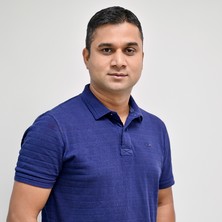
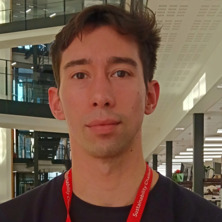
Dr Mostafa Kamal Masud is a CCQ Next Generation Cancer Research Fellow at the Australian Institute for Bioengineering & Nanotechnology (AIBN), the University of Queensland (UQ). In 2020, he received his PhD in Medical Biotechnology Diagnostics and Nanobiotechnology from AIBN, UQ. He received his MS and B.Sc. (Hons.) in Chemistry from Shahjalal University of Science and Technology (SUST), Sylhet-3114, Bangladesh. After completing his PhD, he was awarded a prestigious JSPS Postdoctoral Fellowship (success rate >10%) from Japan and served as a Postdoctoral Fellow at Japan's National Institute for Materials Science (NIMS).He recently been awarded a highly prestigious ARC DECRA fellowship for the period 2024-2026 and a QLD Cancer Council fellowship for the period 2024–2028. His research focuses on the development of novel nanostructures and nanodiagnostic technologies to address critical issues in medical diagnosis. As an early career researcher, he has an excellent track record with more than 60 peer-reviewed publications in prestigious and high-impact journals in the area that achieve <2800 citations with an h-index of 29 (Scholar google link: https://bit.ly/2Vtv67l). He has developed new classes of superparamagnetic nanostructures and fabricated novel biosensors for the detection of disease-specific biomolecular targets e.g., for miRNA, DNA, exosome and protein biomarker detection that have proven to be easy and effective, allowing for rapid diagnosis with minimal equipment. He made a major contribution to nanotechnology integrated-analytical and diagnostic fields by providing analytical and technological input as well as developing key collaborations with clinicians and biologists for translational research. His strategy is to create nano-architecture point-of-care diagnostic technology for early diagnosis of cancer that could hopefully lead to a healthy and happier life for humans.
Australian Institute for Bioengineering and Nanotechnology
Availability:
Available for supervision
Media expert
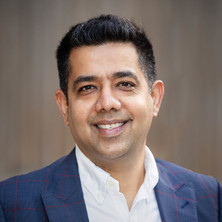
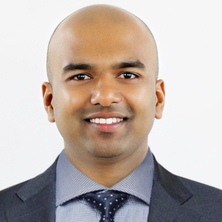
Professor Lars Nielsen is leading the development of experimental and computational tools to analyse and design complex biological systems. His expertise in metabolic modelling and flux analysis is available nowhere else in Australia – and in few labs across the world. Professor Nielsen’s studies of biological systems as diverse as bacteria, baker's yeast, sugarcane, insects and mammals has attracted industrial partnerships with companies including Dow, Metabolix, Amyris, LanzaTech, Boeing, Virgin Australia and GE. These metabolic engineering partnerships have focussed on developing new ways of producing aviation fuel, various materials and bioactives (antibiotics, biopesticides, monoclonal antibodies). Professor Nielsen is also applying system analysis and design approaches to tissue engineering including novel strategies for generating microtissues for drug screening and using stem cells to produce red and white blood cells for transfusion.
International links
Professor Nielsen collaborates with some of the world’s pre-eminent metabolic engineers. A joint project with Prof Sang Yup Lee (KAIST, Korea) enabled several extended mutual visits to explore use of sugar for higher value products. A separate project focused on producing synthetic aviation fuel based on isoprenoids involves Professor Nielsen collaborating with global synthetic biotechnology company Amyris and leading isoprenoid metabolic engineer Professor Jay Keasling, from UC Berkeley. Professor Nielsen has secured $8million since 2006 from industry through research grants with US, European, Japanese, Korean, New Zealand and Australian companies.
Affiliate of ARC Training Centre for Environmental and Agricultural Solutions to Antimicrobial Resis
ARC Training Centre for Environmental and Agricultural Solutions to Antimicrobia
Institute for Molecular Bioscience
Affiliate of Centre for Extracellular Vesicle Nanomedicine
Centre for Extracellular Vesicle Nanomedicine
Faculty of Health, Medicine and Behavioural Sciences
Professor
School of Pharmacy and Pharmaceutical Sciences
Faculty of Health, Medicine and Behavioural Sciences
Availability:
Available for supervision
Research Interests
Advanced Drug Delivery and Nanomedicine 1.Advanced drug delivery methods (controlled release dosage forms such as tablets, granules and microspheres) 2. Biomaterials as next generation adjuvant for vaccine delivery 3. Surface modified nanomaterials (Silica, Polymer, Liposomes) 4. Programmable nanoparticales for oral drug delivery and targeting 5. Translocation of nanoparticles after oral drug delivery (In-vitro and In-vivo)
Qualifications
Master of Pharmaceutical Science, Gujarat University
Faculty of Engineering, Architecture and Information Technology
Availability:
Available for supervision
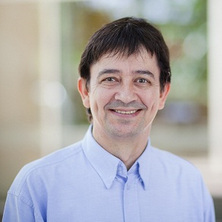
Dr Mauro Torres is a Lecturer in the School of Chemical Engineering at the University of Queensland, and leads a research group working at the interface of engineering and biology. designing living cells so that they behave in reliable, controllable ways
Background
Many of our most important medicines are made by cells, and a growing number of new treatments are living cells. Dr Torres's research changes how cells work by engineering the molecular mechanisms controlling how cells grow, produce therapeutic products, and respond to their surroundings, so they can be put to use more effectively. The same set of tools applies across very different goals: 1) Make biological medicines more efficiently, 2) Build cells that act as effective therapeutics, and 3) Develop tools for controlling gene expression. These goals focus of transforming how we make protein-, cell and gene therapeutics.
Dr Torres holds a PhD in Molecular Biology at the University of Manchester, and undergraduate in Chemical Engineering. His interdisciplinary background defines his approach to problems spanning the two fields. Before joining UQ, he was awarded a Leverhulme Trust Early Career Fellowship, which supported the establishment of his independent research group at Manchester. His current programme extends these principles to synthetic biology and to the engineering of cells for manufacturing biologics and advanced therapies, with industrial partnership as main focus for translating research into manufacturing settings.
Dr Torres welcomes new academic collaborations and enquiries from prospective research students.
Research areas
Mammalian synthetic biology including designing genetic circuits that confer predictable, controllable behaviour on mammalian cells.
Metabolic and secretory engineering for reprogramming cellular metabolism and the secretory pathway to improve the production of complex biologics in industrial cell lines.
Cell engineering for advanced therapies including stem cells for enhancing their immunomodulatory function and therapeutic output.
Biomanufacturing of cell and gene therapies for improving the production of the cells and viral vectors used in advanced therapeutic products.
Collaboration and supervision
Dr Torres actively seeks new academic collaborations, both within his field and across disciplines, and is particularly interested in working with researchers in immunology, disease biology, clinical translation, bioprocessing, and computational modelling. He also welcomes applications from prospective PhD and MPhil students with backgrounds in engineering, biotechnology, or the molecular life sciences. Enquiries, accompanied by a curriculum vitae and a brief statement of research interests, are warmly received.
Faculty of Health, Medicine and Behavioural Sciences
Availability:
Not available for supervision
Dr. Akila Wijerathna-Yapa is an interdisciplinary Biotechnology scientist and Postdoctoral Research Fellow at the Frazer Institute, University of Queensland, with over 12 years of expertise spanning Biochemistry, Molecular Biology, and Bioinformatics. Holding a PhD in Biochemistry from The University of Western Australia, an MSc in Molecular Biology from The Hebrew University of Jerusalem, an MBA from the University of Staffordshire, and B.Sc. (Hons.) Sp. Biotechnology from The Wayamba University of Sri Lanka, he brings a rare combination of deep scientific expertise and strategic project management insight to the life sciences.
Dr. Wijerathna-Yapa's research is defined by his ability to integrate advanced technologies—including mass spectrometry-based proteomics, peptidomics, metabolomics, lipidomics, NMR spectroscopy, and transcriptomics—to unravel molecular complexities and translate multi-omics data into actionable insights. His work spans molecular biology, cell culture bioprocess optimisation, clinical biomarker discovery, and spatial biology, with postdoctoral experience at The University of Queensland and Dalhousie University, and collaborative partnerships with leading research institutions across Sri Lanka, China, Israel, Australia, and Canada.
With a strong foundation in advanced statistical data analysis and a proven track record in project management and scientific communication, Dr. Wijerathna-Yapa bridges the gap between scientific discovery and practical innovation. He has authored over 25 peer-reviewed publications and has been recognised with prestigious international awards including the Australian Government Global Talent Independent visa and fellowships from the Higher Education Academy (FHEA, UKPSF). He is passionate about leveraging interdisciplinary knowledge to drive transformative advancements in biotechnology and life sciences.