Affiliate of ARC COE for Children and Families Over the Lifecourse
ARC COE for Children and Families Over the Lifecourse
Faculty of Humanities, Arts and Social Sciences
Research Fellow
UQ Poche Centre for Indigenous Health
Faculty of Health, Medicine and Behavioural Sciences
Availability:
Available for supervision
Media expert
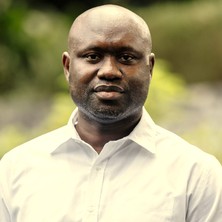
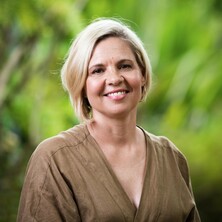
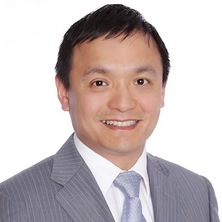
Dr. Edmund W. Kanmiki is a public health researcher with expertise spanning population health, epidemiology and health economics. He is passionate about achieving health equity, particularly for vulnerable populations. Dr. Kanmiki’s research focuses on social determinants of health, reproductive, maternal, and child health (RMCH), community-based healthcare interventions, healthcare financing, Indigenous health, non-communicable diseases and related areas. He holds a bachelor’s degree in mathematics with economics, a master’s degree and PhD in public health. Edmund’s doctoral thesis at the University of Queensland aimed at improving equity in maternal and child health in rural communities using community-based primary healthcare strategies.
At UQ Poche Centre, Edmund is a member of the Implementing Life Course Interventions research team led by NHMRC Leadership Fellow, Mamun Abdullah. He is a co-investigator of the ARC Centre of Excellence for children and families over the Life Course project titled “Preventing and managing diabetes among Indigenous women and youth”. He is also a research coordinator for the “Exposure to Trihalomethanes in Pregnancy and Birth Outcomes in Queensland Study”.
Prior to joining the University of Queensland, Dr. Kanmiki held research roles at the University of Ghana and the Navrongo Health Research Centre and provided consultancy services to some national and multinational institutions. He is a recipient of the Mastercard Scholarship, Elsevier Atlas award and early carrier research grant award from the Royal Society of Tropical Medicine and Hygiene (RSTMH). His research and peer-reviewed publications have informed health policy and programs. Dr. Kanmiki has presented his research at several esteemed conferences. His research has also garnered media attention in prominent outlets including The Conversation in Australia, Health and Medicine in Canada, and Health and Wellness in the United Kingdom.
Affiliate of UQ Poche Centre for Indigenous Health
UQ Poche Centre for Indigenous Health
Faculty of Health, Medicine and Behavioural Sciences
Affiliate of Centre of Architecture, Theory, Culture, and History
Centre of Architecture, Theory, Culture and History
Faculty of Engineering, Architecture and Information Technology
Associate Professor
School of Public Health
Faculty of Health, Medicine and Behavioural Sciences
Availability:
Available for supervision
Media expert
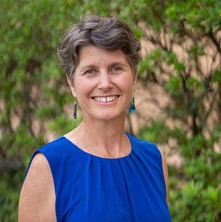
Associate Professor Nina Lansbury (also published as Nina Hall) is an environmental public health research and teaching academic at The University of Queensland’s School of Public Health. Her current research at UQ examines environmental health aspects that support the health and wellbeing of remote Indigenous community residents (as a non-Indigenous Australian) on both mainland Australia and in the Torres Strait in terms of housing, water and sanitation, and women's health. She also investigates the impacts of climate change on human health; at a global level, this involves a role as Coordinating Lead Author on the Intergovernmental Panel on Climate Change (IPCC AR7 WG II Ch 9, and formerly as a Lead Author in AR6) as well as a focus on remote Indigenous communities in Australia. In her teaching of undergraduate and postgraduate health students, she covers wicked health problems, integrative and interdisciplinary thinking in health, environmental health, and climate change impacts on health. Within the research sector, she was a senior research scientist at CSIRO, manager of the Sustainable Water program at The University of Queensland, and senior research consultant at the Institute for Sustainable Futures, UTS. Within the non-government sector, she was the director of the Climate Action Network Australia and research coordinator at the Mineral Policy Institute.
Faculty of Health, Medicine and Behavioural Sciences
Availability:
Not available for supervision
Media expert
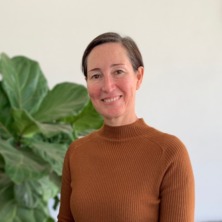
Dr Lisa McHugh is a perinatal and infectious diseases epidemiologist at the UQ School of Public Health (SPH). A Level C Senior Research Fellow and NHMRC Emerging Leader (EL1) Investigator Grant recipient, Lisa leads her own small team of researchers through her 5-year program ‘VaxiMums’, which is evaluating the uptake, effectiveness and equity of maternal vaccinations and respiratory infections.
Lisa is a CI on a national study evaluating RSV hospitalisations in children <5yrs of age, and a CI on a Qld Health project looking at the acceptability of new RSV strategies among parents.
Lisa is currently leading a pilot study investigating pregnancy loss after receiving influenza and COVID-19 vaccinations in early pregnancy-the first of its kind in Australia, and one of only a few internationally. Lisa’s extensive collaborations involve Primary Health Care Networks, First Nations midwives, maternal and child health nurse immunisers, consumers, Queensland Health, and national and international experts in the field.
Lisa has supervised 3 MEpi students to completion-all with the highest GPA of 7. She is currently the primary advisor of 2 PhD students, 2 MEpi students and a MBiostats student.
Projects currently being investigated by her and her students include:
Effectiveness of influenza, pertussis & COVID vaccinations in pregnancy against adverse maternal-infant outcomes
RSV hospitalisations among First Nations children aged <2yrs (Lisa is leading this collaboration with UQCCR)
Adverse birth outcomes among NT mother-infant pairs after maternal vaccinations
Pertussis vaccine effectiveness among preterm infants
Vaccine failures after influenza + pertussis vaccination in pregnancy
Lisa is the Academic Integrity Officer for SPH, and mentors 2 academics in the SPH Mentoring Program. Her research expertise and interests include clinical midwifery, First Nations health, infectious diseases, pregnancy and birth outcomes, and maternal vaccination. She has been a member of the Public Health Association of Australia since 2014, and Immunisation Special Interest Group working group member, contributing to the latest Immunisation Policy Review (2026).
Lisa is also member of the Australasian Epidemiological Association and Editor for the Aust and New Zealand Journal of Public Health.
She reviews for NHMRC grant applications.
When not working Lisa can be found (or not found) trail running, hiking in the middle of nowhere and swimming.
Affiliate of UQ Poche Centre for Indigenous Health
UQ Poche Centre for Indigenous Health
Faculty of Health, Medicine and Behavioural Sciences
Senior Lecturer
School of Pharmacy and Pharmaceutical Sciences
Faculty of Health, Medicine and Behavioural Sciences
Availability:
Available for supervision
Media expert
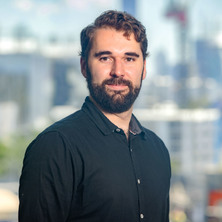
Jared is a proud Yuwi man, pharmacist and early-career researcher with interests spanning from culturally safe and effective pharmacy practice through to new technologies for pharmaceutical development and delivery. After graduating from UQ with a Bachelor of Pharmacy (Honours) in 2012, he worked as a community pharmacist before returning to undertake a PhD in pharmaceutical sciences, focusing on discovering new drugs for Alzheimer’s disease. Throughout his PhD, Jared developed an interest in teaching and tutored for many pharmacy courses. Ultimately this led to his current role as a Senior Lecturer with UQ School of Pharmacy and Pharmaceutical Sciences upon finishing his PhD in 2021. Jared also works as a clinical and research pharmacist with the Institute of Urban Indigenous Health (IUIH).
Faculty of Health, Medicine and Behavioural Sciences
Availability:
Available for supervision
Media expert
Dr Bushra Nasir is a Senior Research Fellow with expertise in Indigenous, rural, and remote health research. She leads and contributes to large-scale multidisciplinary research addressing Indigenous health, chronic disease, mental health, digital healthcare and health service delivery. Her research has achieved national and international reach, with strong academic, policy and community impact.
Her work is characterised by extensive collaboration with researchers, clinicians, health services and communities, alongside contributions to global health policy, including work informing World Health Organization recommendations. She is actively involved in research leadership, mentoring, peer review and professional service, and has held leadership roles within university research committees. Her research is strongly collaborative and community-engaged, with a particular focus on translating evidence into policy and practice. She is also committed to research leadership, mentoring and capacity building, supporting clinicians, students, educators and health professionals to strengthen research and improve health outcomes in regional and rural communities.
Faculty of Health, Medicine and Behavioural Sciences
Honorary Senior Fellow
School of Public Health
Faculty of Health, Medicine and Behavioural Sciences
Availability:
Available for supervision
Dr Huy Nguyen is a biostatistician and epidemiologist whose 25+ year career has spanned clinical medicine and advanced quantitative research across Vietnam, Japan, the United Kingdom, the United States and Australia. He trained as a medical doctor at Thai Nguyen and Hanoi Medical University, before completing postgraduate qualifications in statistics, research methods and public health at Flinders University and a PhD in Statistical Modelling and Epidemiology at Queensland University of Technology, for which he received the Outstanding PhD Thesis Award. He has held academic and biostatistics roles at Hanoi Medical University, St Luke's International University, the University of Adelaide, Griffith University, and Federation University Australia, and currently serves as Senior Research Fellow (Biostatistics) at the Poche Centre for Indigenous Health, University of Queensland, with honorary and adjunct appointments at Federation University, St Luke's, UMass Chan Medical School, and Mekong University.
Huy's research focuses on the design and statistical analysis of clinical trials and large observational studies, with particular expertise in causal inference, longitudinal and survival modelling, and Frequentist and Bayesian methods applied to chronic and infectious disease epidemiology. He has served as statistician or statistical/technical advisor on seven clinical trials (six ANZCTR-registered) – most recently as Technical/Statistical Advisor on the Wellcome Trust-funded E-Dengue cluster-randomised trial to reduce dengue incidence in Vietnam's Mekong Delta – and has contributed statistical expertise to over 30 funded research projects supported by the NHMRC, NIH, CDC, and Wellcome Trust, including NIH/Fogarty-funded non-communicable disease research and training in partnership with UMass Chan Medical School.
He has published nearly 100 peer-reviewed articles in international journals – including The Lancet, eClinicalMedicine, The Lancet Regional Health – Western Pacific, PLOS Medicine, and Cardiovascular Research.
Huy has supervised 1 postdoctoral fellow, 6 PhD candidates (2 completed, 4 in progress), 25 Master's students, and 17 Honours/Bachelor students.
Faculty of Health, Medicine and Behavioural Sciences
Availability:
Available for supervision
Media expert
Professor Rae received her PhD in 2007 in the area of reproductive physiology and has been working in the area of Aboriginal and Torres Strait Islander maternal and infant health and chronic disease since that time. She began as the Group Lead for the Indigenous Health Research group at the Mater Research Institute in a role that bridges the Mater, University of QLD and is actively growing partnerships with the Aboriginal community-controlled health sector in QLD. The importance of maternal health for Indigenous communities has been identified as a critical national research priority by Indigenous communities. Her work has had a multidisciplicinary nature and while always focused on the health of Indigneous Australians she has published in areas including pregnancy and birth outcomes, nutrition, psychosocial health, growth and development during infancy, the use of arts in health education to name a few.She has a particular passion for working in partnership to co-design research projects that support improving health outcomes for Aboriginal and Torres Strait Islanders. Her specific focus has primarily been to develop programs that reduce chronic diseases which afflict Aboriginal people more commonly through early detection and diagnosis, health education, and developing a thorough understanding of risk factors that impact on this community. She has mentored her team of staff and students to co-produce and co-disseminate findings from these programs of work and to build research capacity for all team members including those who identify as Indigenous and for those from rural locations of research studies.
Prior to her role at Mater Research, she was the inaugaral Director of the Gomeroi gaaynggal program (2007-2019), which had two major programs of work 1. ArtsHealth for community engagement, health education and health promotion and 2. A Health research program for understanding the development of chronic disease in the Indigenous community through the Gomeroi gaaynggal cohort. Program 1 was successful in transitioning its funding to local Aboriginal community-controlled sector in Tamworth (2019). Prior to its transition, she led a community focussed ArtsHealth program to improve health knowledge, particularly in the areas of social and emotional wellbeing in the community, with the assistance of a team of beginning Indigenous researchers. Over 100,000 hours of community education were delivered through this program. 2. The Gomeroi gaaynggal cohort work has involved the recruitment and retention of a prospective longitudinal cohort of Indigenous women from pregnancy through until the infants are 10 years of age highlighting her expertise in working with Indigenous families during their antenatal and early childhood years. The importance of maternal health for this population is a critical priority to improving the life-long health of the Indigenous communities of Australia.
I am an Aboriginal woman from the Ngen'giwumirri language group (Daly River, Northern Territory), born in Brisbane and connected to Indigenous communities across South East Queensland. I currently hold the position of Professor and Deputy Head of School in the School of Education at The University of Queensland. My research program is nationally and internationally recognised, with a focus on Indigenous education, codesign in Indigenous education, Indigenous participation in STEM, youth studies, flexi schooling, and education policy. I lead an extensive externally funded research program, including Australian Research Council (ARC) grants and government tenders, and I actively contribute to policy development through advisory roles at both state and national levels. I am a Chief Investigator on the ARC Centre of Excellence for Indigenous Futures.
I am committed to advancing strengths-based approaches in Indigenous education. My scholarship includes over 100 publications, and I have co-edited two major texts in the field. The first, “Indigenous Education in Australia: Learning and Teaching for Deadly Futures” (Routledge, 2021), which received a national award at the Education Publishing Awards Australia. My most recent book, “Strengths-Based Approaches to Indigenous Education Research and Practice” (Routledge, 2025), co-edited with Professor Grace Sarra, further contributes to the growing body of work that centres Indigenous voices and leadership in education. My academic work builds on my foundation as a qualified, Queensland-registered secondary school teacher.
Throughout my career, I have received multiple awards in recognition of research excellence and leadership, including the UQ Foundation Research Excellence Award (2021), the UQ Award for Excellence in Graduate Research Leadership (2024), and the National ACEL Leadership Award (2020). As a qualified and experienced secondary teacher, I remain deeply committed to research translation and applied research that support advancing educational equity. I designed a specialised program aimed at growing the Indigenous Education research workforce, the SoE DEADLY Community, providing mentoring to early career researchers and supervising Indigenous higher degree research students through the creation of an environment that centres Indigenous strengths, knowledges and aspirations.
My work continues to be driven by a belief in the transformative power of education and the importance of Indigenous-led research and practice, underpinned by Indigenous-informed evidence, and a commitment to bridging research, policy and practice.
Faculty of Health, Medicine and Behavioural Sciences
Research Fellow
School of Nursing, Midwifery and Social Work
Faculty of Health, Medicine and Behavioural Sciences
Availability:
Available for supervision
Dr Lucy Shinners is an Indigenous clinician‑researcher with 25 years of ICU nursing experience and a career deeply embedded in the health system. Her work is grounded in the realities of clinical practice and the experiences of patients, families and communities, shaping a research program that examines how emerging technologies can strengthen safe, high‑quality and culturally responsive care.
Using a sociotechnical lens, Dr Shners studies how artificial intelligence influences the health workforce, clinical decision‑making and the conditions required for safe adoption. Her internationally used SHAIP tool supports health services to understand workforce perceptions of AI and ensures that consumer perspectives remain central to technology design and implementation. She also works with Indigenous health organisations to co‑design technological solutions that reflect community priorities, and has contributed to establishing First Nations leaders’ priorities for AI, an expanding line of work shaping future governance and innovation.
Her research intersects with infection prevention and vascular access safety, where she investigates healthcare‑associated infections, device‑related harm and opportunities to improve surveillance, early detection and patient experience. Increasingly, these domains converge as she explores AI‑enabled approaches for infection risk prediction and monitoring, and evaluates how emerging technologies can enhance clinical governance and system performance.
Dr Shinners’ work provides health services, policymakers and industry with evidence‑based, culturally informed insights into AI, infection prevention and the future of safe care.
Affiliate of Centre for the Business and Economics of Health
Centre for the Business and Economics of Health
Faculty of Business, Economics and Law
Affiliate of Queensland Digital Health Centre
Queensland Digital Health Centre
Faculty of Health, Medicine and Behavioural Sciences
Centre Director of Centre for Online Health
Centre for Online Health
Faculty of Health, Medicine and Behavioural Sciences
Professor
Medical School
Faculty of Health, Medicine and Behavioural Sciences
Availability:
Available for supervision
Media expert
Professor Anthony Smith is the Director of The University of Queensland’s Centre for Online Health (COH), and Adjunct Professor at the Hans Christian Anderson Children's Hospital and University of Southern Denmark, in Odense, Denmark.
Professor Smith is also the Editor in Chief for the Journal of Telemedicine and Telecare (Sage Publishers, London; 5y Impact Factor 4.9).
Professor Smith has more than 25 years of research experience, resulting in the planning, implementation and evaluation of a broad range of telehealth (virtual care) services around Australia. Specific research interests include the feasibility, effectiveness and sustainability of telehealth services in the public health system; genuine consumer engagement; and novel strategies to support our health workforce and telehealth adoption. His research has led to the development of pioneering virtual care services in Australia, including prominent statewide hospital-based telehealth programs in Queensland, wireless (robot) videoconference systems for remote consultations; and a community-based (and telehealth supported) health screening programme for Indigenous children in Queensland. Current projects focus on the integration of telehealth and virtual care services in residential aged care settings; evaluation of community-led First Nations health services; the delivery of video-based rehabilitation services to children in rural and remote primary schools; telementoring services for health professionals in primary care; and discipline specific clinical telehealth services.
Professor Smith chairs the International Conference on Successes and Failures in Telehealth conference. He is also a Fellow of the Queensland Academy of Arts and Sciences. Previous roles have included the President of the Australasian Telehealth Society (ATHS) [2013-2015]; and elected member of the ATHS committee [2008-2024]. In the field of telehealth and virtual care, Prof Smith has over 240 publications, including 230 peer-reviewed journal papers, three edited books and 13 book chapters on related topics. Whilst the field remains highly specialised in comparison to other disciplines, his work is cited over 2000 times each year.
Professor Smith also provides an extensive range of consultancy services for government agencies and industry partners in the field of telehealth, digital health and virtual healthcare.
RECENT AWARDS
1. Honorary Doctorate. Doctor of Medical Science (D.M.SC. (honoris cau)). Faculty of Health Sciences, University of Southern Denmark, 2025
2. Public Engagement and Community-led Research (including Citizen Science) Award, The University of Queensland Research Culture Awards, 2024
3. Top Researcher in the field of "Medical Informatics"- for work involving telehealth, digital health and virtual care. The Australian Research Awards, 2023
4. Commendation, Academic Leader of the Year, UQ Faculty of Medicine Excellence Awards, The University of Queensland, 2023
5. Excellence in Indigenous Engagement Award - for "enhancing access to specialist health services through the use of telehealth for First Nations people. Engagement Australia Excellence Awards, 2021
6. Spirit of Reconciliation Award - for building research and community partnerships in Queensland. UQ Faculty of Medicine Excellence Awards, The University of Queensaland, 2021
Faculty of Health, Medicine and Behavioural Sciences
Availability:
Available for supervision
Media expert
Jaimee is an applied cultural and developmental psychologist and Principal Research Fellow at the UQ Poche Centre for Indigenous Health. Her work examines human development within complex social systems with a focus on the experiences of marginalised, under-represented, and disadvantaged communities. Throughout her career she has worked to support the health and well-being of diverse minority groups (e.g. cultural, religious, gender, and sexual orientation) and those who experience inflated risk factors (e.g., exposure to violence, low socio-economic status, displacement). She is especially interested in how governance, community, and individual-level factors intersect with contemporary social issues including emerging technologies, intercultural relations, and social cohesion. Jaimee focuses on issues of social justice, peace, and equity with an emphasis on the empowerment of Indigenous, migrant and refugee background youth and families.
Jaimee has multisector research and leadership experience across the United Nations, government, and academia in Australia and Aotearoa. Most recently, she was Head of Research (Acting) at the United Nations University Institute in Macau, where she led a team examining the gender digital divide, the ethics of AI, and online violence among civil society in Asia-Pacific. Prior to that she held a senior research role at Griffith University where she led the research strategy for a large project in Logan aimed at alleviating the impacts of place-based disadvantage among diverse cultural groups. Jaimee has extensive experience in both quantitative and qualitative methods, knowledge mobilisation, and stakeholder engagement, and policy advisory.
Principal Specialty Supervisor in Indigenous Health Education and Engagment
Medical School (Rural Clinical School)
Faculty of Health, Medicine and Behavioural Sciences
Availability:
Not available for supervision
Leonie is proud of her traditional connections to the Djaku-nde people of North Burnett, Juru people in Bowen North Queensland and the Nuigi people of Mulgumpin (Moreton Island) with bloodline traces back to Tanna, Santo and Lifu Island's in Vanuatu. With over 30 years of experience in social work, Leonie is a nationally recognised leader in cultural safety, Indigenous engagement and community development. Leonie has extensive experience in across child protection, mental health and teritary education sectors. Her professional expereist encompasses policy development, legislative reform, and practice frameworks, with a strong emphasis on co-design, cultural mentoring and workforce development. She has lectured in Indigenous Health, Social Work, Mental Health and contributed to the development of culturally safe, student-centred curricula. Renowned for her authentic faciliation style, she empowers individuals and organisations to embed cultural safety and drive systemic change across government, non-government, and academic contexts.
Faculty of Health, Medicine and Behavioural Sciences
Director, UQ Poche Centre
Faculty of Health, Medicine and Behavioural Sciences
Affiliate of ARC COE for Indigenous Futures
ARC COE for Indigenous Futures
Faculty of Business, Economics and Law
Availability:
Available for supervision
Professor James Ward is a Pitjantjatjara and Narungga man, and a national leader in Aboriginal and Torres Strait Islander research. He is currently the Director of the Poche Centre for Indigenous Health at the University of Queensland. As such he leads a research program focused on urban Aboriginal and Torres Strait Islander health and an infectious diseases research program and associated issues. Having held various roles in Aboriginal public health policy for both government and non-government organisations, in 2007 he was appointed as the Inaugural Program Head of the Aboriginal Program at the Kirby Institute, University of New South Wales. In 2012 he moved to Alice Springs to become Deputy Director of the Baker Institutes' Aboriginal Health Program, after which he joined the South Australian Health and Medical Research Institute. James has been awarded funding applications totalling $23M since 2013; including $7.14M as CIA on NHMRC funded grants and has authored 160 publications. He has led national research projects on health services research http://cre-ash.org.au/participating-sites/clinical-hubs/; in health promotion www.youngdeadlyfree.org.au; and methamphetamines https://wecandothis.com.au/ to name a few.
His work has influenced policy and practice significantly contributing to national guidelines, policy and practice. During 2020 he has contributed to the national COVID—19 response nationally through membership of the Communicable Diseases Network of Australia and the National Aboriginal and Torres Strait Islander COVID-19 Taskforce.
Faculty of Health, Medicine and Behavioural Sciences
Affiliate of ARC COE for Children and Families Over the Lifecourse
ARC COE for Children and Families Over the Lifecourse
Faculty of Humanities, Arts and Social Sciences
Affiliate of Health and Wellbeing Centre for Research Innovation
Health and Wellbeing Centre for Research Innovation
Faculty of Health, Medicine and Behavioural Sciences
Affiliate of Centre for Sport and Society
Centre for Sport and Society
Faculty of Health, Medicine and Behavioural Sciences
Senior Lecturer
School of Human Movement and Nutrition Sciences
Faculty of Health, Medicine and Behavioural Sciences
Availability:
Available for supervision
Media expert
Dr Wheeler is a proud Ngarabal person and Accredited Exercise Scientist (ESSA). Dr Wheeler specilises in implementation science in partnership with Aboriginal and Torres Strait Islander peoples and communities.
Dr Wheeler was the first Aboriginal person to graduate with a PhD from the University of the Sunshine Coast.
Dr Wheeler’s research examines how Aboriginal and Torres Strait Islander communities can co-design programs that build community capacity and engage children and young peoples in a broad range of development areas. Dr Wheeler’s research strengths consist co-designing physical movement-based programs, ensuring a trauma informed and culturally-responsive approach towards community engagement and empowerment.
Dr Wheeler has led high performing teams working on education programs that support Aboriginal and Torres Strait Islander families through a strength-based and holistic framework. Extending this work, Dr Wheeler's research focuses on developing the Aboriginal and Torres Strait Islander workforce to better address the complex health needs of community. Dr Wheeler has provided FIrst Nations leadership to a range of projects that have catered for the diversity of Aboriginal and Torres Strait Islander communities, and through this experience has partnered to deliver diverse governance solutions and educational engagement frameworks.
Dr Wheeler also specialises in biomechanics, sport analytics and performance analysis as well as strength and conditioning research. Dr Wheeler works currently with a range of sporting organisations to implement best-practice sport servicing, testing and athlete management to achieve excellence. Dr Wheeler is the lead researcher in partnership with Indigenous Basketball Australia. Dr Wheeler has worked with a variety of professional sporting organisations and teams such as the Wallabies, Brumbies Rugby and World Rugby as well as the Australian Institute of Sport, Canberra Raiders, Canberra Comets, Canberra Meteors and GWS Giants. Dr Wheeler co-design training programs to promote optimal performance in a range of sports. Dr Wheeler is a passionate about how sport and exercise can be used to enrich community as well as health and wellbeing for Aboriginal and Torres Strait Islander peoples.
Dr Wheeler is the Chair of the ESSA Aboriginal and Torres Strait Islander Strategy Working Group for Exercise and Sport Science Australia.
Dr Wheeler is the Director of Aboriginal and Torres Strait Islander Strategy for the School of Human Movement and Nutrition Sciences.
Dr Wheeler is the Program Convenor for Bachelor of Exercise and Sport Sciences, the University of Queensland.
Dr Wheeler was named in the top 52 Aboriginal and Torres Strait Islander people changing the world from COSMOS.
Awards
2022 Aboriginal and Torres Strait Islander Scientist Award from the Australian Academy of Science
2022 LSQ Merck Life Science Rural and Regional Service Award from Life Sciences Queensland
2020 Accredited Exercise Scientist of the Year Award from Exercise and Sport Science Australia
2021 Science Peoples Choice Award from National Science Week
2021 Outreach Award from National Science Week
2020 Science Leadership Excellence Award from National Science Week
2017 NAIDOC Award from Fraser Coast NAIDOC Committee